I wanted to find a good lunch spot between Luxembourg City and Ghent, Belgium. Not knowing too many small towns in Belgium, I just started clicking town names on Google Maps to see the photos that would come up. That’s how we ended up in Dinant (population: 13,500).
After passing through the rocks, you will soon start seeing views like thisthen this..
There were ample parking lots along the river just a few minutes after passing the church. We parked there and walked back to the church.
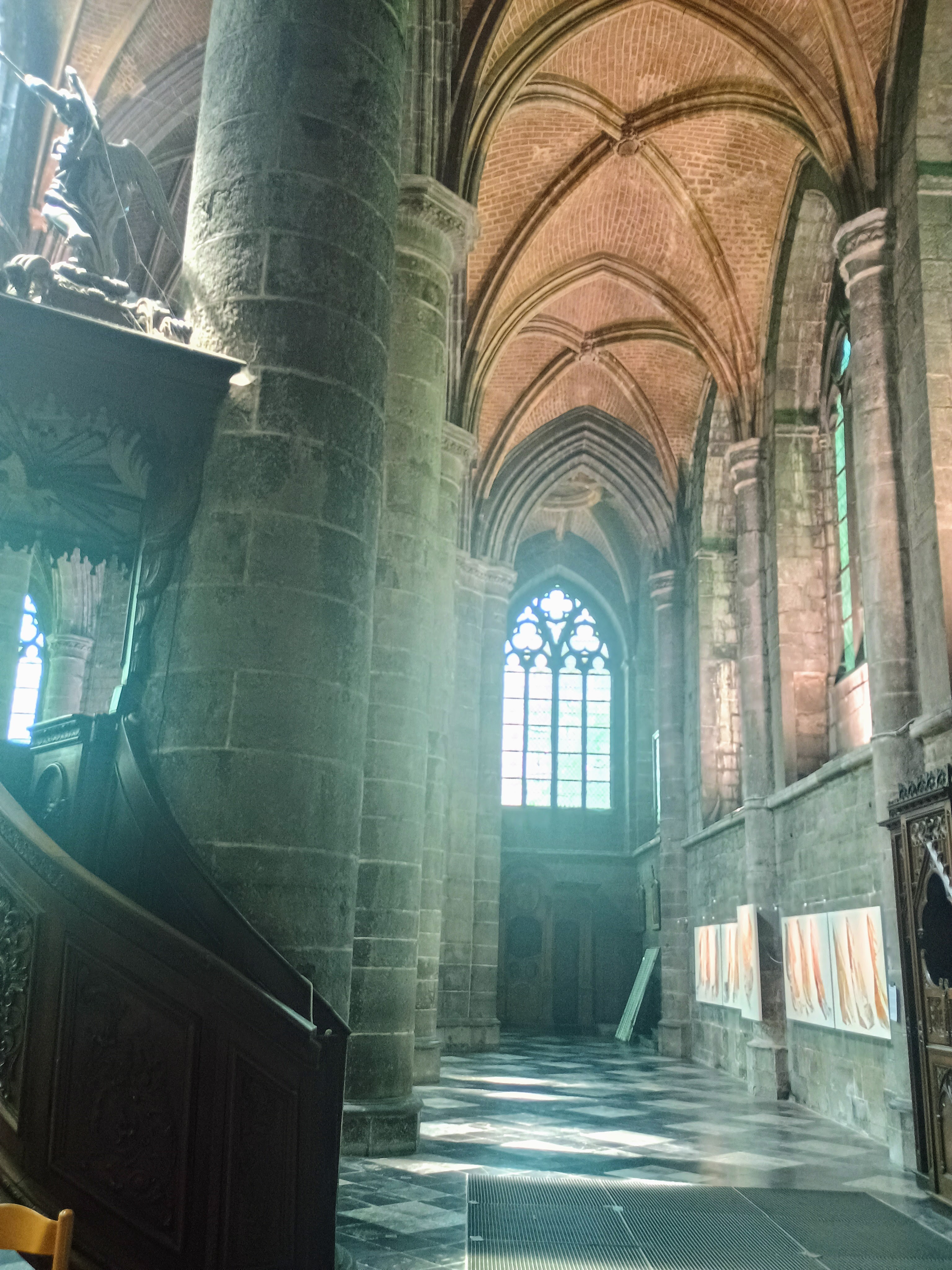
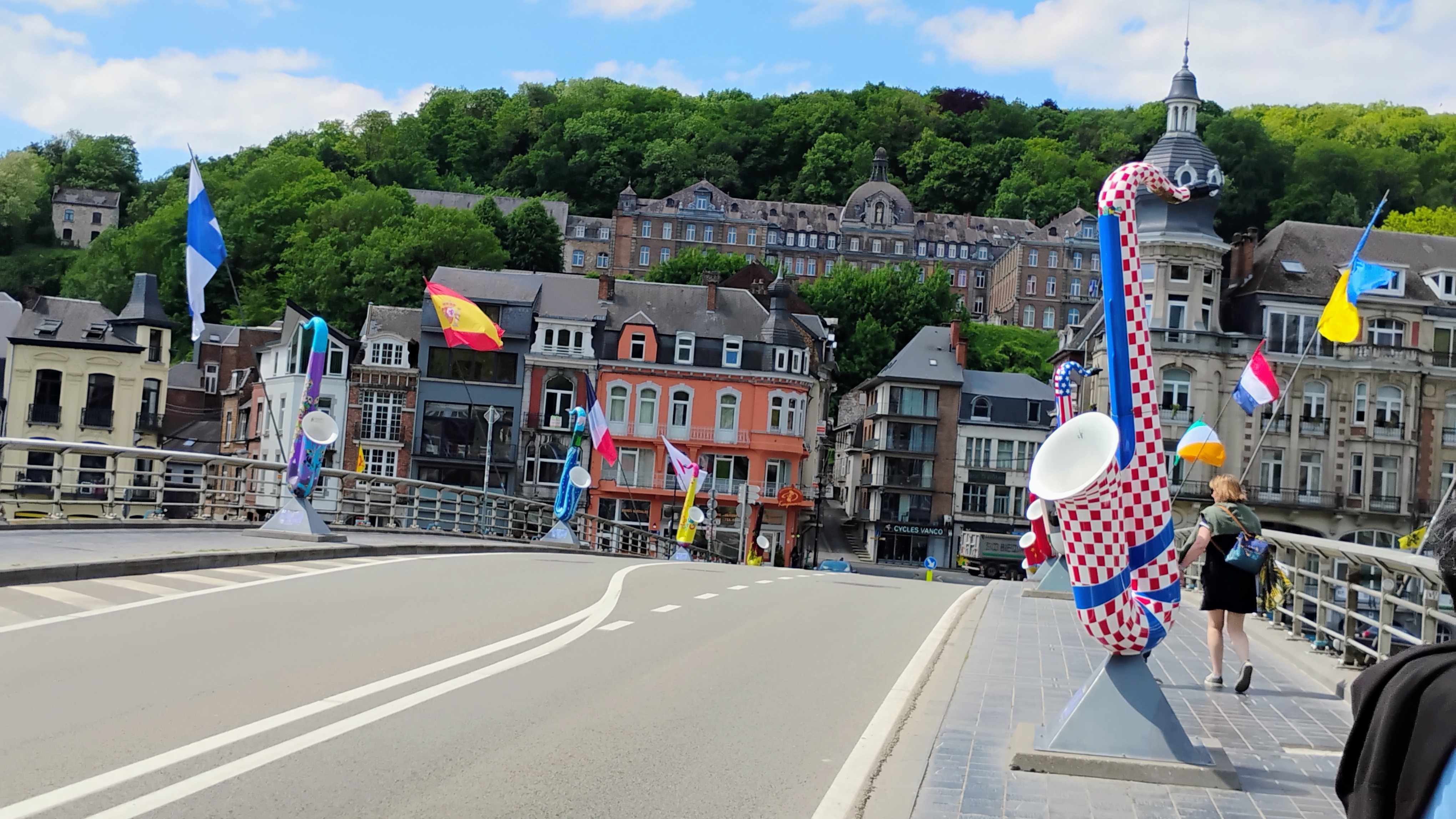
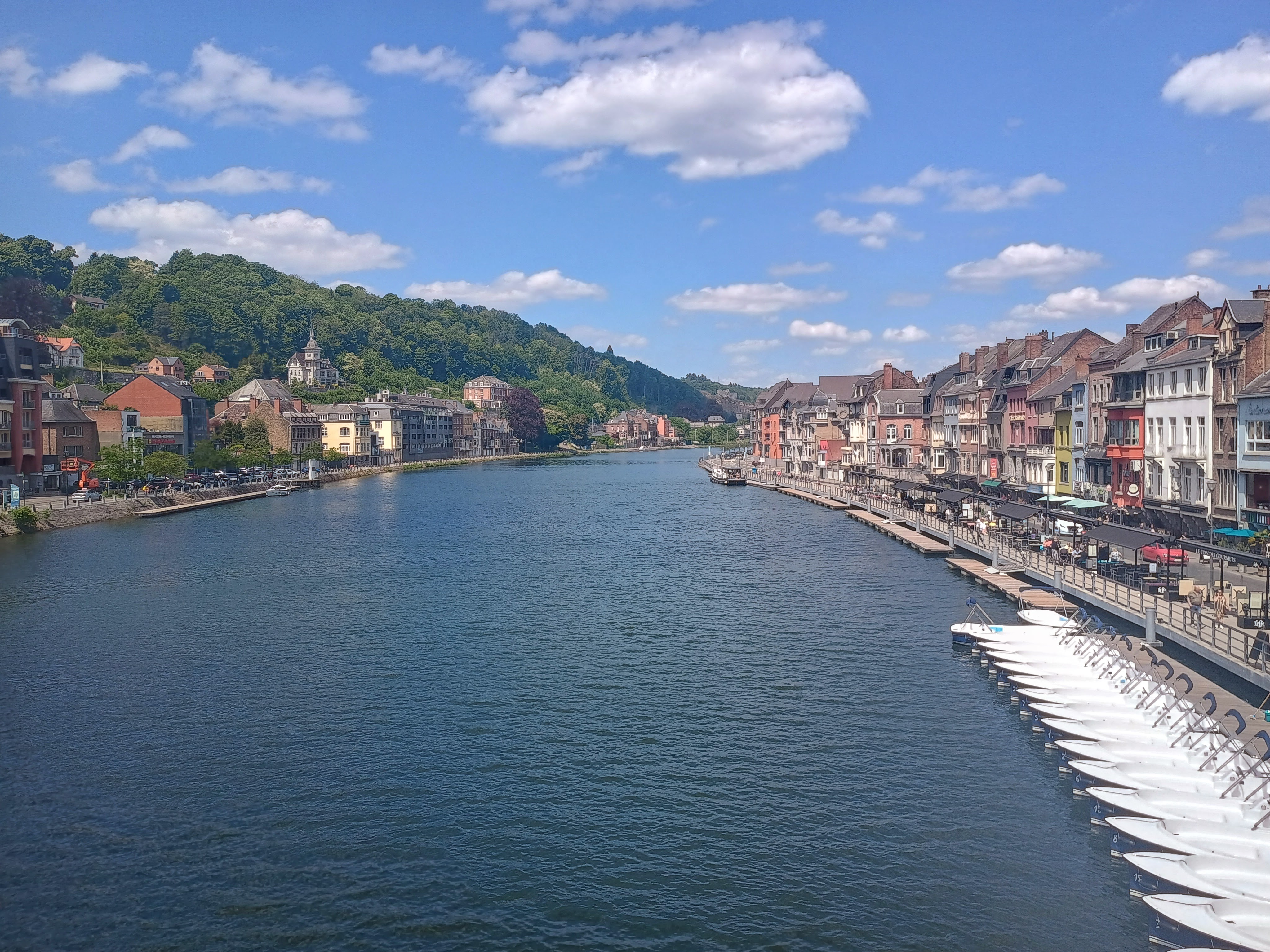
The interior was even more magical and sereneMeuse RiverIs that a saxophone?Sure is. In fact, they are everywhere in Dinant.
The saxophone was invented by a musician named Adolphe Sax who was born in Dinant. So saxophone sculptures of all sizes and colors brighten up the town.
I had the brilliant idea of choosing a restaurant toward the other end of the town so that we could quickly go in, eat, and continue our drive.
Well, the restaurant was sold out for the day and they couldn’t sit us. Our lunch stop was wonderful except we didn’t get lunch.
We kept driving along the river. The area was very beautiful but no restaurants were open for us. We had to pull into a grocery market and buy snacks to munch on.
Dinant is supposed to be a popular weekend getaway spot for the big city people. I can see why people would come here and chill out for a day or two. There isn’t a whole lot to do, but that’s the point, right?
Eindhoven is the 5th largest city in the Netherlands & the biggest in southern Netherlands. The city itself has a population of barely a quarter of a million, but the metro area has 780,000 people, and it definitely is not a small place. But that’s not why I became interested in the city.
I had heard of Eindhoven because its professional soccer club, PSV Eindhoven, was coached by Guus Hiddink who had become a sports hero in South Korea after leading the Korean national team to 4th place in the FIFA World Cup in 2002. Subsequently, several Korean players played for PSV. When I noticed Eindhoven next to Tilburg on the map, I was compelled to pay the city a visit.
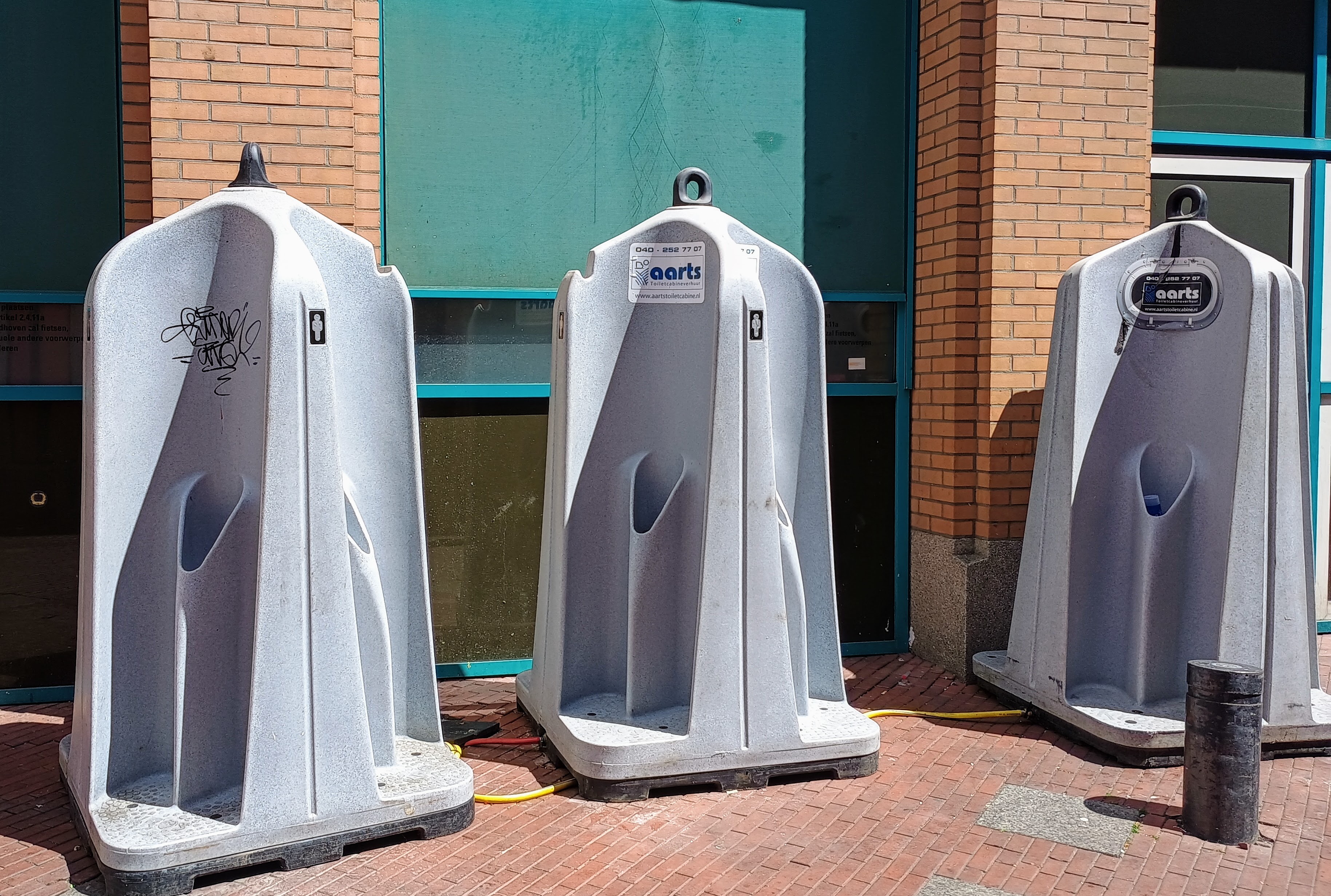
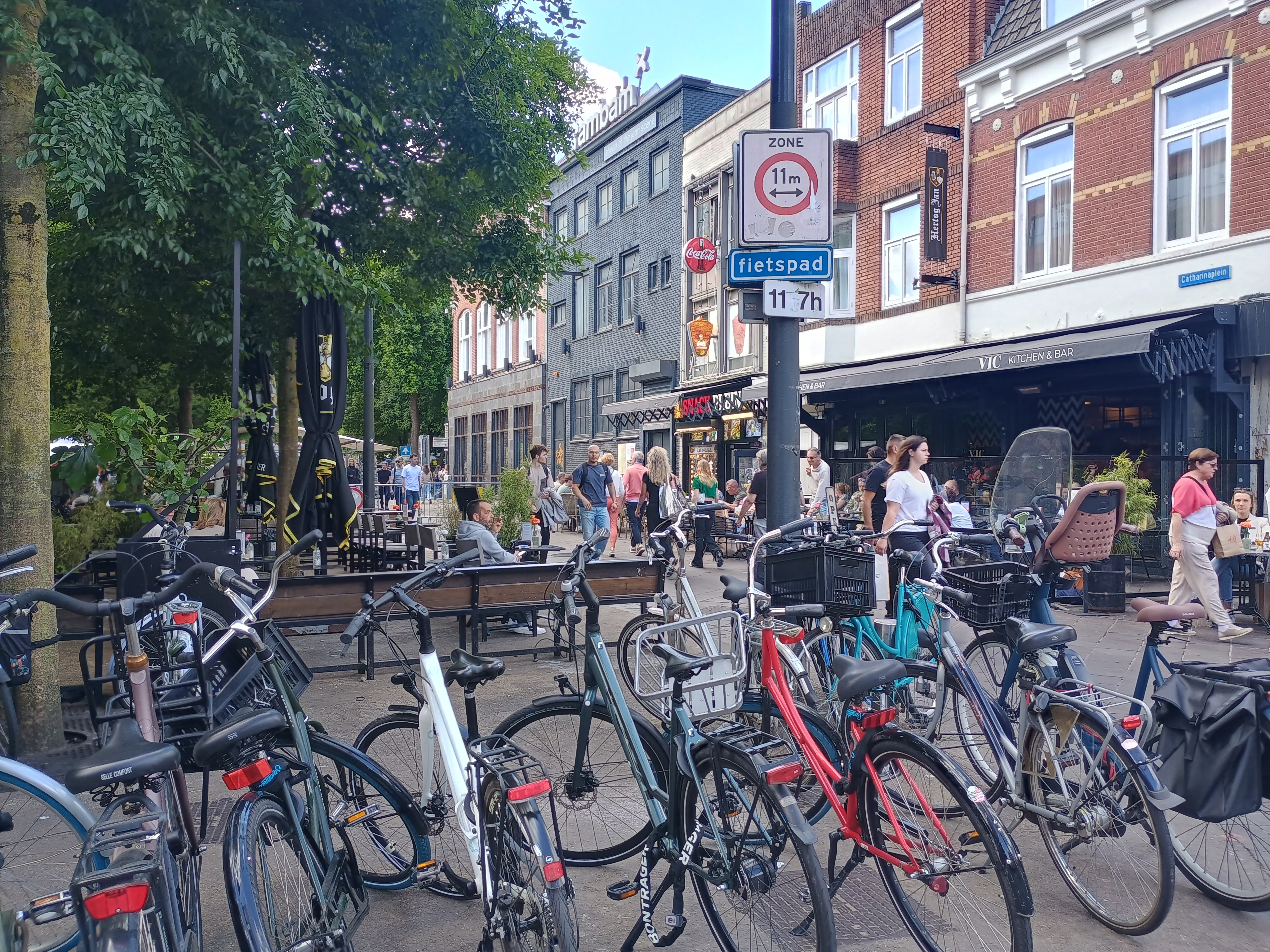
The first thing we noticed was the cathedral, like in most cities in Europe. It was as beautiful as any other cathedral in a major city and provided my first experience with an accordion orchestra.What set it apart was this plaque in front of the church that says this church appeared in Van Gogh’s work.A very attractive food court was not far from the church. All 6 of us went different directions to hunt for food, and 5 of us ended up at a Vietnamese place – quite good.Never seen these public urinals before This mural titled ‘Harmony’ was compelling The usual walk streets and bike racksa square filled with people enjoying themselves something for the kids, both old and youngAnd shopping streets like any big city – complete with the usual international chains.No, I didn’t buy this.
Phillips electronics company was founded in Eindhoven to make lightbulbs in 1891, and the city grew with the company that became a humongous multinational corporation. Phillips moved most of their operations to Amsterdam and elsewhere, and now Eindhoven is thriving on hightech and design and other modern industries. The soccer club PSV (Philips Sport Vereniging) was founded as a Phillips employee team in 1913.
So it’s a standard nice enough big urban center. What’s the connection to Van Gogh?
The artist was born into an upper middle class family in a small city, Groot-Zundert, near Breda in 1853. He was an artistic but depressed child, they say. He tried to be an art dealer, a teacher, a preacher before deciding to be an artist around 1880.
In 1883, he was broke and had to go live with his parents who were at that time living in a rural village outside of Eindhoven called Nuenen. Between 1883 and 1885, he moved out of his parents house (father didn’t approve of his career choice), found a studio space, fell in love (didn’t work out well) & produced 195 paintings, 313 drawings, 25 water colours and 19 sketches, which make up a quarter of all his work.
So the town of Nuenen (population : 22,000)has been claiming to be ‘a’ or ‘the’ Van Gogh Village.
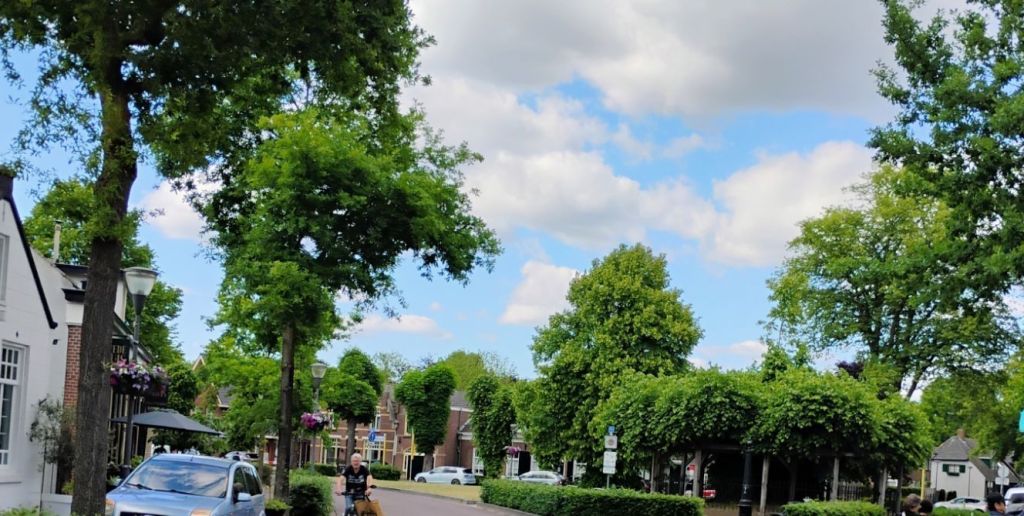
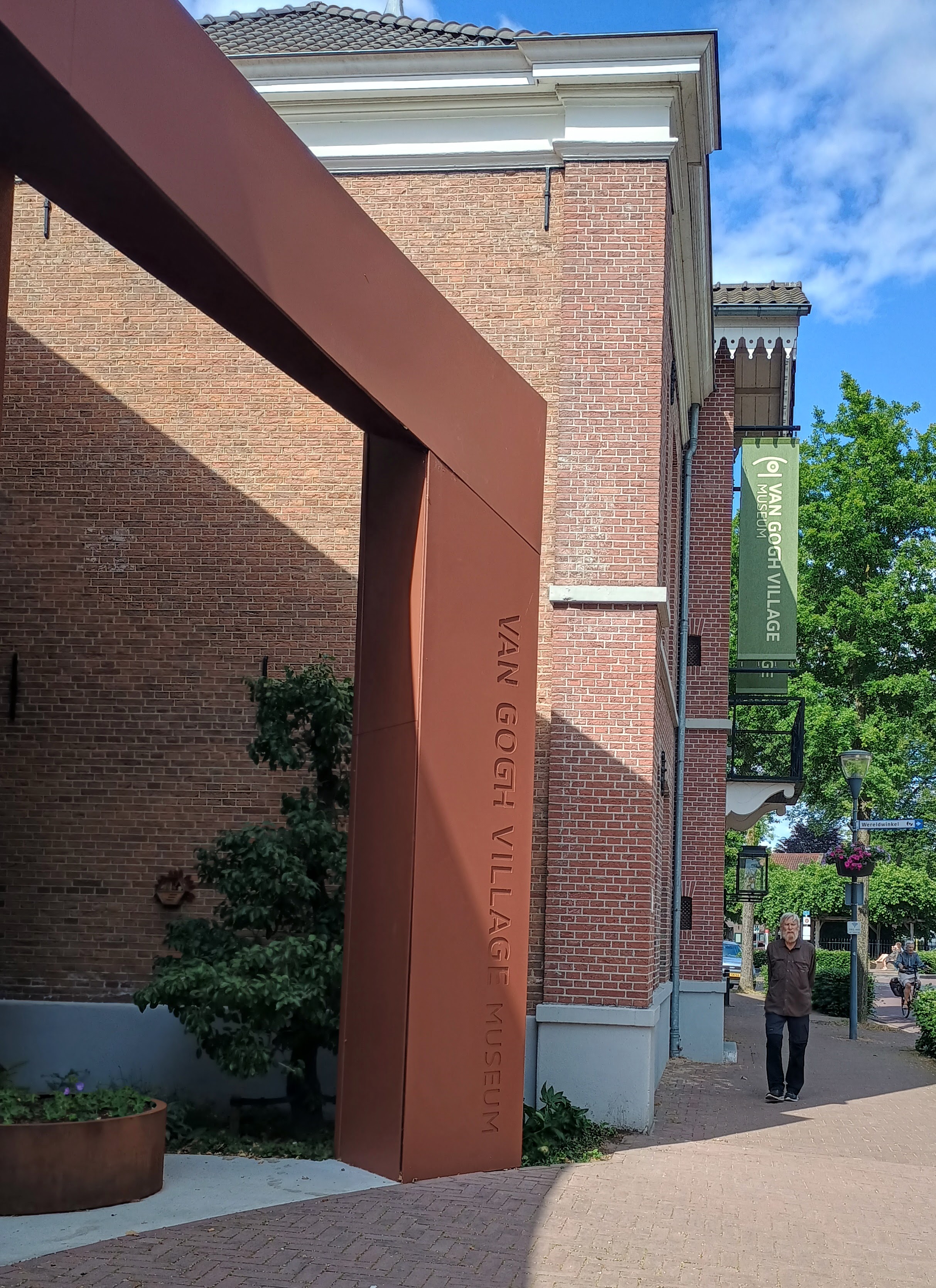
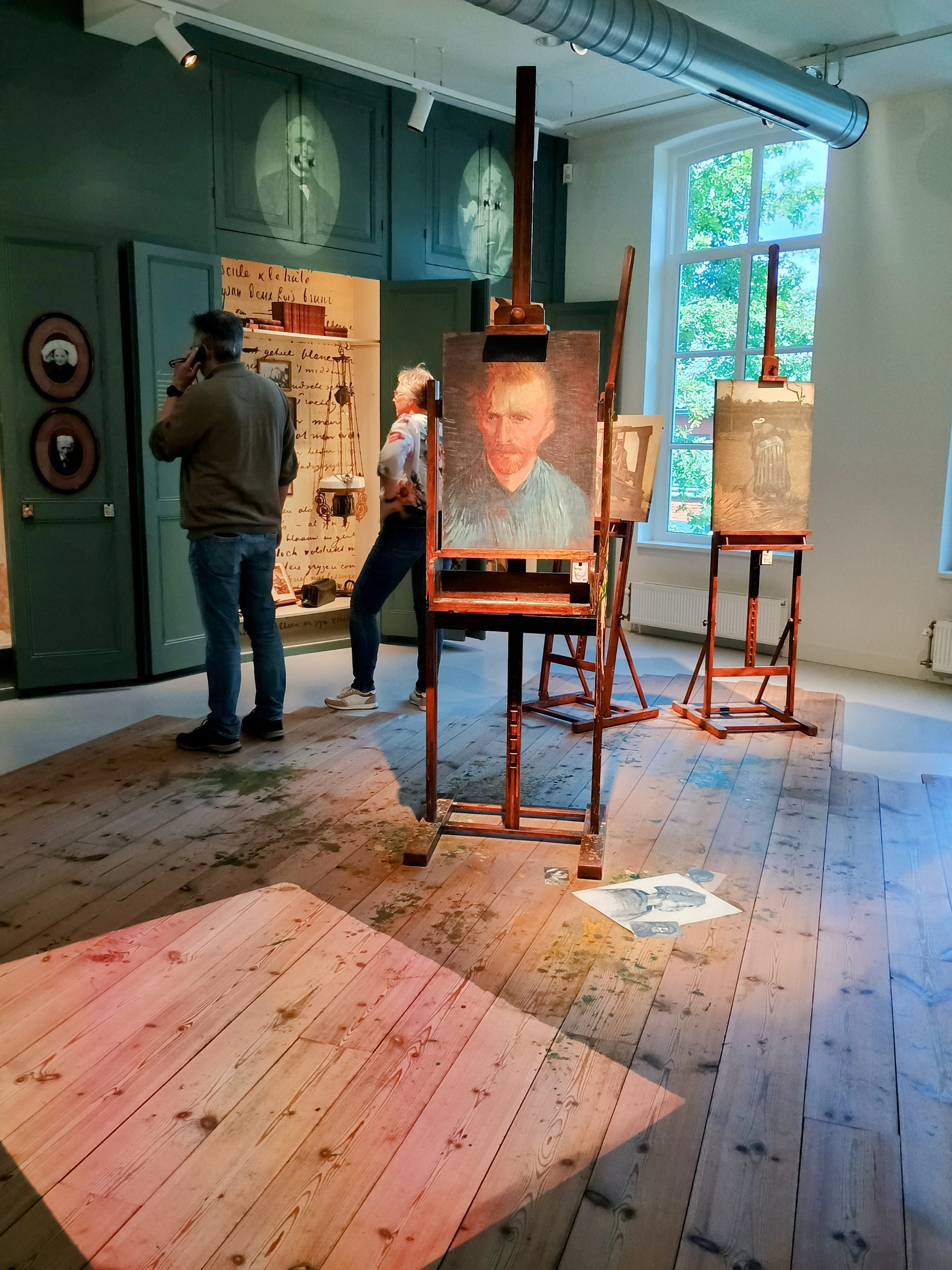
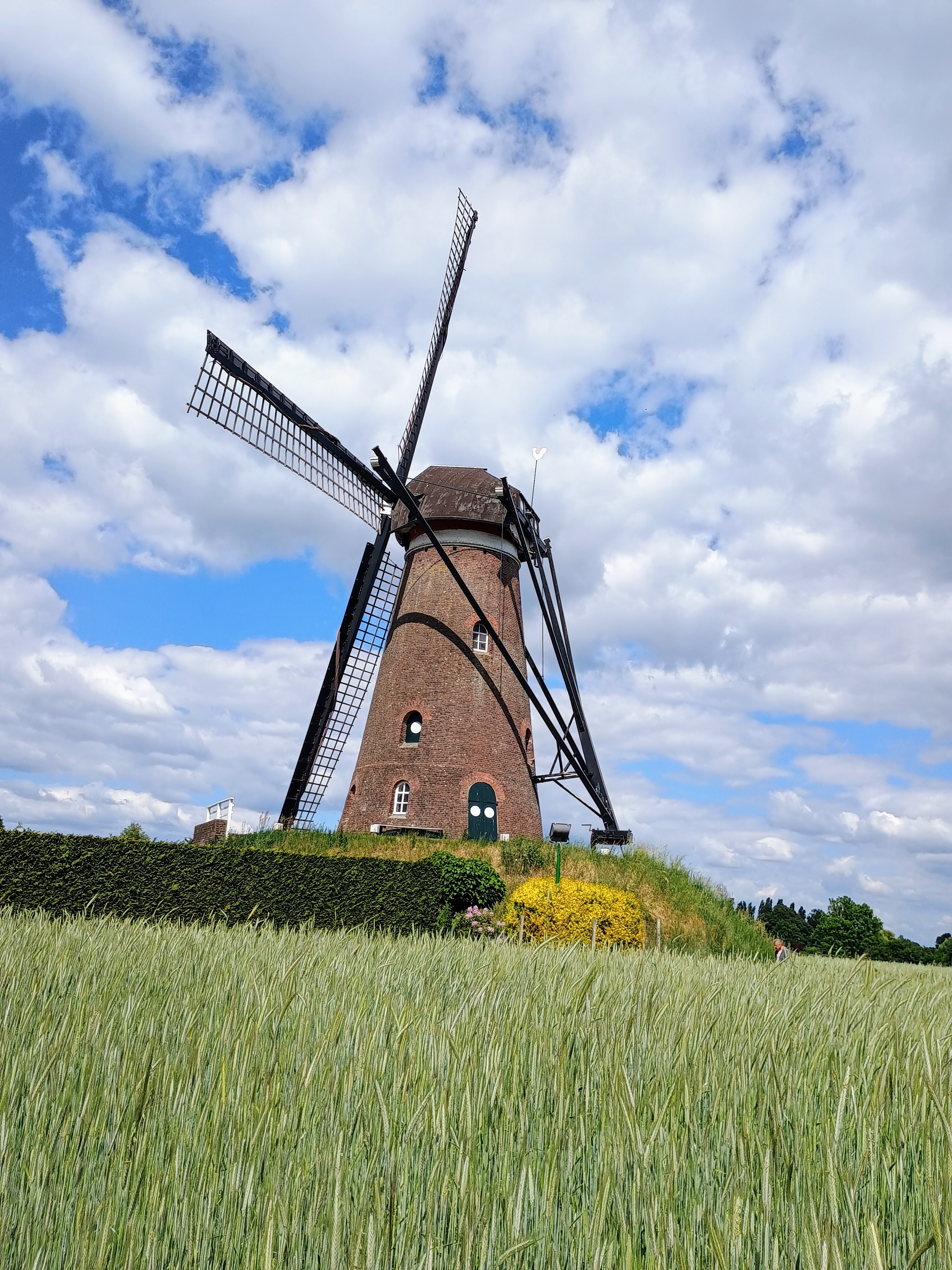
an idyllic pretty little townand there’s Van Gogh Village MuseumThe Museum was actually quite well done and I was convinced Nuenen is not overhyping its connection to the artistwhoever designed that museum paid attention to small details to make the place more relevant to the subject matter Looks familiar? Yes, this windmill area appears in his paintings several times this little church, too
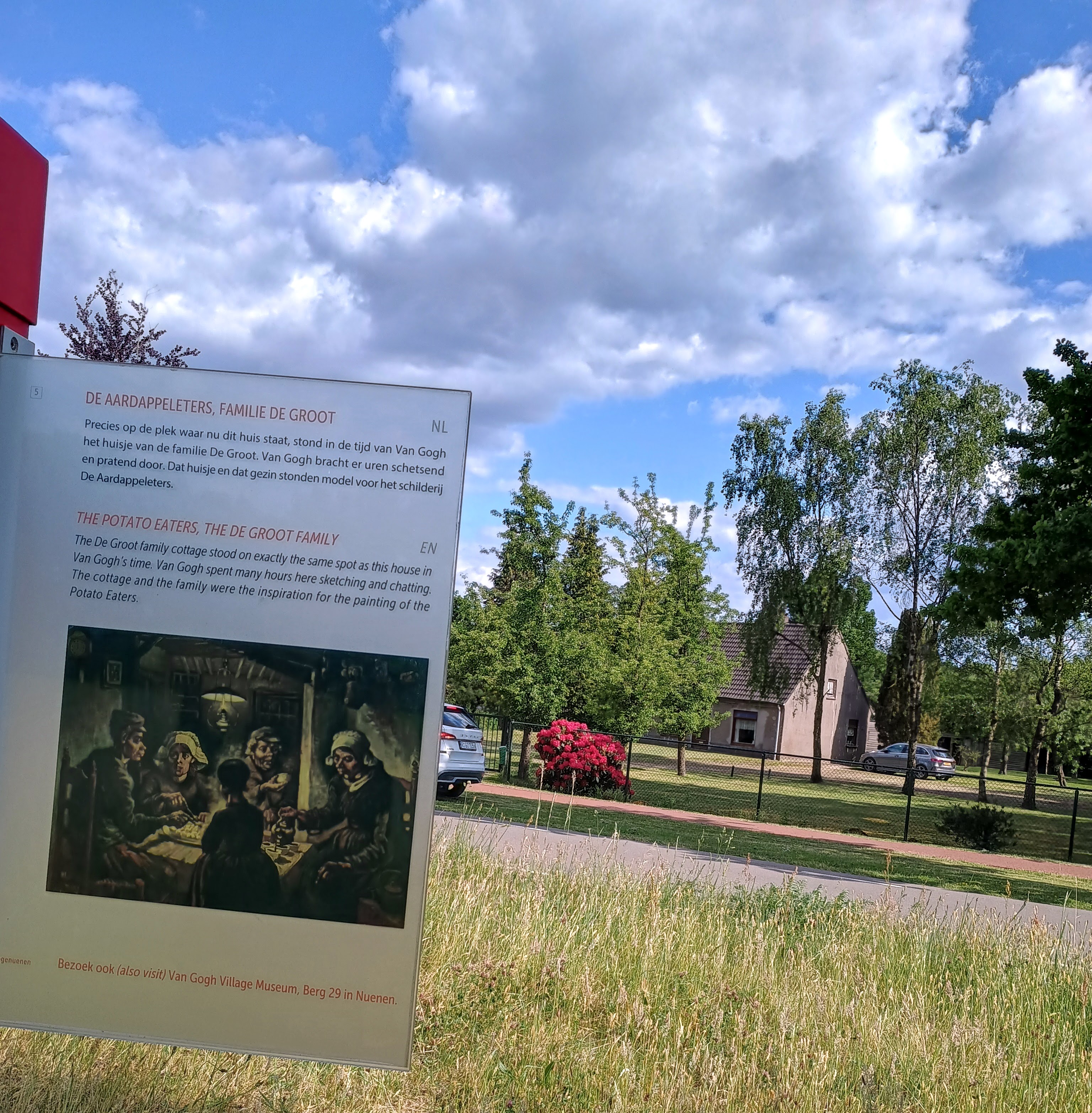
The Potato Eaters were at this spot which now is an empty field with a sign. People, including us, stop to take photos anyway.
He produced over 2000 art works in his rather short life as an artist – about 10 years, and a half of them in the last two years of his life in southern France. He was mentioned almost everywhere we went in that area, we noticed. But he’s a Dutch artist after all (not sure how much he himself cared about that) and Nuenen is a reminder.
So what happened to all his artworks after he died, you might wonder. If you are curious, click here.
That’s not a typo. When I started noticing s-Hertogembosch on freeway signs, I thought that couldn’t be a city name. So I checked. Sure enough, it is not only a real city but also a provincial capital of 160,000 people. Let’s go there, I said. How do you even say that word?
Colloquially known as Den Bosch, it was only a 30 minute drive from Riel.
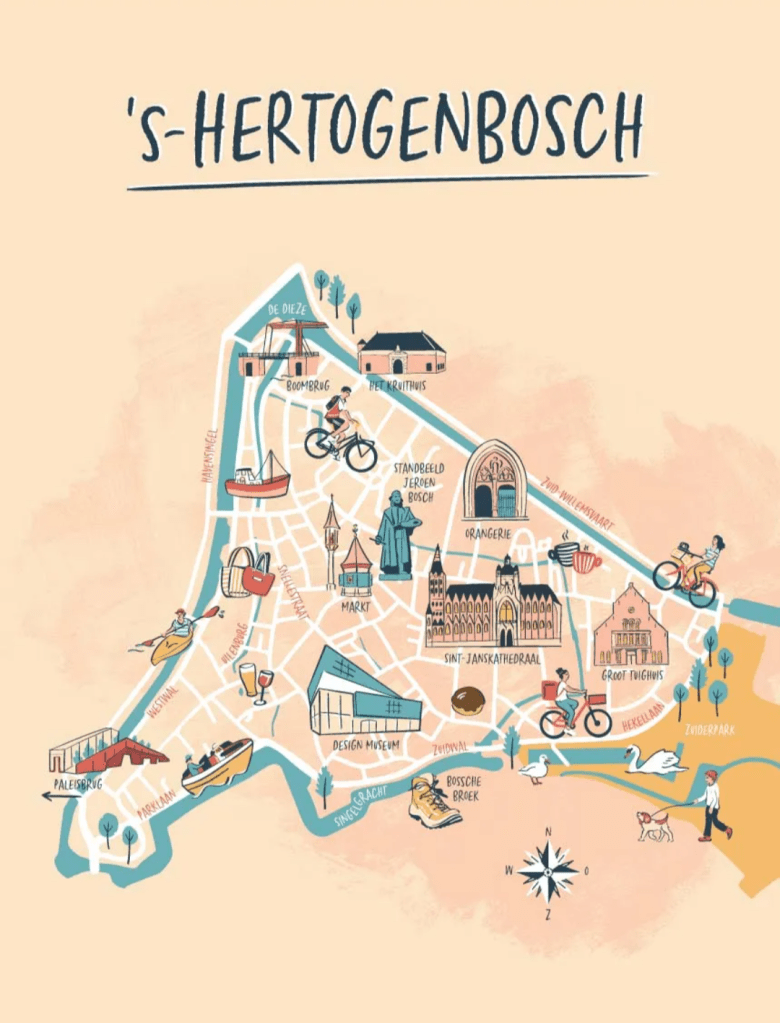
I liked this simplified version of the town
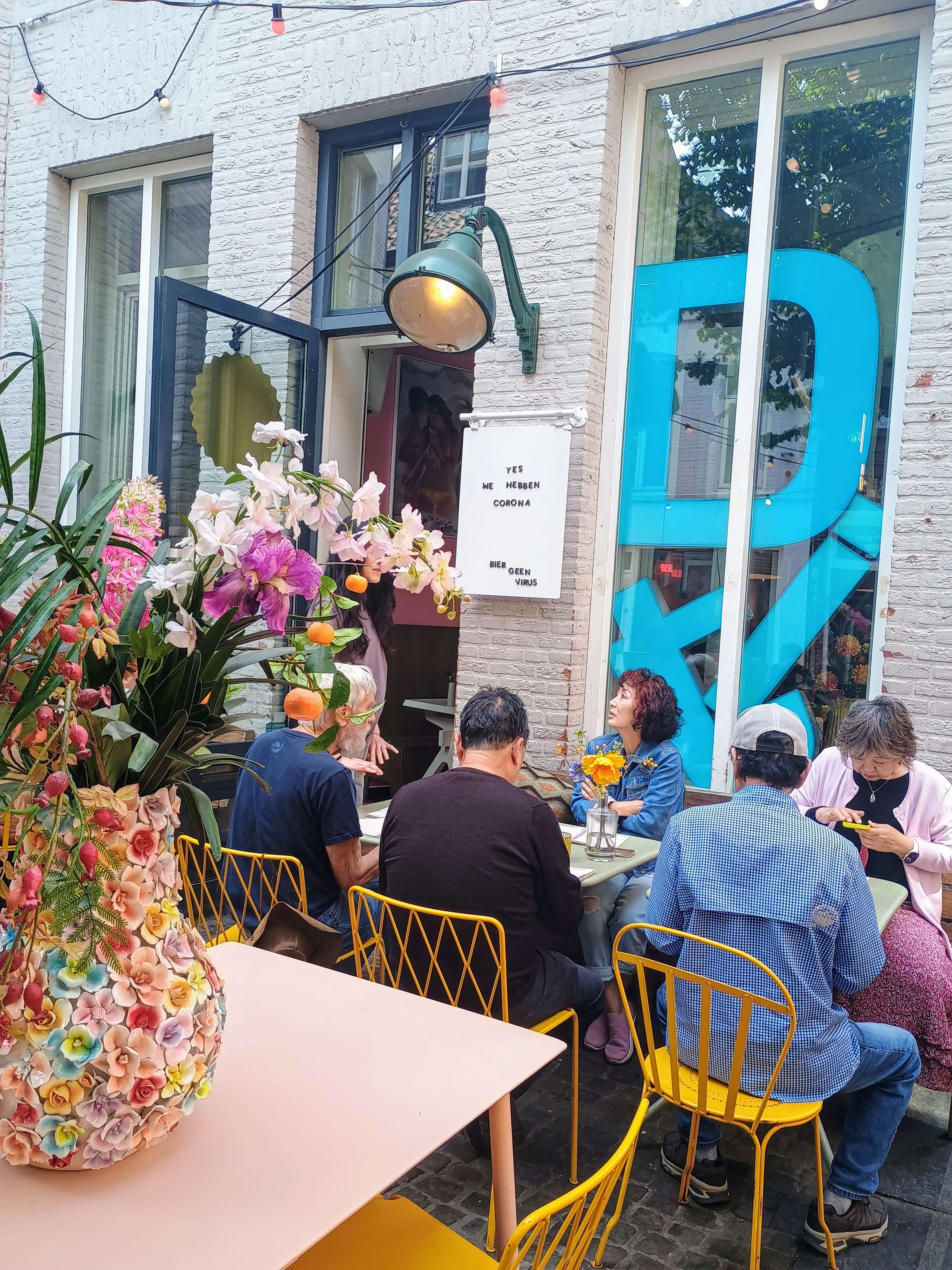
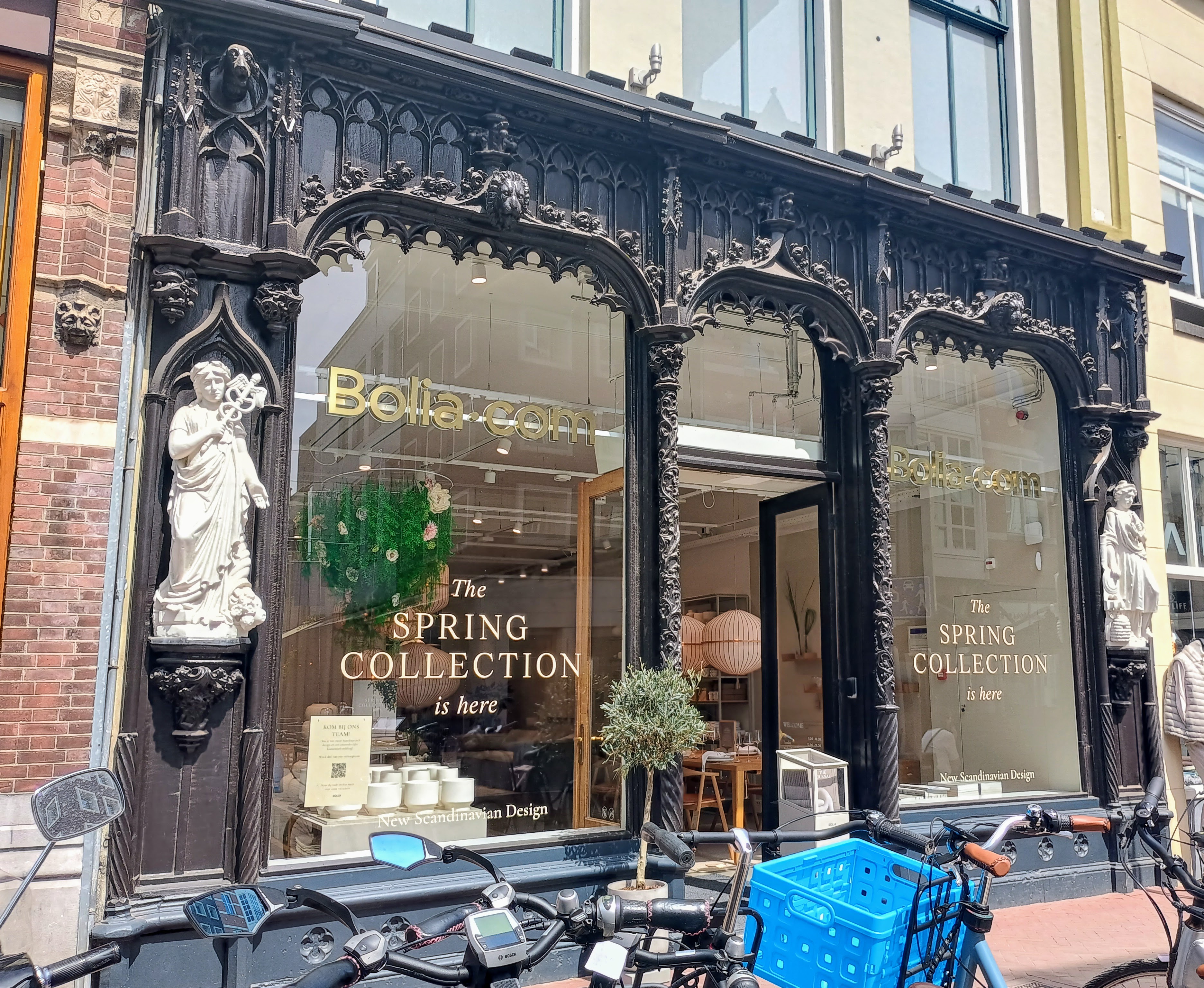
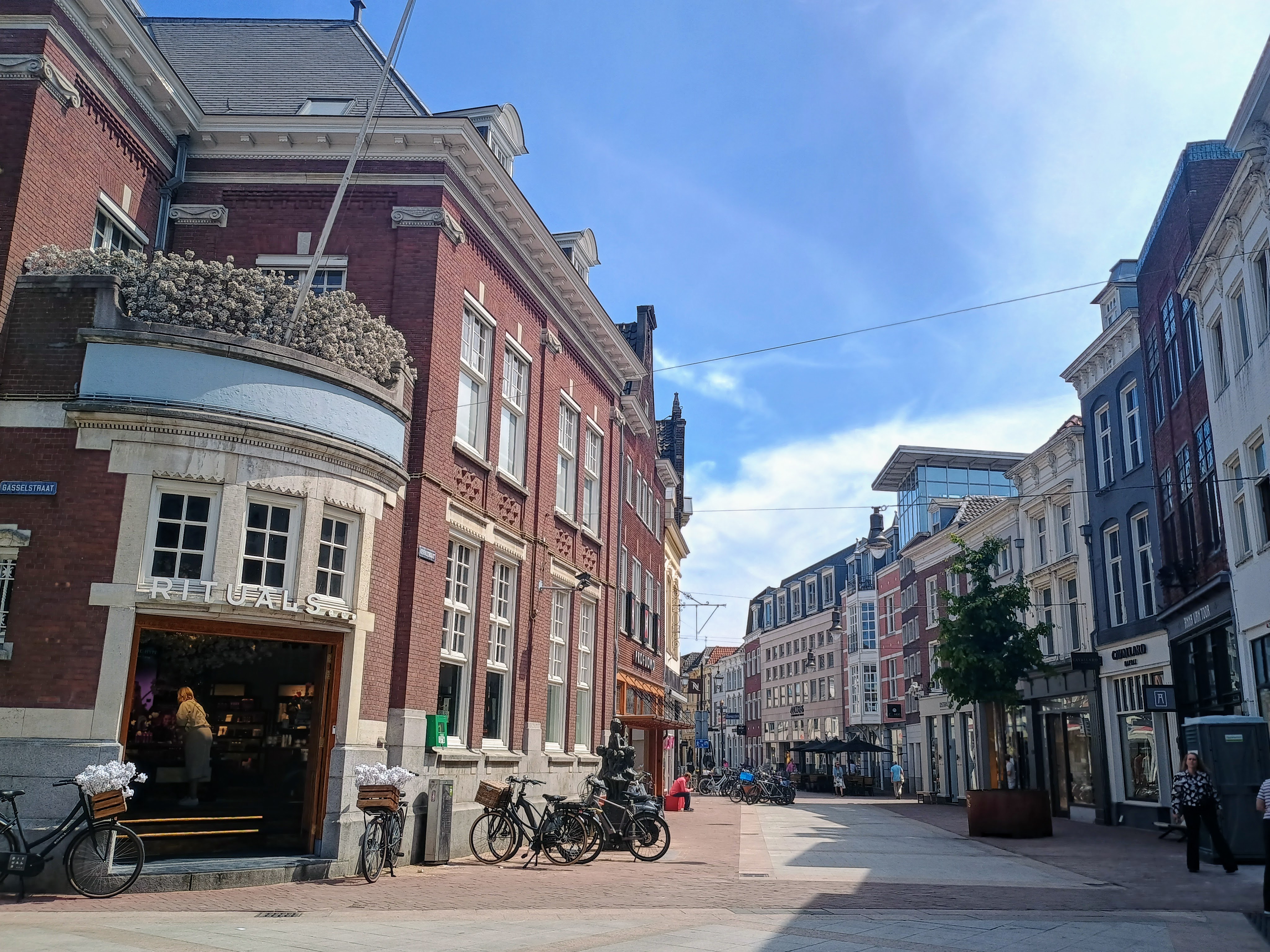
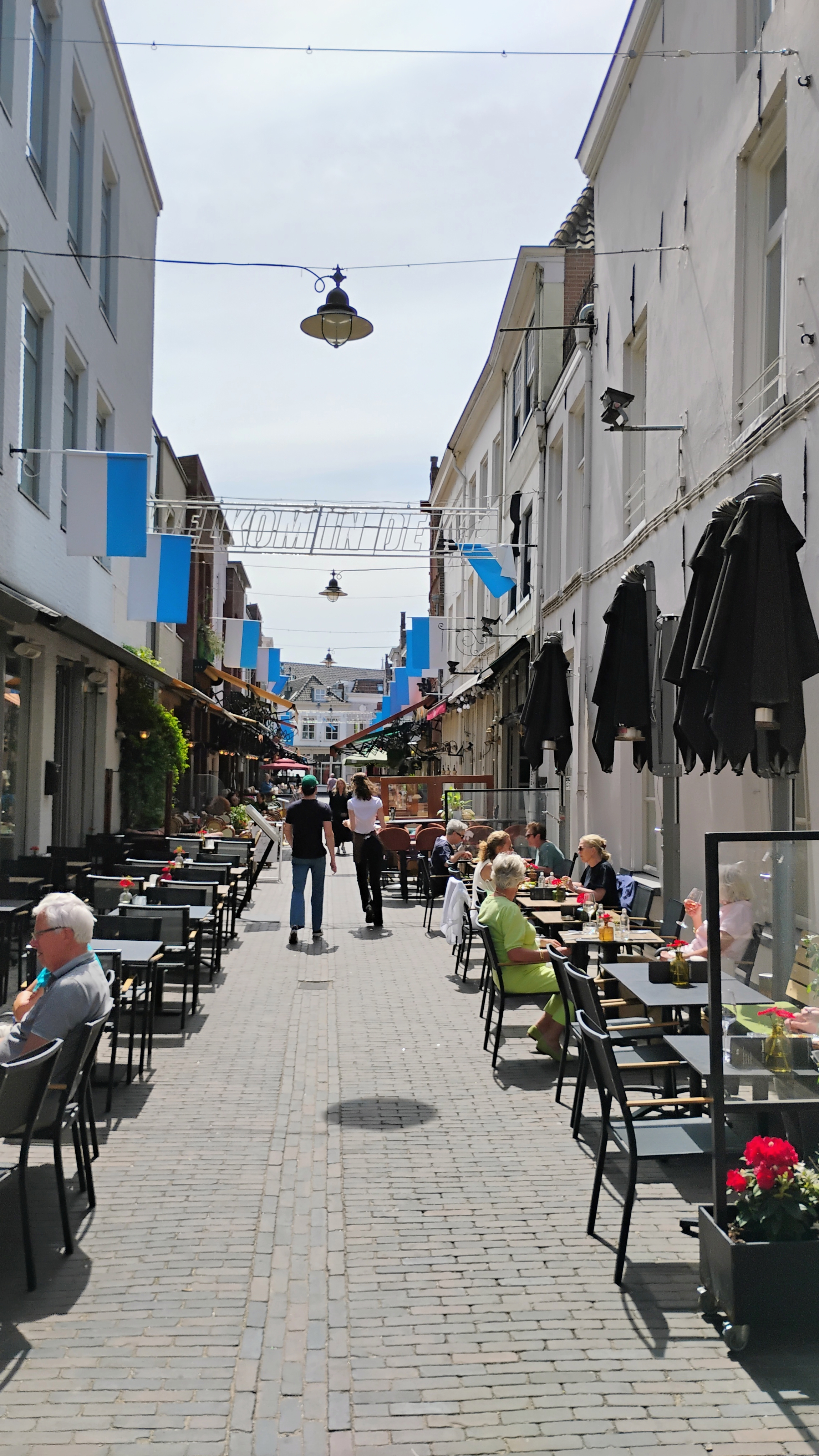
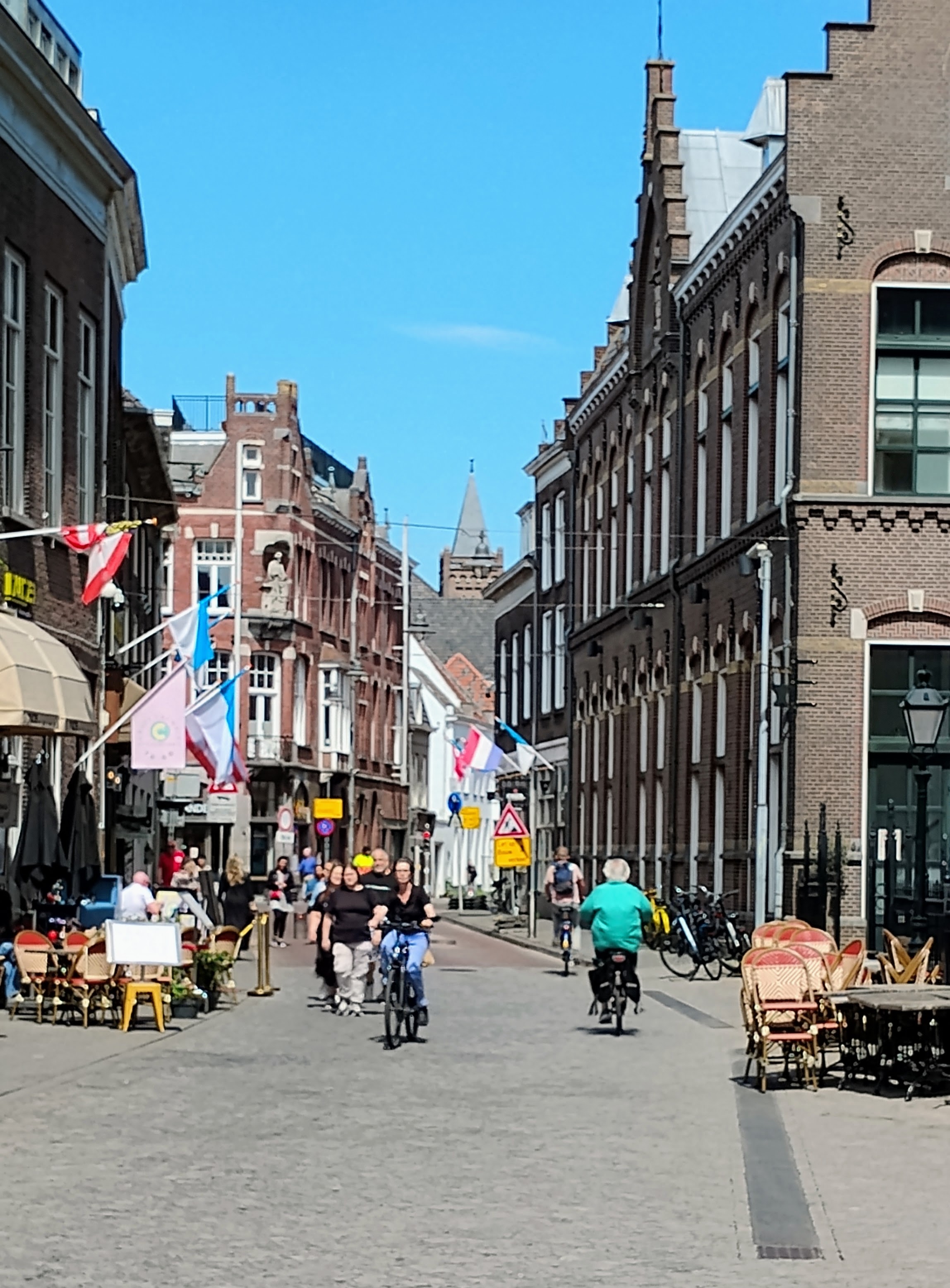
After leaving the car in a public lot whose meter we could not read, we went straight to a lunch spot. On the way there, the alleyways, filled with charming old houses, greeted us. “Oh, I like this place,” we were all saying.
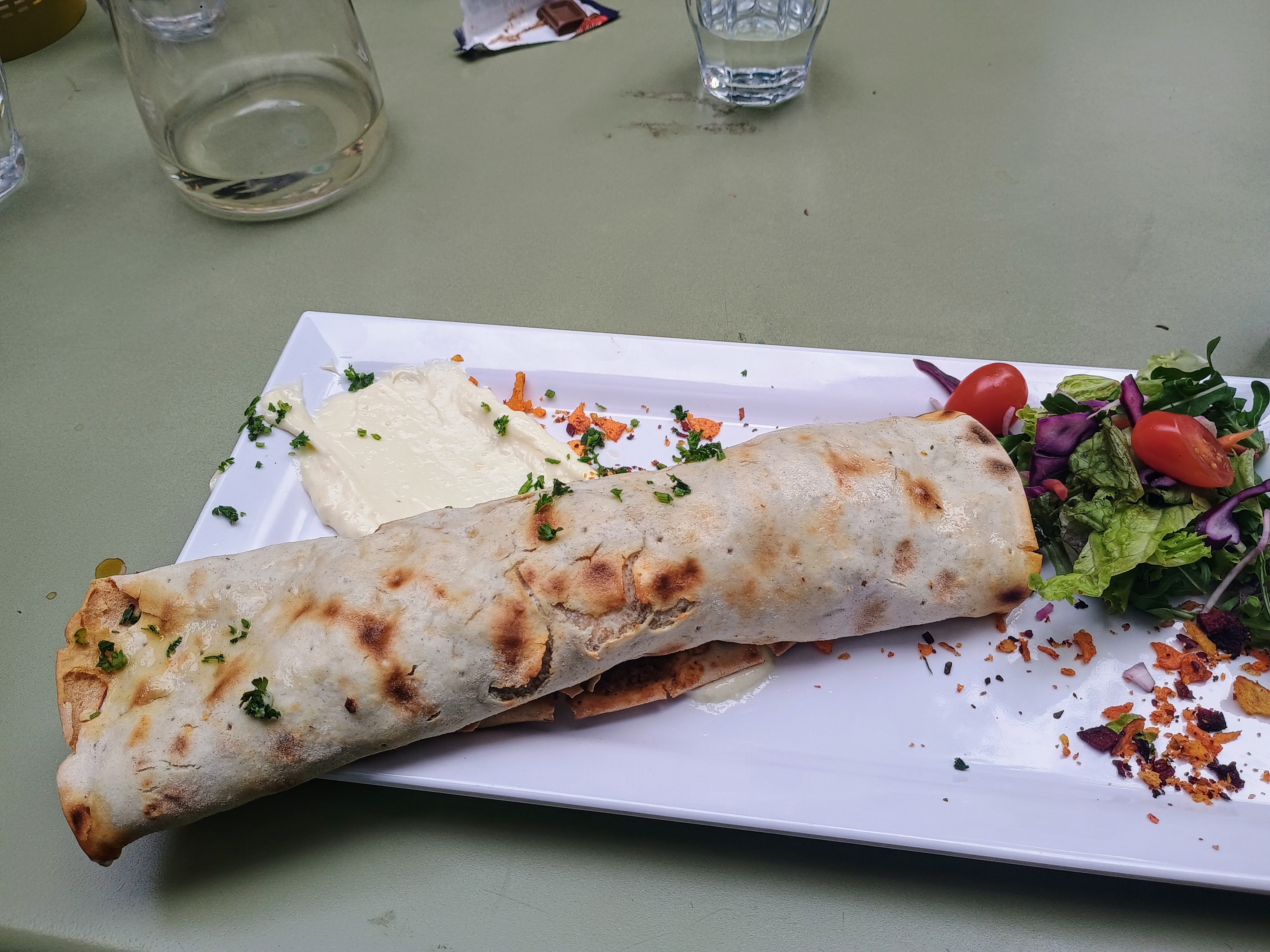
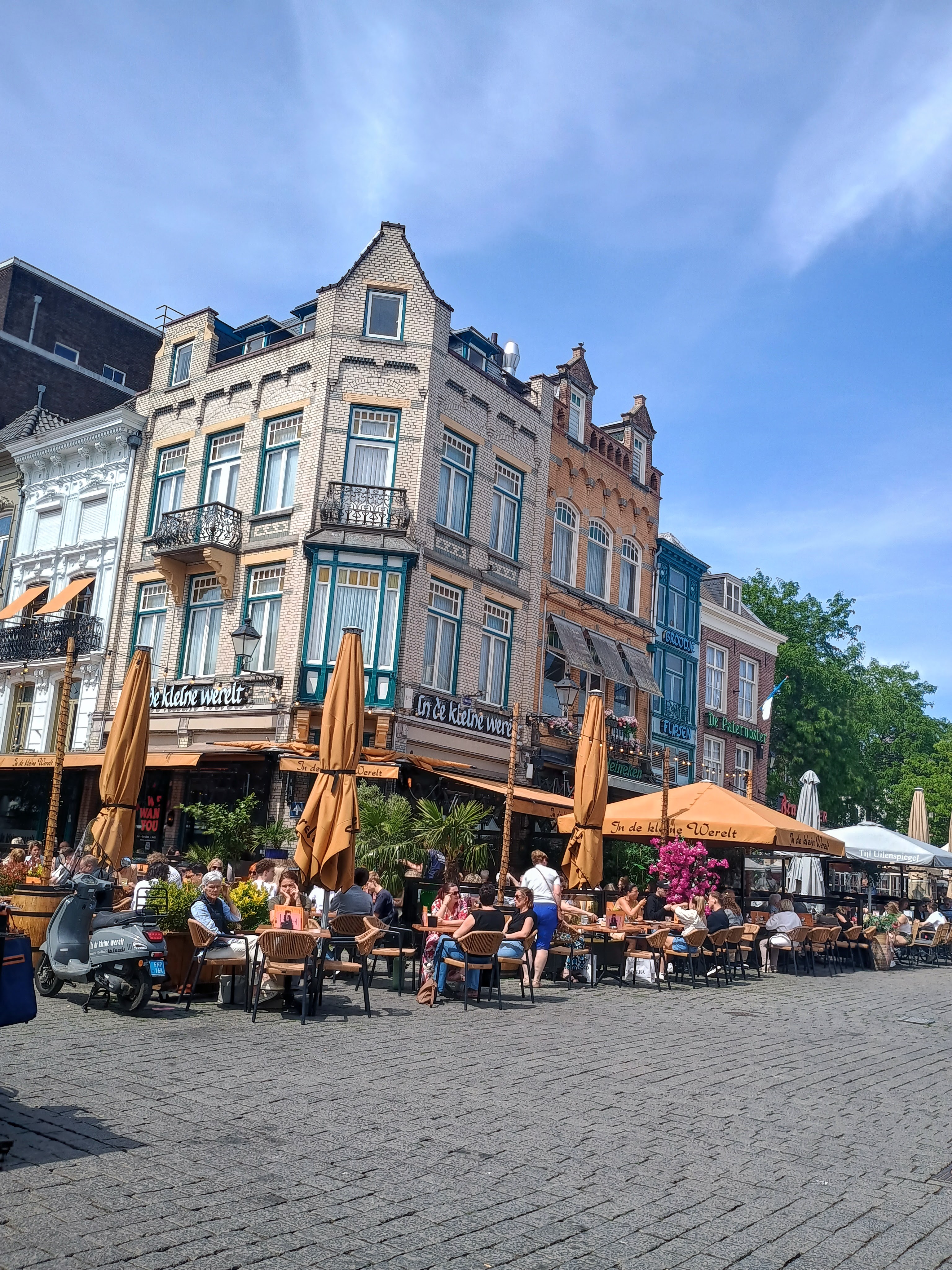
The lunch was just right for that moment.A well preserved Medieval town, can you tell?The Market Square was busy.The City HallAnd the star of the town: St. John Cathedral
It took about 300 years to finish building this church: from 1220 to 1529.
Simply exquisite You can see the church from all different angles
We were content just walking around, taking it all in. We didn’t do any tourist stuff such as the canal boats, the museums, or the old fortress.
By the way, we escaped despite the un-fed parking meter. We had really wanted to pay, though, for peace of mind.
















 Small Wide World