Guayaquil (Ecuador): 2 Full Days

September 2022

Guayaquil (population: 2 million) was a nice surprise. We went there because it was included in the tour package we bought for Ecuador and had no expectation of any kind. We had no idea it was the biggest city in Ecuador (population: 18 million) because we just assumed the capital city of Quito would be the biggest.

Our itinerary covered Quito, Amazon Rain forest, Galapagos, then, Guayaquil.

Can’t really talk about Guayaquil without talking about Guayas River.
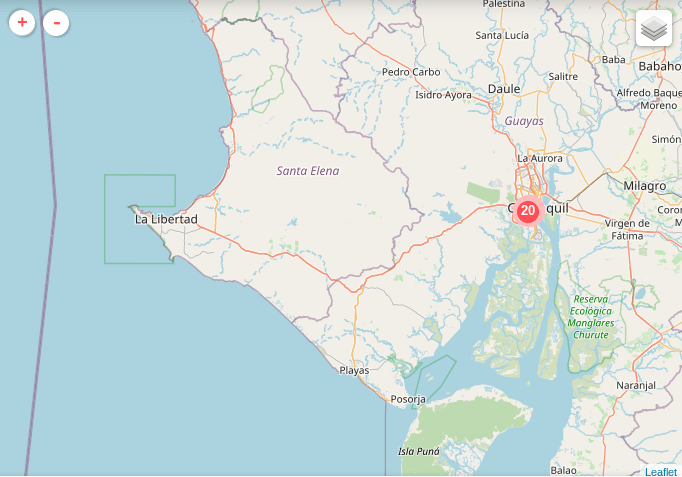
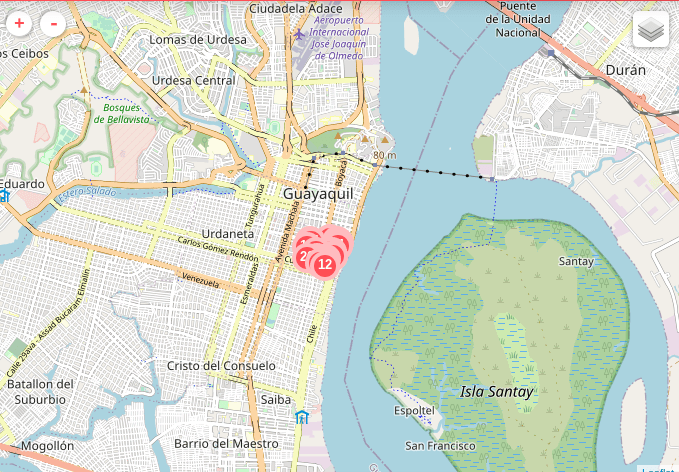
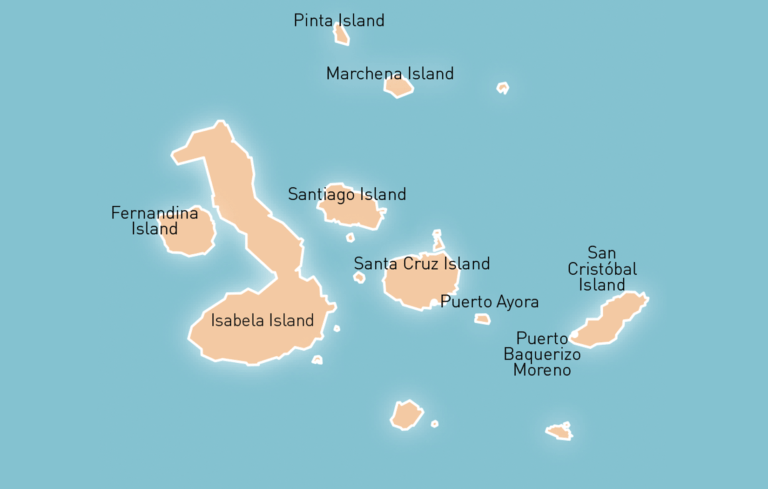
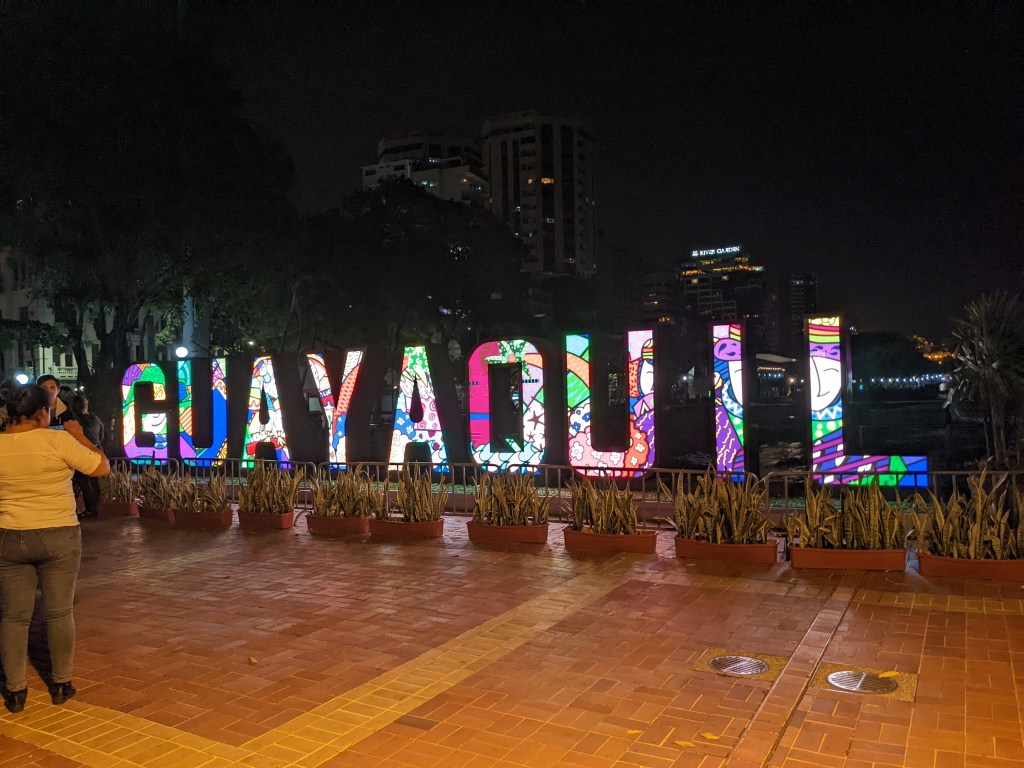
By the time we arrived from Galapagos and checked into the River Garden Hotel right across from one of the entrances to the 2.5 Km long riverside boardwalk called Malecon 2000, it was late in the afternoon. We got a walking tour of the city so that the next day we would be able to navigate our way while we were on our own on a free day. As you can see on the maps above, most of the attractions are concentrated in downtown and within 5-15 minute walking distance from our hotel.

Guayaquil’s port handles 90% of Ecuador’s imports and 50% of exports. Bananas, coffee, cacao beans go out to the world from here, and the remnants of the old warehouses can be seen in the city even though the modern port is 6 miles downstream. Earthquakes and fires destroyed most of the original colonial structures built by the Spaniards in 1500’s.

The highlight of the evening was the park where hundreds of land iguanas lived right in front of the Cathedral. These iguanas sleep on tree branches at night. From this park, the city hall was just a few blocks away. We walked over to the Malecon 2000 and walked north toward the hotel. Our guide explained Guayaquil had gone through a very successful urban renewal, and, this promenade was one of the outcomes.
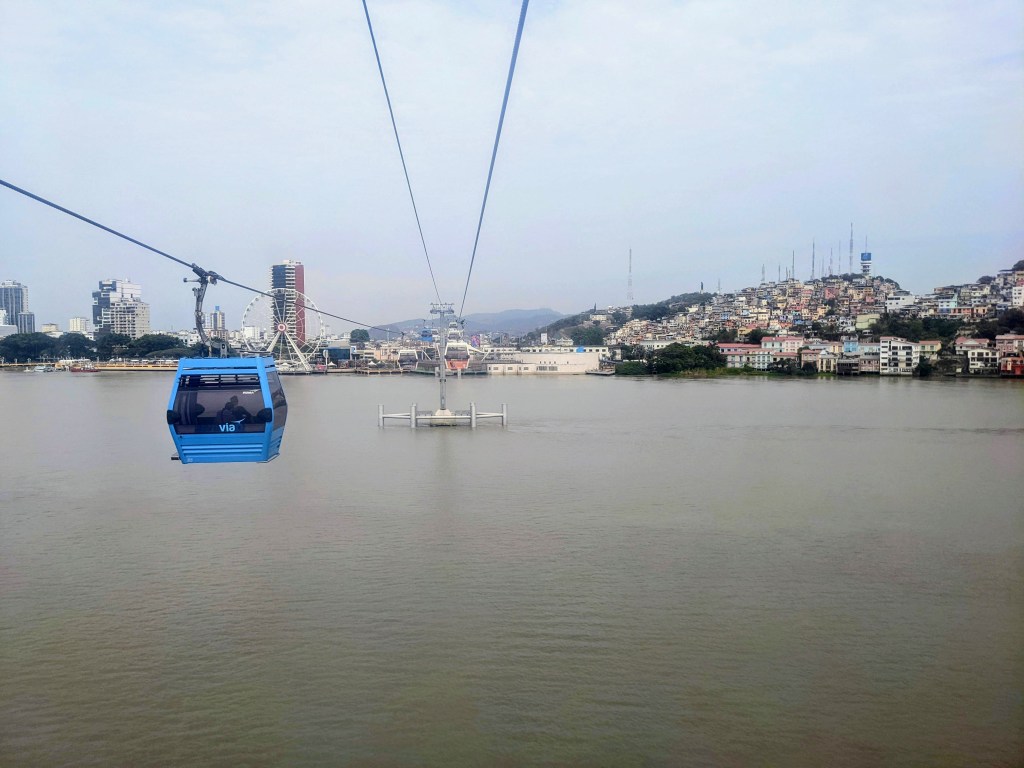
After a satisfying breakfast provided at the hotel the next morning, we went a few blocks north and got on the cable car toward Duran, a town across the river from downtown Guayaquil as you can see on map B above. This cable car was part of the public transportation system, thus, it cost only 70 cents per ride (35 cents for children and seniors). and, you get the best view of the river and the city. There was not much else to see at Duran Station after witnessing the panoramic river view, so, we got back on the cable car and went opposite direction all the way to the end at Parque del Centenario Station. The cable car route in downtown was making an interesting turn over the cityscape once we crossed the river.
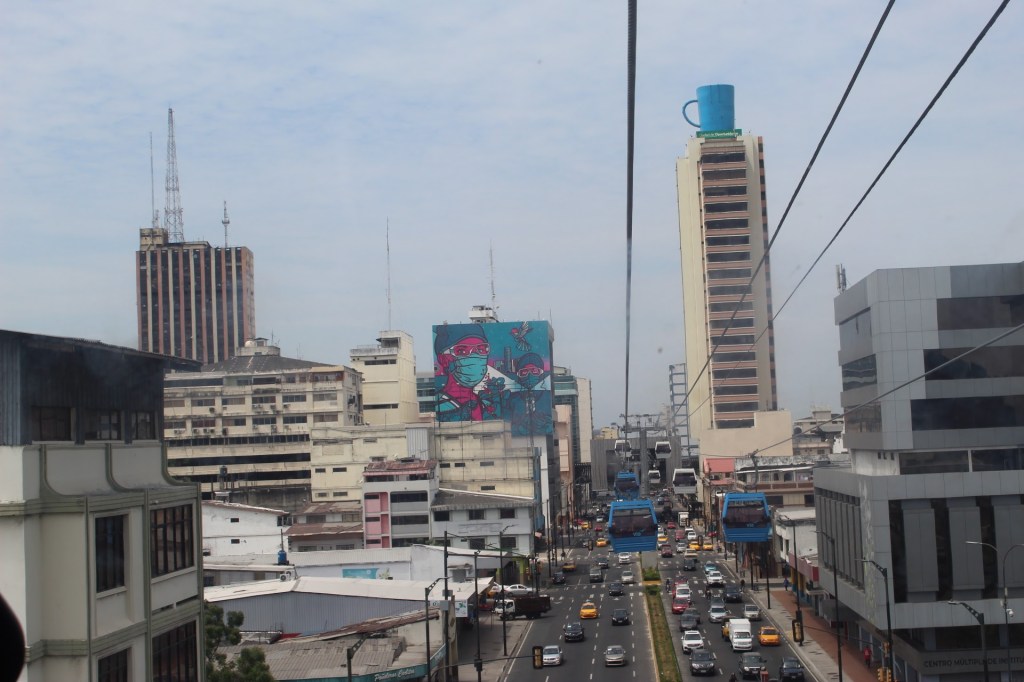
The Cetenario Station was right next to Centenario Park where an independence monument is standing. (map) Exiting the park through the eastern gate, we came to 9 de Octubre Street, one of the major shopping streets of the city. We kept walking 4-5 blocks & turned right onto Chimborazo Street, and, in 4-5 blocks, we found the Seminario Park, also known as the Iguana Park that we visited the night before. The park ground was full of iguanas. Unlike in Galapagos, kids were touching or running after these animals.

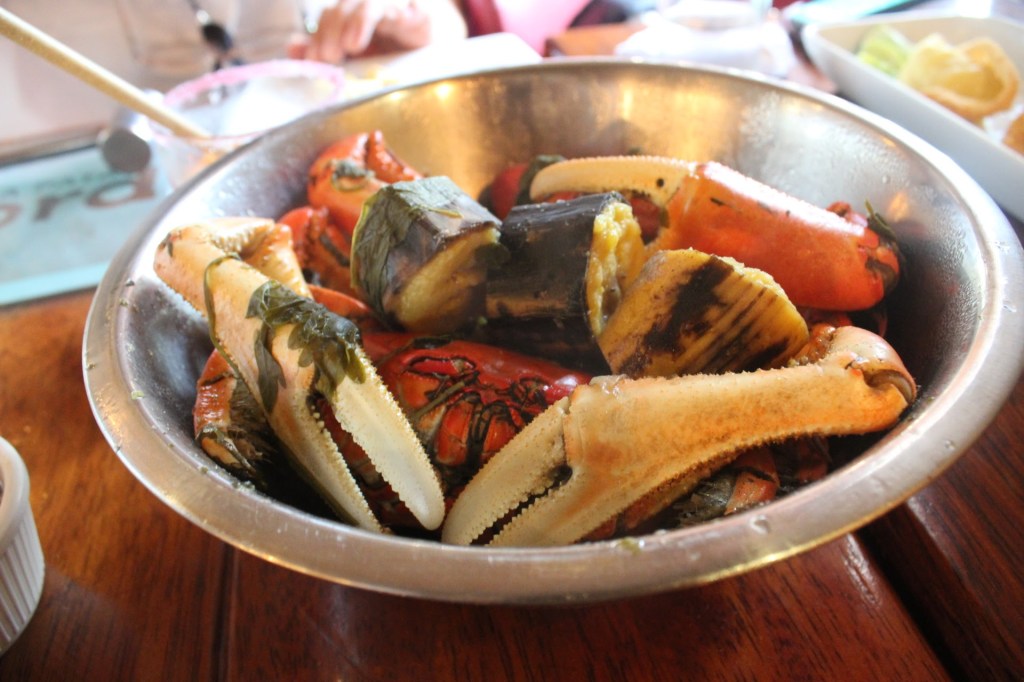
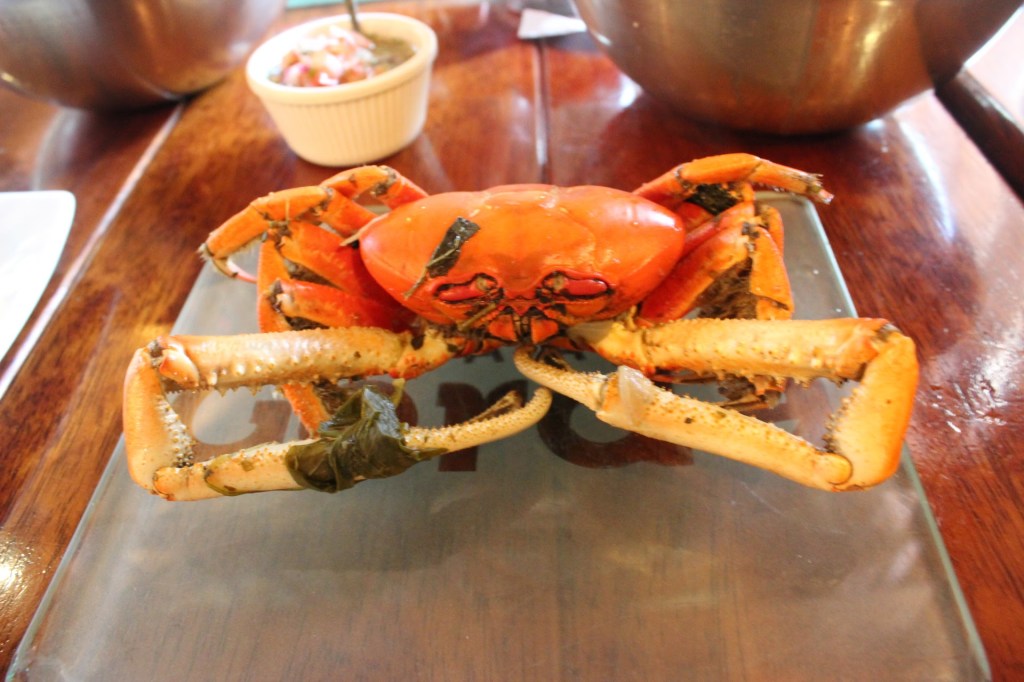
We stuck our heads in the Cathedral for a few minutes, then we headed to our lunch spot, La Pata Gorda, a sea food restaurant specializing in crabs which had been recommended by our guide the night before. This was apparently a very popular restaurant with many different branches around town, and, the one we visited was right next to the iguana park. We got a feast with crabs ($11.50 for 3 crabs), an appetizer, and cocktails (daily special 2 for 1) for way under $20 per person.
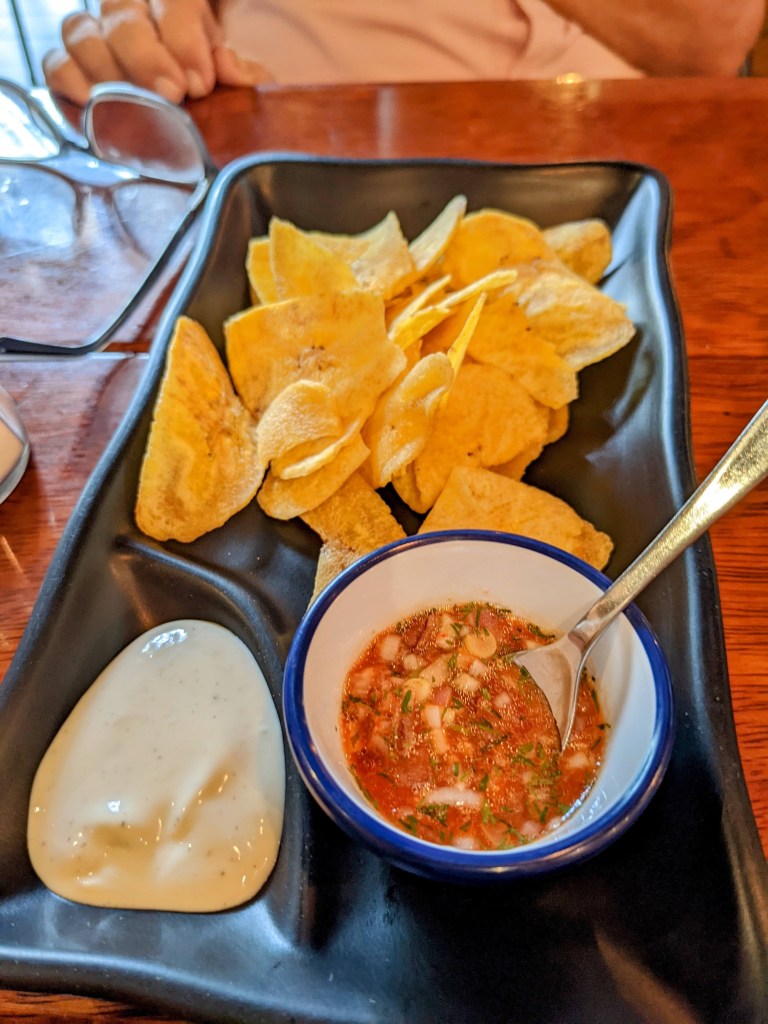
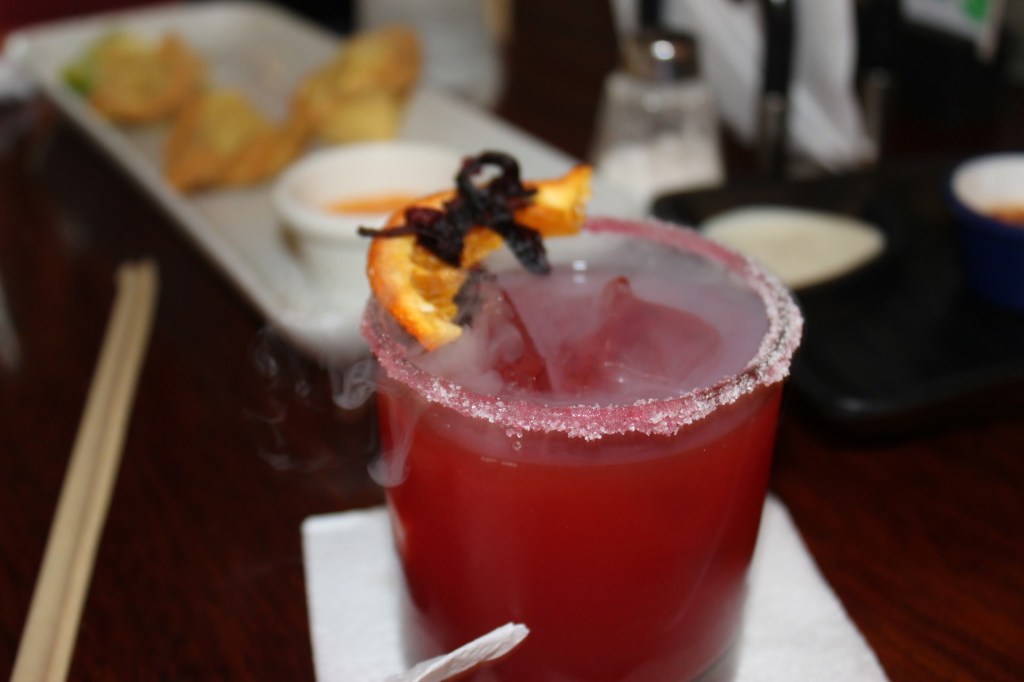
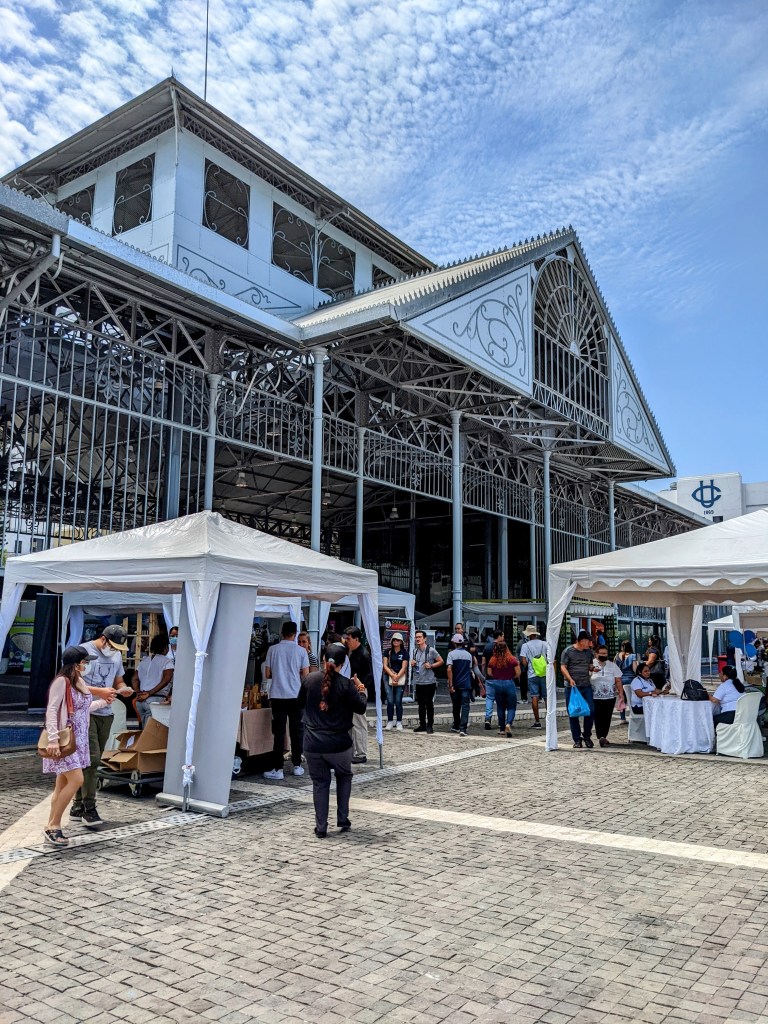
We continued our walk to the city hall area and to Malecon 2000, then walked south. There was an air-conditioned indoor shopping center along the way and it was a nice retreat from the heat of the day outside. At the southern end of this boardwalk was an old market building designed by a team supervised by Gustave Eiffel of Eiffel Tower fame, Crystal Palace, which is now a convention center pictured below.
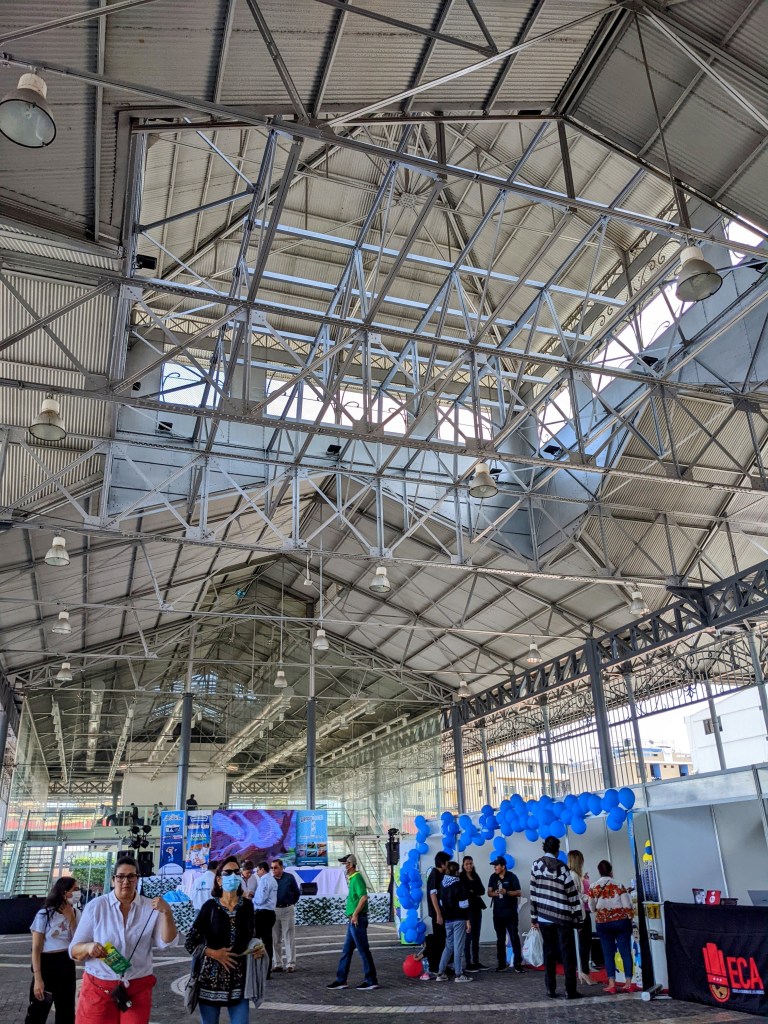
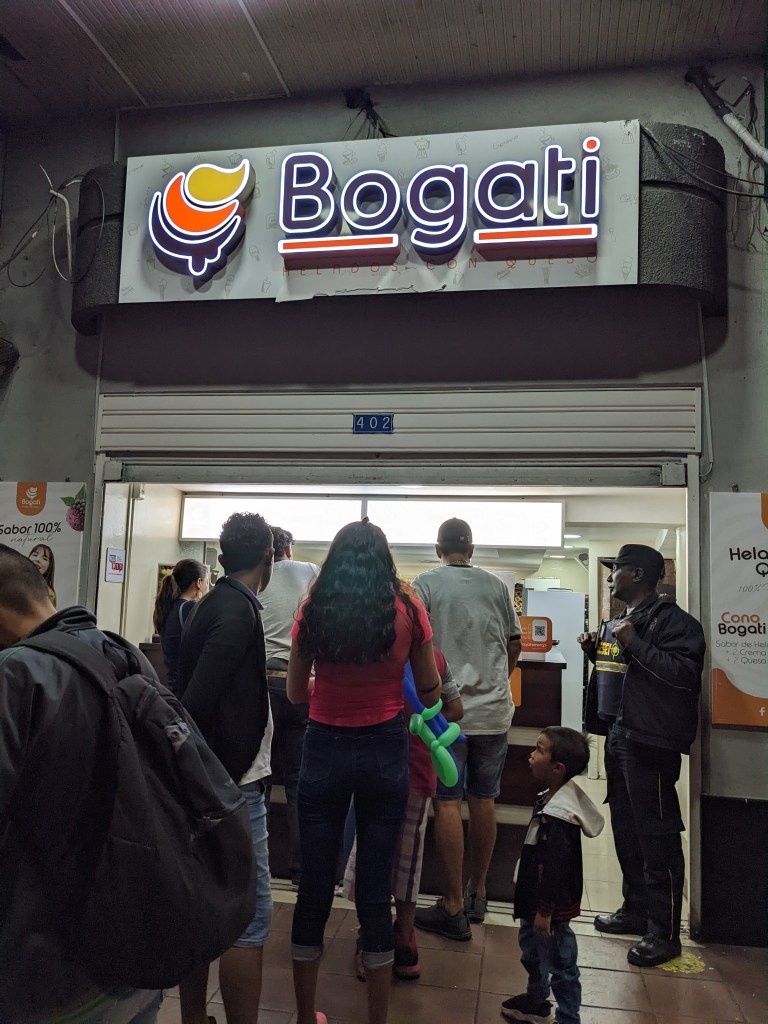
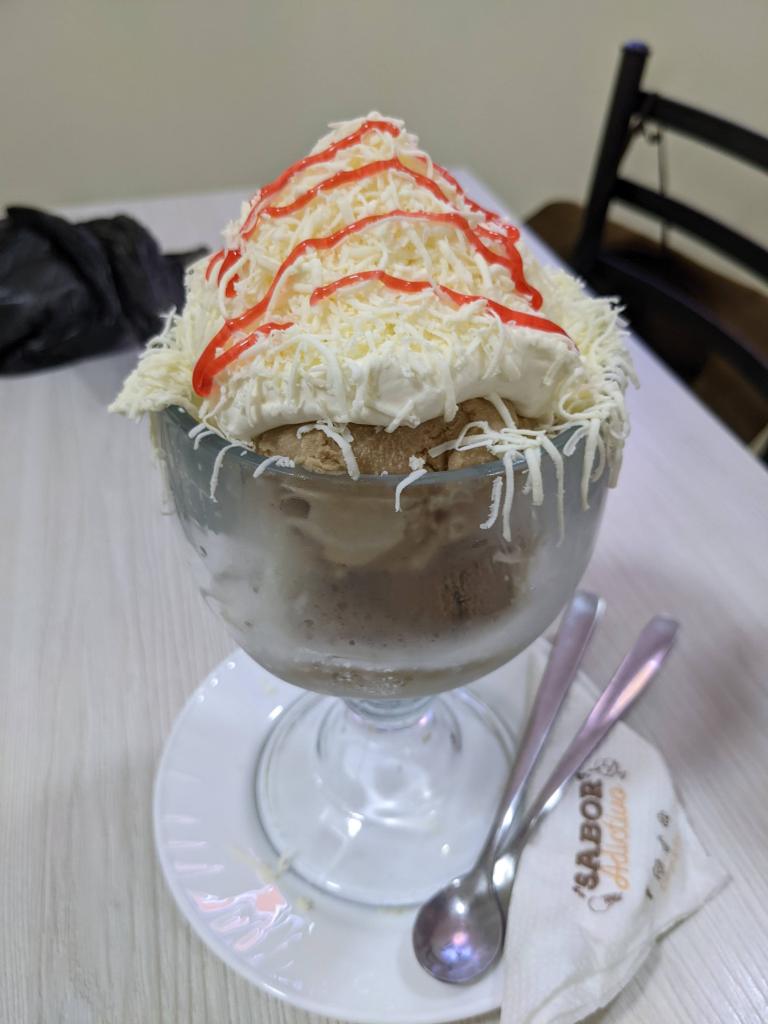
We were too tired to walk back, thus, we splurged and got on a taxi for a $2 ride back to our hotel. Our local guide had mentioned beef steak as another food item we had to try in Guayaquil, thus, we went to a steak place near the hotel but were not impressed. (However, some people in our tour group had gone to a steak house and found it great.) One place we had become interested in during the walking tour previous night was an ice creme shop that sold shaved cheese ice creme. There was a long line the first night and there still was a long line when we went back there to try. The idea was interesting, but, we were not convinced the cheese topping improved the taste of ice creme. Locals seemed to love it, though.
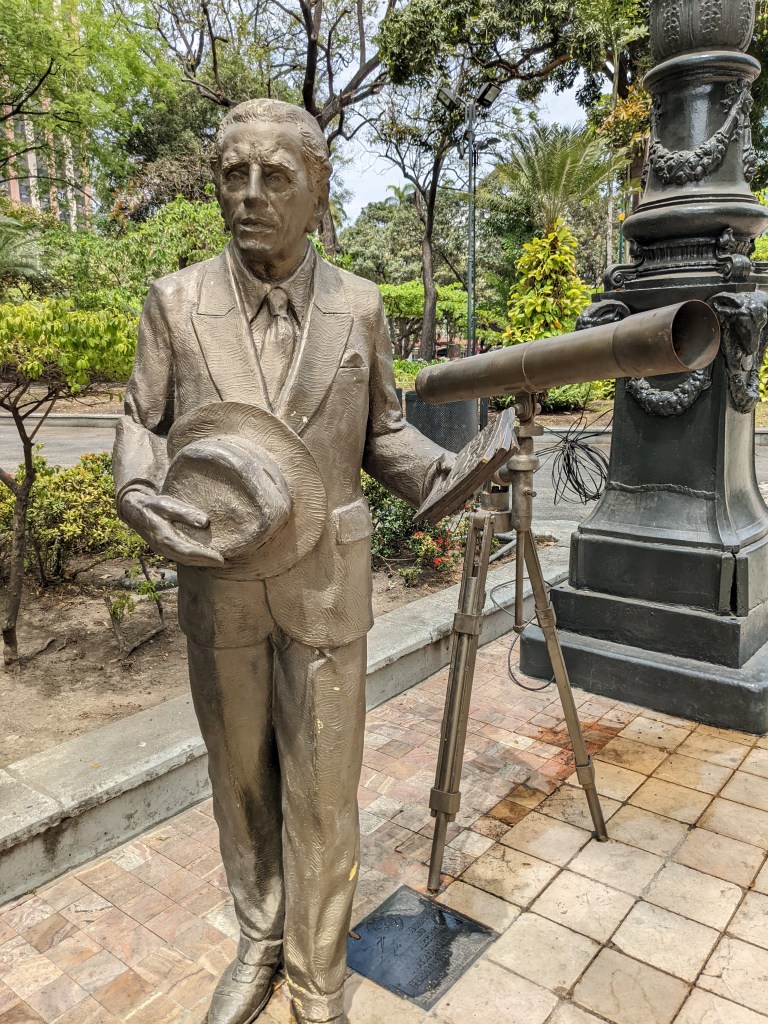
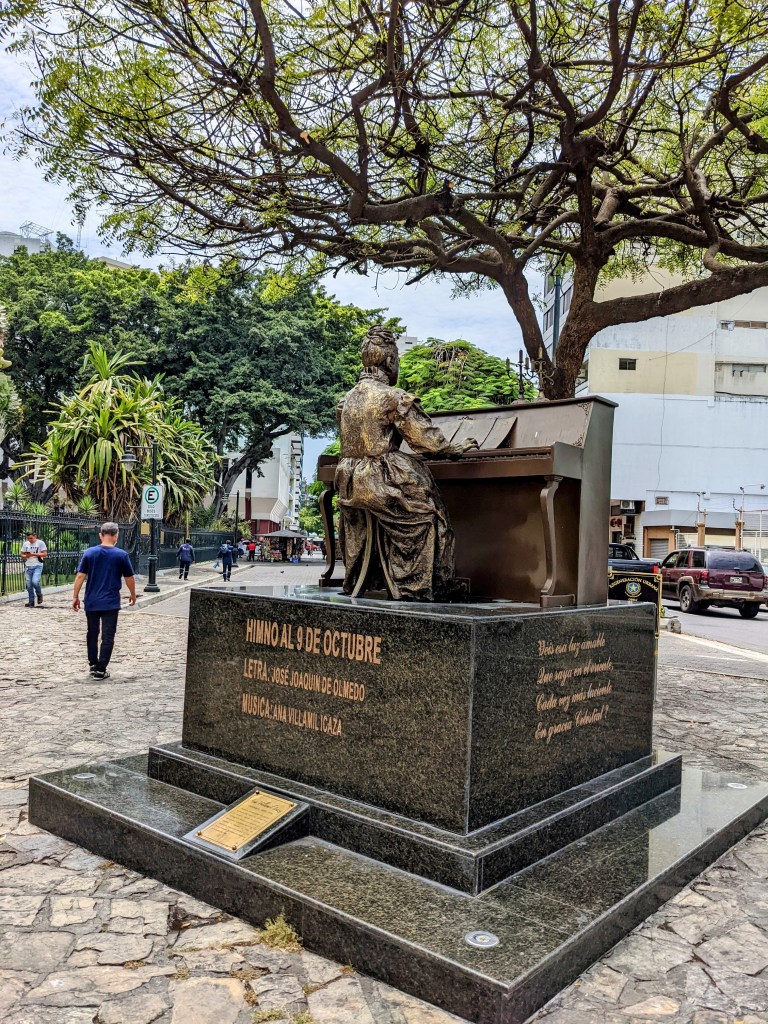
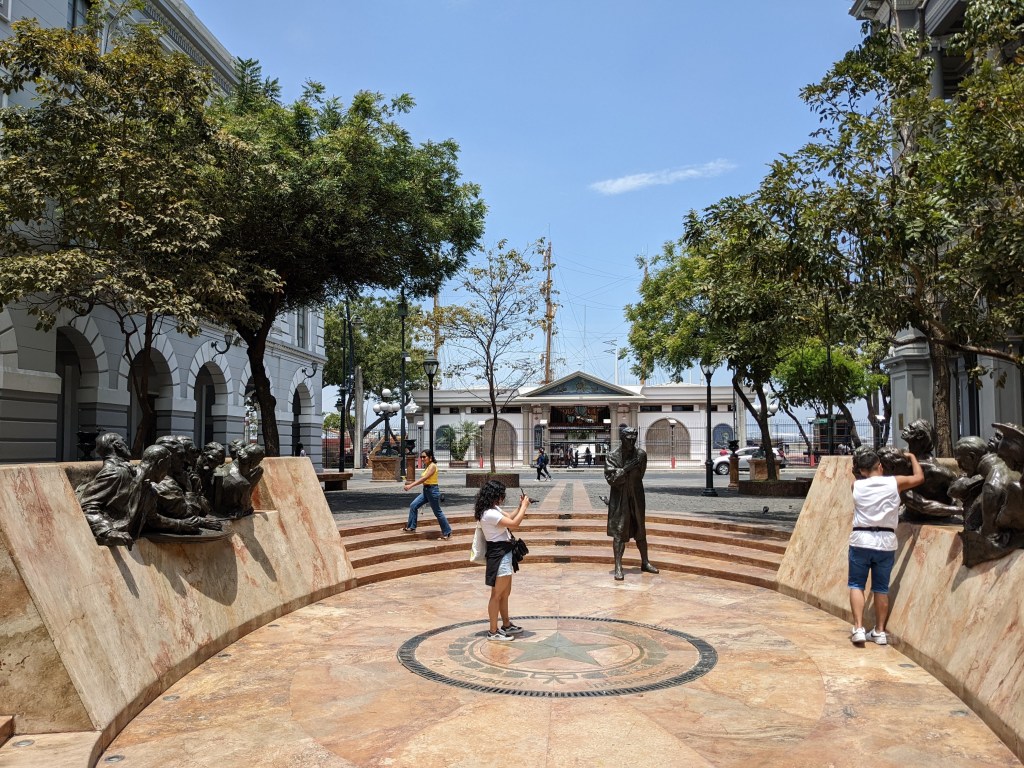
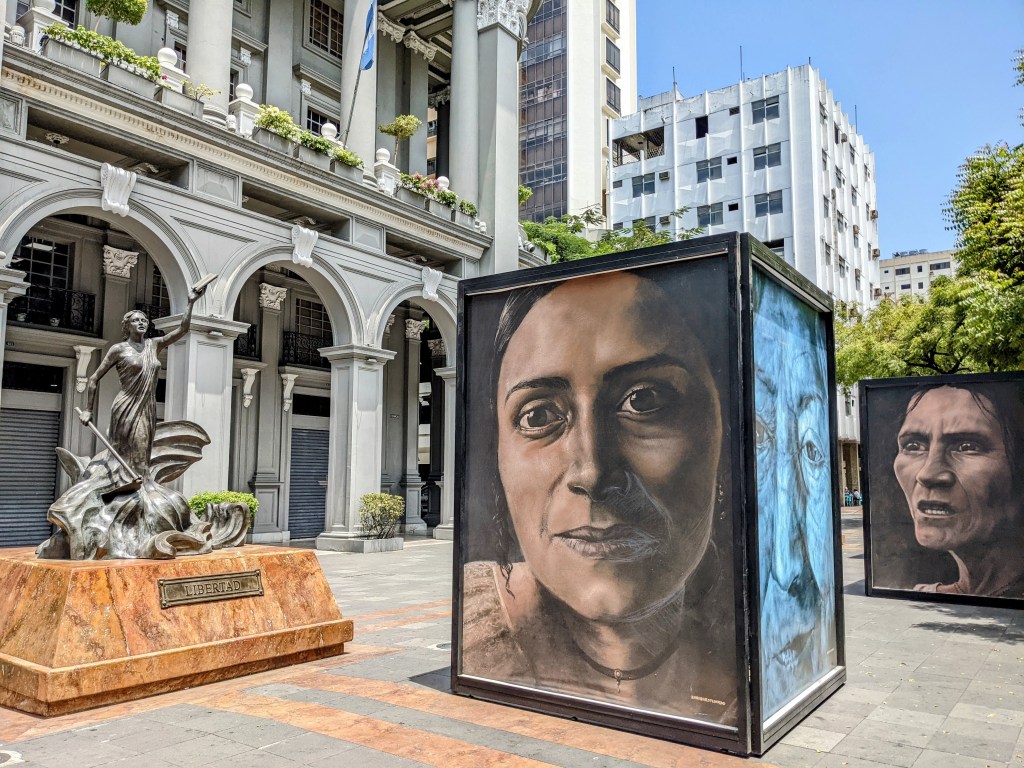
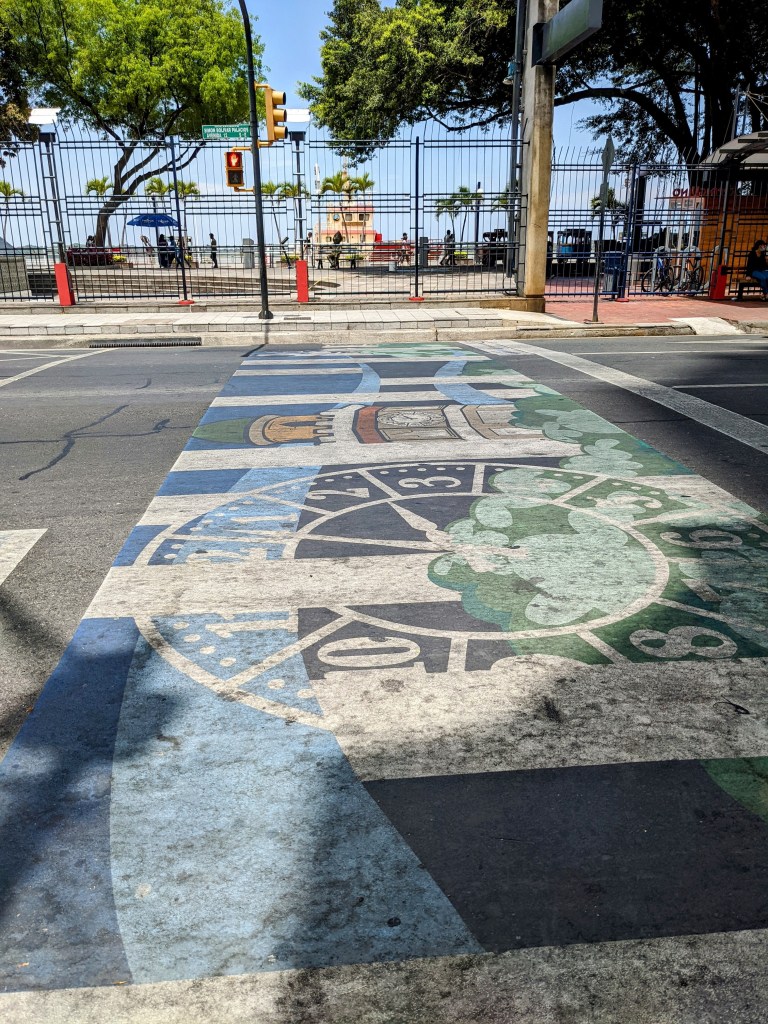
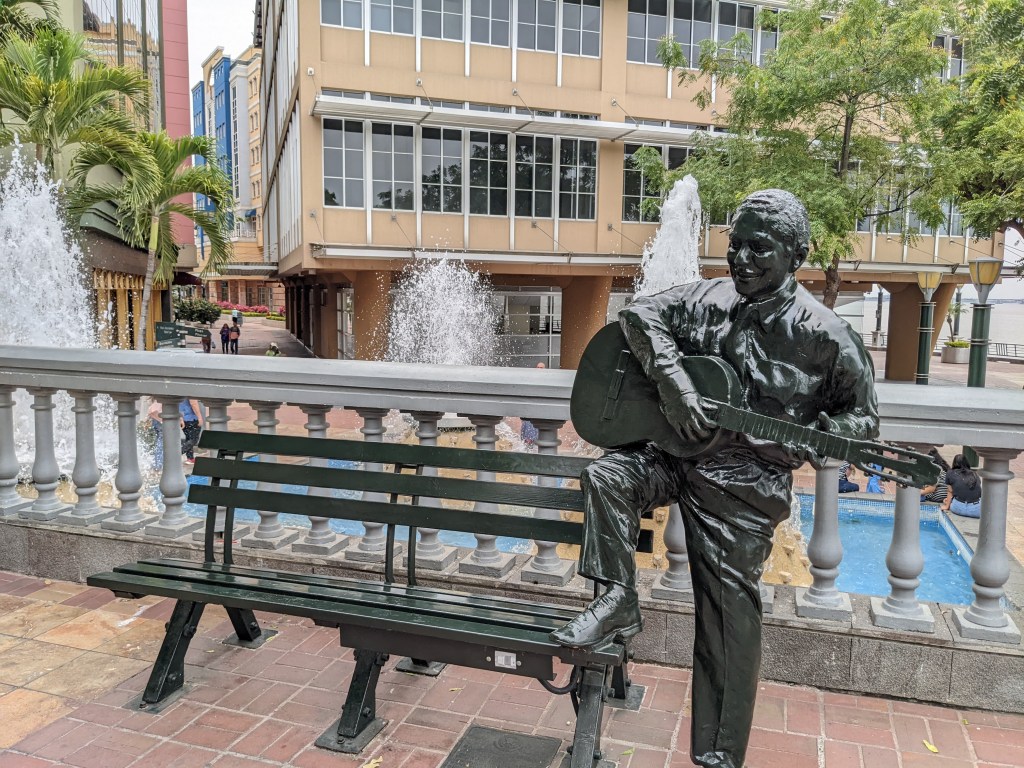
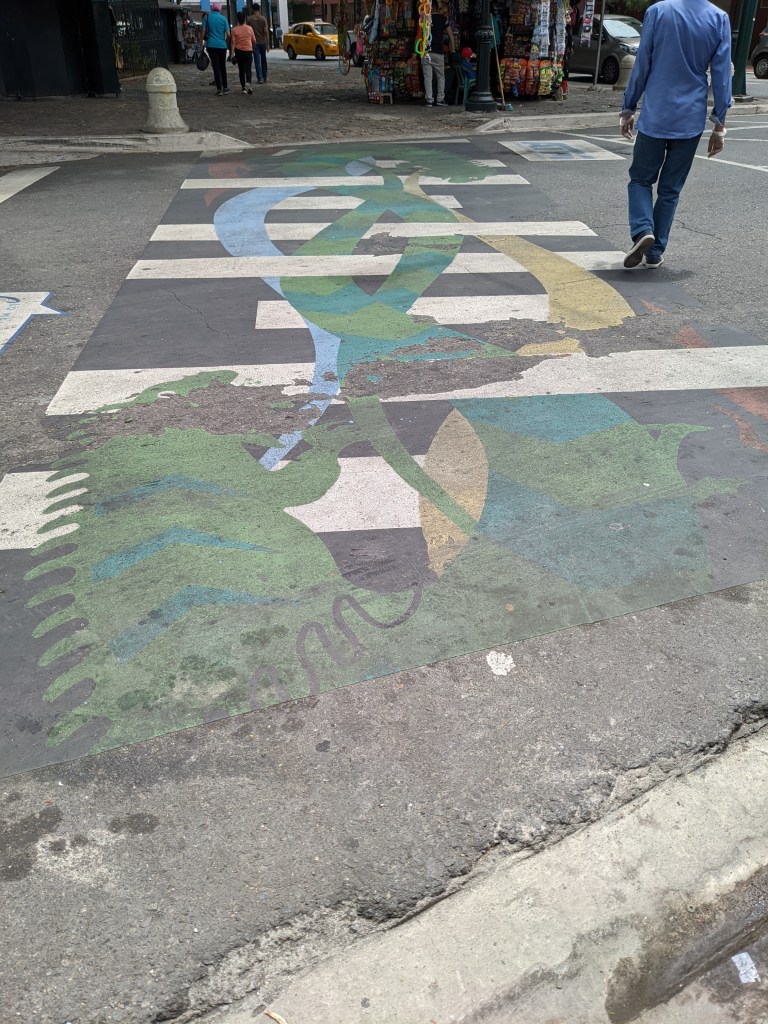
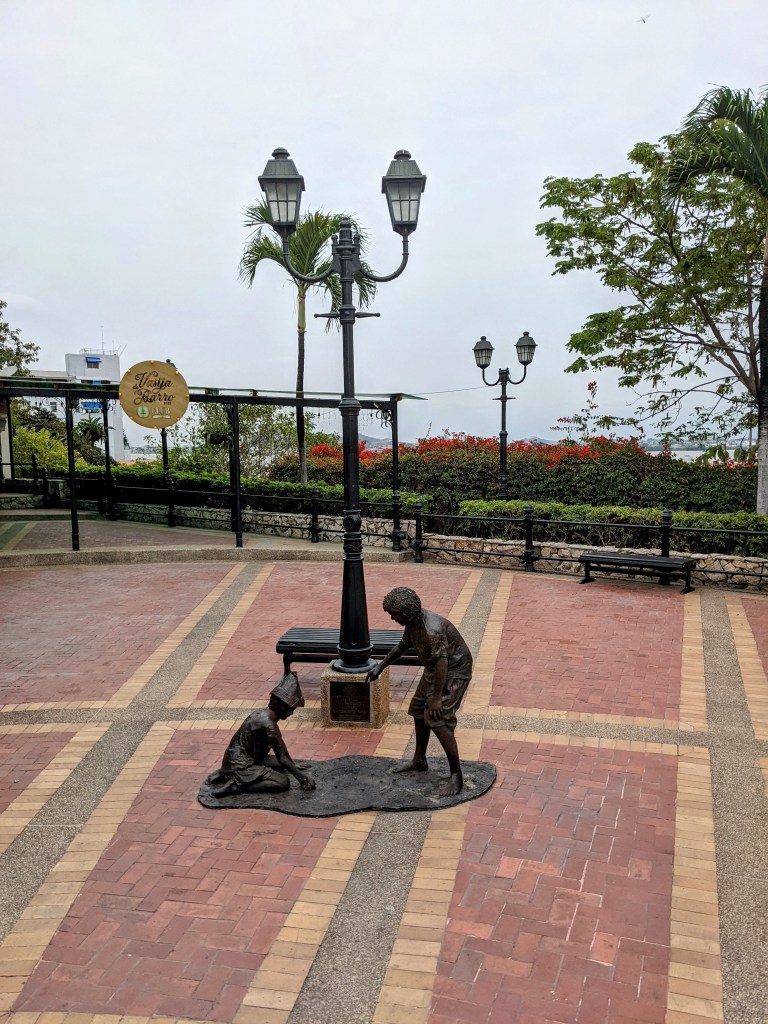
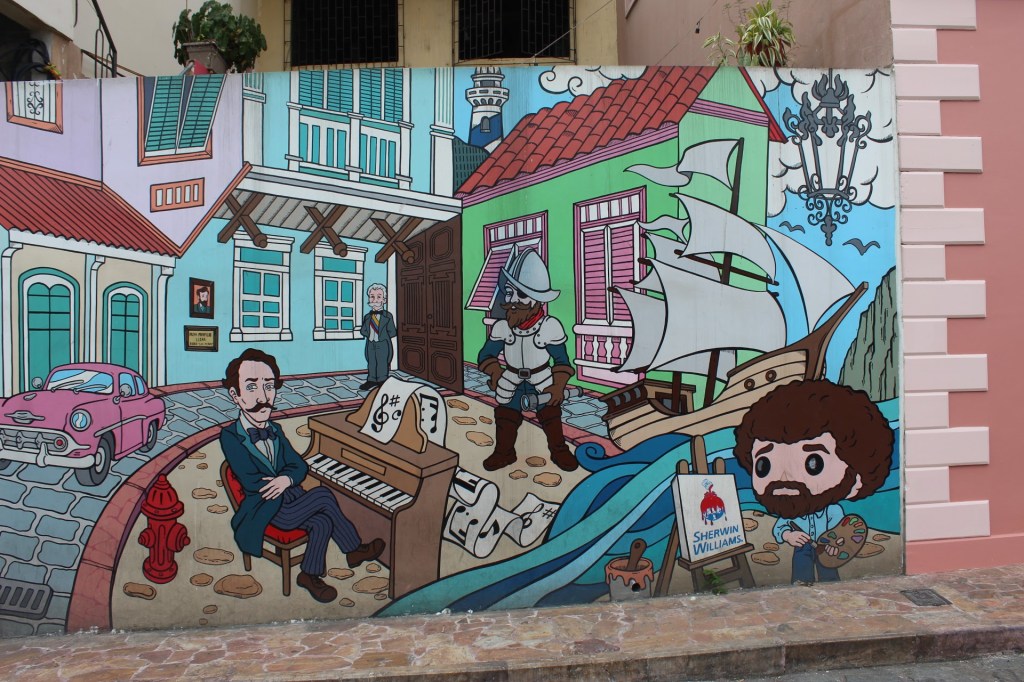
During our walk, one thing really struck us was the amount of art work all over the city. Some of the crosswalks were painted with images, important landmarks were painted on the pavement, lots of murals, and sculptures depicting all walks of life were strewn around the streets in downtown.
As you can see below, there were definitely some great meal deals around. Too bad we didn’t have time to try it.

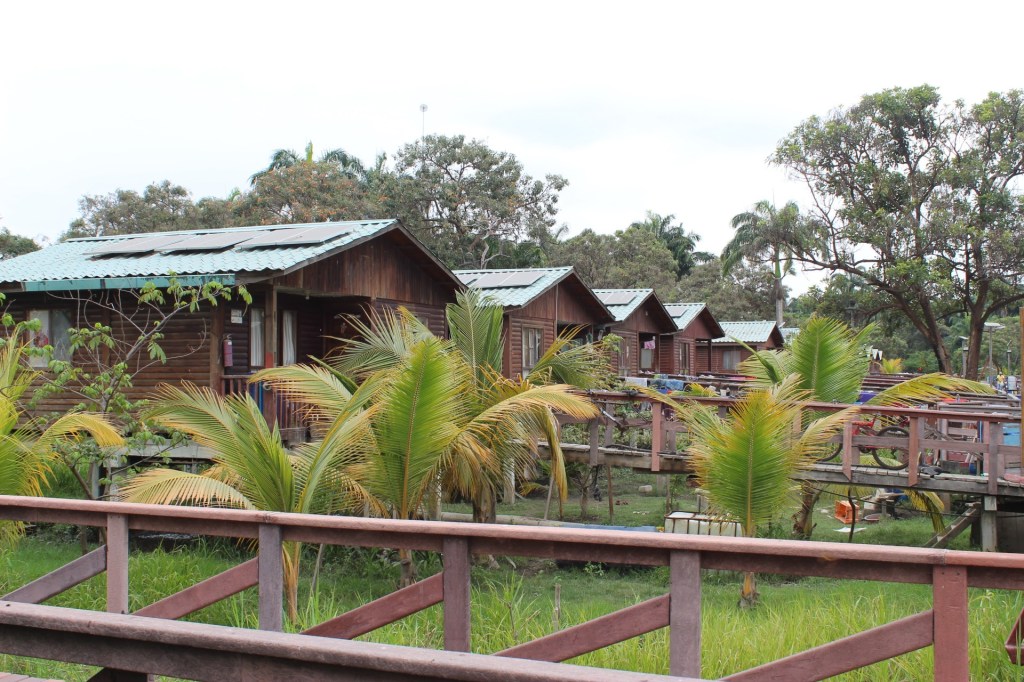
The next morning we decided to take a boat trip to Santay Island, a big island in the middle of the river (look at map B). One of the headaches they faced during the urban renewal was the dilapidated dwellings along the riverbank occupied by the indigenous people. The city successfully negotiated with them to move them to Santay and create an eco village with modern facilities on the city’s dime. Now a boat tour company has a contract with the village to bring tourists there at designated times. In September 2022, the boat left the pier right south of the ferris wheel on Malecon 2000 at 11 am and 3:30 pm on weekends.
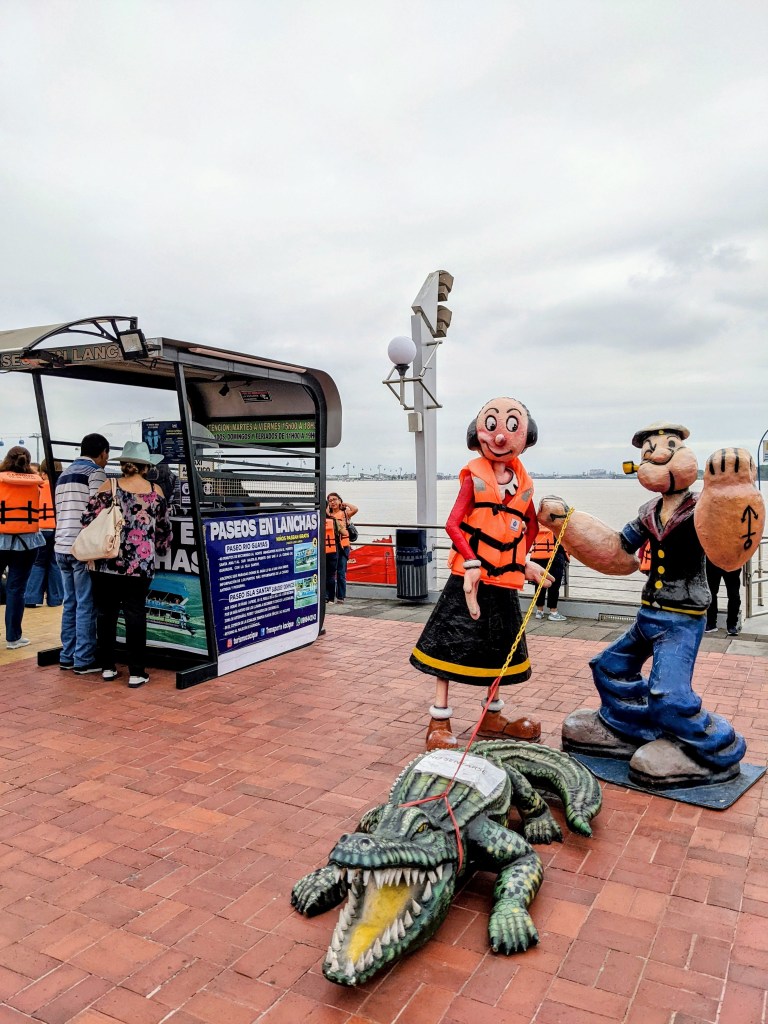
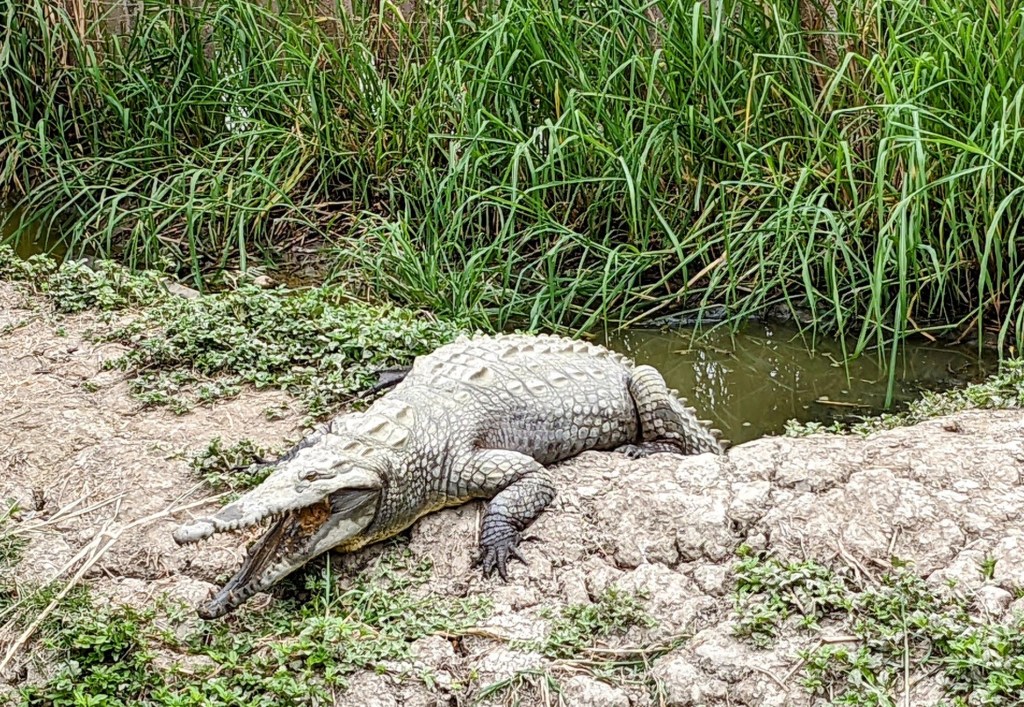
This $6 tour lasted for about 2 hours. The boat ride was about 15-20 minutes each way. When we arrived at Santay, local guides took us around. There was a crocodile farm, a cafeteria, and a small food court and a few small gift shops.
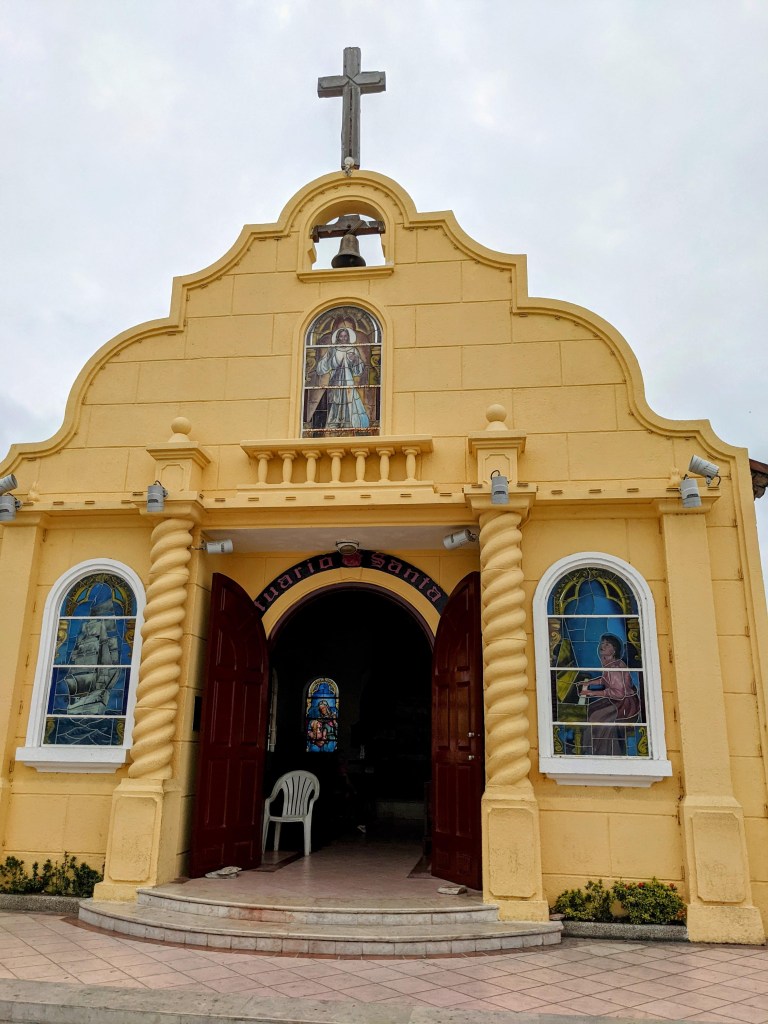
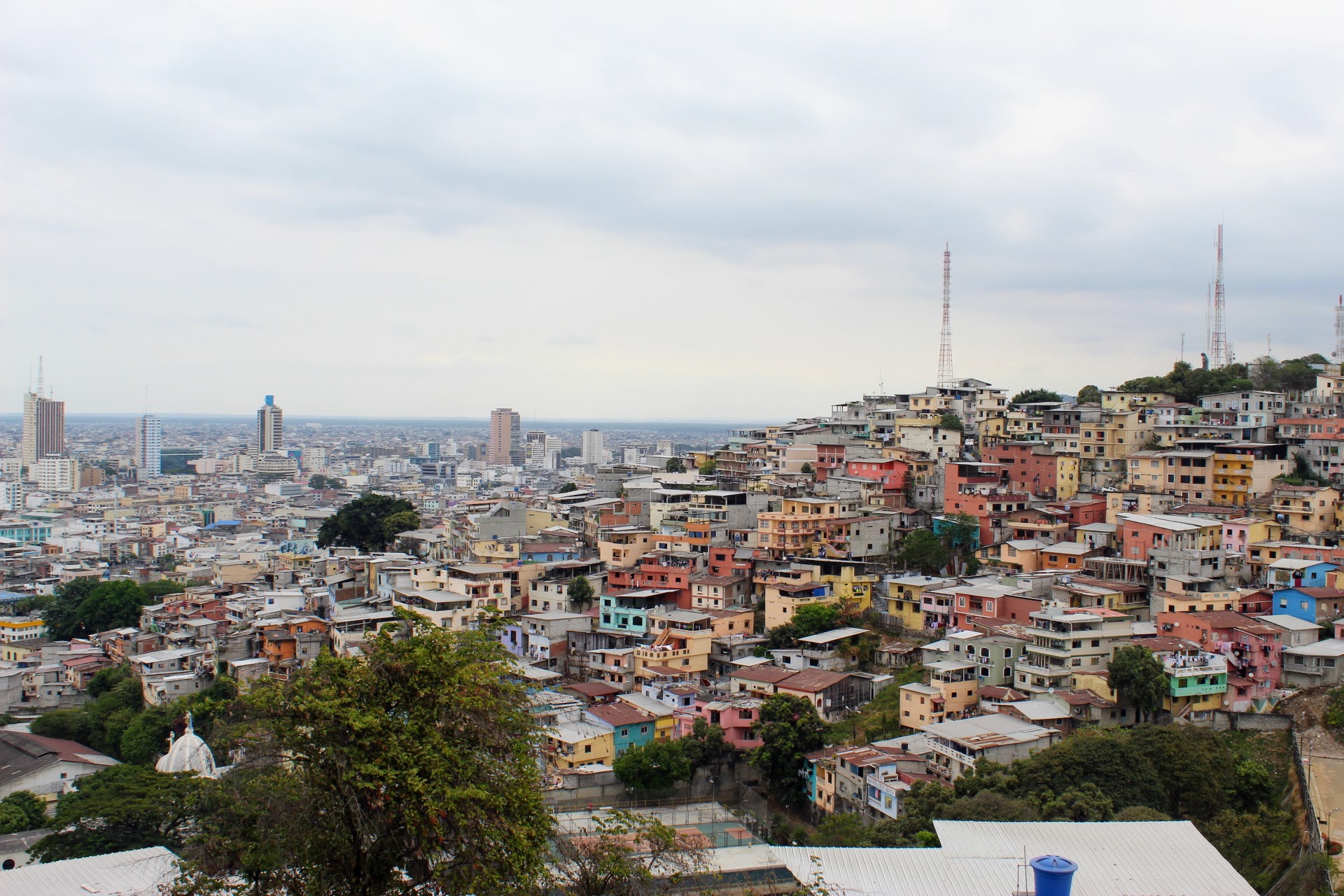
The northern end of the boardwalk connects to Santa Ana Hill, the birth place of the city. We kept walking north when we returned to the pier, and there was a sign clearly marking the beginning of 444 steps that will take us to the top of the hill.

Just to assure you you were on the right track, each step is numbered.The ascent was not that bad and there were benches and cafes along the way. We went to a restaurant around step 300 or so for lunch. Decent food, not too expensive.

So, what’s on the top?
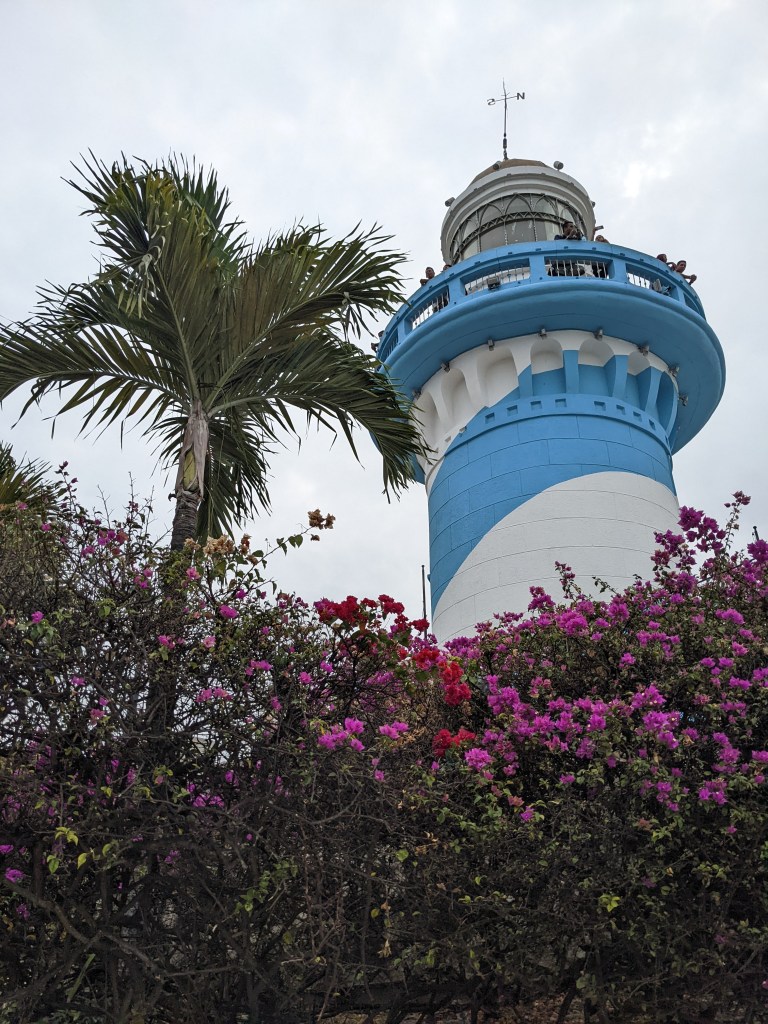
An old light house. The first church of the city – still in service. The view.

As we were coming down, we took a detour around step 220 and went down a different stairway to reach Numa Pompilio Llona, the famed cobblestoned road which was lined with galleries and beautiful wooden houses. All around the Santa Ana Hill, you will see murals and sculptures.
We stopped at the Museum of Anthropology and Contemporary Art (free admission) at the northern edge of Malecon 2000. Many exhibits were still not open as we were still slowly coming out of the pandemic, though.
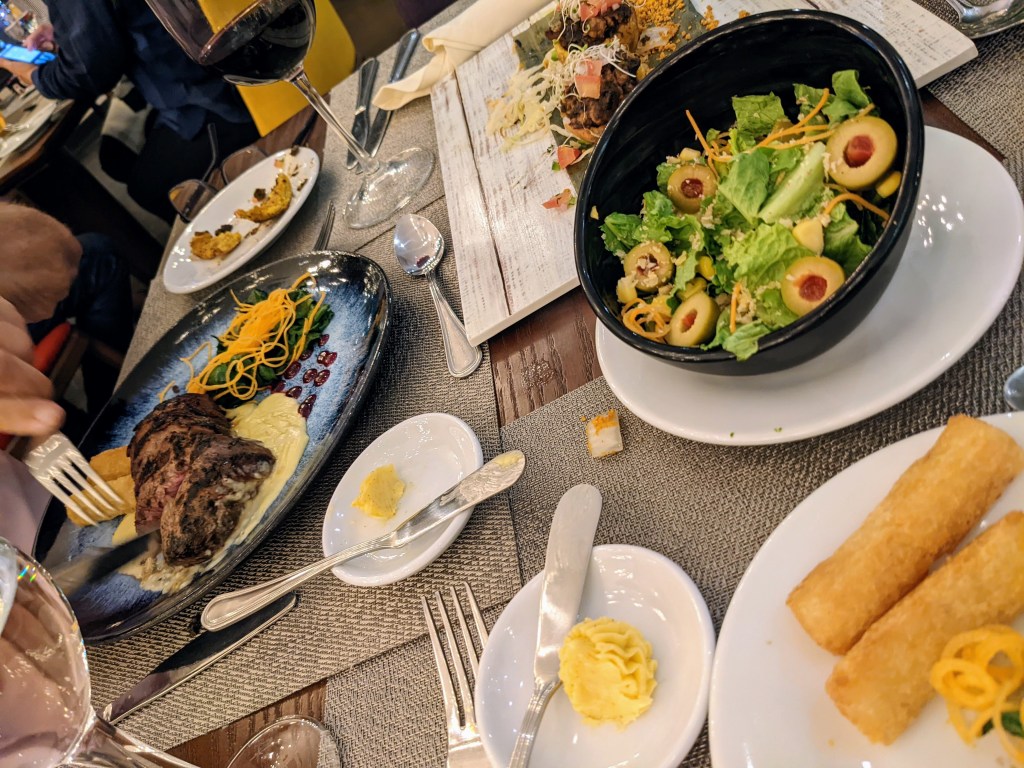
Blissfully tired, we headed to the restaurant on the top floor of our hotel instead of venturing out. Surprisingly great food at reasonable prices!

Our flight back to LAX was through Bogota, Colombia, with a 7 hour layover. It was to be early in the morning, thus, I booked a room in a small hotel near the airport. When Pat saw the bill as we checked in, he seemed visibly uncomfortable: 80,000 Pesos! He relaxed when he learned it was US$17 and went to bed in peace.

Itinerary: QuitoTena & Amazon Rain forestSan Cristobal (Galapagos) – Guayaquil

Galapagos: San Cristobal Island (3 nights)

September 2022

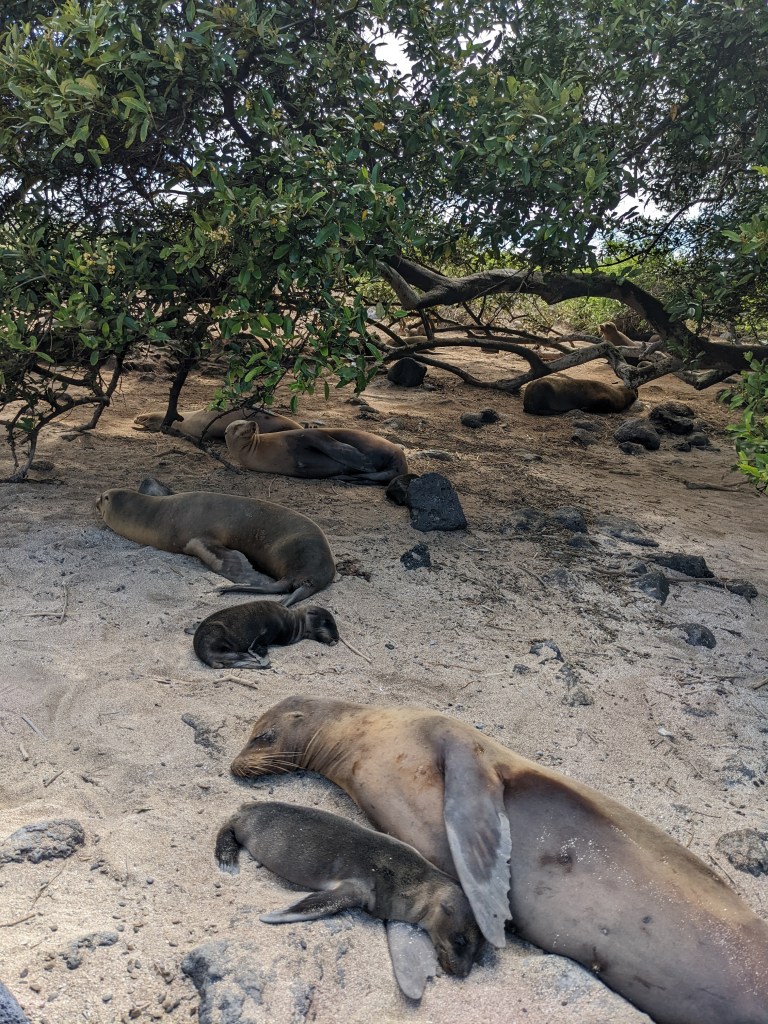
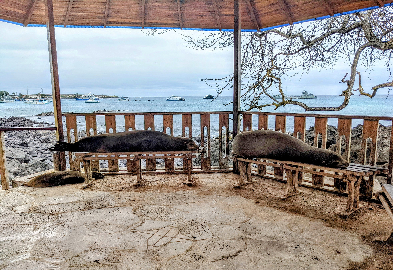
Sea lions. Sea lions. Sea lions. They own the city of Puerto Baquerizo Moreno, the capital of Galapagos Province (one of 24 provinces of Ecuador) where 127 islands, islets, and rocks exist in blissful peace. These guys sleep on benches, like in the photo above, walk around town, yell at one another while totally ignoring people and cars.

Galapagos had not been on our list of places to visit because we thought it was far far away and expensive. When we saw $1,699 per person price offered by Exoticca for a 10 night trip to Ecuador that included Galapagos in a Travelzoo email, we booked it thinking it would be now or never. The Galapagos that was included in this package was San Cristobal, which has one of the two commercial airports in Galapagos. (The other is in Beltra which is connected to Santa Cruz by a short ferry ride.)

Turned out, it was not all that far. The flight from the southern city of Guayaquil to Puerto Baquerizo Moreno Airport on San Cristobal (Saint Christopher) Island covered around 600 miles & we got there in about 90 minutes. Even though it is the capital of the province, Puerto Baquerizo (population: 6,600) is basically a sleepy little town with a backpackers’ vibe.

We spent 3 nights here. After arriving in early afternoon, we got a walking tour of the entire town which took about 90 minutes strolling slowly with constant photo stops. Our guide explained that only 3% of the Galapagos Islands, which is a national park, is occupied by humans and the rest are protected. People have to keep at least 2 meters away from an animal. The obvious effect of this rule was that animals did not pay any attention to us. Puerto Baquerizo (map) has one traffic light and two major streets: one along the coast(Av. Charles Darwin) and one coming from the airport and goes parallel to the coastal road (Av. Alsacio Thothia).

As I was resting after the walk, this question suddenly hit me: why do people come to Galapagos? And what do people do when they come here? I had always been intrigued by Galapagos, but, I never really knew much about it. Since we were joining a packaged tour, I didn’t even bother to do much research on it. According to our tour itinerary, we were to visit a beach the next morning to see the animals endemic to Galagagos and to swim. After lunch, they would take us to a Galapagos giant tortoise breeding center. Then the second full day on the island was to be a free day.

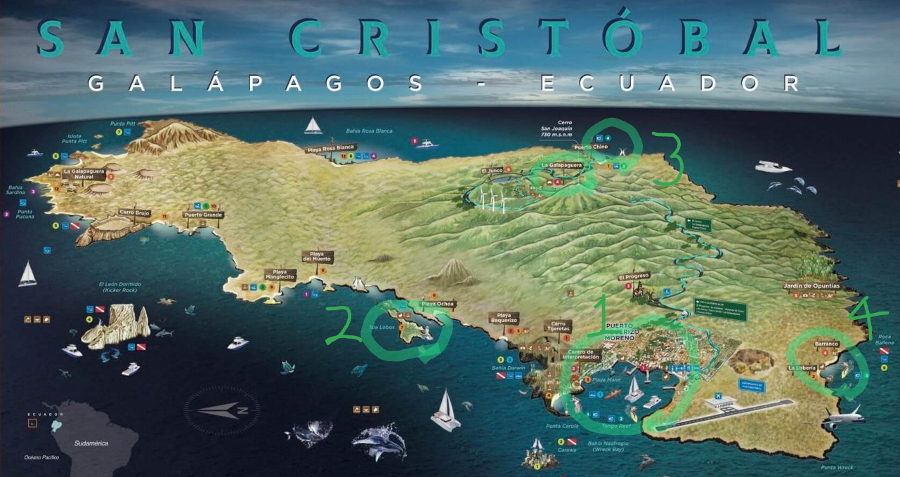
1: Puerto Baquerizo Moreno 2. Isla Lobos 3. Giant Tortoises Center & Puerto Chino 4. La Loberia Beach (from 1 to 3 is about a 45 minute drive)

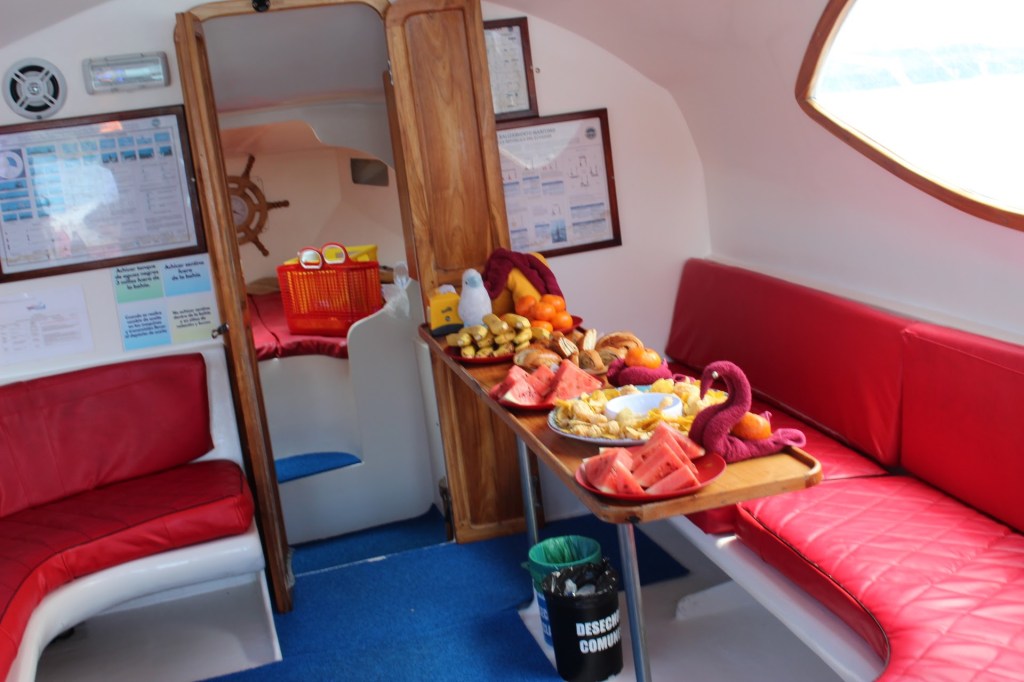
There tends to be someone in any group that takes the initiative and goes into action as required. In this case, it was Bart from the Bay Area who organized a boat trip to Isla Lobos, a little island off the coast. This exact tour was offered as an optional activity for the free day by our tour company for around $200, but, he negotiated with one of the local tour agencies lining the little road a block inland from the coastal road & got a half day boat tour with all the necessary gear, lunch and snacks for $110/person for 8 of us. Unfortunately, this was available only the next morning, thus, we skipped the morning beach outing and did this instead. It was the highlight of our visit to Galapagos!

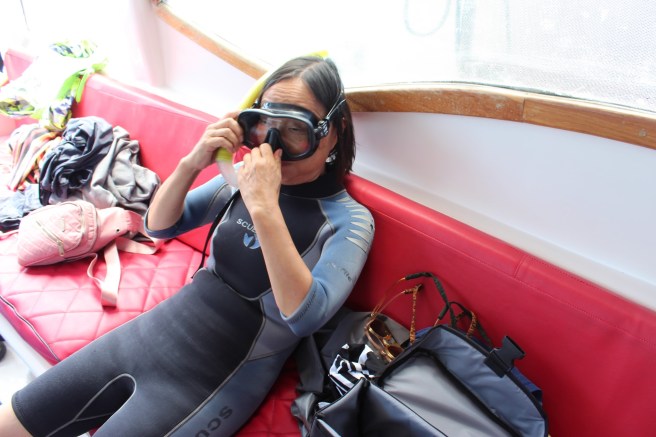
We went to the agency (Pacifictour S.A.) at 8 AM the next morning and got fitted with a wet suit and snorkeling gear, then we walked to the pier to get on the boat. We learned from our guide that most guides are independent professionals not affiliated with any tour agency. This was true with the boat captain. The agencies find the customers and hook up with a guide and a captain to fill a boat, which may be owned by someone else.

On the way to Isla Lobos, the guide asked each one of us what we expected from this boat trip, and, most people, including me, mentioned seeing animals. As soon as we got off the boat 20 minutes later, we knew we would get what we wanted.

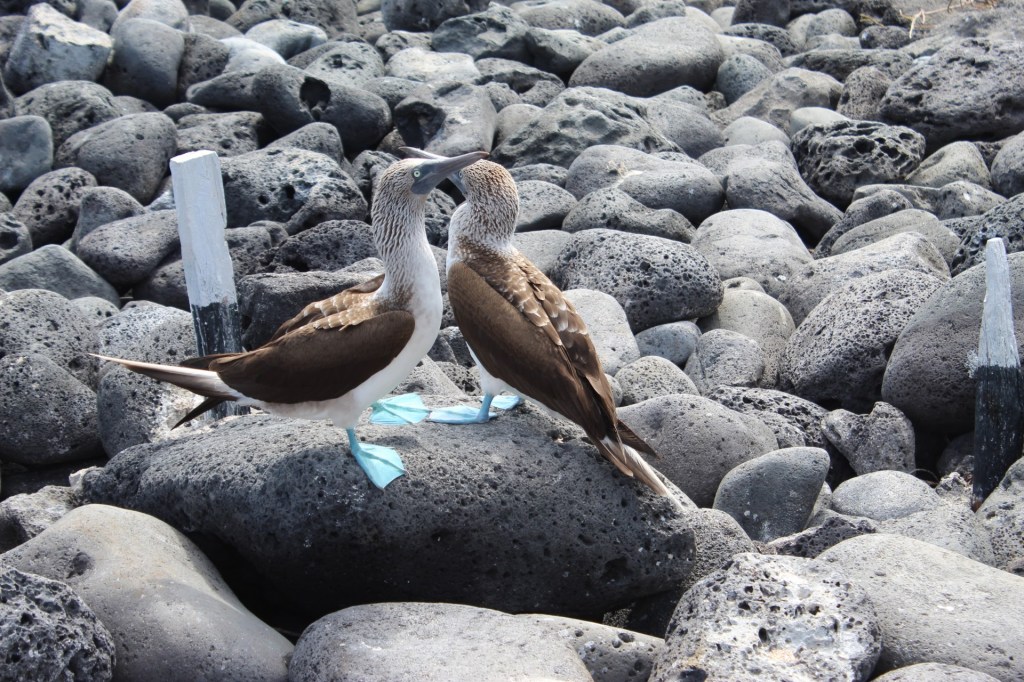
We were walking on a very rocky path, but the frigate birds were nesting, blue-footed boobies were frolicking, sea lion families were lounging around all along the 800 meter trail to make our efforts totally worthwhile. Isla Lobos was literally packed with these animals endemic to Galapagos.

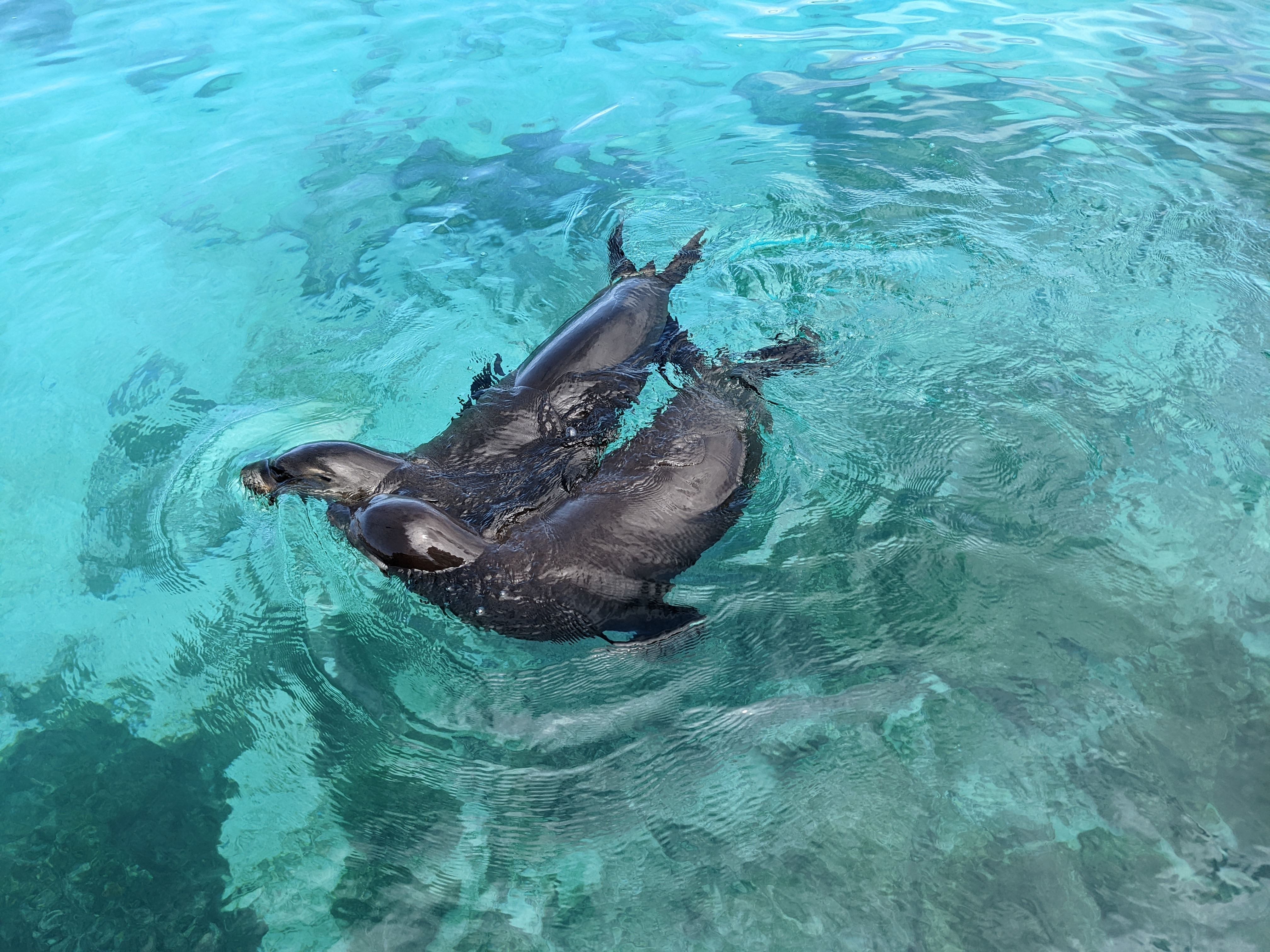
These guys looked like preparing for the synchronized swimming event at the next Olympics

After our walk we returned to the boat and were taken to a snorkeling spot where sea turtles were playing. The water was, of course, crystal clear and some sea lions jumped up on the little motor boat that was attached to the main boat and proceeded to take a nap.

After more snorkeling and swimming at a beach, we went back to town and were led to a restaurant for a pretty decent lunch.

a 200 year old tortoise – there were many

We joined our tour group for the afternoon activities. The only road to get us anywhere from Puerto Baquerizo took us to the giant tortoise breeding center in La Galapaguera. The 40 minute mountain drive was pleasant and it proved there really were not many people living on this island. I didn’t even know tortoises were land animals whereas turtles live in water before going to this research center where babies were born and raised in a protected natural environment.

At the end of the road was Puerto Chino beach which was named as such because a mountain in the background of this beach looked like a China man’s hat according to eyes of some locals.

The next morning, some people from the first boat trip went on an all day around the island boat trip for $180/person. This is one of the popular tours (nickname: 360° Tour) along with the Kicker Rock snorkeling tour and the Isla Lobos tour. I was afraid of getting seasick, thus, we opted out of it & took a taxi to the beach that we had to skip previous morning. The taxis in town were all 4-seat trucks and cost $1 to $10 depending on distance.

My main interest in La Loberia Beach was the Galapagos marine iguanas. The beach itself was an easy walk from the parking lot where the taxi dropped us off. We arranged the pick up time with the driver who was quite chatty and friendly so that we would not have to worry about finding a ride back ($5) to the hotel. There was a park official standing by a big signage of the beach asking us to write down our names and check in time. I guess they wanted to make sure everyone was accounted for at the end of the day. After about 20 minutes on the beach path, the trail started getting rocky. 10 minutes of this, and, Pat decided not to go any further. I kept going because I really wanted to see these guys. After another 10-15 minutes of climbing up the rocky hill on the beach, there it was! The guy in the picture above just presented himself unceremoniously. Holy shit!

Then there’s another one. And more. Some people coming down the hill bragged about seeing 4 of them. I’d already seen 5 -10 by this point. I was probably just lucky. I could have kept on going to see some birds and other animals, but, I had enough of them at Isla Lobos. When I came back to where Pat was waiting, he was busy assisting new arrivals to the area by pulling them up the rocky trail. Right there and then, a big iguana appeared rewarding Pat for his good deeds.

We asked the cab driver to drop us off at the entrance to Playa Mann where 3 almost identical restaurants stood together offering $5 lunch that included an appetizer, a main, a dessert and a drink. Delicious!

We heard from the people who went to the beach the day before that the water was too cold to swim in without a wet suit. I guess September was not a warm month in Galapagos. The group who went on the 360° boat trip reported back that it was fantastic, but, the last 2 hours returning home was hard for those prone to motion sickness. I was glad I did not go with them.

Looking at the waning sun while thinking about all the birds and sea creatures we’d seen sipping a cocktail on the balcony of our hotel, life seemed good. I could see why people come here. Was Galapagos a great place to visit? Definitely. Was 3 nights too short? I could have enjoyed a couple more days of peace and quiet on that island where people and animals seemed to really live together. Would I want to go back to Galapagos? Well, I am happy I have been there, but, I have this feeling that they better not have too many tourists. I’d hate to see this town overtaken by high rise hotels. I was there in September which fell in the off season, and, it was not crowded at all. But it does get busy from November to May, I have heard. I can’t help thinking my repeat visit may not help the eco system.

Did I feel I was missing out by just staying in one island? It is true that I was curious about other islands, and, if I had planned a trip on my own, I might have gone to Santa Cruz and Isabela. But, I do feel I have seen enough to appreciate what Galapagos had to offer.

Charles Darwin‘s first stop was San Cristobal when he came to Galapagos where he developed the evolution theory.

I didn’t feel things were really expensive in Galapagos. For instance, the two hour ferry ride to Santa Cruz cost $38. The package price of $1,699 (included Quito & Guayaquil) was a real bargain, but, I thought I could match that price by doing it on my own. That means the tour company did not make a whole lot of money, though. The flights from LAX to Quito and back seemed to be about $800 at the time. Domestic flights to and from San Cristobal to Guayaquil was about $300-400. Ecuador uses U.S. Dollar as their currency, thus, it is convenient for the travelers from the U.S.

We wanted to try local lobsters but never had a chance.

Where we stayed: Galapagos Planet was the hotel, and, it was a 5 minute drive from the airport. Even though it was not in the center of town, we could walk to most restaurants and shops and attractions in 5-10 minutes. Nothing fancy but comfortable with hot shower and air-conditioning. The majority of the lodgings in town seemed to be hostels catering to backpackers. I noticed some decent Airbnb rooms available for $40-60/night. There were upscale places near the coast, but, we were fine where we were. Wash & Fold service was readily available in town on side streets & they charged like $1.50 for a Kg of laundry.

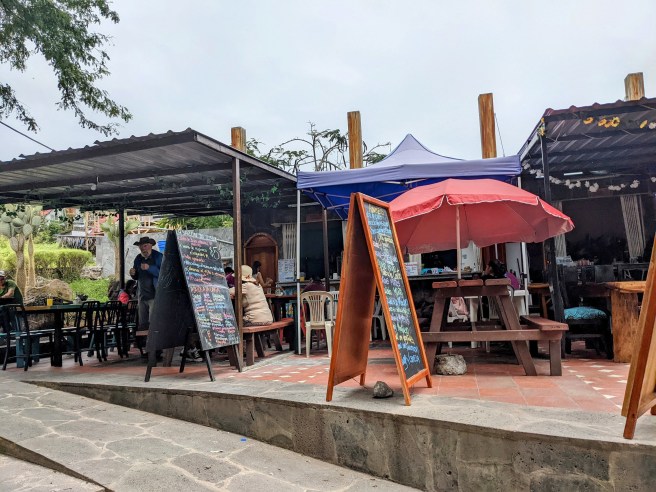
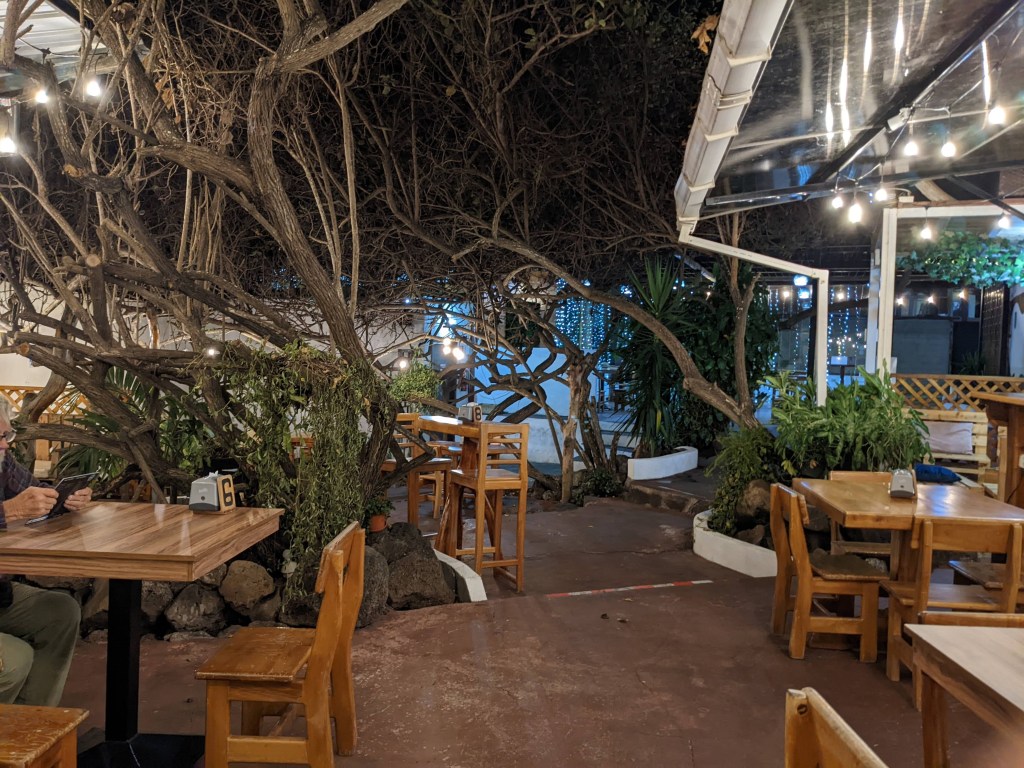
Where we ate: breakfasts were free at the hotel & quite decent. One lunch came with the Isla Lobos boat trip, and, another one was a $5 lunch at Playa Mann. First dinner was at an Italian restaurant recommended by our tour guide, Giuseppe’s. Great food around $15-30/person. The second dinner was at a courtyard bar and restaurant called Maui, shown in the photos above. We had a satisfying dinner and two cocktails for under $40. The last dinner was the munchies at the farewell party at the hotel.

Before catching our flight back to Guayaquil, we took a walk along the coast, and guess what we saw: marine iguanas. I did not have to go through all that trouble to see them after all! Or, maybe, they came to see us off.

Itinerary: QuitoTena & Amazon Rain forest – San Cristobal (Galapagos) – Guayaquil
Valle de Guadalupe & the Wine Route (Mexico)

August 2021 [by YK]

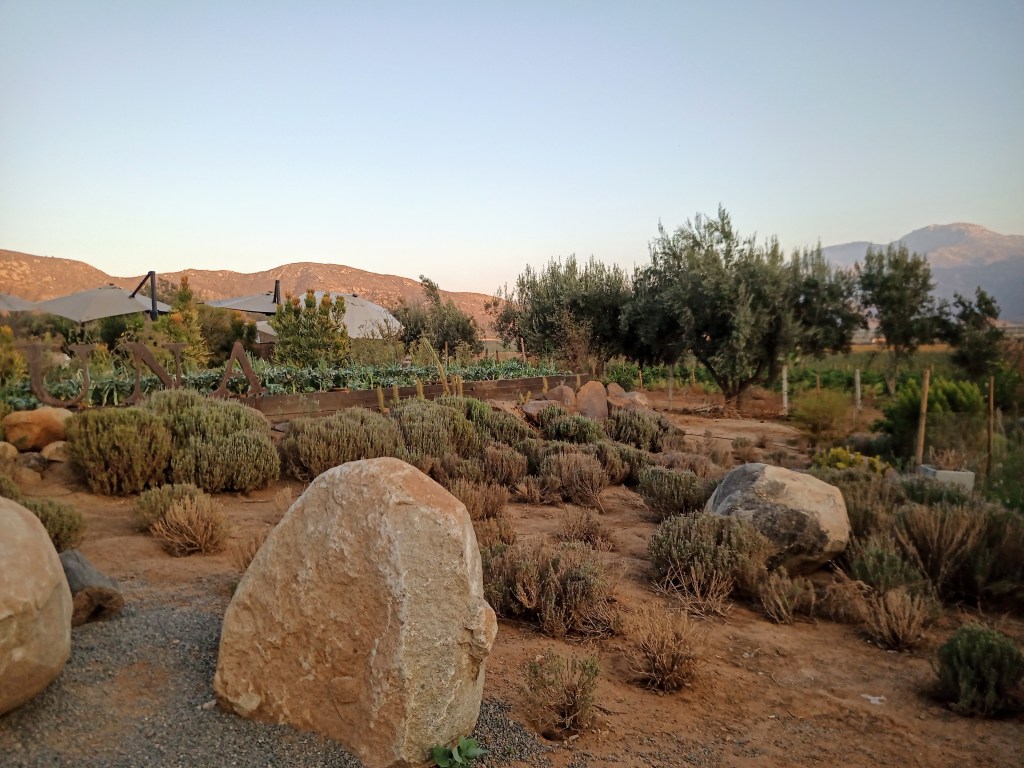
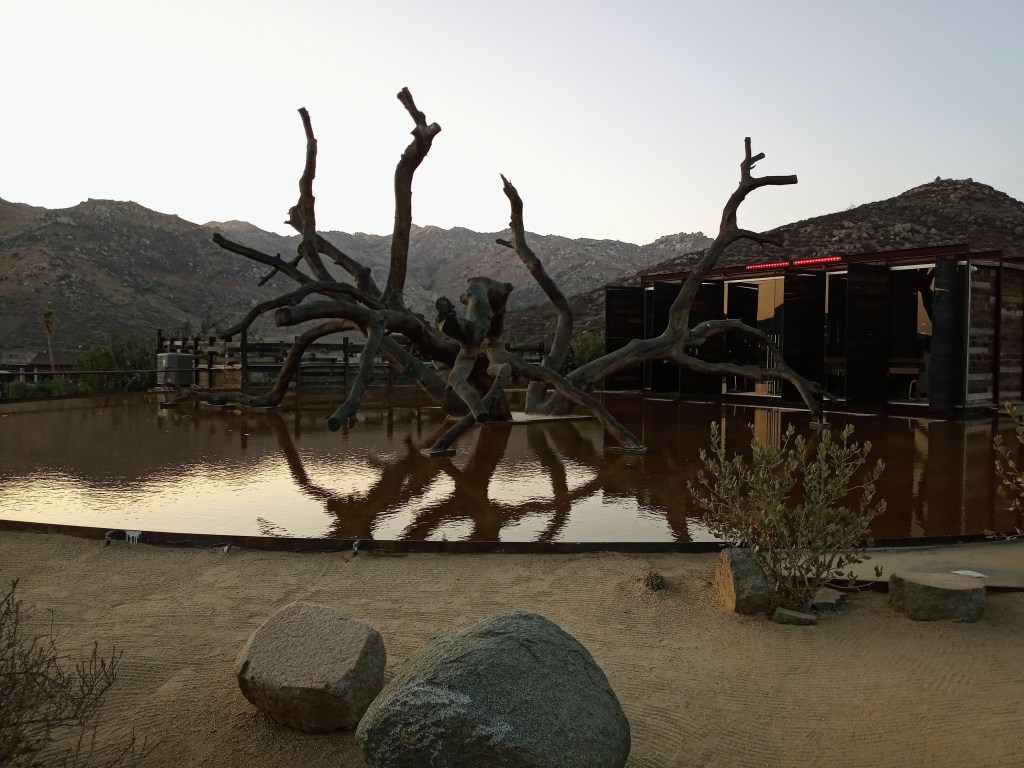
Fauna restaurant: one of the symbols of serious fine dining in the Valle

Valle de Guadalupe (population: 5,900) produces 80-90% of Mexican wine. Wine in Mexico? Yes, you heard it right. Mexico produces very good wine, and most of it is made in this area of Baja, California, 20 minutes northwest of Ensenada, just a 1.5 hour drive from the U.S.- Mexico border. We could make the trip in about 4 hours from Los Angeles. Driving into Mexico from the U.S. is easy. We bought a Mexican auto insurance online ($50 for 7 days) the day before and just drove in. We had lunch in San Diego at a friends’ house, then crossed at the Tecate crossing . The Mexican border guards checked our trunk and waved us through.

This map shows the wineries and the restaurants recommended by our home exchange host (orange color denotes the places we tried)

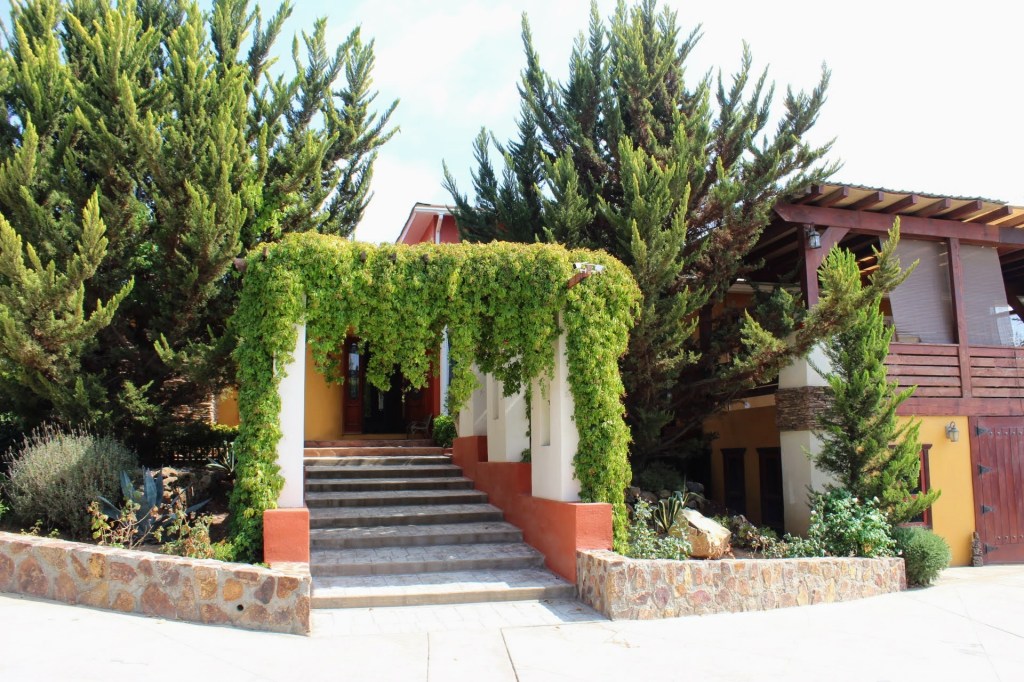
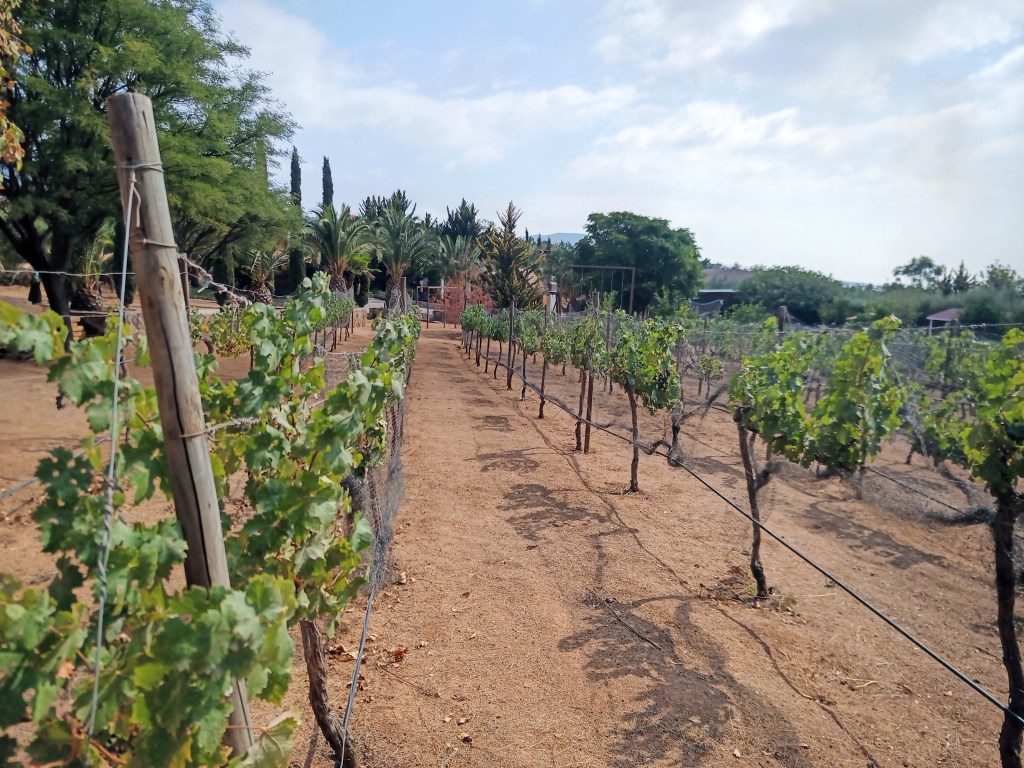
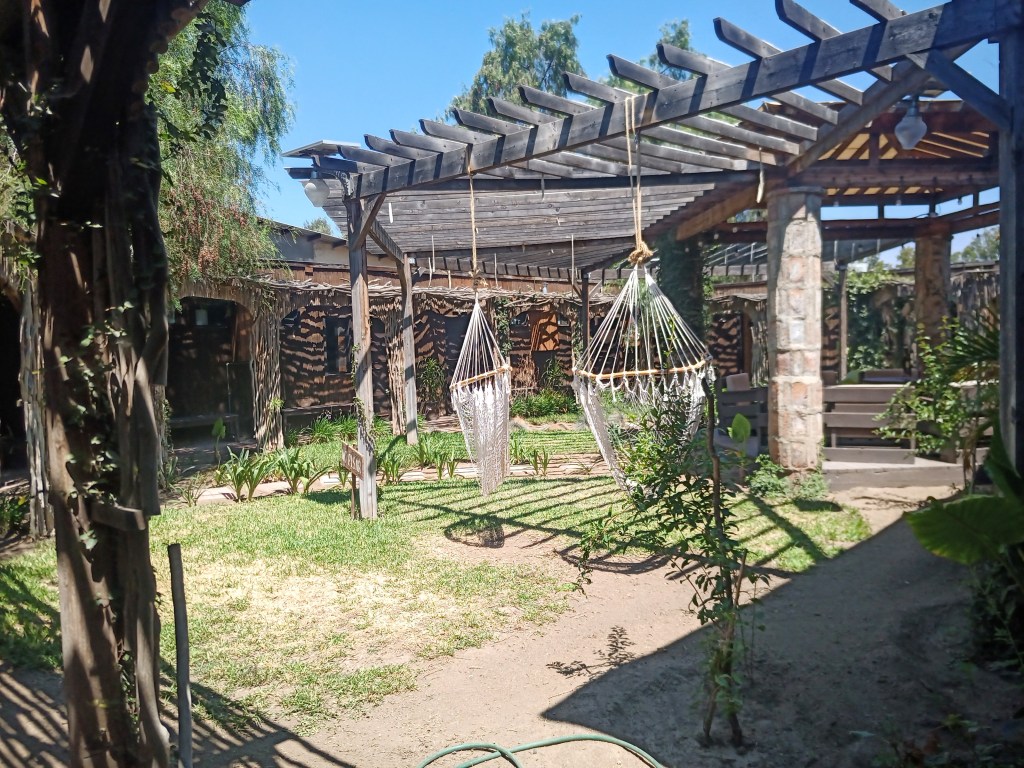
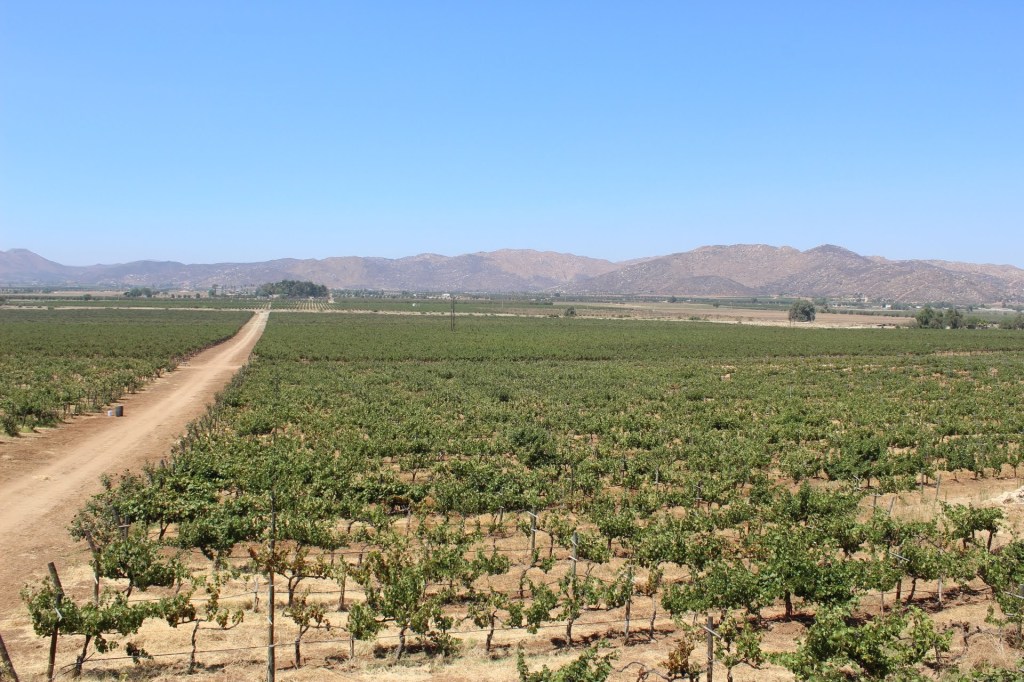
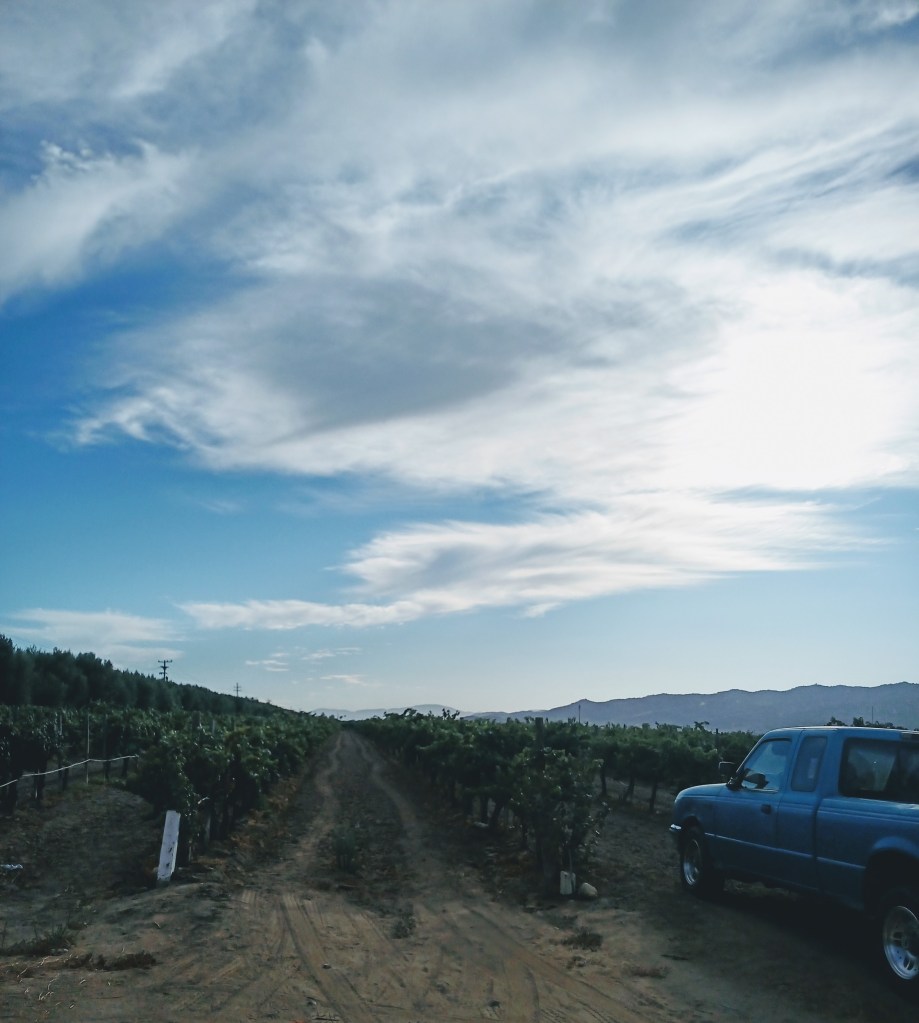
Our house for 5 days was arranged through homeexchange.com and came with its own vineyard. You can reach Valle de Guadalupe on a major highway (Route 3), but, most of the 100+ wineries are family owned boutique operations on dusty roads off of the main artery. Because of this, you don’t see miles and miles of well groomed vineyards. It almost looks like all the good things are hiding from you. Some of the wineries have a gourmet restaurant attached to them, thus Valle de Guadalupe is a major food destination as well.
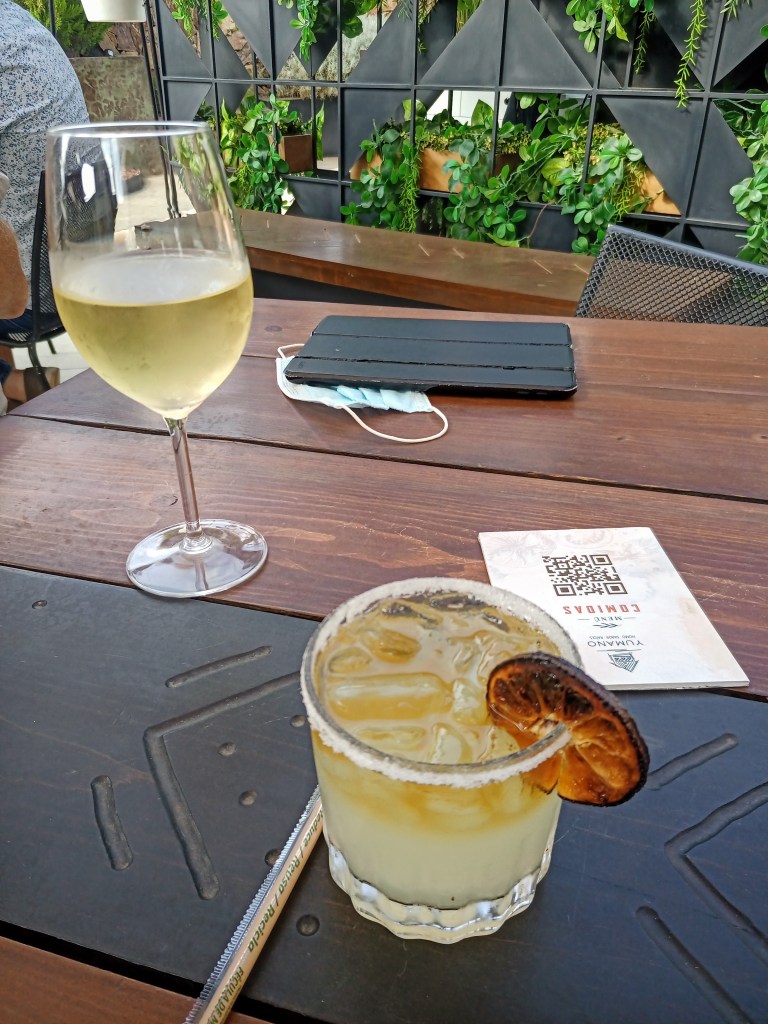
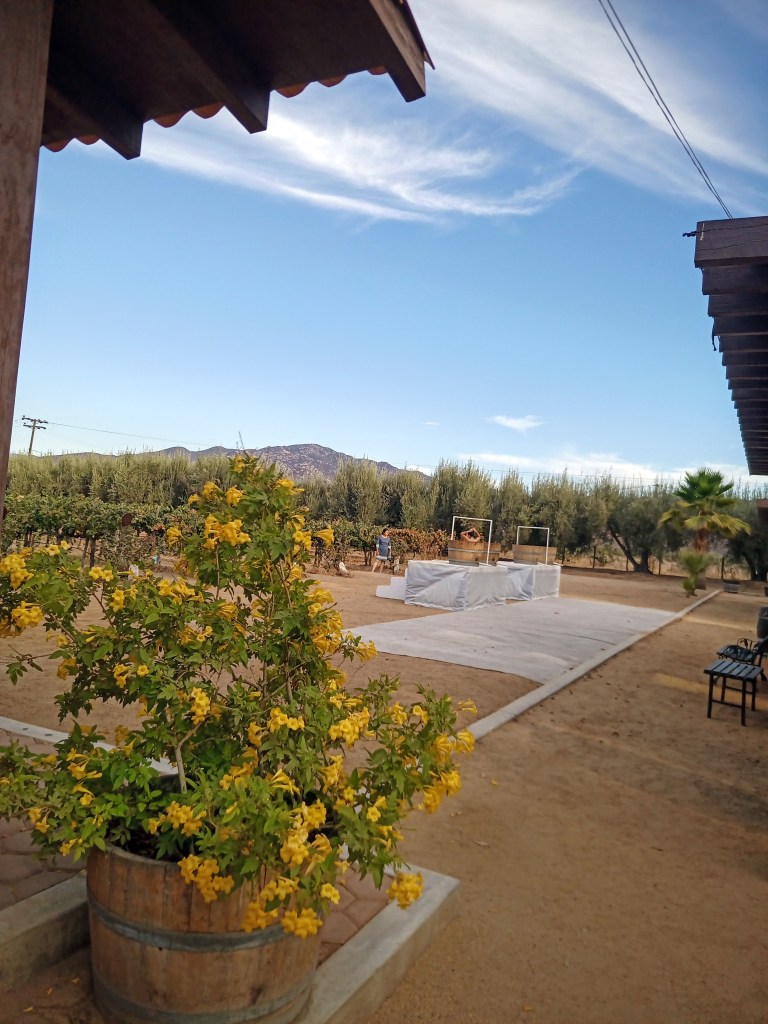
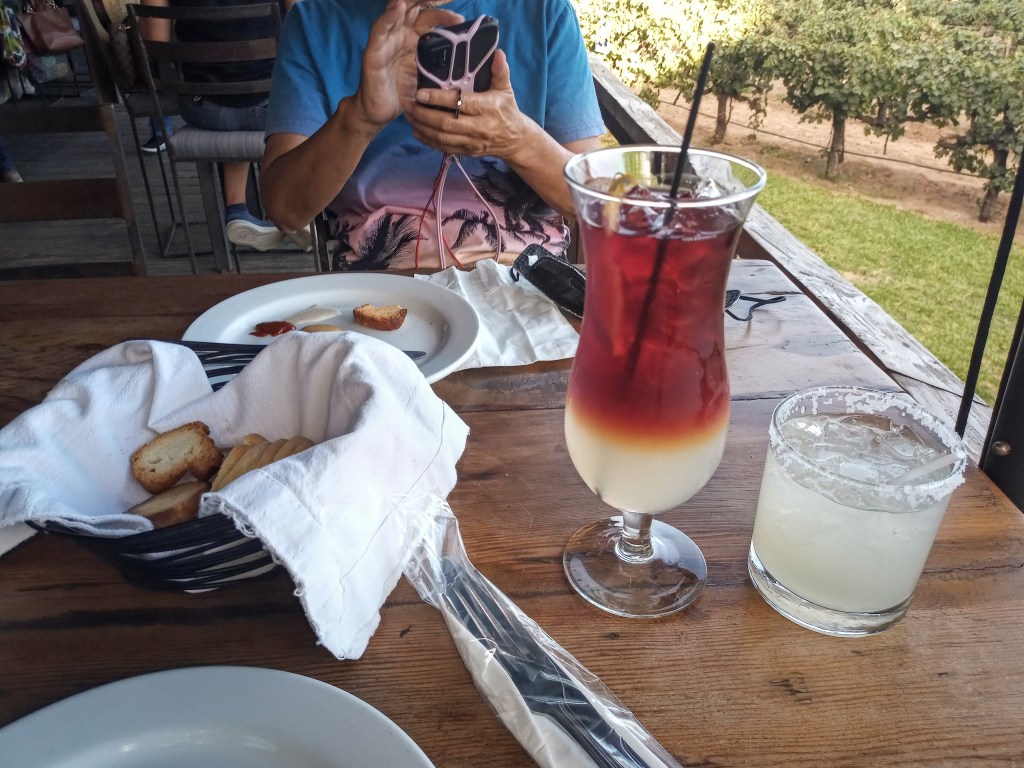
By the time we arrived, around 3 PM on a Sunday in August, we were thirsty. Right next door was a hotel with a nice restaurant called Yumano where we got our first margaritas and a snack. Two friends were joining us for 3 nights, thus, it was a perfect way to kill time till their arrival.

After our friends arrived, we had to take care of business: procuring provisions. There was a tiny mini mart nearby, but, they did not have papayas. Very kind English speaking owner of the mart directed us to a real supermarket, Mercado Liz, 10-15 minutes away in the town of Guadalupe. The guys went directly to the liquor section to “understand the local economy” using liquor prices as the most important economic indicator.

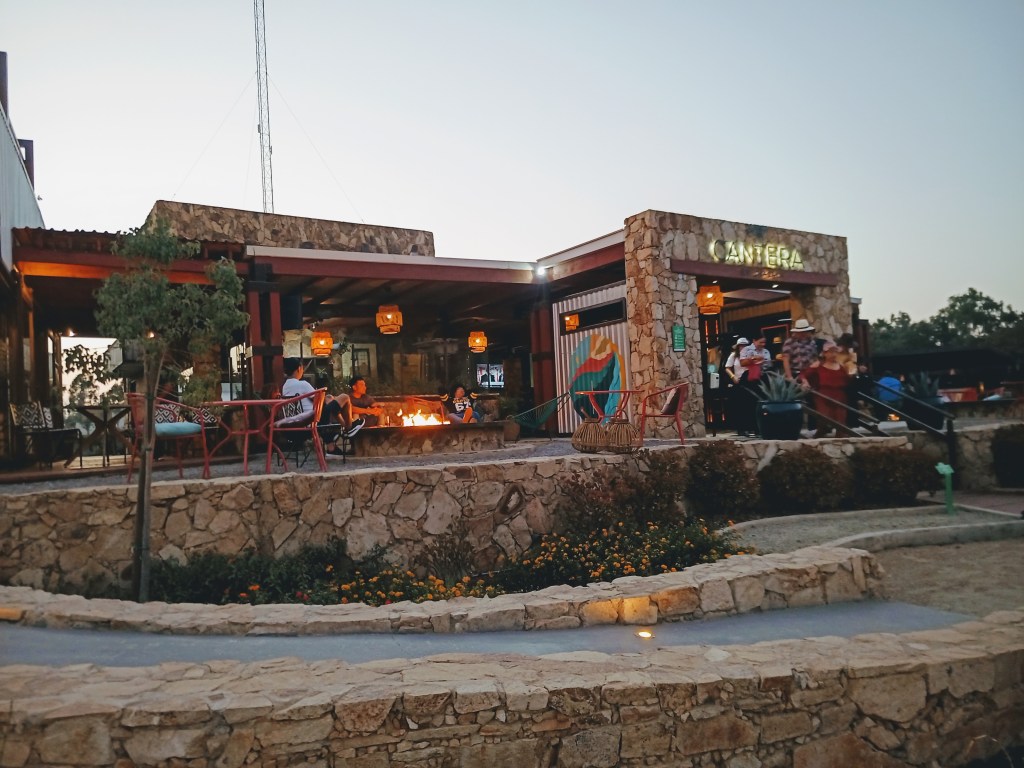
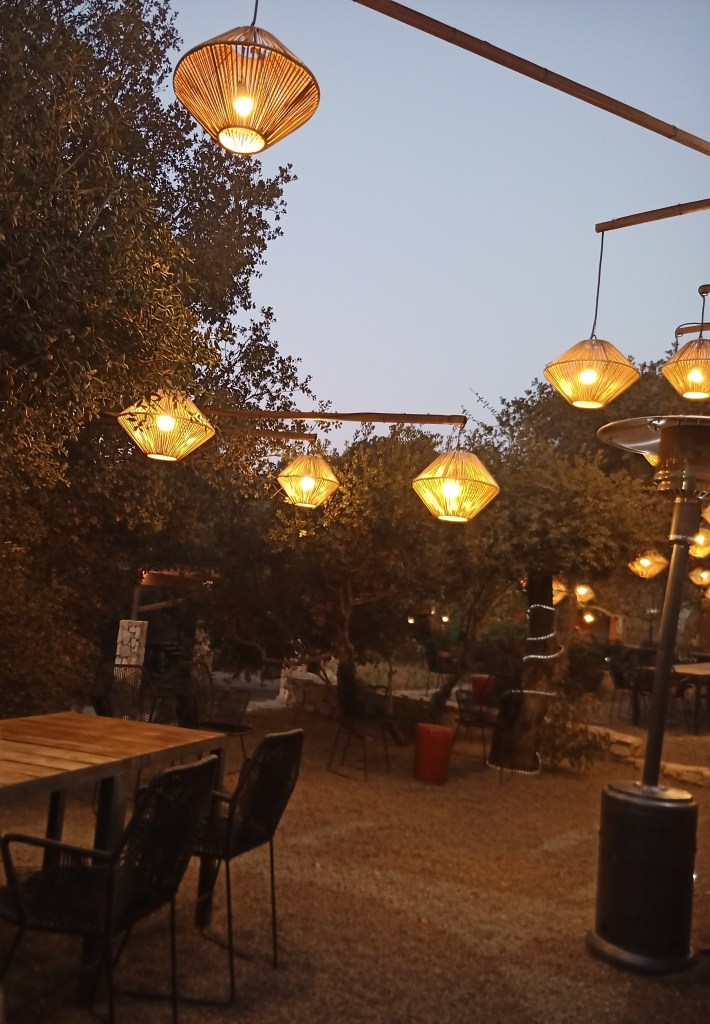
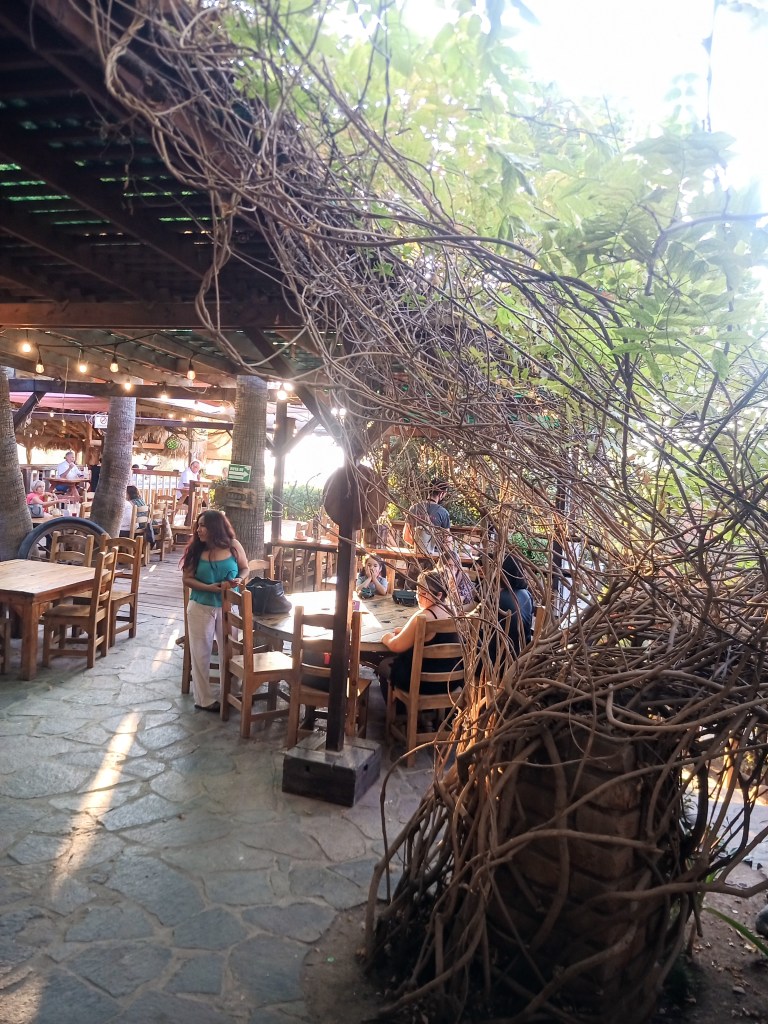
Dinner was at another neighborhood restaurant, Cantera Cocina de Valle, right down the road from the house. Wonderful ambiance. great food & drinks, friendly service.

After a breakfast at home with papayas and Mexican pastries, we decided to go into the big town, Ensenada (population: 552,000), for fish tacos. It was a 20 minute drive on the highway, and we first went to the main local market, Mercado los Globos, to look around. Alas! Many businesses were not open on Mondays & the market was quiet.

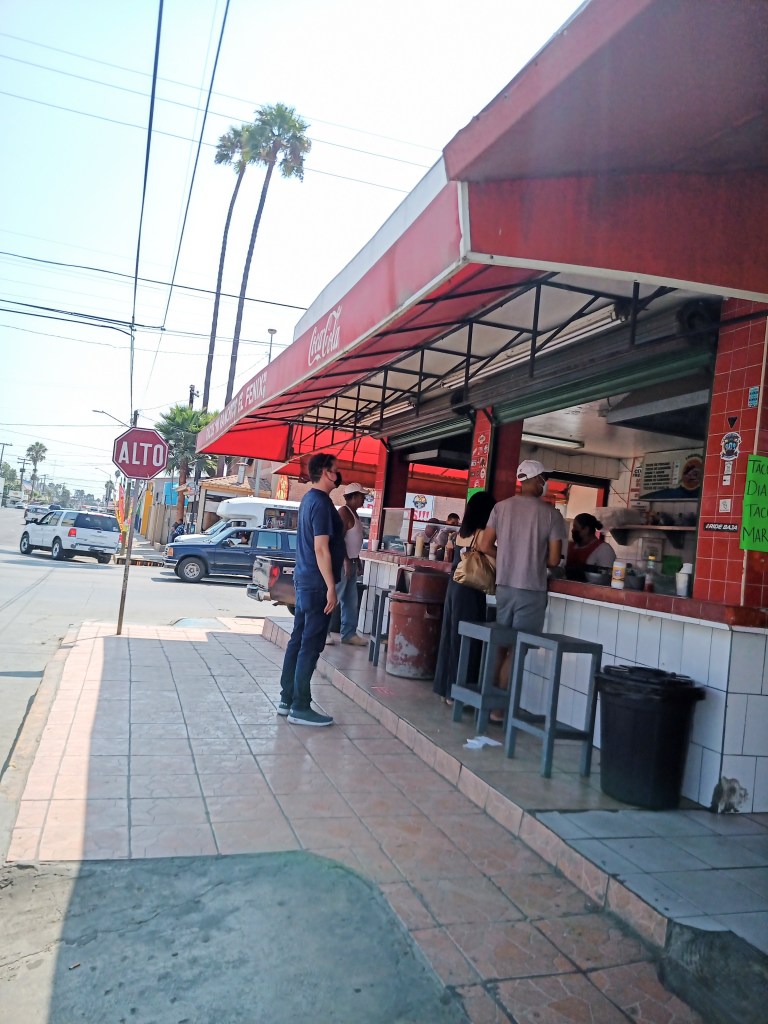
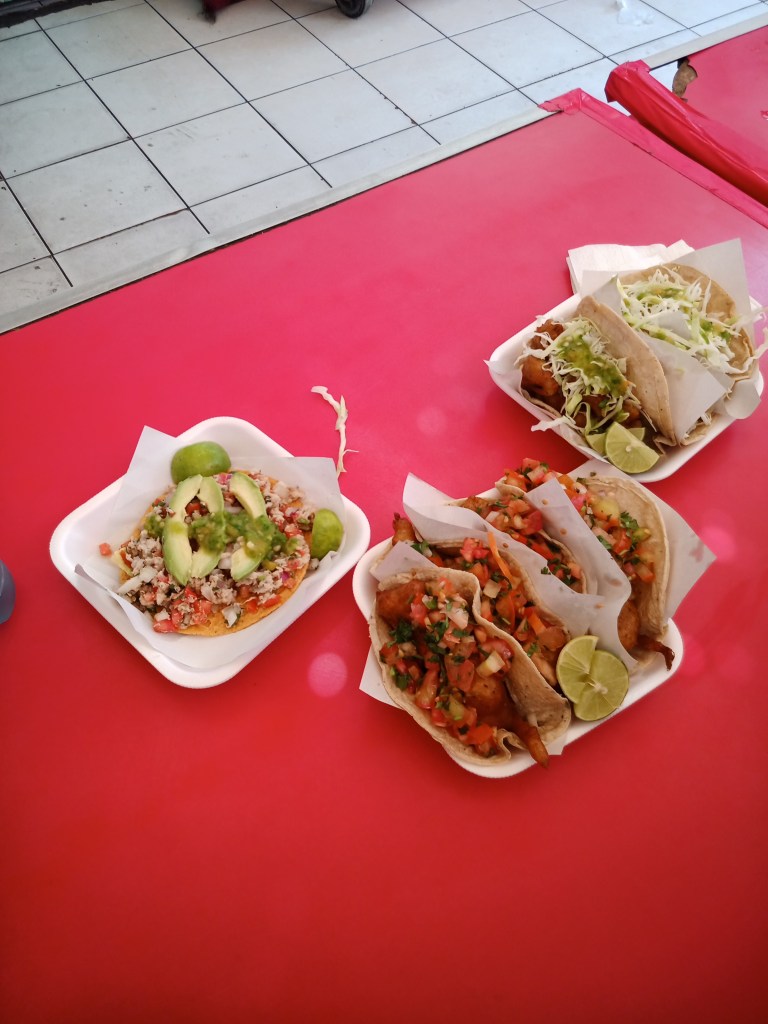
So we went looking for the fish taco stand recommended by our host: Tacos Fenix. A long line was formed in front, and there was no place to sit. So we walked up a couple of blocks on the same street and went to a place whose name contained the word “Fenix” (phoenix) and had a sitting area with portable tables and chairs. Tacos were mostly in $1-2 range & quite good.

We drove a couple of minutes to get closer to the ocean, parked the car and walked around. With the cruising shut down due to the pandemic, most tourist shops and eateries were closed, which was rather sad to see. With temperatures climbing well into the 80’s Fahrenheit, we got tired quickly and drove back home.

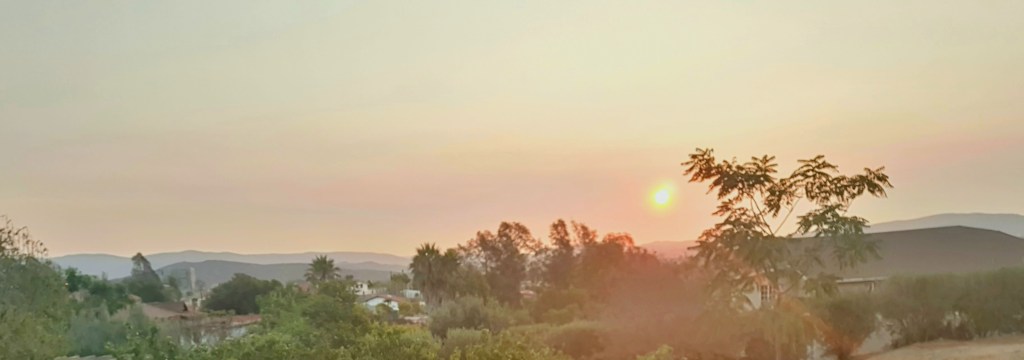
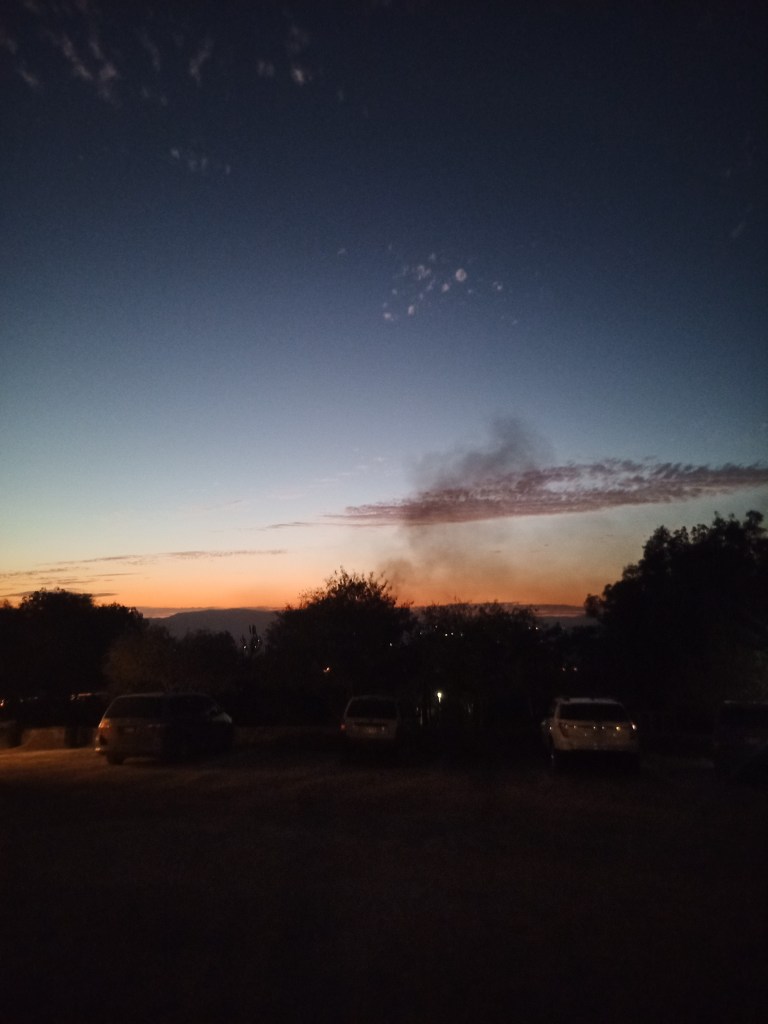
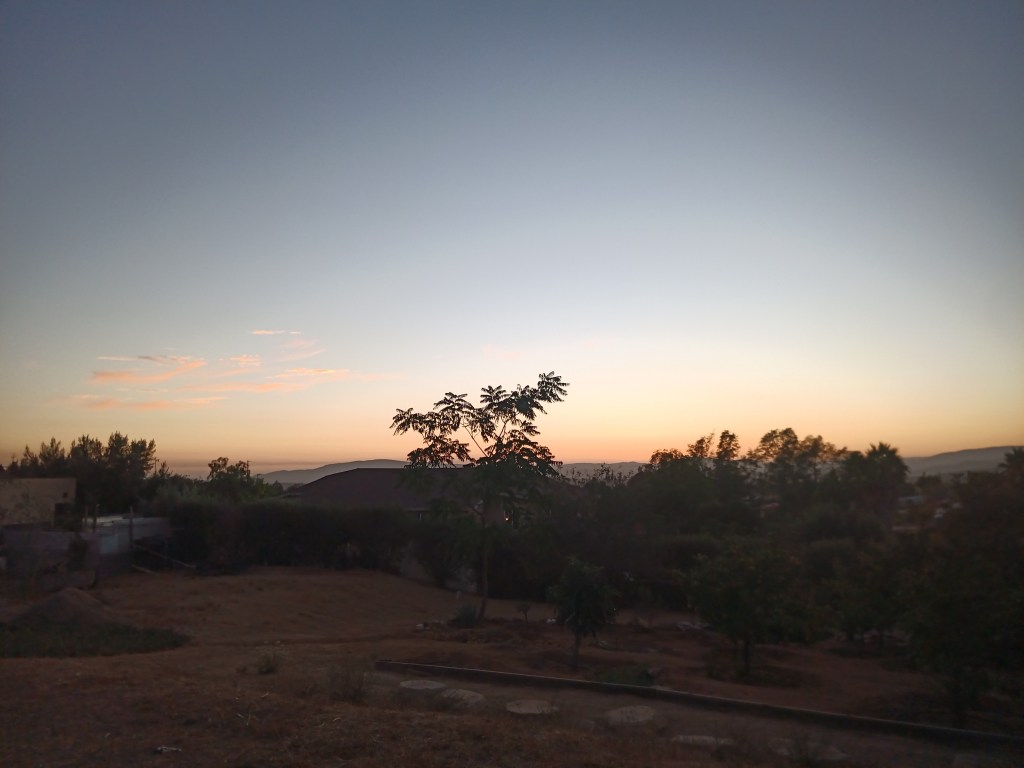
We had a killer view of the sunset every day from our backyard.

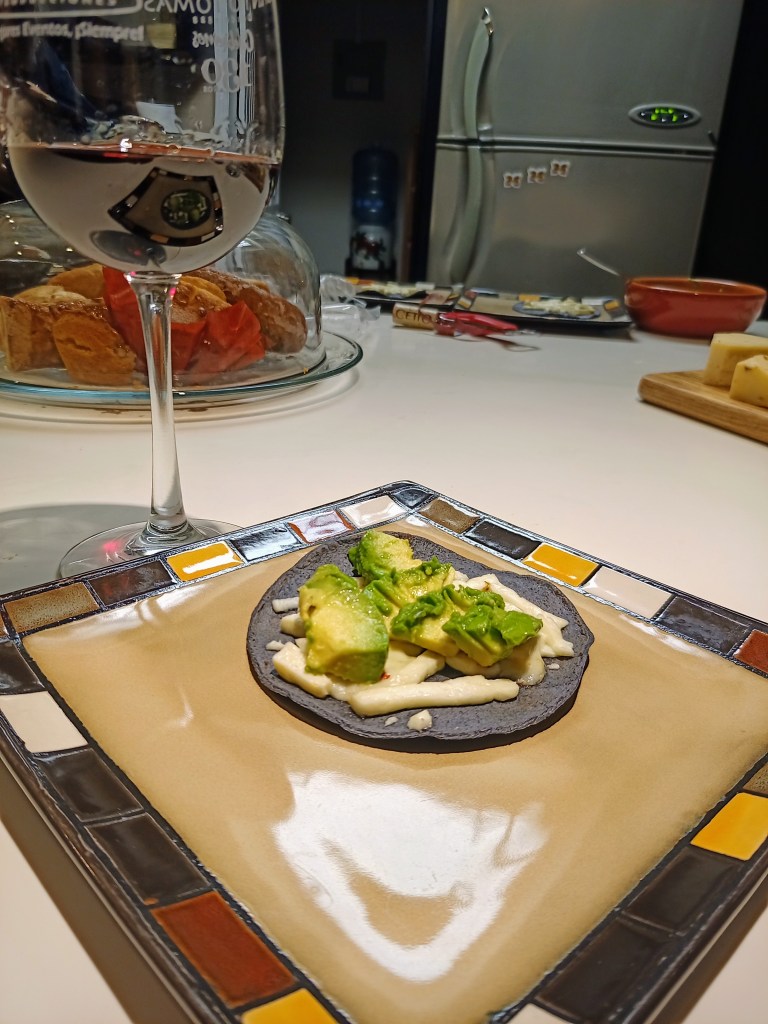
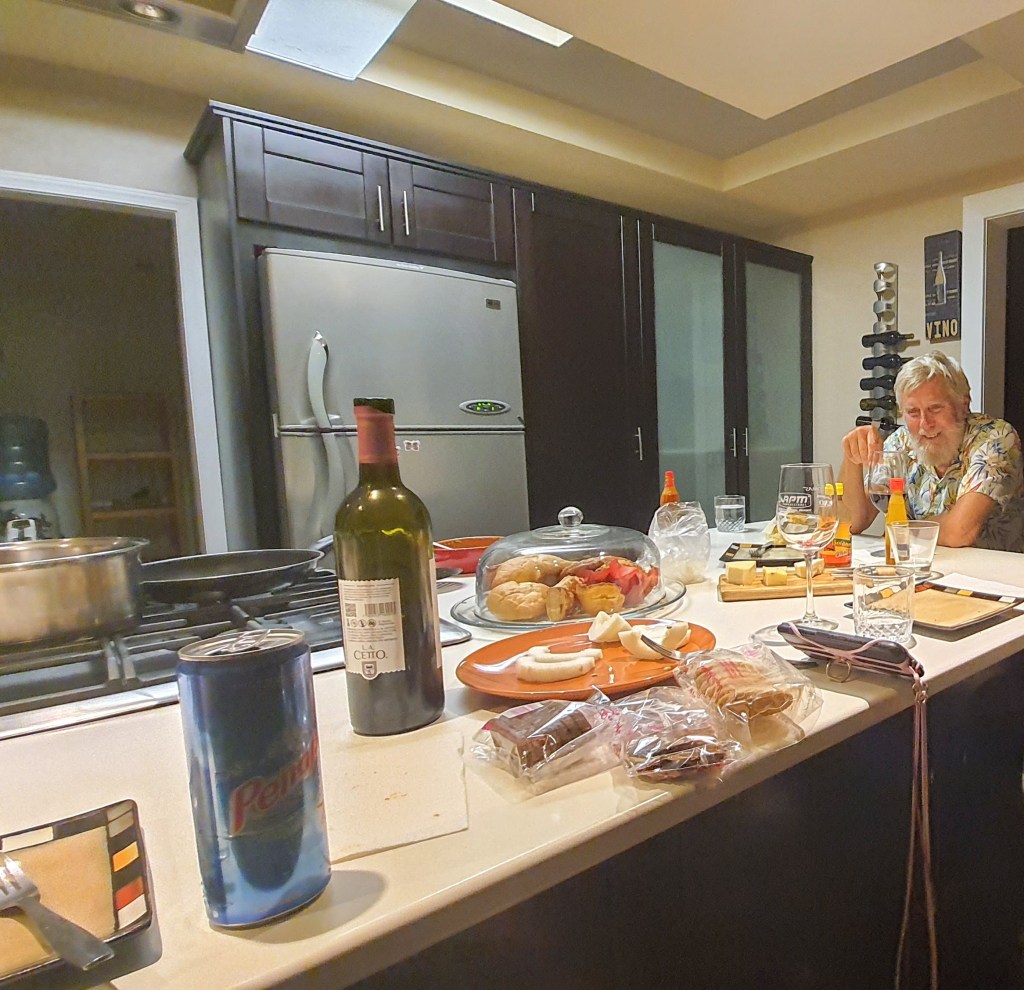
We were happy to just hang out and eat the left overs from the night before and the lunch that day. $6 bottle of wine we jokingly picked up from the super market was surprisingly good.

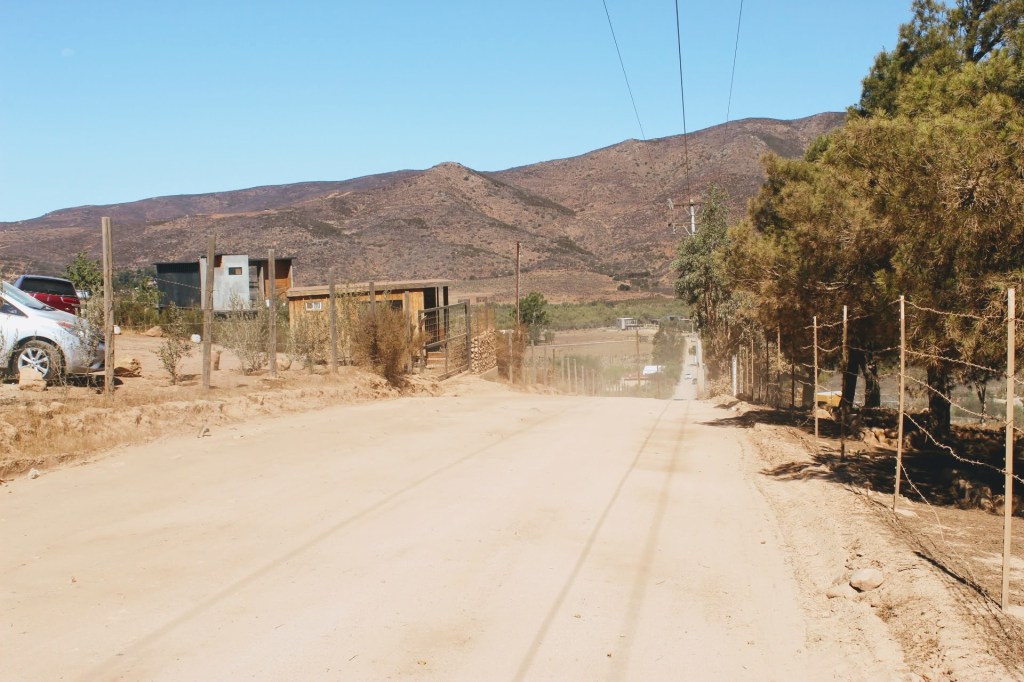
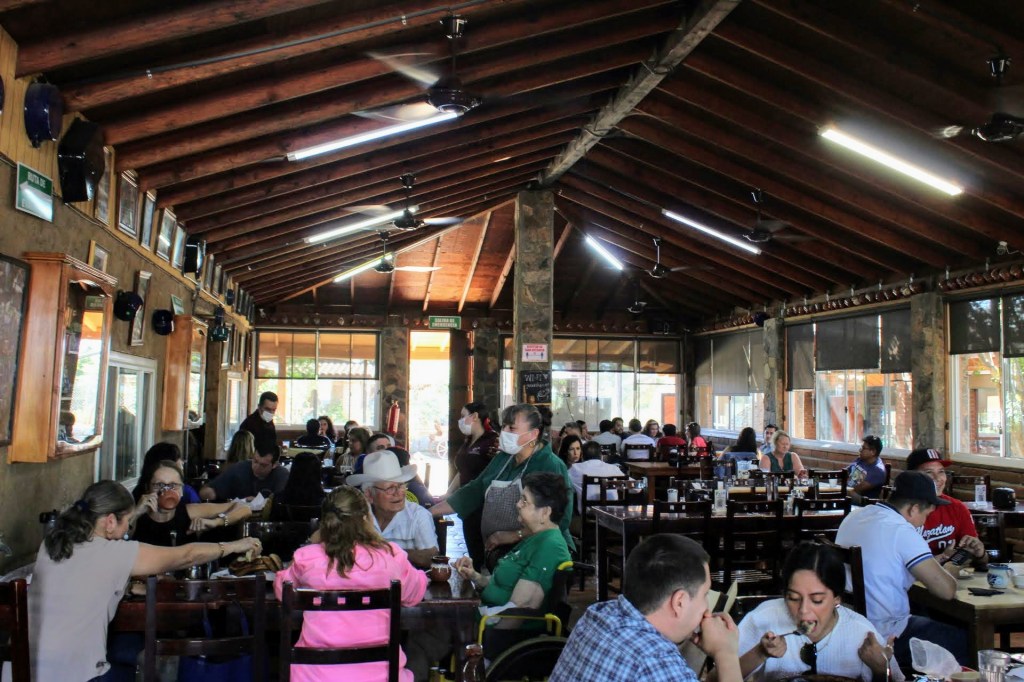
We have a friend who has a branch of his business in Tijuana, speaks fluent Spanish, and knows food and wine. He claimed he knew the best Mexican restaurant in the world & that we had to go there since it’s in the Valle: La Cocina de Dona Esthela. As we were driving on a series of dirt roads following Google Map’s directions, we were getting more and more confident that we were lost. Pat said one more turn & we should go back. But there were other cars before and after us on either side of the road, and why would they be here unless… Right! There it was. The big parking lot was full when we arrived 11-ish, but the wait was only about 15 minutes. Some staff spoke English and tried to help us with ordering, but, the menu was extensive and we could not understand what’s what. We kind of stuck to what we already knew: pancakes, Rancheros, Americana coffee etc. I ordered a mixed plate of something so I could sample variety of foods that the restaurant offered.

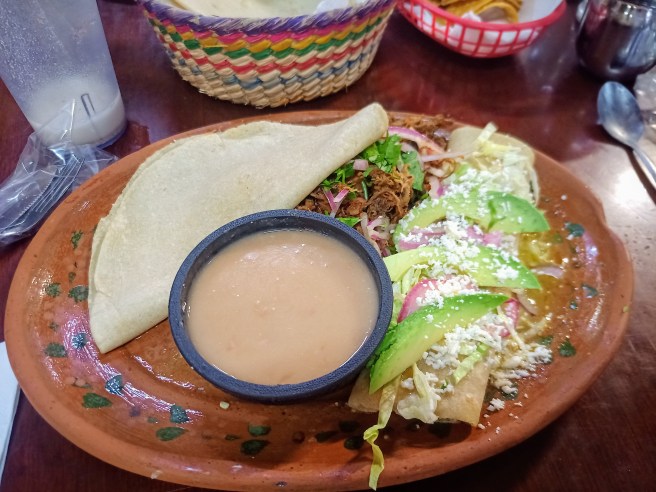
Everything was so good! Nothing fancy. Just something out of grandma’s kitchen kind of stuff. Even at a super chef’s restaurant, not everything can be super. Dona Esthela understands how each dish or drink should be so that one can have the most delicious experience of it.

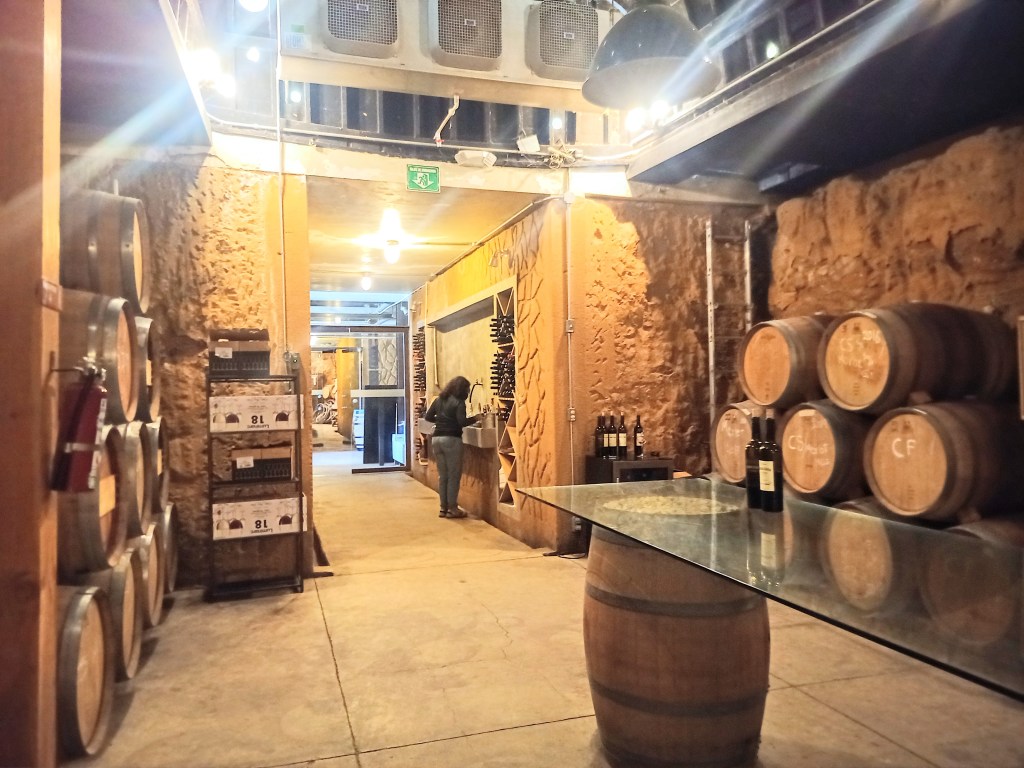
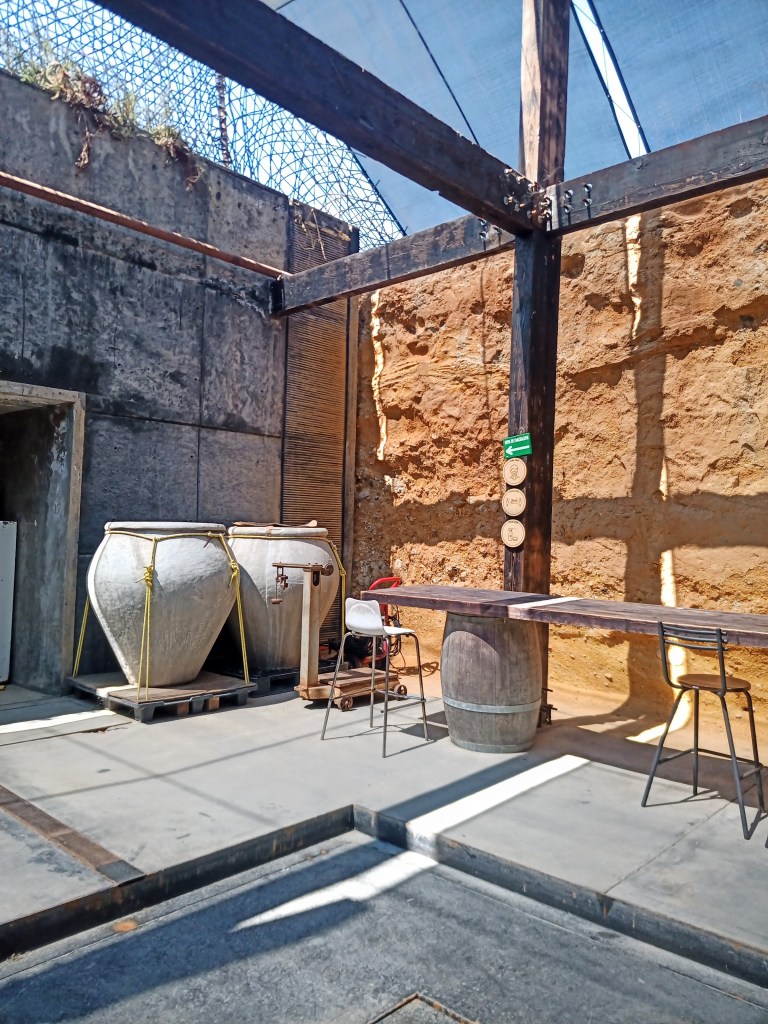
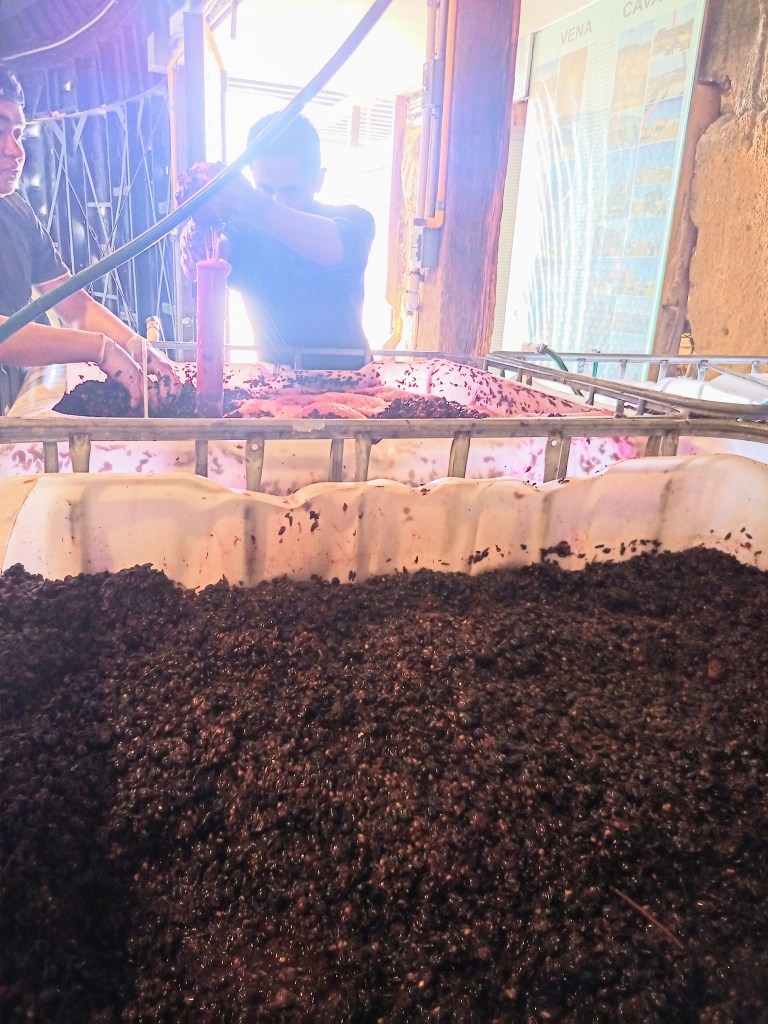
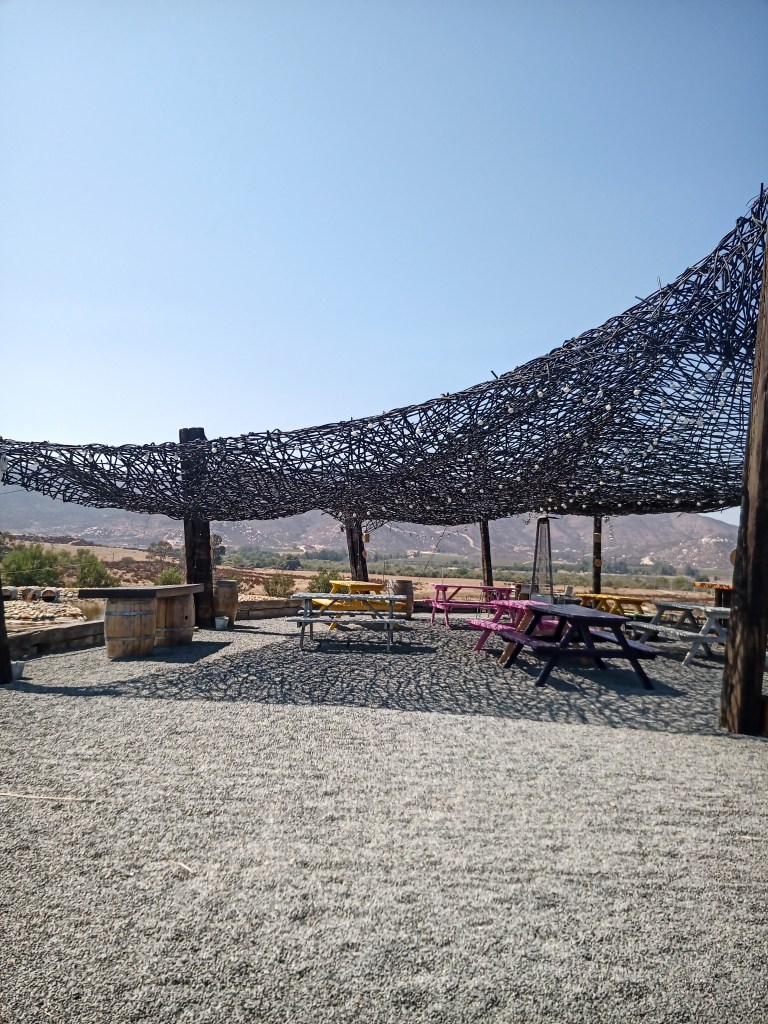
We had a list of recommended wineries compiled by our host. We picked one close on the map from Dona Esthela: Vena Cava Winery. We discovered one tends to lose sense of distance when driving on bumpy dirt roads. Where is this winery? But we did find it & joined a tasting that was about to start: a mixture of regular and organic wines ($20/person). Only the guys bought the plan, and we ladies tasted the tasting & got almost drunk. Good stuff. All 4 of us liked the regular wines better. We could not possibly drink any more wine & the temperature was not helping. So our winery hopping didn’t progress from there.

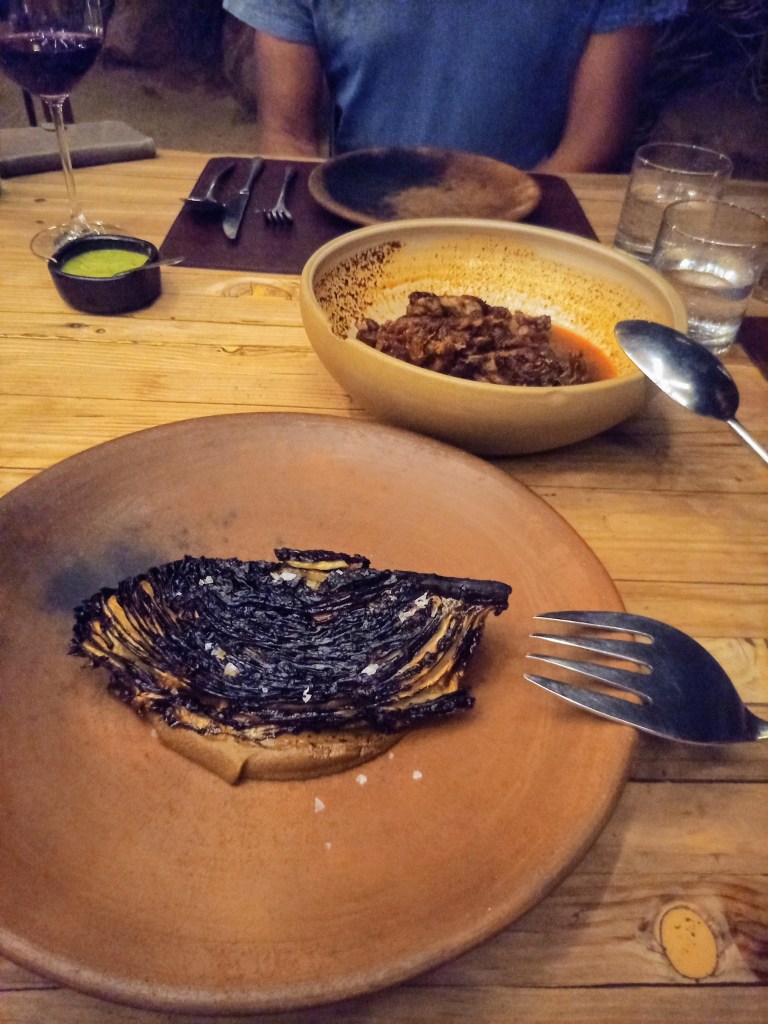
Our friends were heading home the next morning. Where should we have the last dinner together? I picked Fauna because I wanted to see the supposedly beautiful environment and architecture. Commonly known as one of the top restaurants in the whole of Latin America, this might be the best chance of getting in without a reservation thanks to the pandemic. Turned out, there was a guard at the gate to Buruma Winery where Fauna was located who checked the reservation status. He thought we were heading to the Beer Garden which did not require a reservation & let us through. Once we arrived at the restaurant, they were willing to fit us in & even gave us a short tour of the environment. The reputation about the beauty of the place was not over-hyped. Someone with unmatched aesthetic sensibility designed this complex for sure.

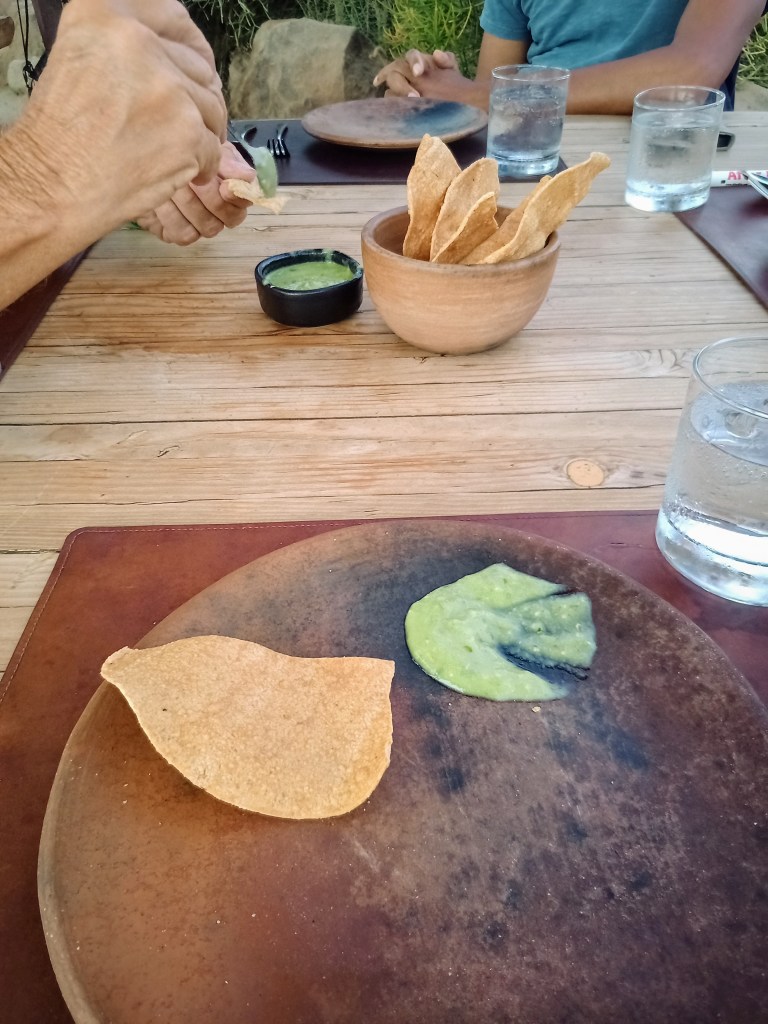
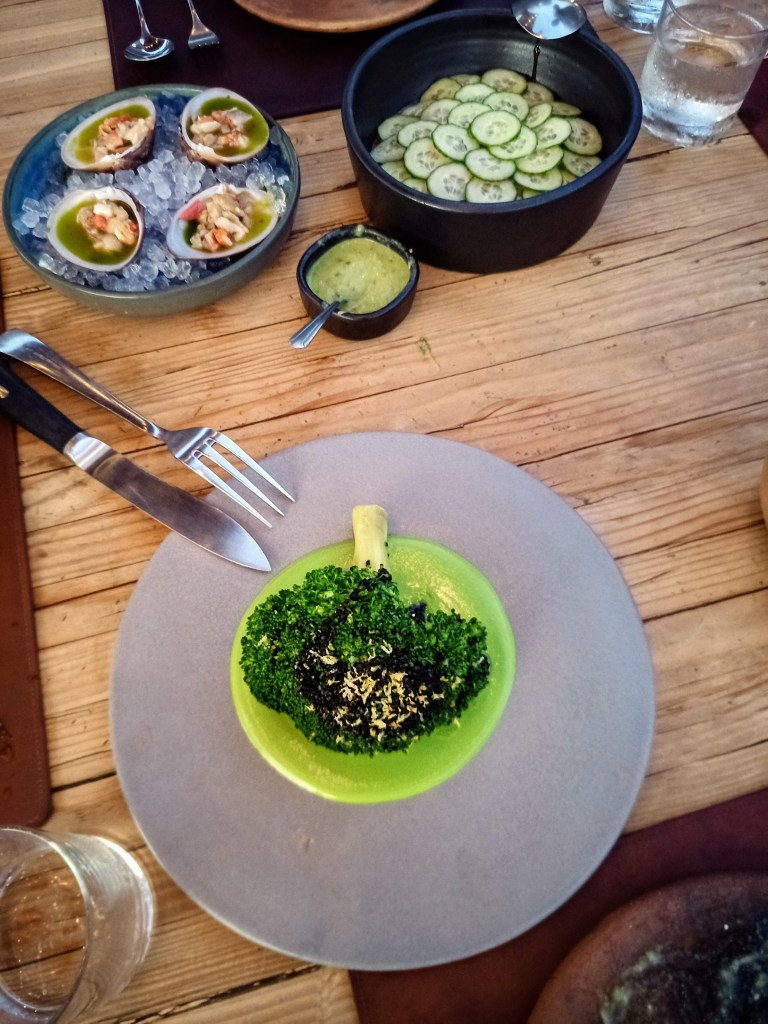
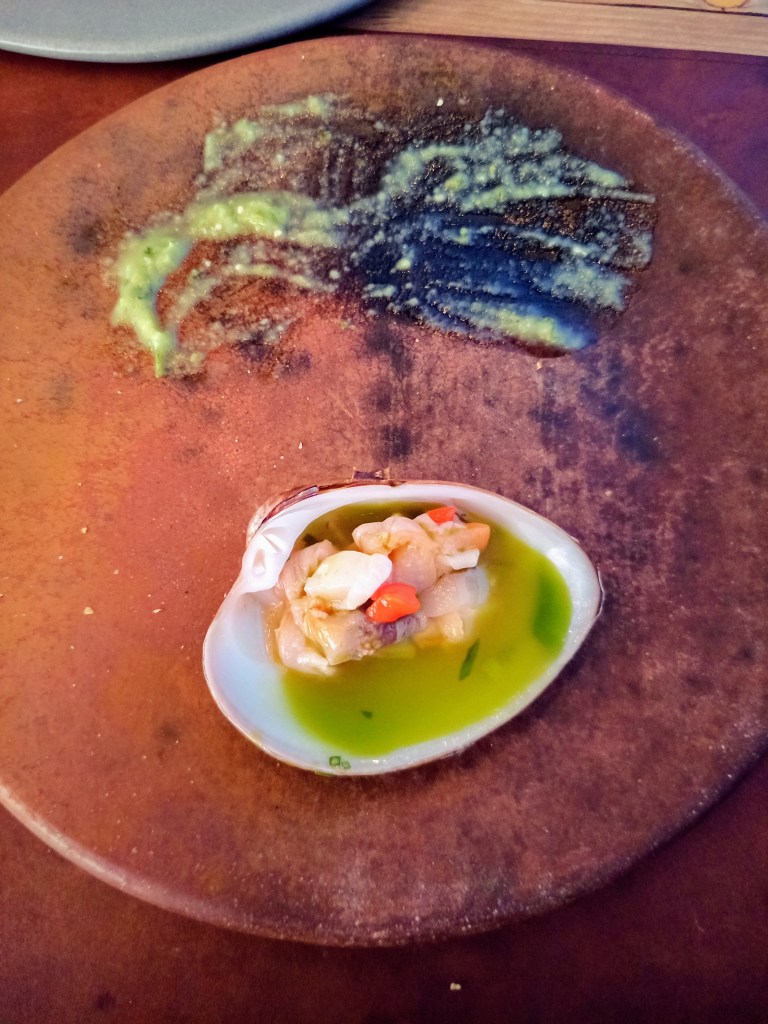
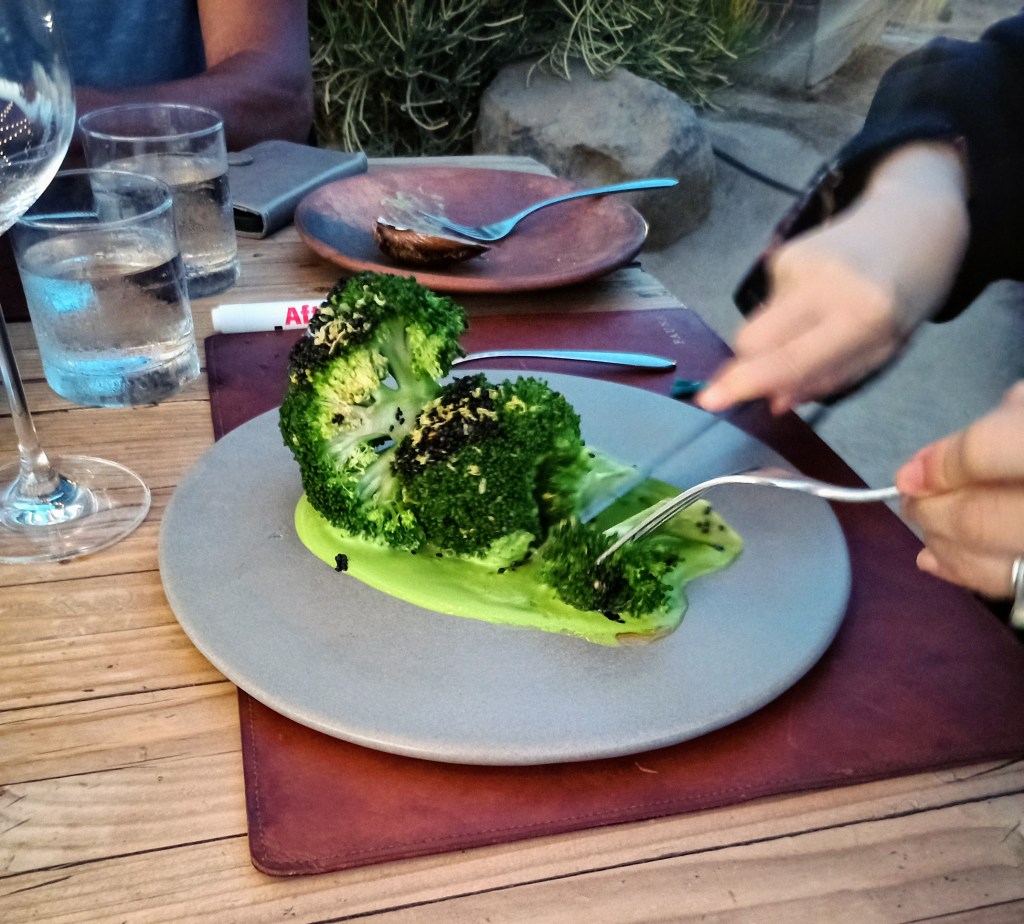
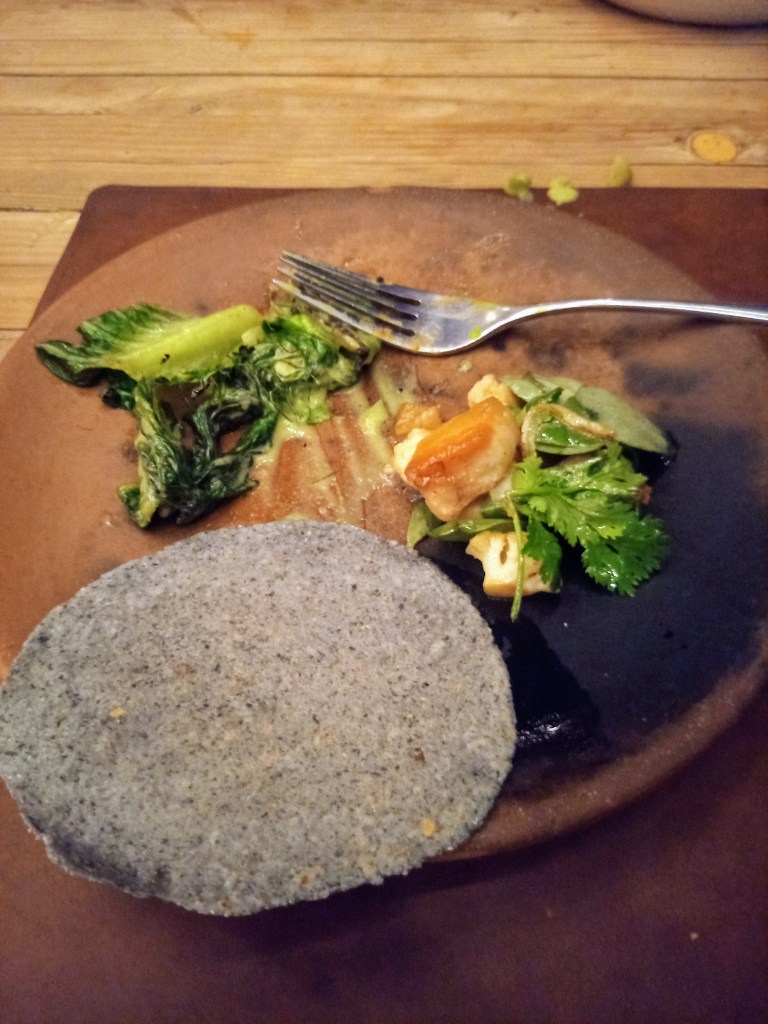
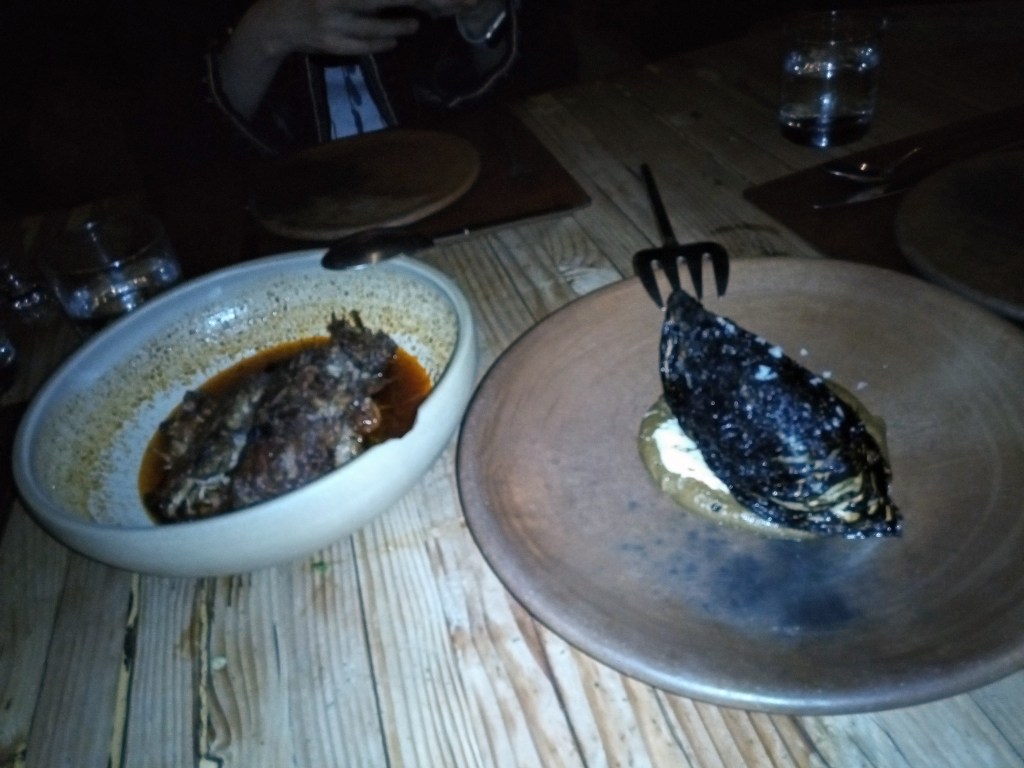
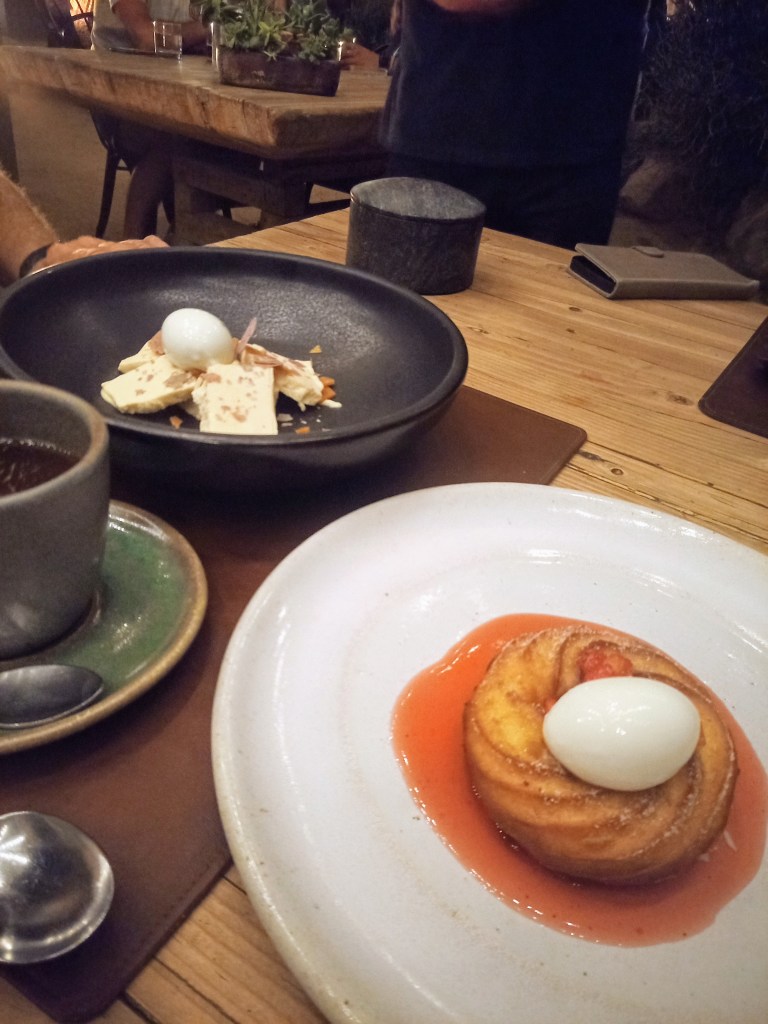
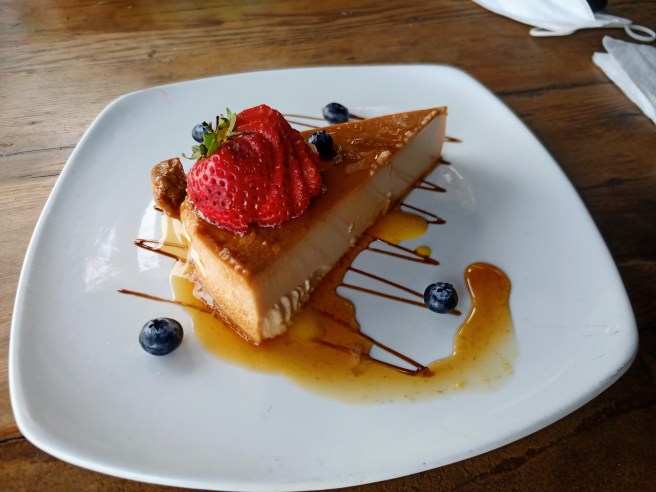
The most important thing about a restaurant is food, of course. We ended up ordering $45/person pre-fixe 7-course meal with a bottle of wine. This is the kind of meal you would have to pay well over $100/person in top restaurants in the U.S. We sat at an outdoor table for 4, thus, it was easier to get up and walk around a bit in between the courses to digest a little so that we could enjoy each dish with better attention. We were getting pretty full by the third course, but, we were so willing to eat every bit of what followed. We almost succeeded.

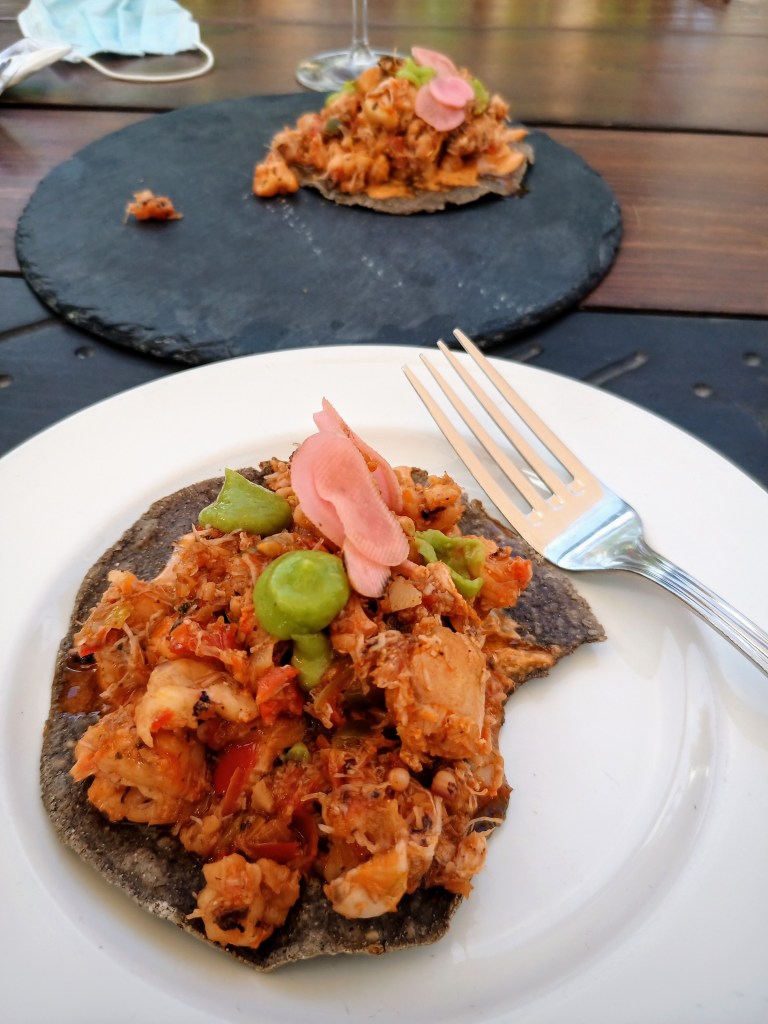
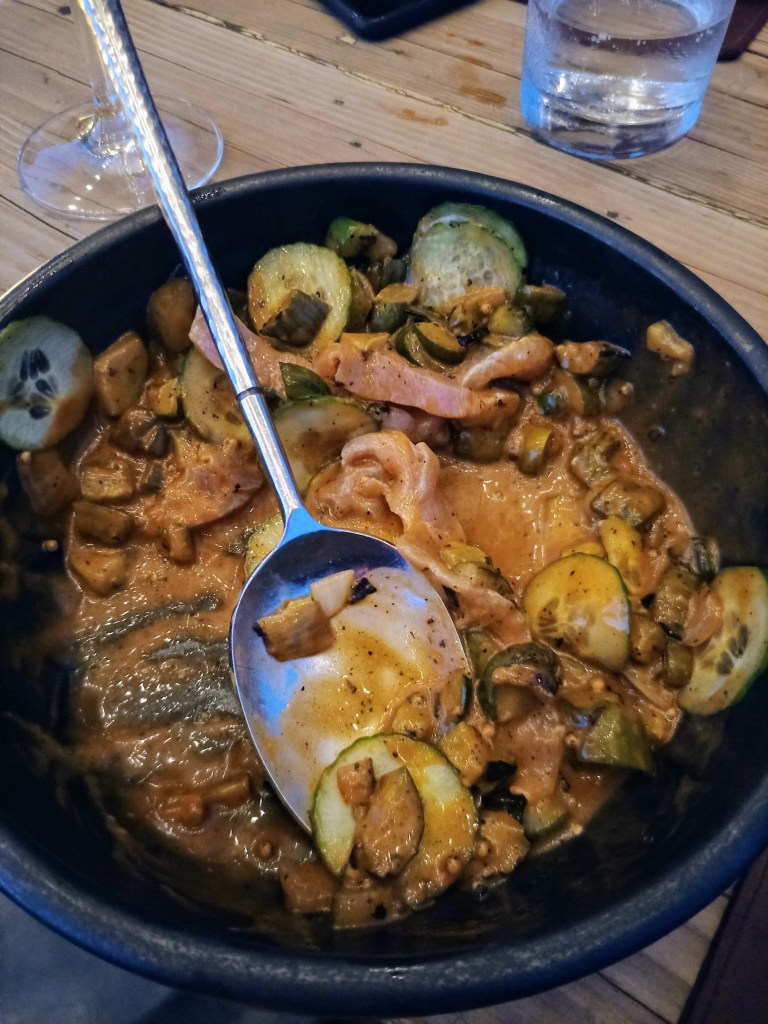
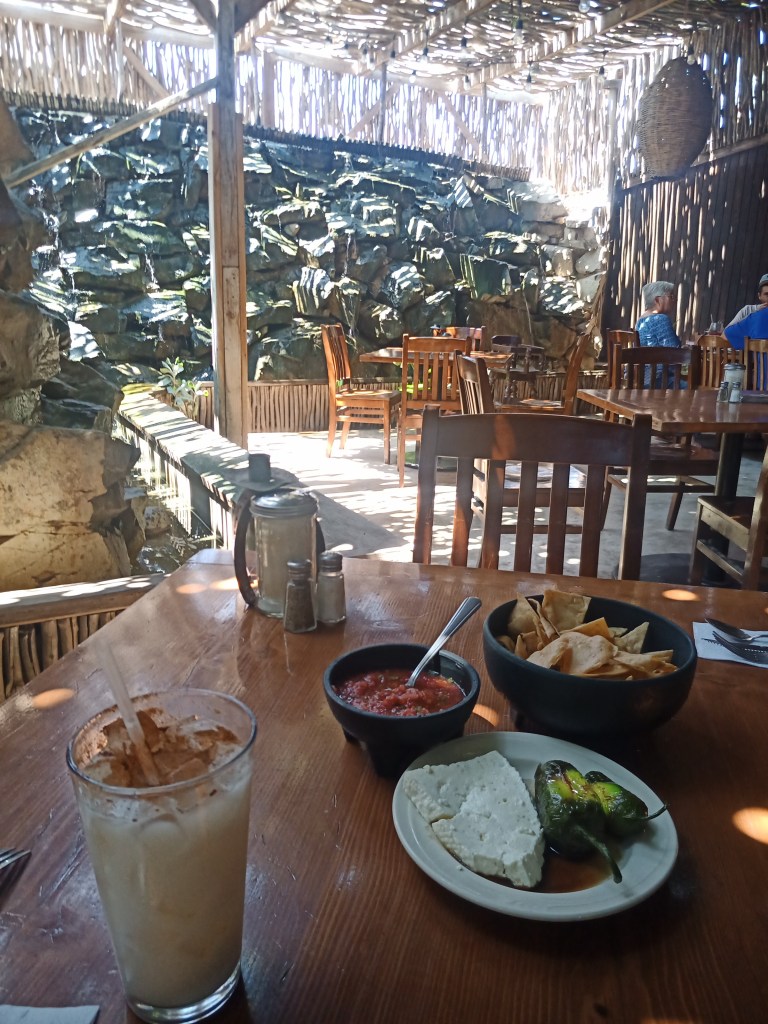
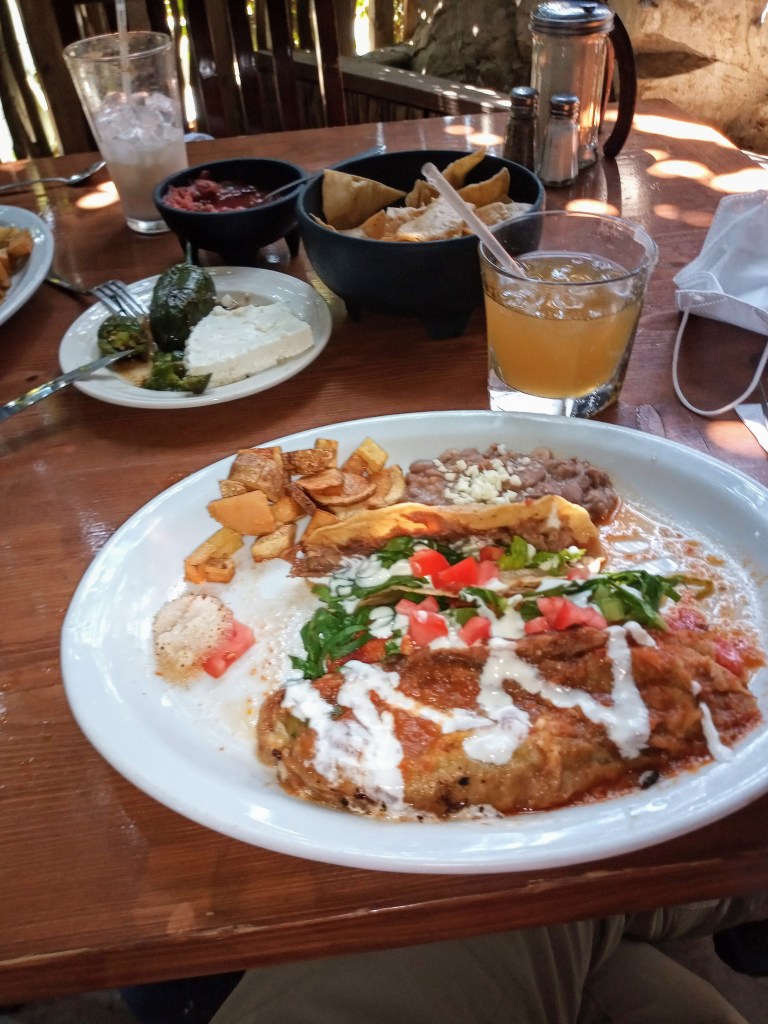
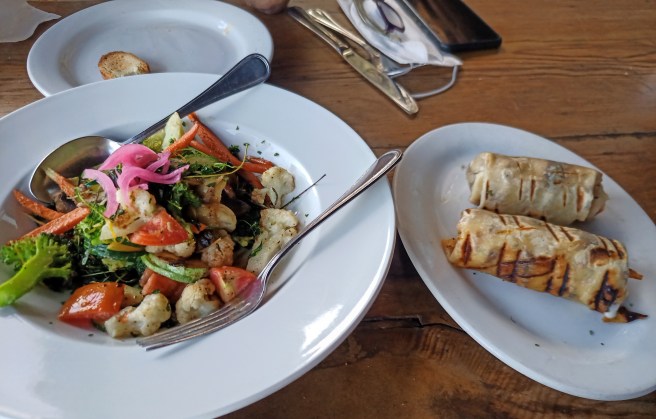
After our friends left, the weather got even hotter. Still, we had to move around to digest the previous night’s feast. So we drove into the town of Guadalupe 15-20 minutes up the main road. We thought we would walk around for a while and find a simple local taco joint for a quick lunch. Well, there really wasn’t a lot to see or do there & much of the town was shut down due to the pandemic. We walked into a roadside hotel restaurant and had another full meal as shown above.

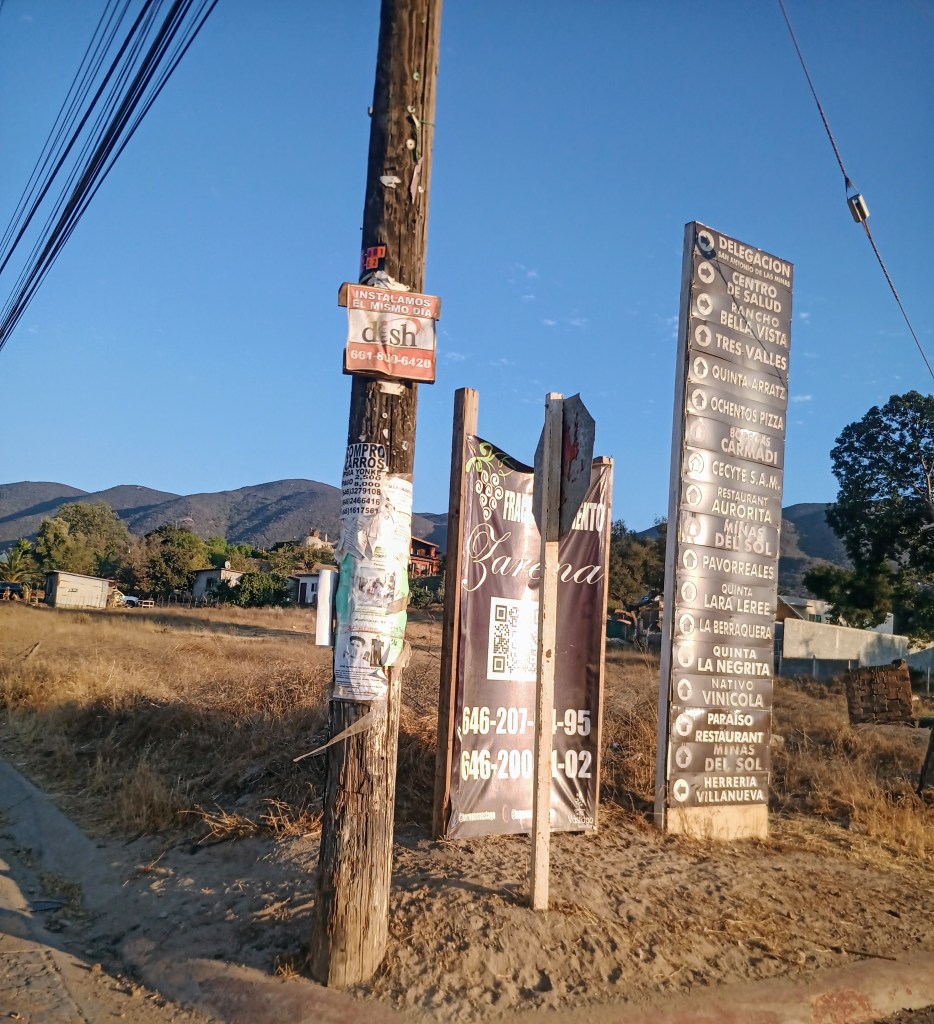
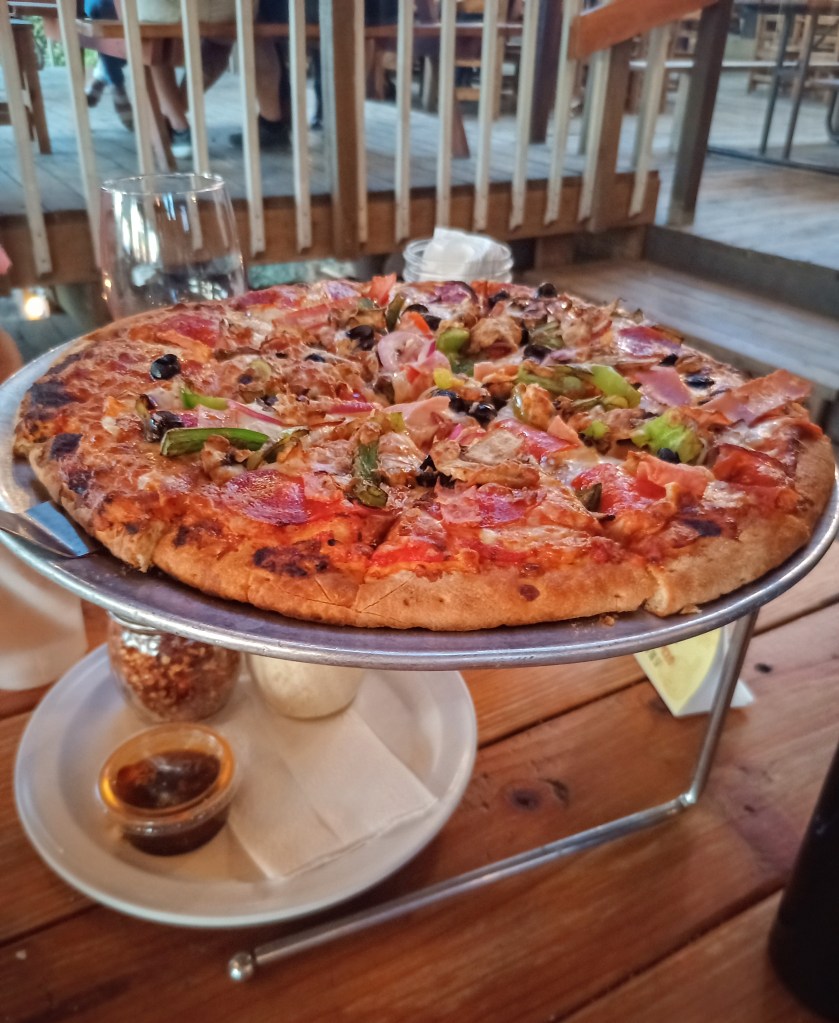
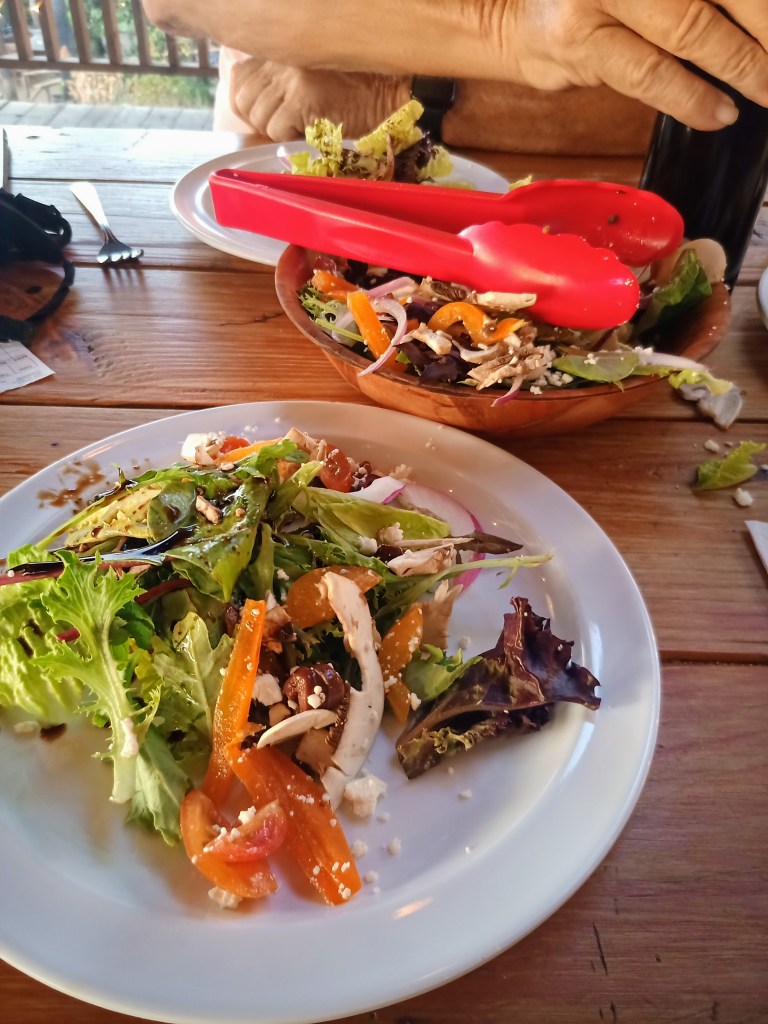
Let’s try something different for dinner, we said. A pizza restaurant with live music sounded appealing. Ochentos Pizza was one of those places that were hiding from plain sight. The rule that worked around here was when you are in doubt, keep going. The restaurant was perched on top of a hill, and the view was fantastic. Pizza and salad were decent, the guitar music was pleasant. So it was a nice diversion from a Mexican meal.

I decided to learn more about Dona Esthela after the first visit and realized we ordered all the wrong things: corn pancakes were to die for, not the flour ones that are there for Americans; Coffee should be the cinnamon infused Mexican coffee; freshly squeezed orange juice is a must etc., etc. So we HAD TO go back. Frankly, I am not a pancake and egg breakfast lover, but, the corn pancakes at Dona Esthela’s with Mexican style eggs – and that orange juice – I will love it every morning! (Well, we did go back the next morning before heading home.)

Where can we go when it’s 90 degrees outside? I was interested in a hike to hot springs, but, not now! So we went to the Wine Museum, pictured above. It was nice and cool inside as expected. We had been there before, but the only thing I could remember was that wine was invented not in Italy, France or Spain but Georgia – no, not the state but the country in Caucasus Mountain. After the second visit, that’s still all I remember. Exclusive use of Spanish language at the museum did not help.

Let’s visit one more winery before heading home, we thought. I picked La Cetto, the biggest winery in the area with scheduled tours. Get there after the temperature cools off, have a free tour, buy a few bottles of wine, then have a nice sunset dinner – said my clever planning. When we arrived there, they were about to close the gate an hour ahead of Google information. (Google did not keep up with the pandemic hours, it seemed.) We did manage to slip into the store and picked up a few reasonably priced bottles – which we enjoyed later at home and said, “we should’ve bought more!!” If anyone ever saw a Mexican wine in the U.S., it might have been La Cetto since that is the only winery big enough to have marketing ability to do so. They have a wide range of products from $3 bottle to $100+ ones.

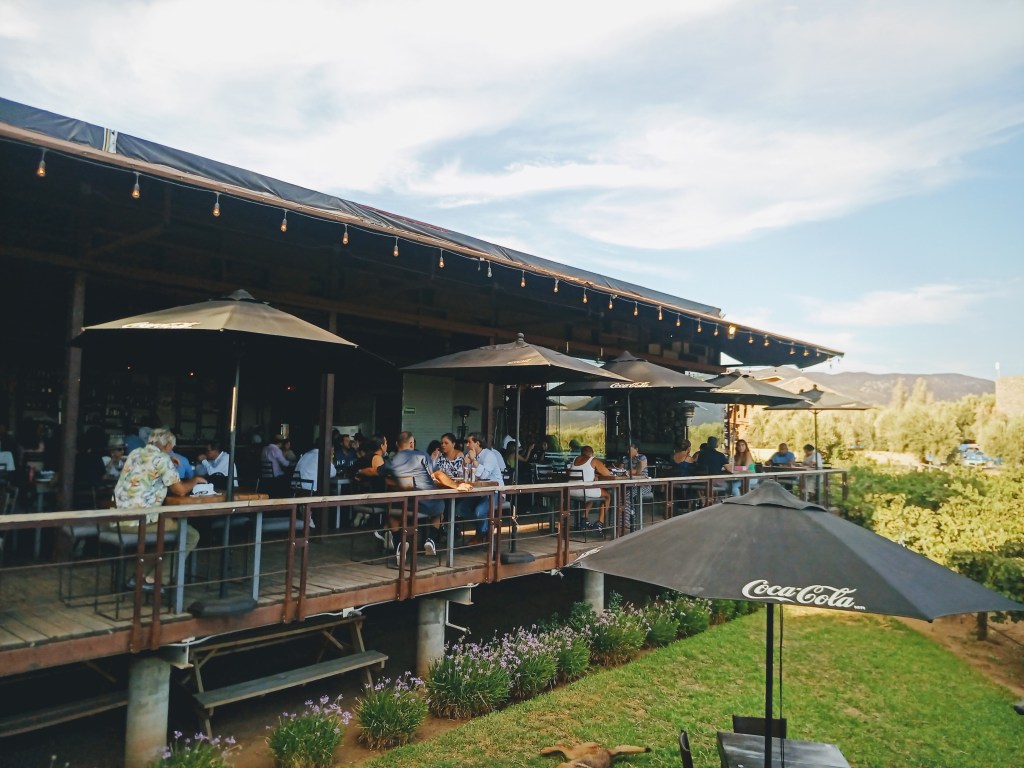
Dinner was at La Esperanza Baja Med, the originator of Baja Mediterranean cuisine, hiding behind the bushes almost right across from the Buruma Winery entrance. Fresh, healthy, tasty food and beautiful sunset view. What’s there not to like!

5 days went by so fast, and, we didn’t even scratch the surface of the wine & food scene of Valle de Guadalupe. Rather unpretentious vibe of this valley that is full of surprises will entice us to return whenever possible. After all, it’s just a 4 hour drive from home!

Crossing the border back into the U.S. was not complicated — it just took a long time. We had heard that our friends got through the Tijuana Crossing in 20 minutes with their Global Entry status. Our wait time was 2 hours at the same crossing. We applied for Global Entry as soon as we got home.