Tunisia Itinerary: 6 Nights

May 2025

How do you choose one photo that shows what visiting a particular country feels like?

I don’t know the answer to that question. Tunisia came onto our radar when a daughter of a friend who works at the State Department started going there a lot. When our latest transatlantic cruise ended up in Barcelona, we flew to Tunis to check it out.

6 days was probably not long enough to see the whole country, but we managed to get the feel for the country. People go to Tunisia for the Carthage ruins and the historical/archeological stuff or the beaches, it seems. We didn’t cover the beaches, but, we live near a beach & we don’t always seek beach resorts when we travel. So we were content with what we saw.

Itinerary:

We flew to Tunis via Rome, spent 2 nights in the Tunis suburb of Sidi Bou Said (had a tour of Sidi Bou Said and the Carthage Archeological Park), rented a car and drove down south (540 km; 5.5 hours) to Douz to explore the Sahara area (including Djerid Lake, Tozeur) for 2 nights, drove back to Tunis via El Jem, returned the car, spent 2 more nights in Sidi Bou Said (did a Tunis city tour), then we flew out to Duesseldorf.

How much?: 2 friends joined us for the trip. Per person costs below.

Flights: Barcelona to Tunis on ITA Airlines ($220 with a checked bag); Tunis to Duesseldorf on Tunis Air ($75 with one checked bag)

Rent car: an automatic midsize car with a full* coverage for 3 days ($240 = $60pp) *we don’t usually buy extra insurance because our credit card covers the CDW, but, not knowing what to expect in Tunisia & the price was not too expensive, we got the full coverage.

Lodging: Airbnb (2 BR/2 BTH) in Sidi Bou Said for 4 nights ($75 pp), B&B in Douz for 2 nights ($95 pp)

Meals: no matter which restaurant we went to, the final tab tended to be around 50 dinars (around US$17) per person – with a soda/beer

Others: gas was a little cheaper than the U.S. Admissions were reasonable enough so that I wouldn’t even itemize them. The Sahara desert activities arranged through the B&B owner were quite reasonable (about $5/hour per person)

Total local costs per person for the 6 nights in Tunisia: about $450 – 500
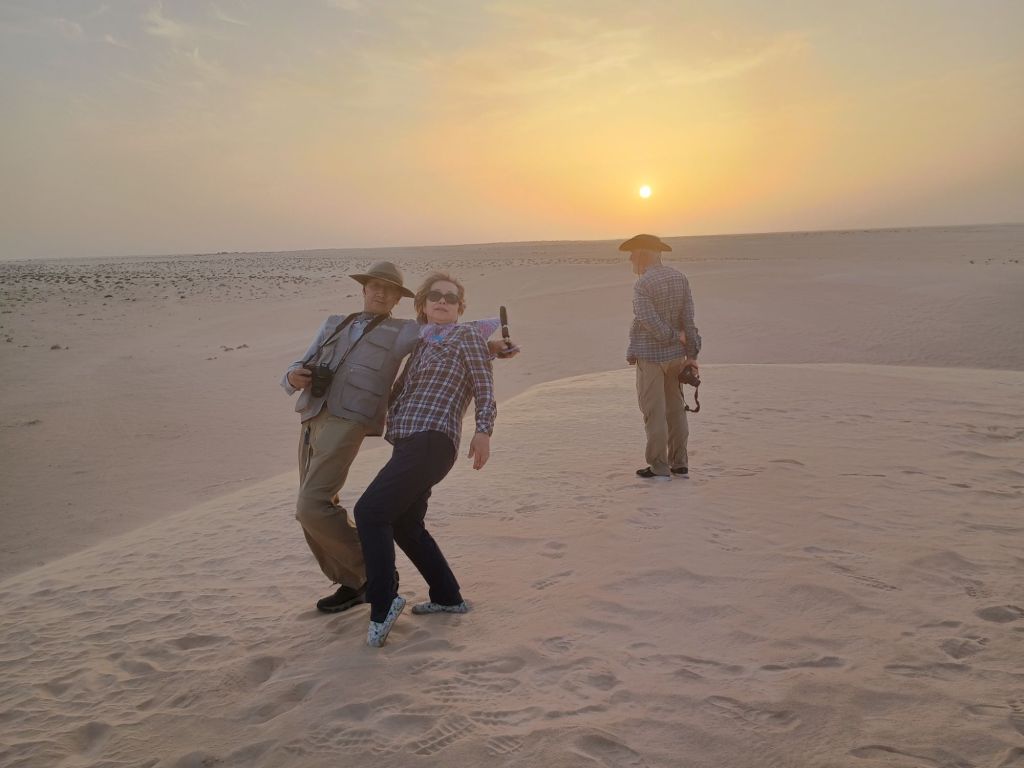
Road condition: highways were in good condition & not very busy in early May. City streets could be congested and even chaotic at times

An important note: currency exchange was not readily available. Euros were accepted at times but not USD. Most ATMs disbursed up to 200 dinars (about US$ 70) at a time. This made it a chore to find an ATM that handled international transactions and kept enough dinars in the wallet since credit cards were not always accepted.
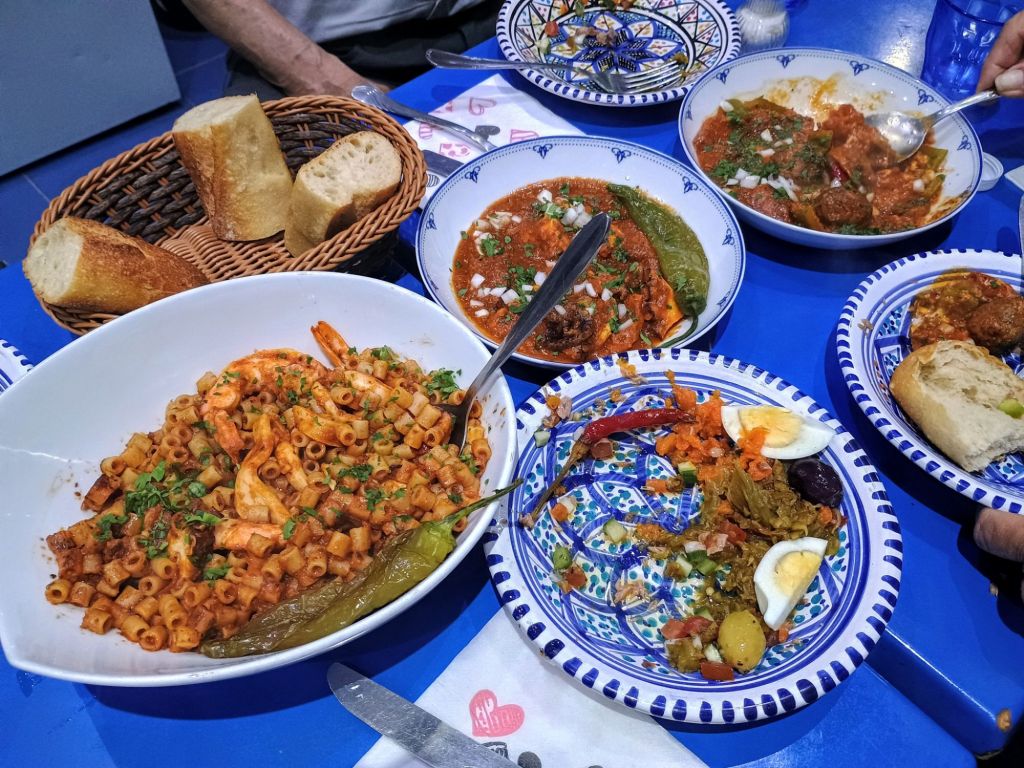
a Tunisian dinner

Impressions:

We couldn’t help comparing Tunisia (population: 12.5 million) with Morocco (population : 37 million) – both north African countries historically tied with Europe & having the presence of the Sahara Desert. There’s a big country of Algeria in-between the two, but they seemed to have similar climate and the cultural mixture of Europe and the Middle East.

Tourism seemed to dominate Morocco & they were much more ready (a bit too eager?) to welcome foreign tourists. Tunisia was only waking up to the potential of tourism. This meant more competition within the industry in Morocco which translated into cheaper prices for tours and such.

Even though the per capita GDP is similar ($3,500 – 4,000), Morocco felt more modernized and affluent. I thought food was better in Tunisia: Moroccan food was great but most local restaurants seemed to offer the same menu of tagines, couscous, and grills – and I got a bit tired of them after 4-5 days. Tunisian local restaurants offered a more varied style of cooking and ingredients (even though I can’t remember the names of the Tunisian dishes) in my opinion.
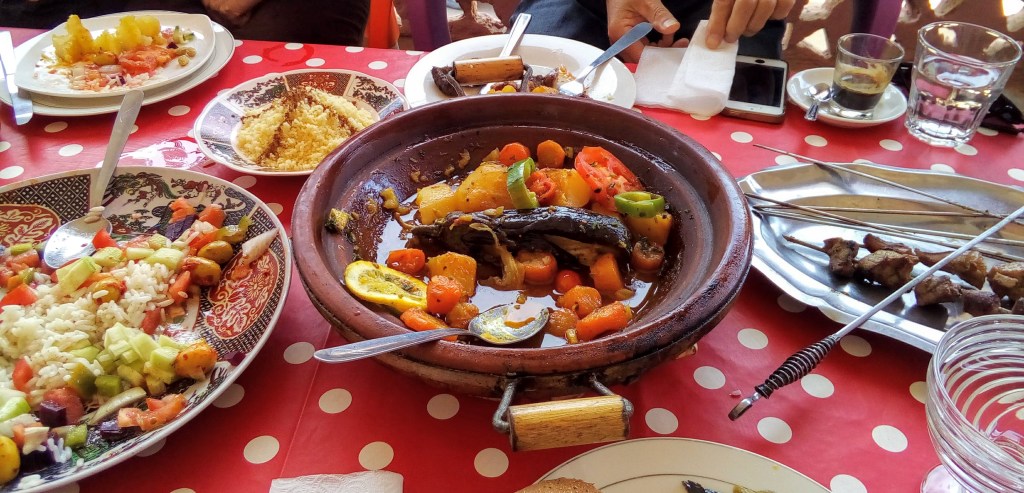
a Moroccan dinner

So would we want to go back? We will never say no, but we won’t likely to rush back to Tunisia.

blog links:

Sidi Bou Said – Carthage – Douz – the Tunisian Sahara – El Jem – Tunis
Bremen (Germany): One Night

May 2025

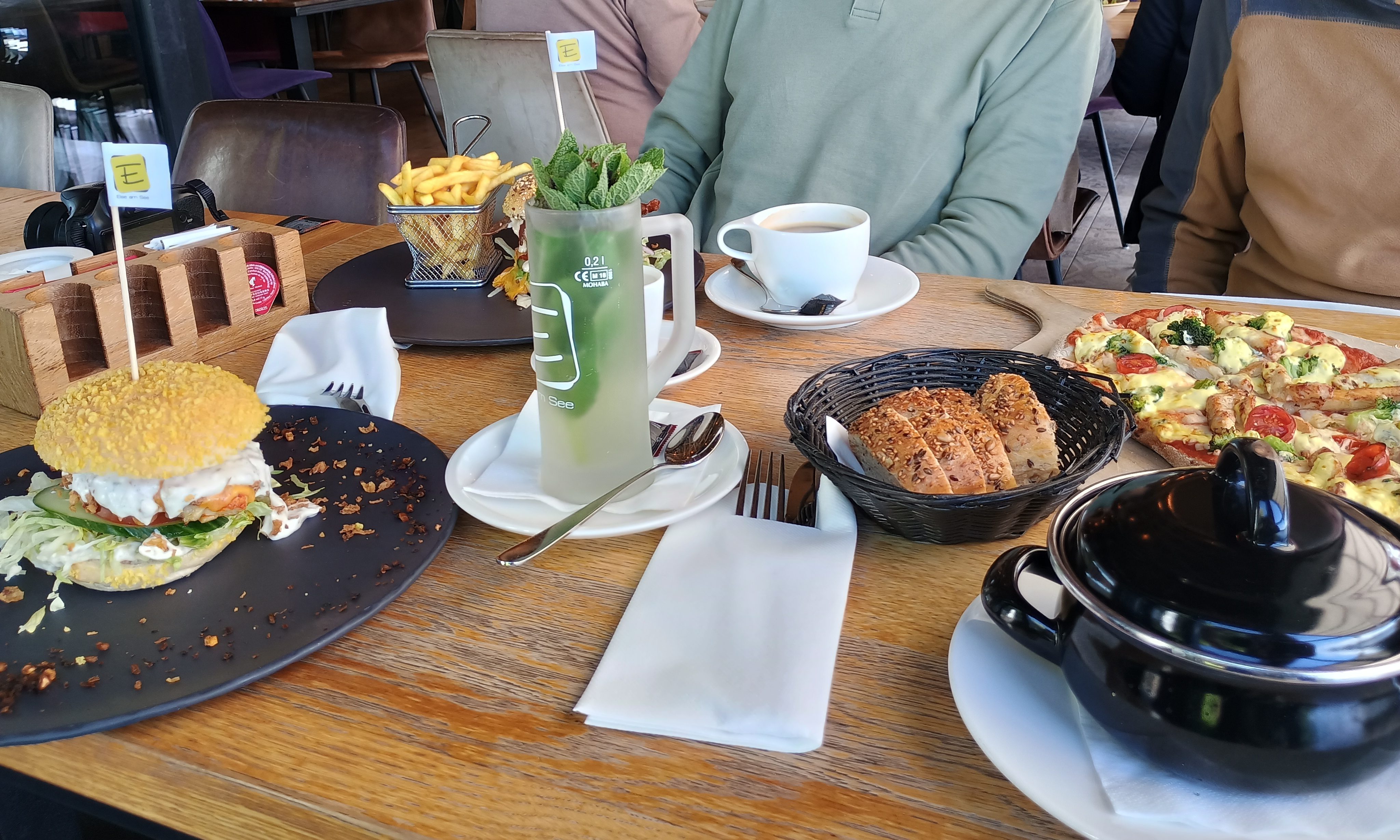
Else am See restaurant was a great find

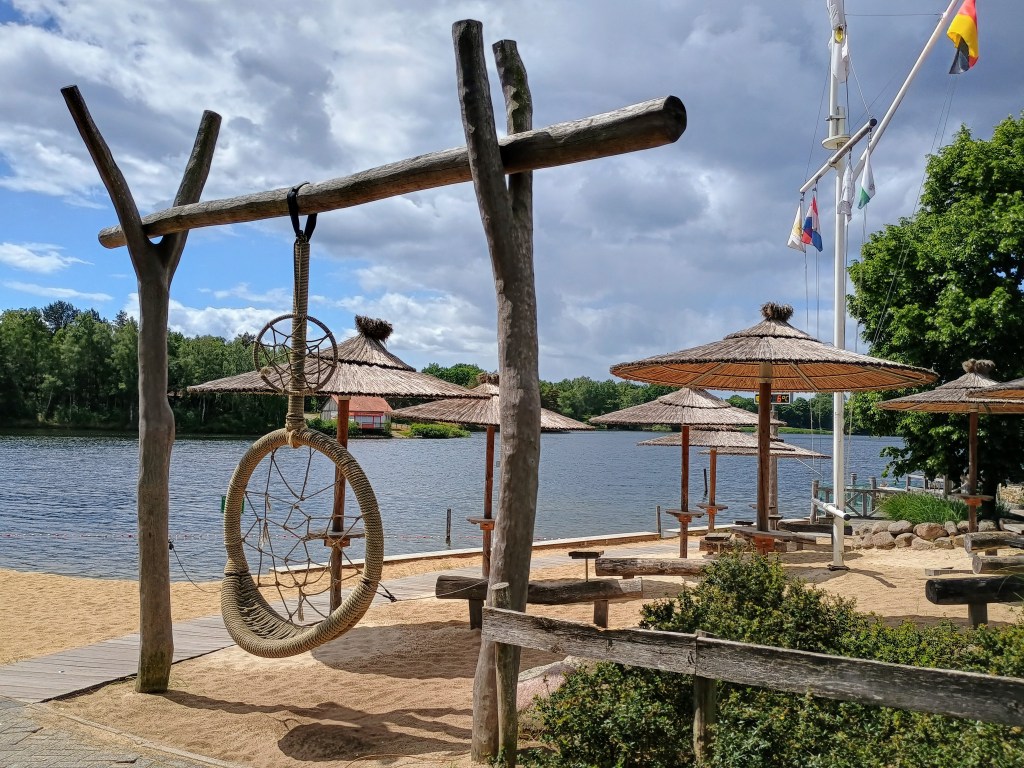
Sometimes you find a gem totally unexpectedly. We were driving to Bremen on our way to Hamburg after spending almost 2 weeks in Riel, Netherlands, and, I was looking for a lunch stop to break up the 6 hour drive. Gary was excited about finally driving the Autobahn, and, the first half of the trip went by quickly. I started a restaurant search on Google Maps and noticed a highly rated place not too far from the freeway. Well, it wasn’t that close, and there were lots of turns that seemed to get us away from any kind of civilization. Suddenly a lakeside recreation area appeared, and there was the restaurant.

The menu was similar to a generic lakeside casual dining eatery in the U.S. But the food was excellent and the price was right unlike most restaurants with scenery to boast about.

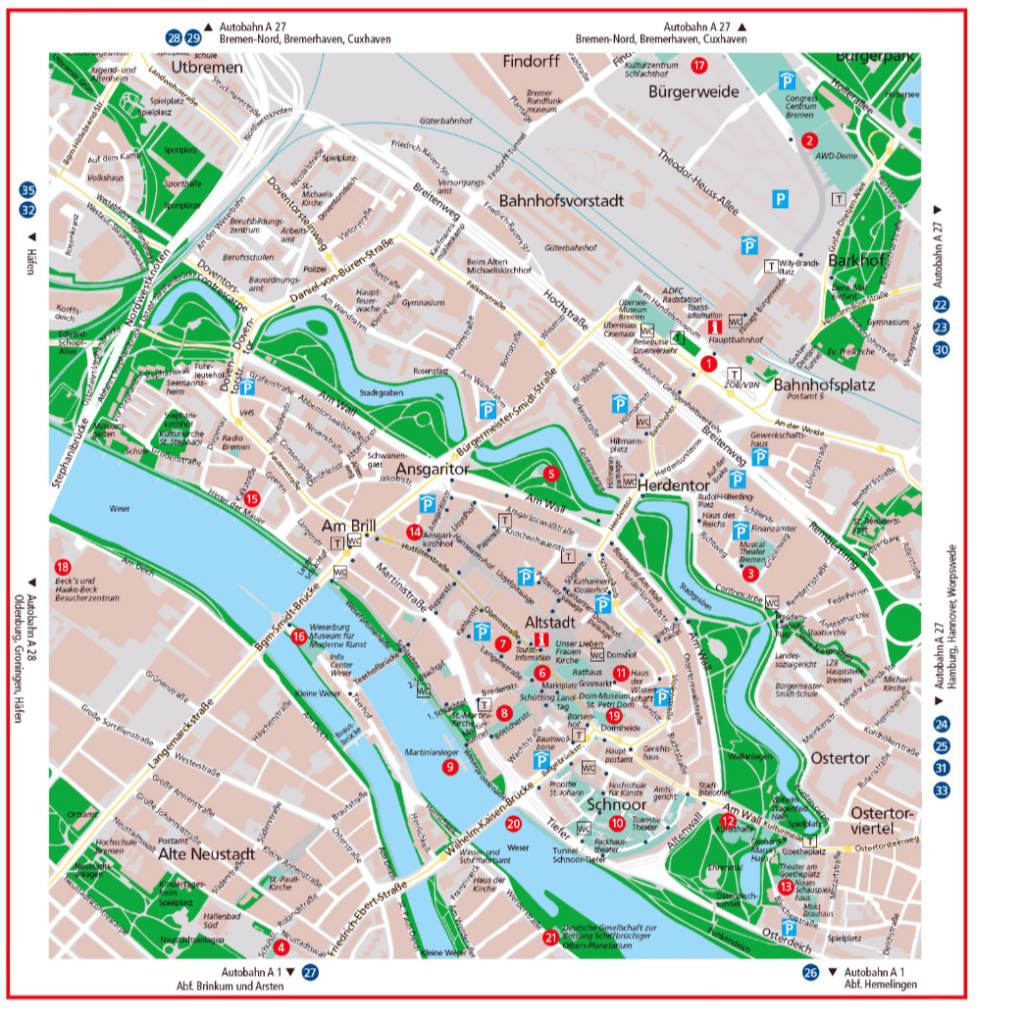
In Bremen, the Aparthotel Adagio Bremen was perfect for us once we found it. It was around the corner from the Central Station (#1 on the map above) & there was an all day 5 euro parking structure diagonally across from the hotel. The tricky part was finding the entrance to the hotel. The hotel consists of one section of a huge building complex. You have to be at the correct entrance to see the hotel whose lobby is on the 6th floor & there were many entrances to the complex. The hotel was very comfortable with spacious, clean rooms at 65 euros/night.

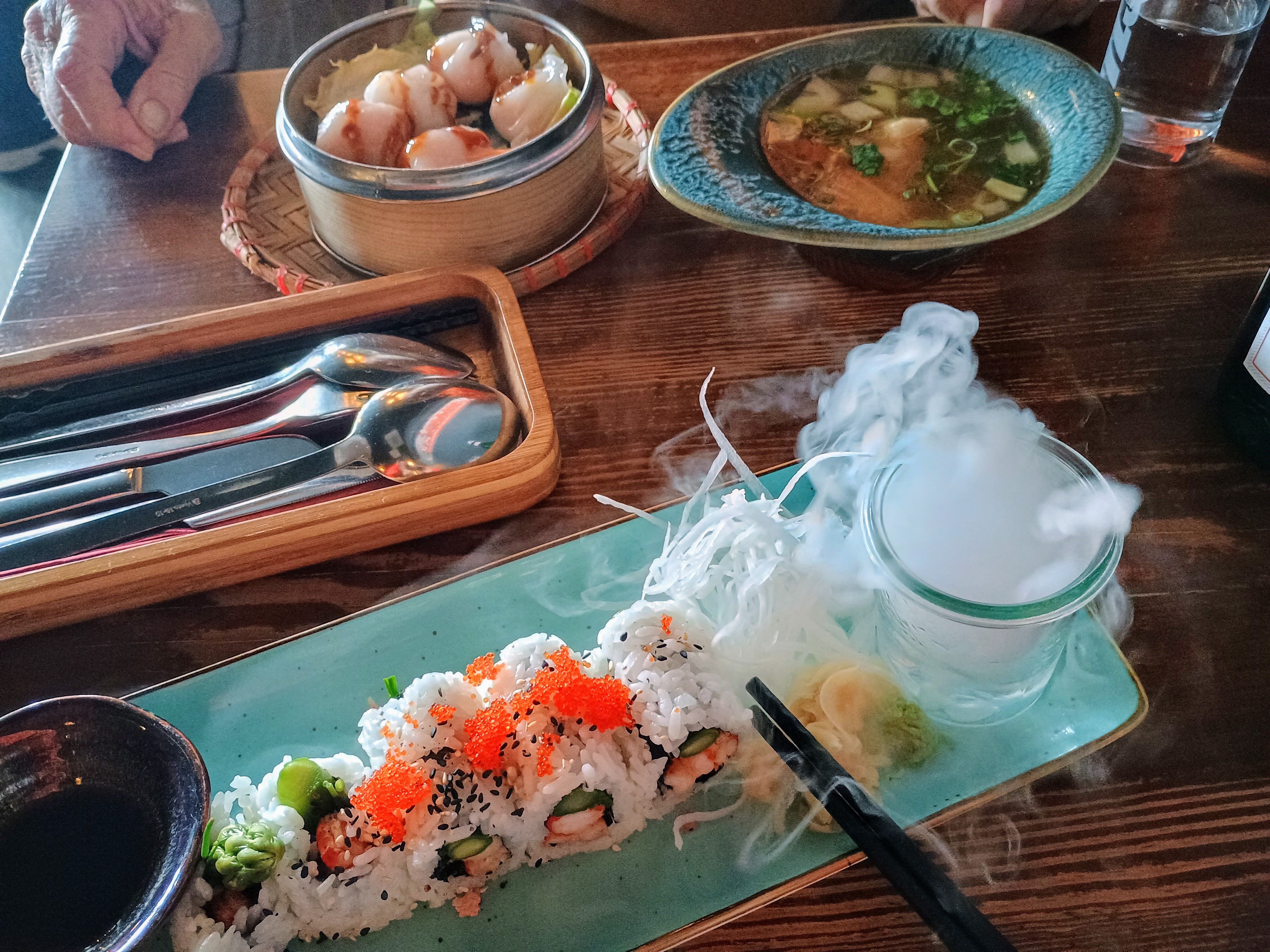
It had rained on and off all day, and, the rain became serious as we entered Bremen (population: 560,000). Since we were near the Central Station, there were plenty of places to eat. We ended up at an Asian restaurant which seemed to have a more comfortable sitting area than the other quick meal places. The food was better than we expected.

The next morning was sunny, and we started our exploration at the Central Station whose architecture was interesting.

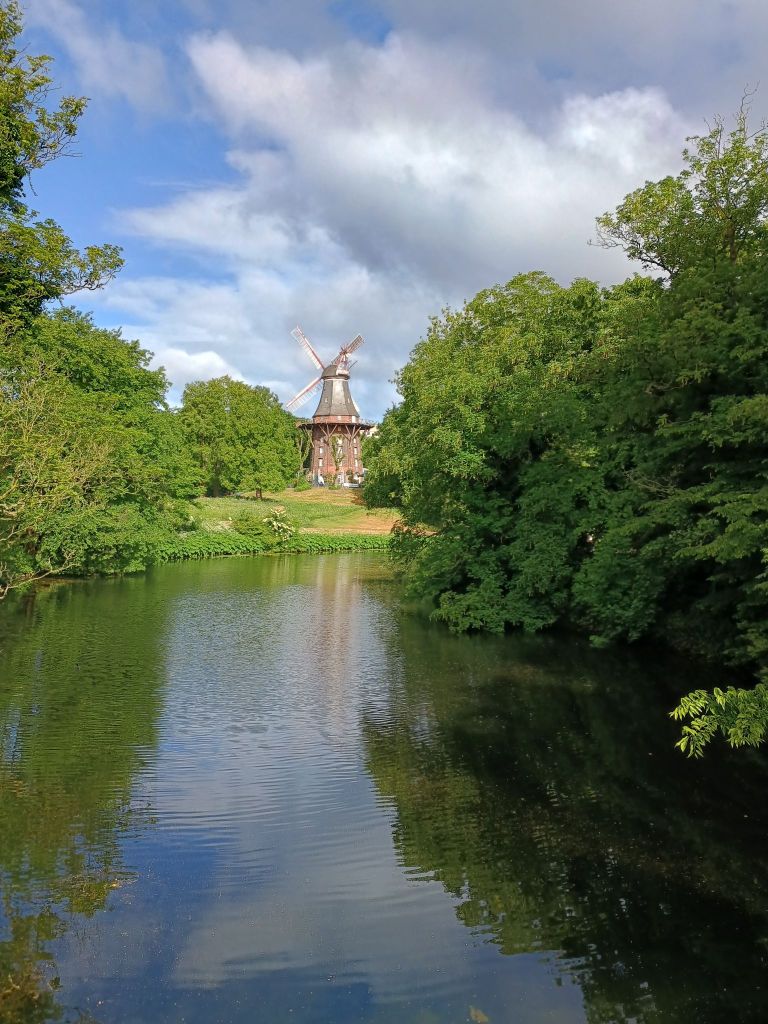
We walked toward the Old Quarter and crossed a bridge that showed a windmill. Oh, are we still in Netherlands?

A 10-15 minute pleasant walk delivered us to the Market Square (#6 on the map)which is smack in the middle of the Old Quarter.

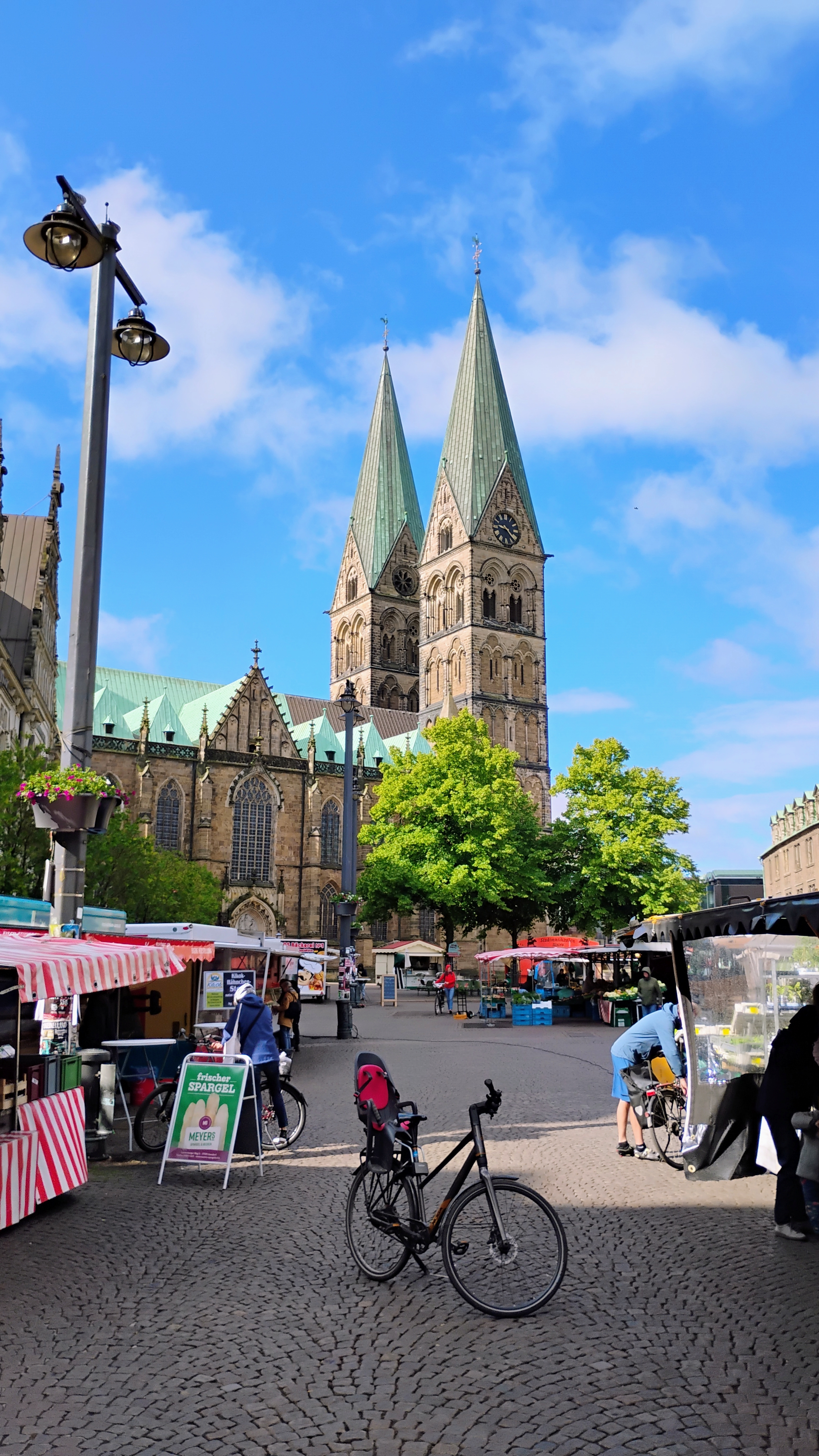
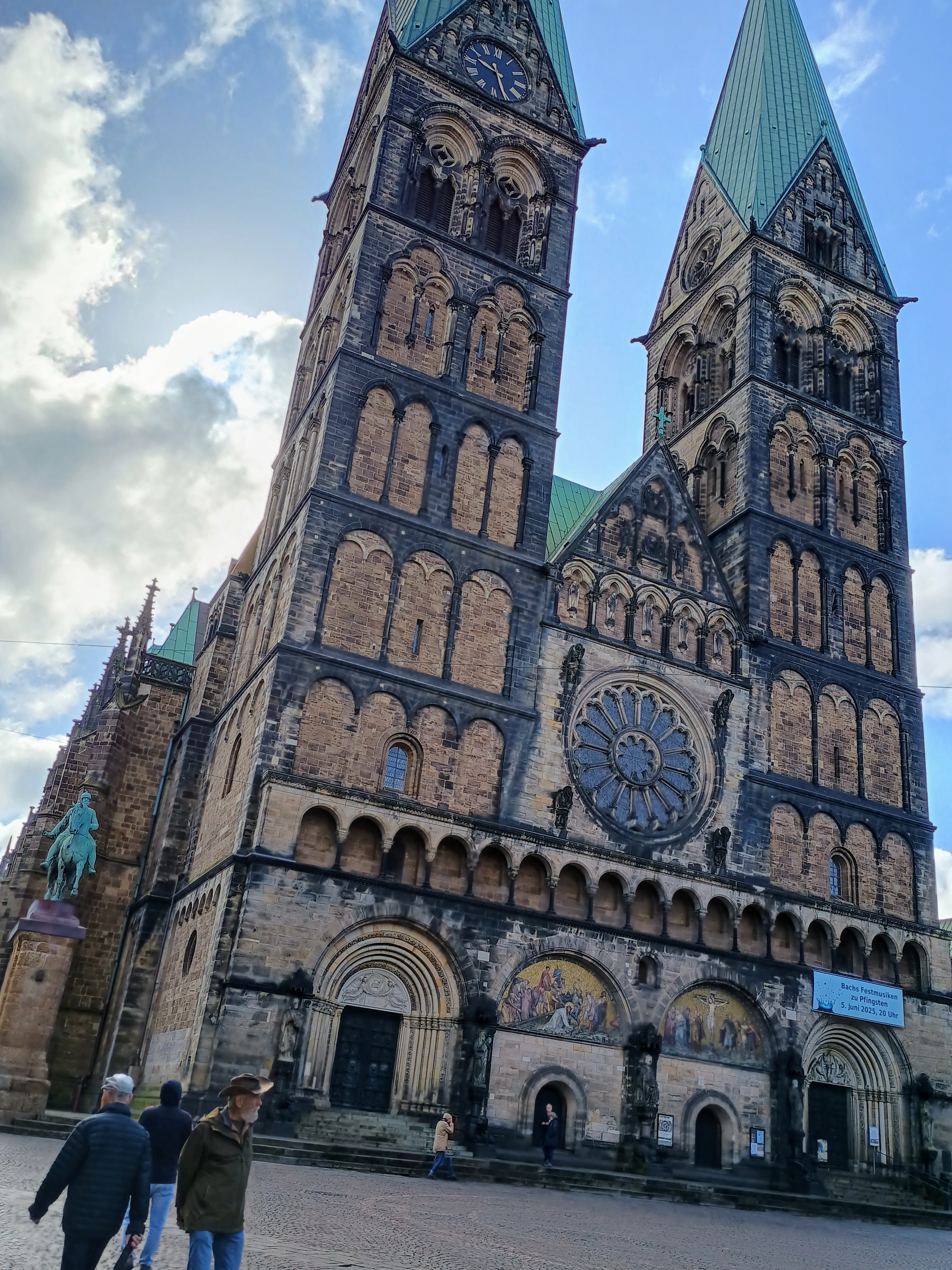
St. Peter’s Cathedral is in that general area.
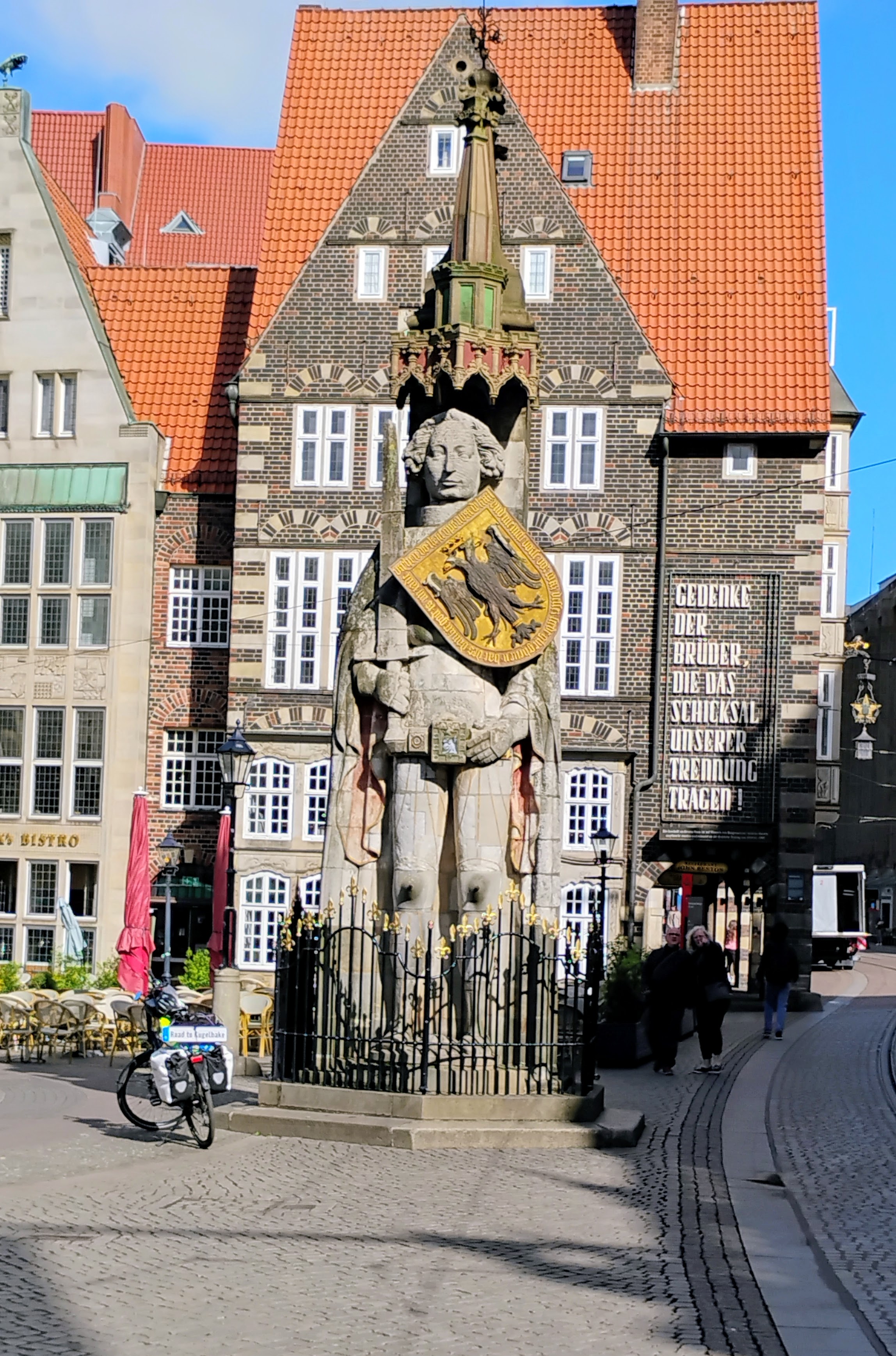
So is the Bremen Roland statue. We were in Bremen briefly once before, but the only thing I remember from that trip is this statue.
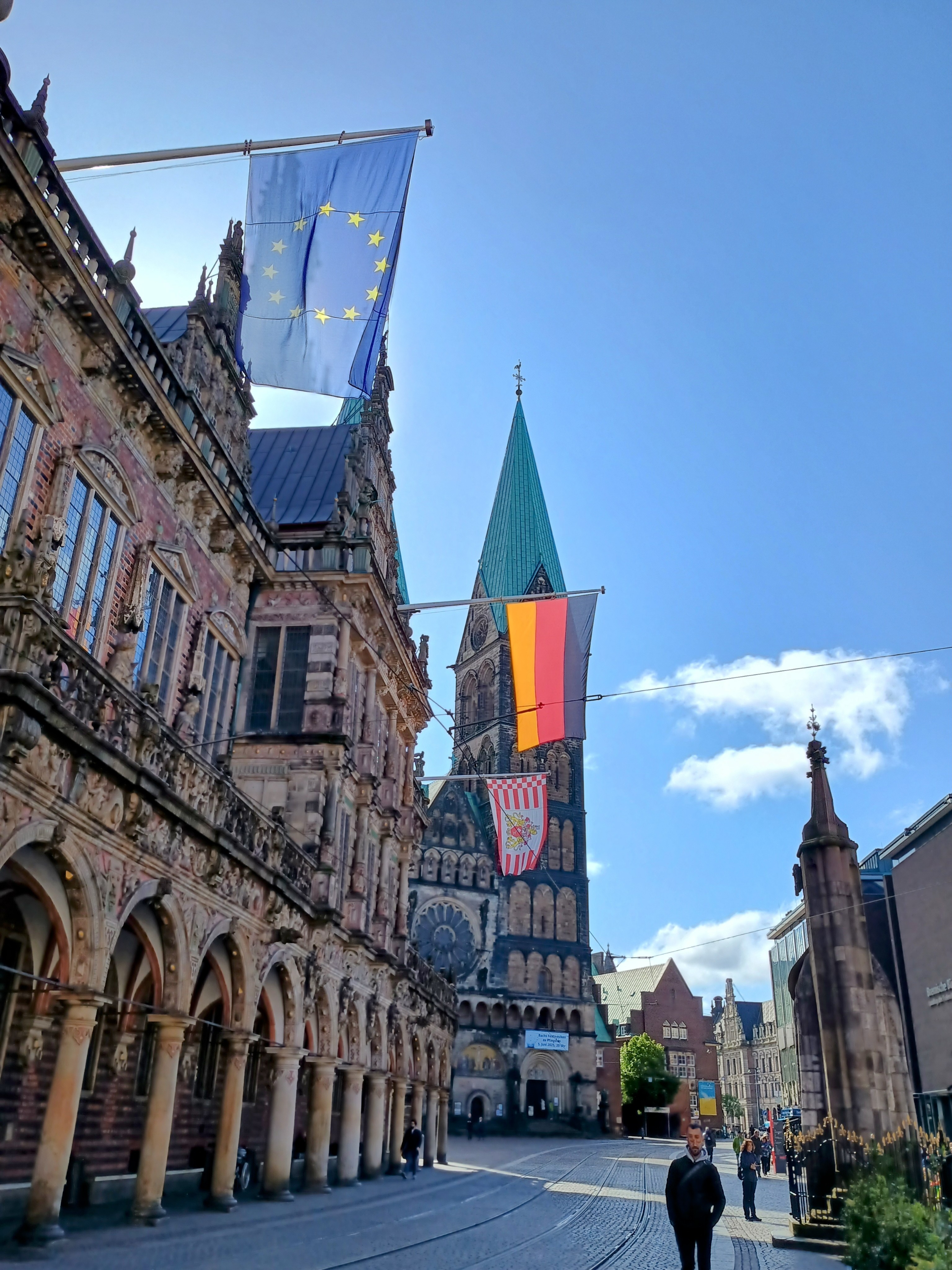
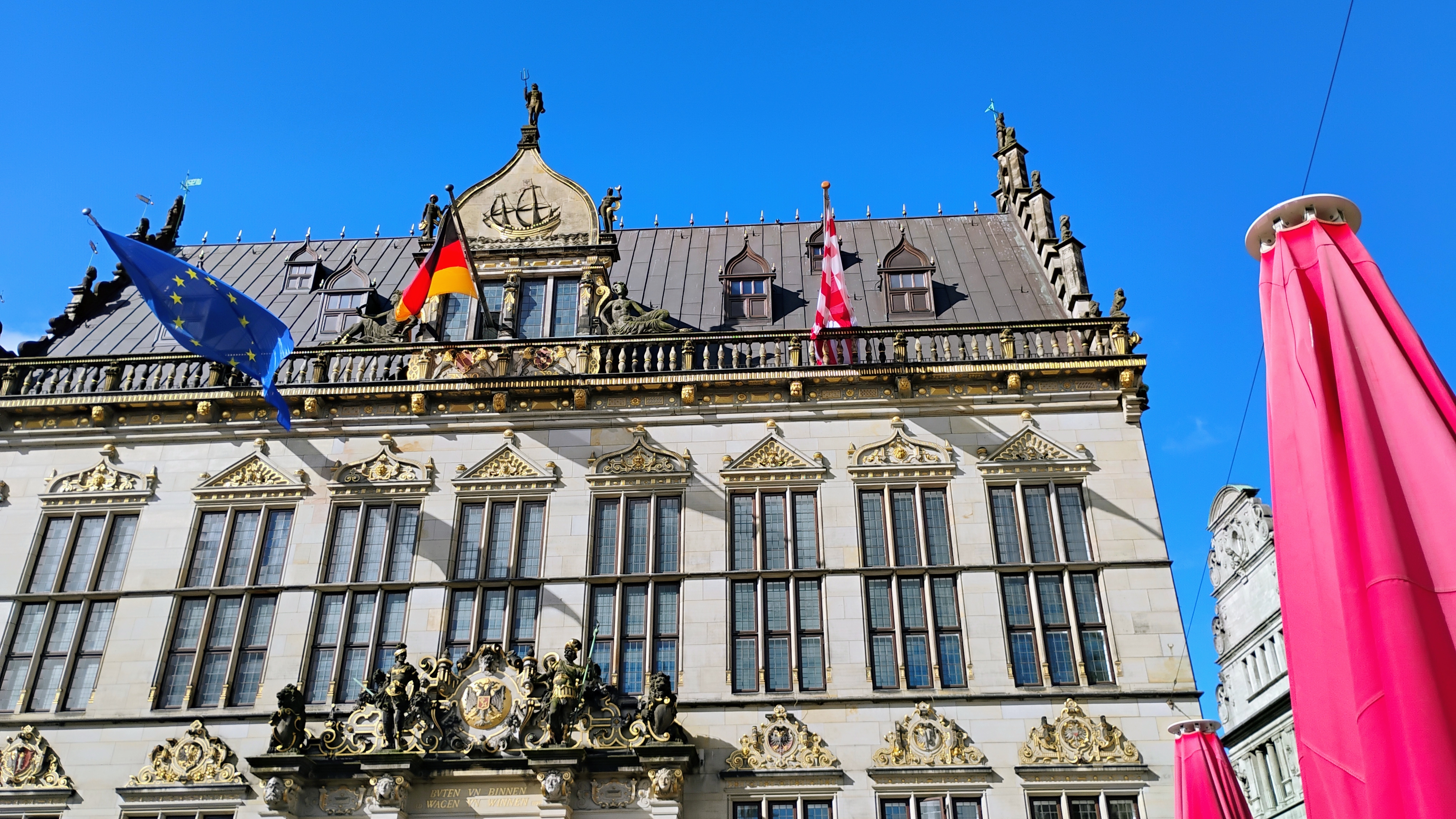
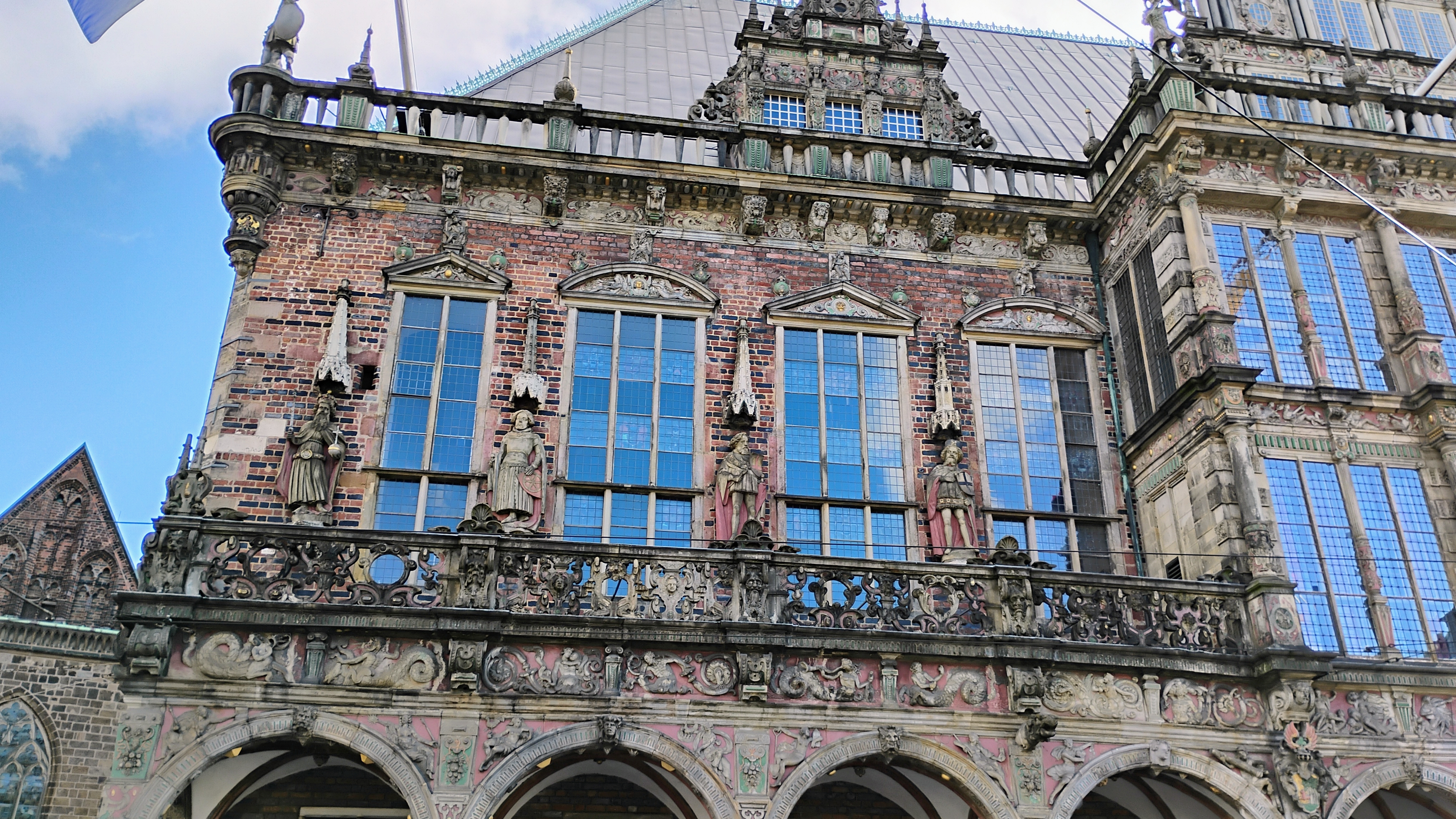
And the beautiful City Hall is right there, too.
If you walk around the western corner of the City Hall, you will see…
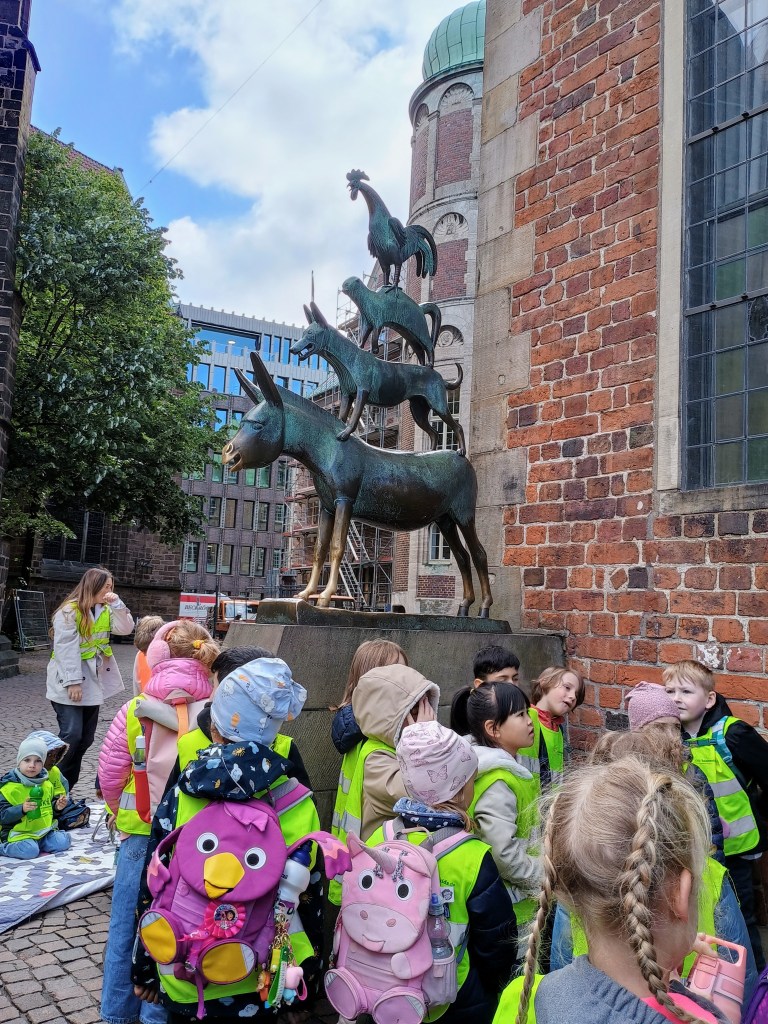
the most famous symbol of Bremen: the statue of the Bremen Town Musicians depicting 4 animals on top of one another as described in a folktale collected by the Grimm Brothers.
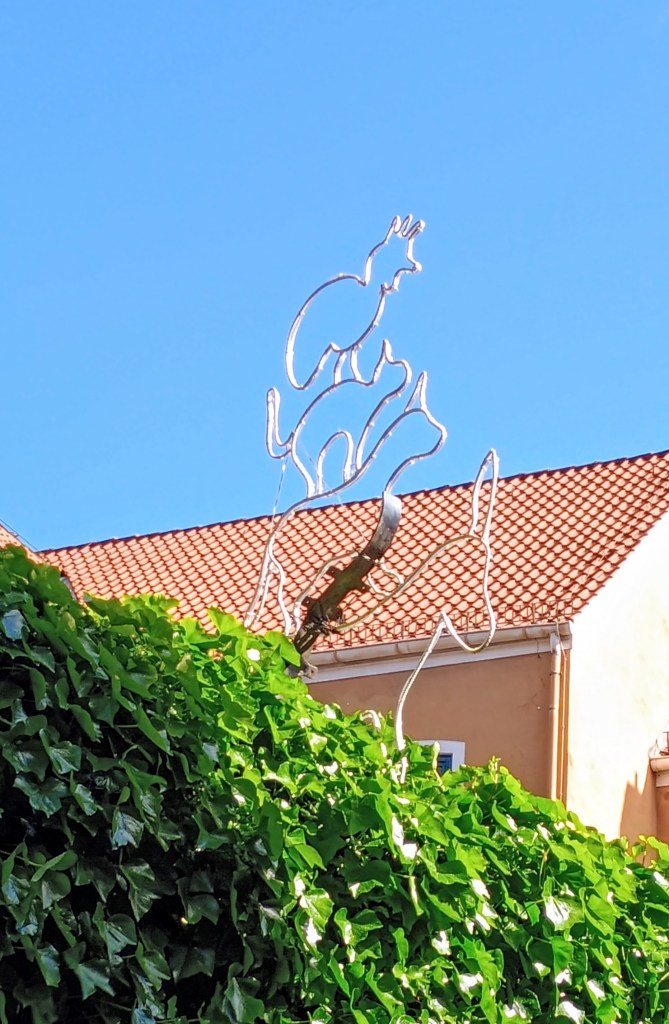
the most loved donkey+dog+cat+rooster in the world for sure. They show up everywhere in the city

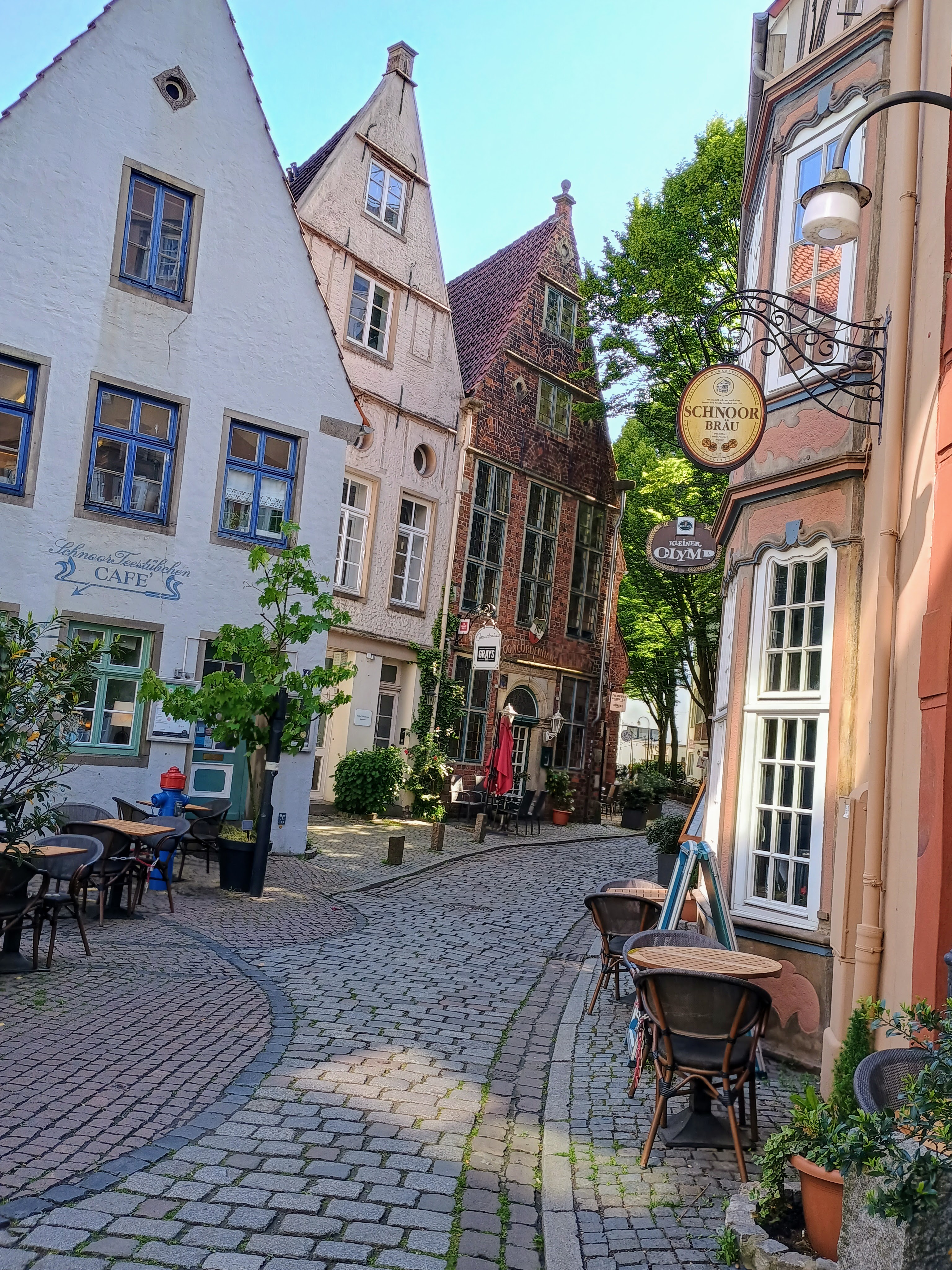
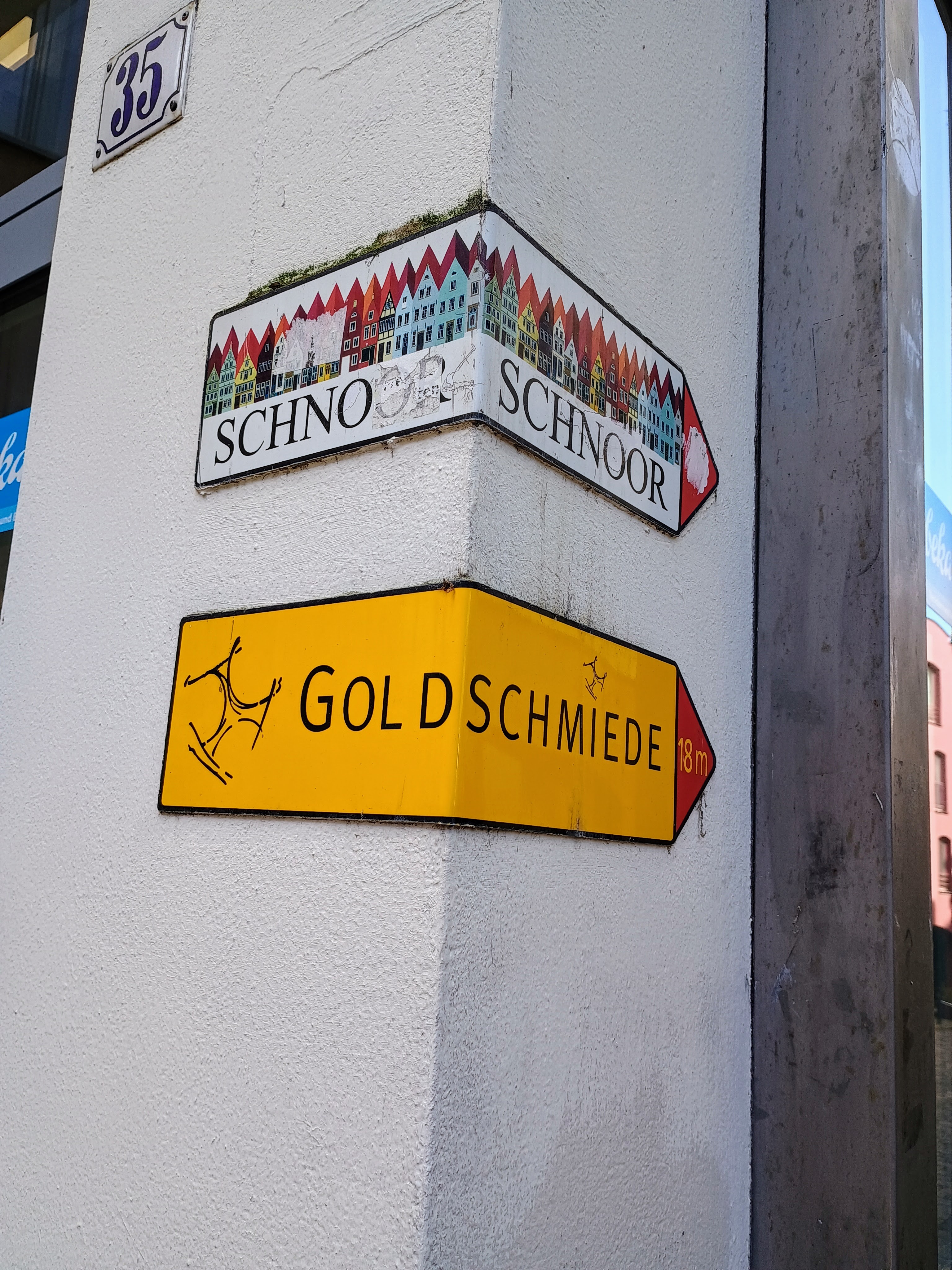
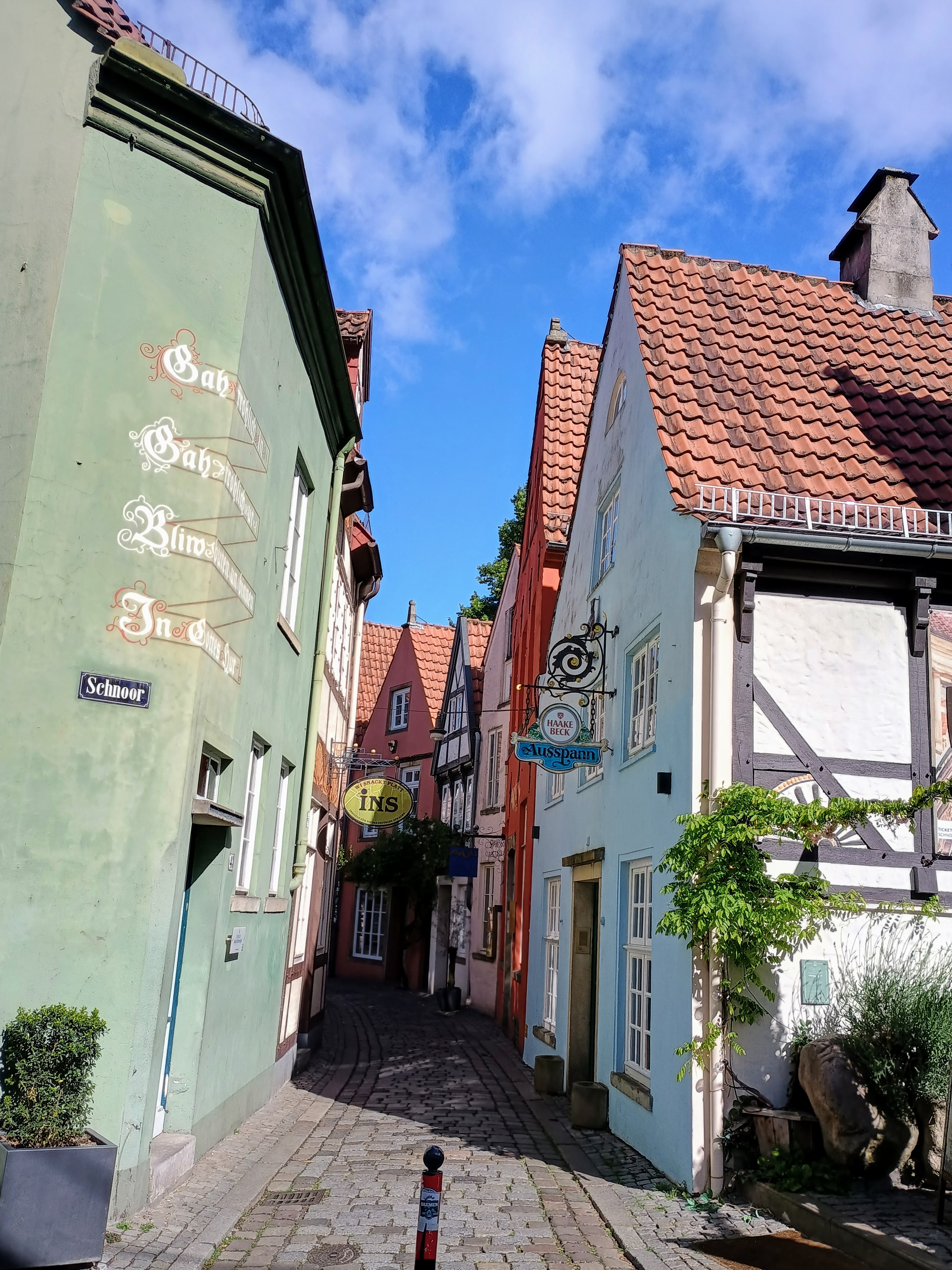
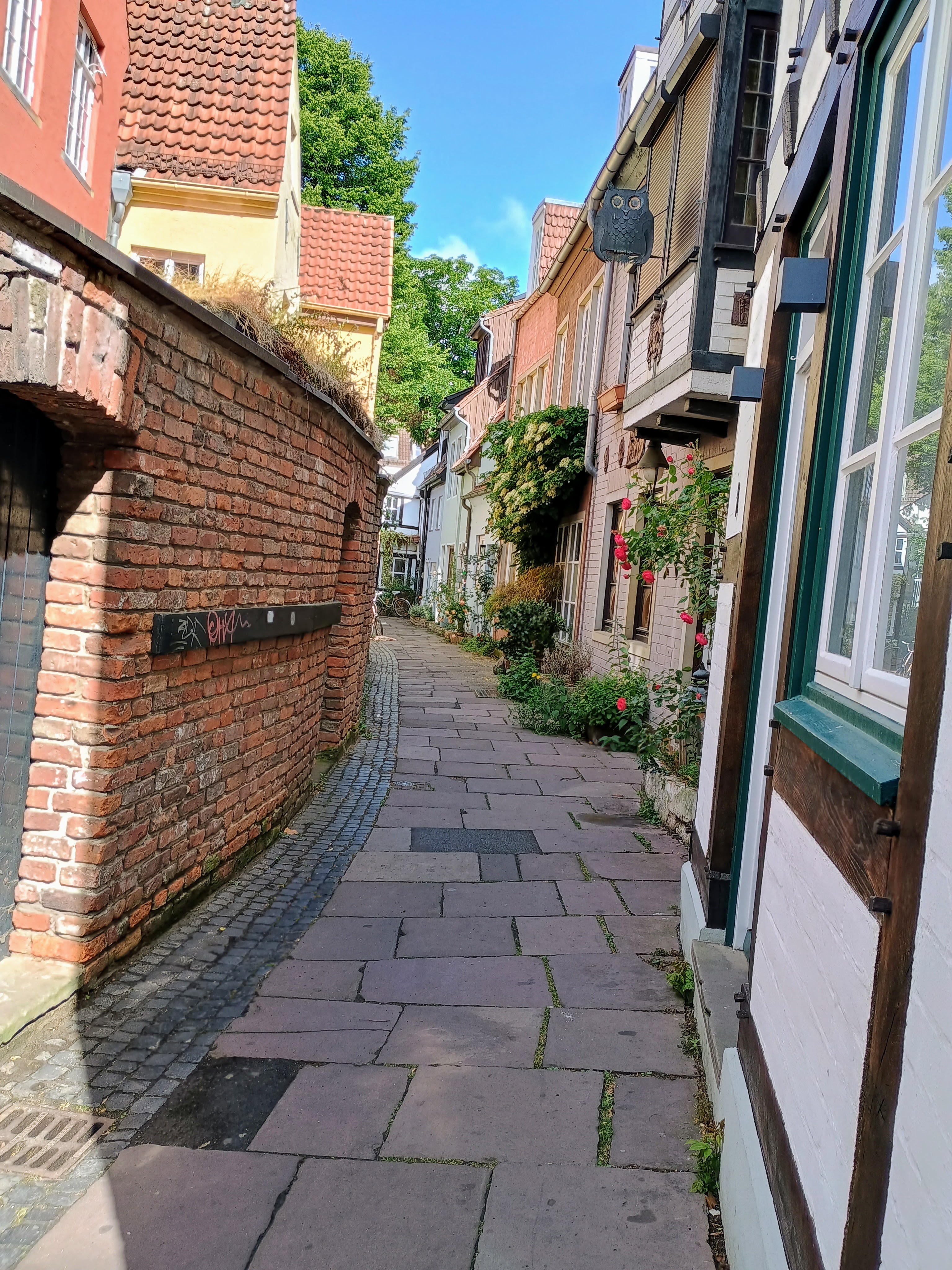
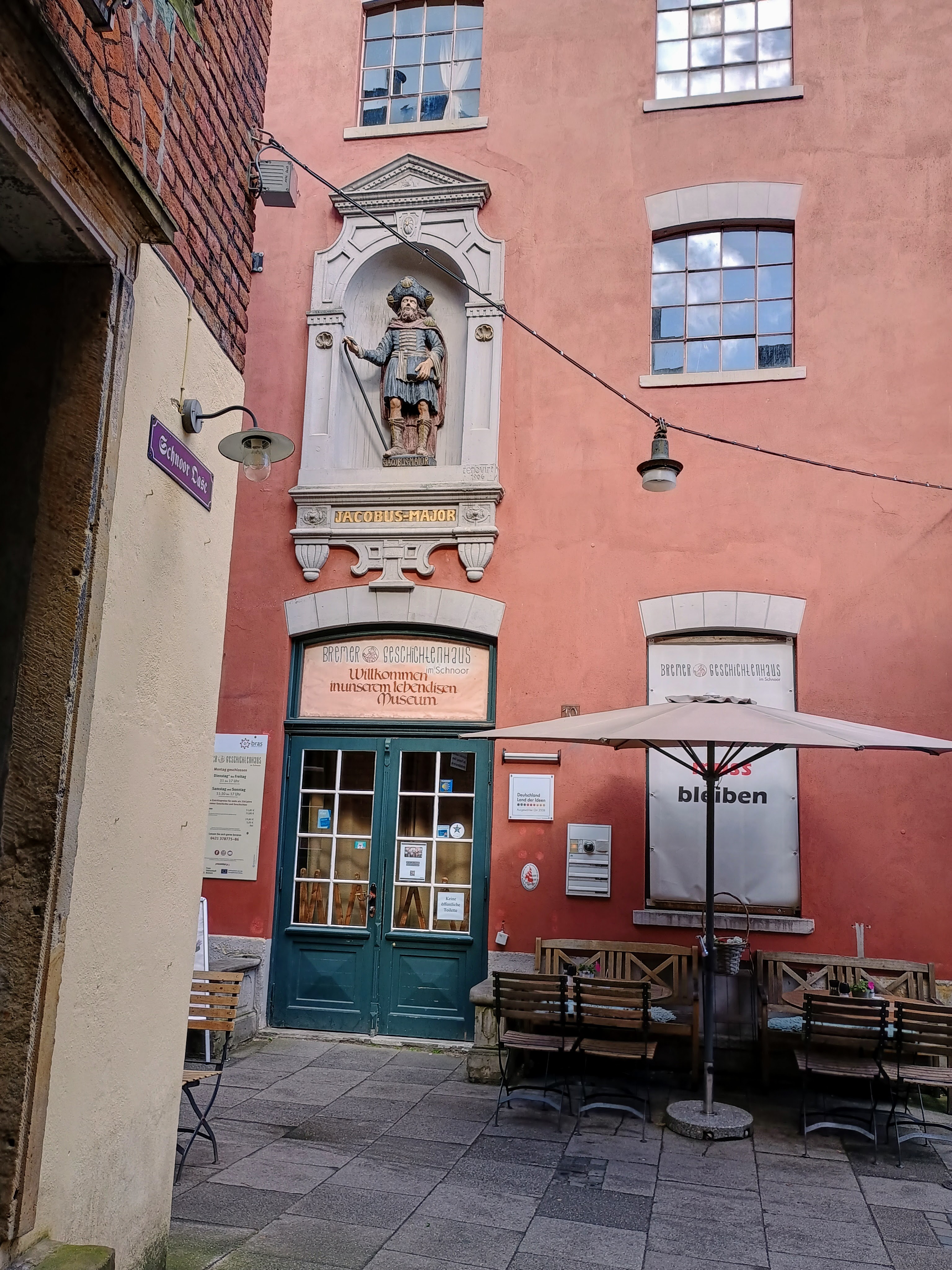
We walked for another 10-15 minutes and reached the Schnoor (#10 on the map) neighborhood, the oldest district in Bremen.

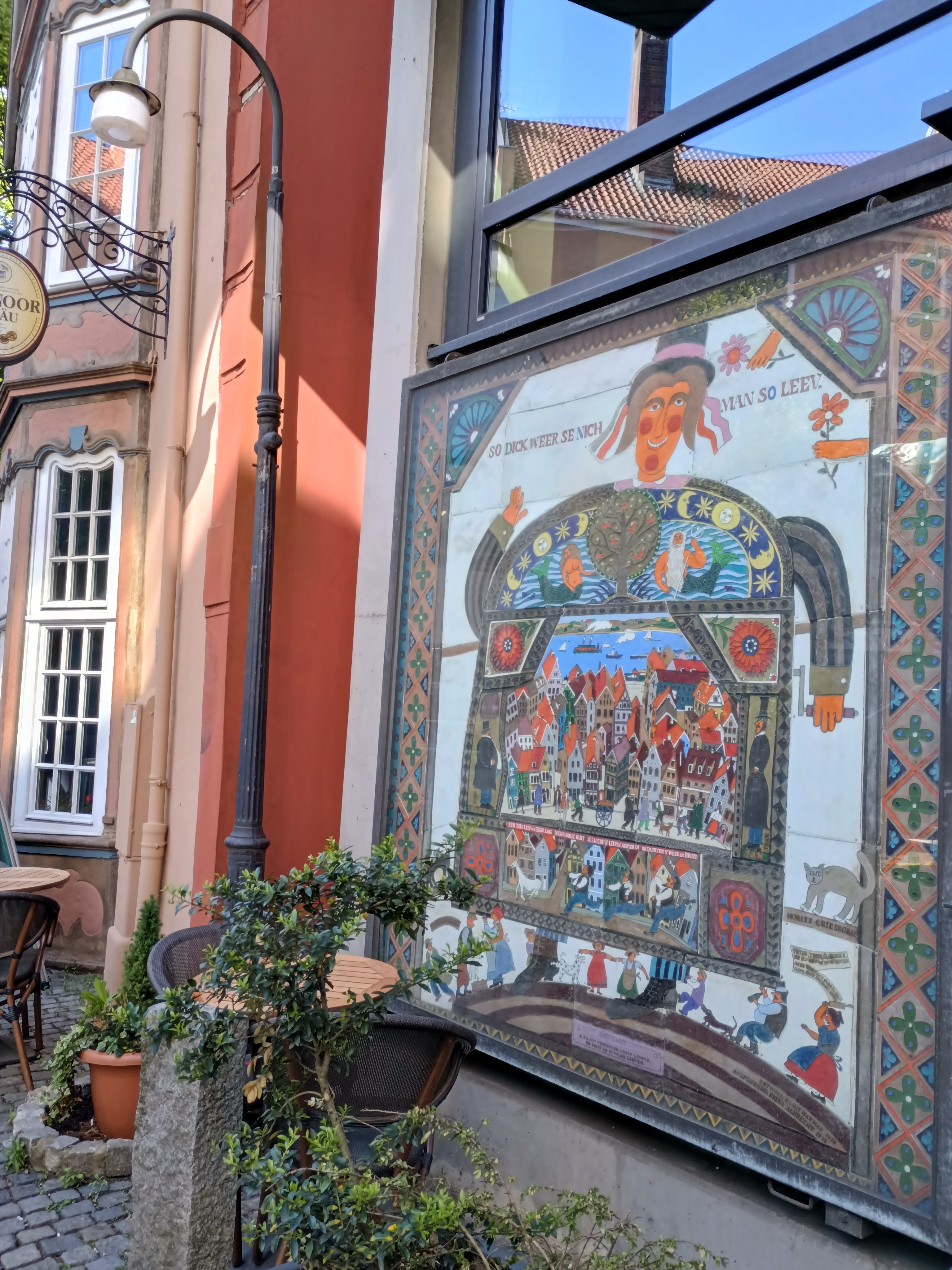
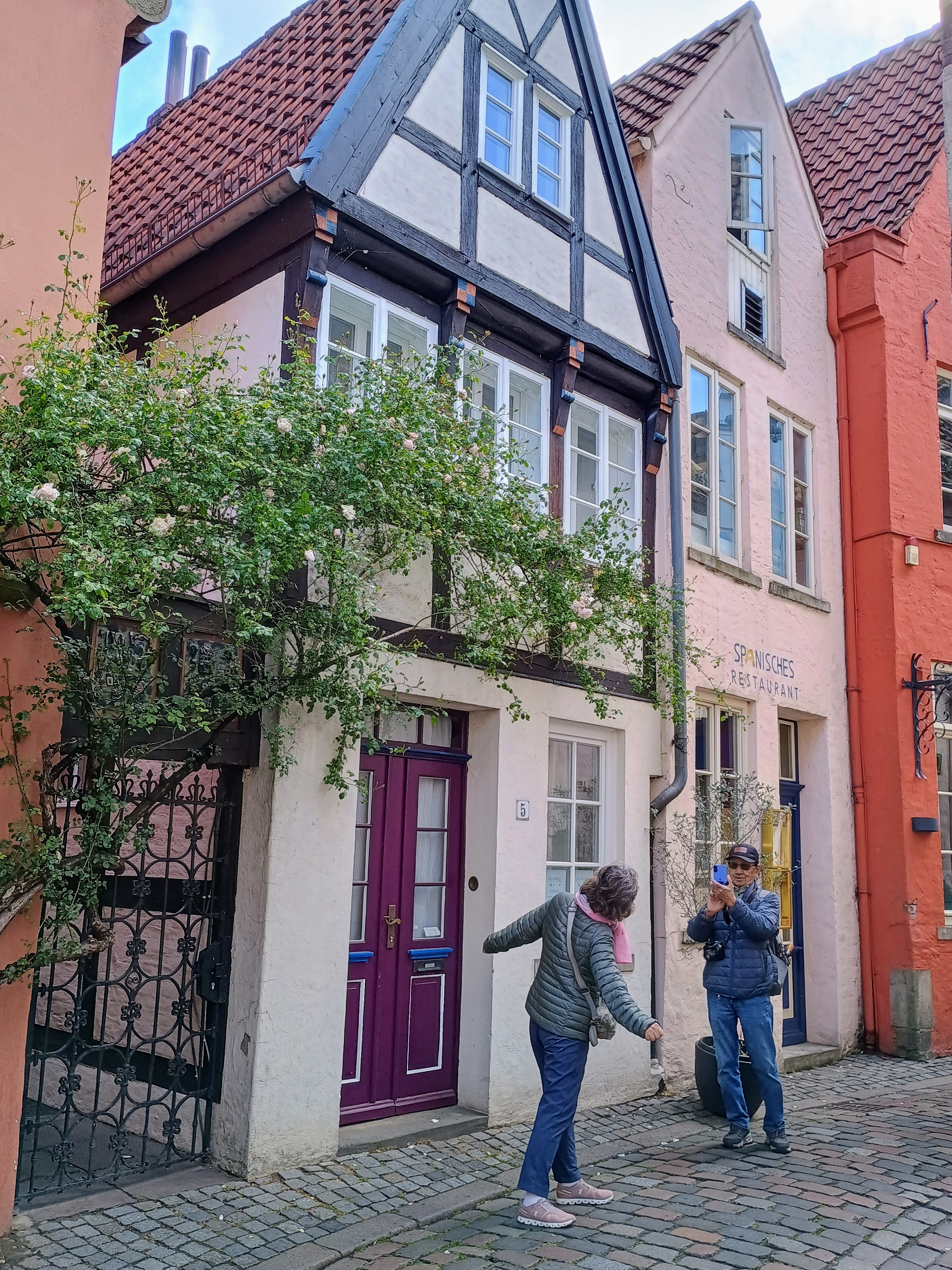
It’s not a big area, but one can spend hours admiring the details of each building.

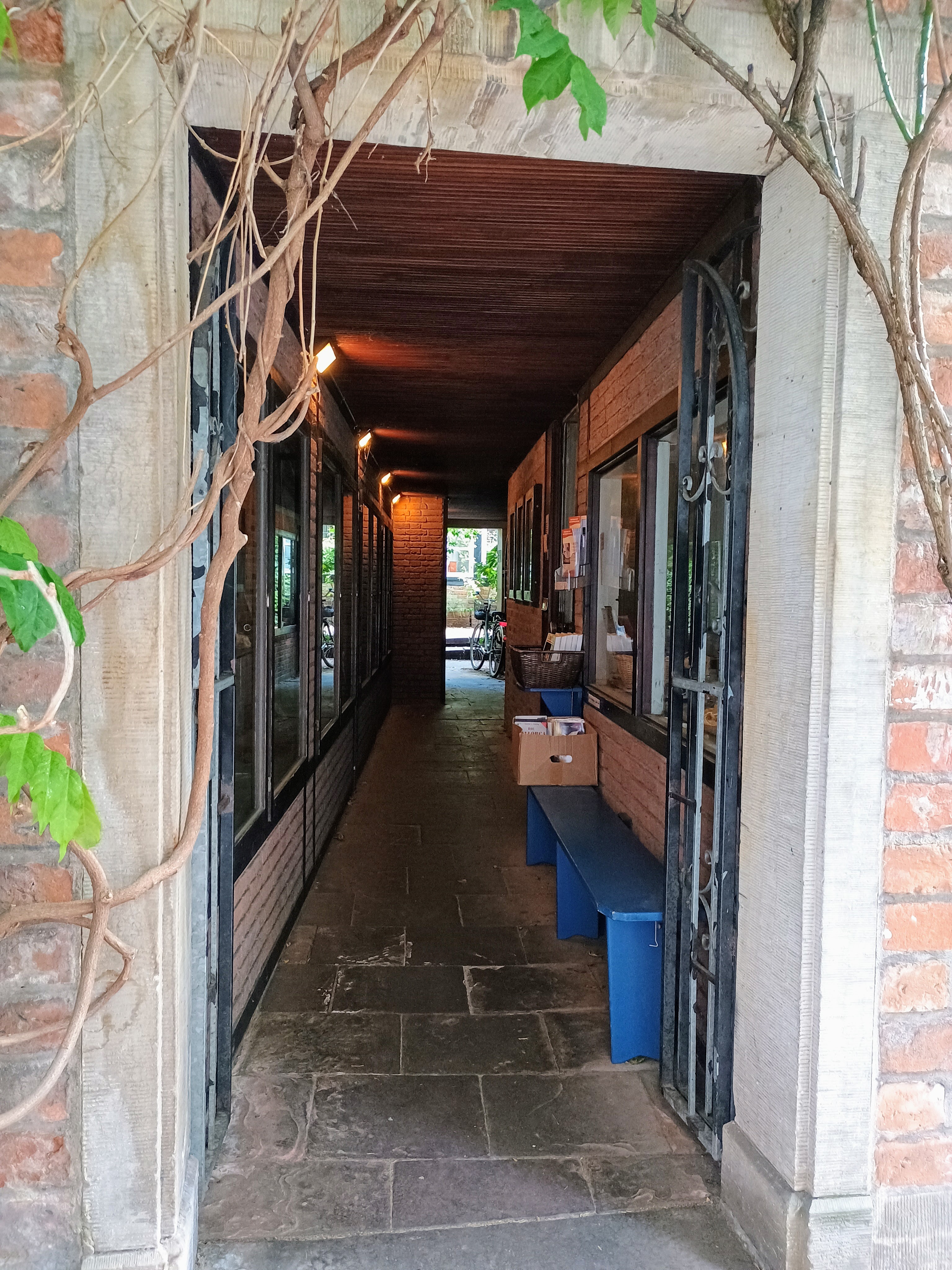
Each store is attractive and inviting.
Oh, another cute alley!
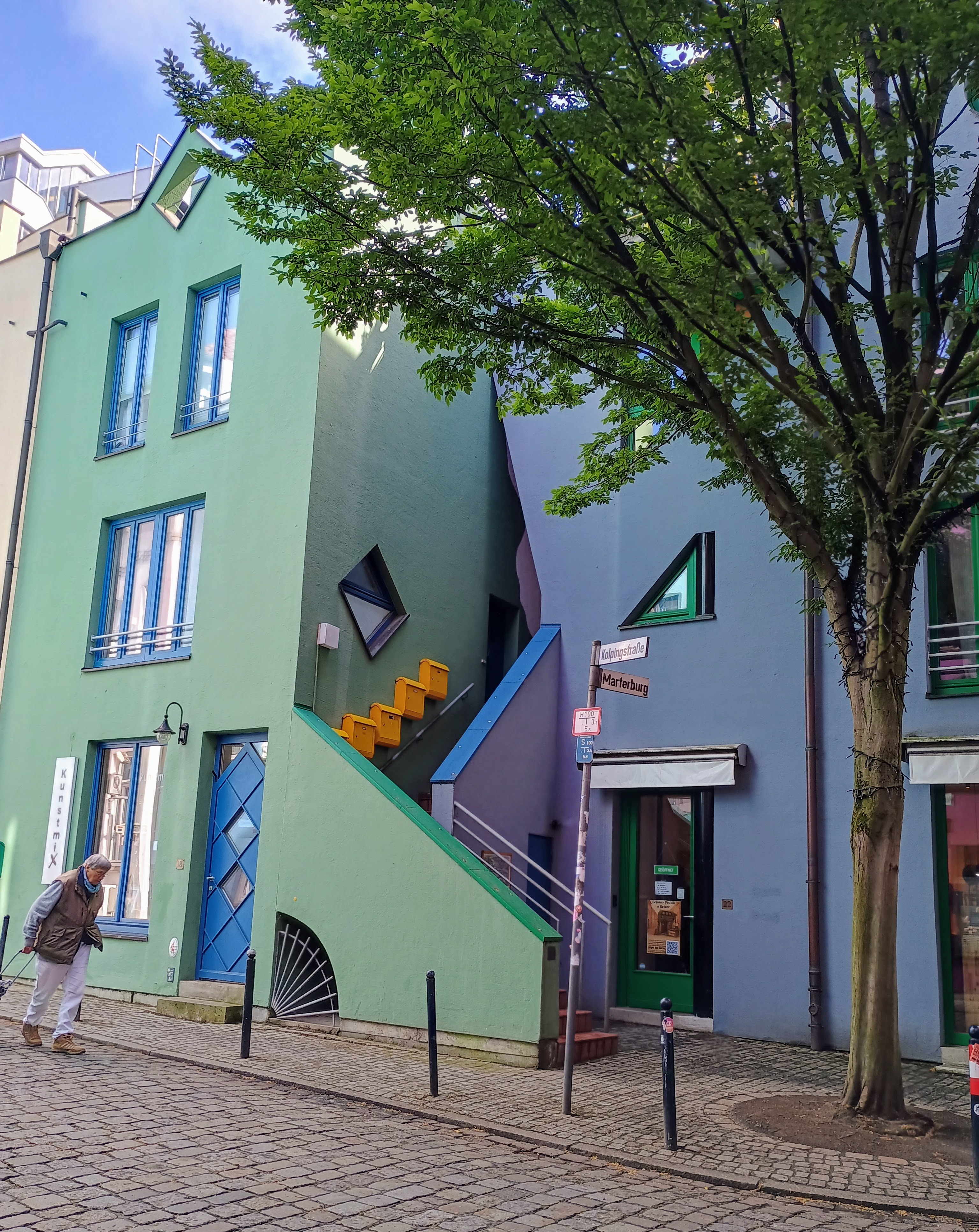
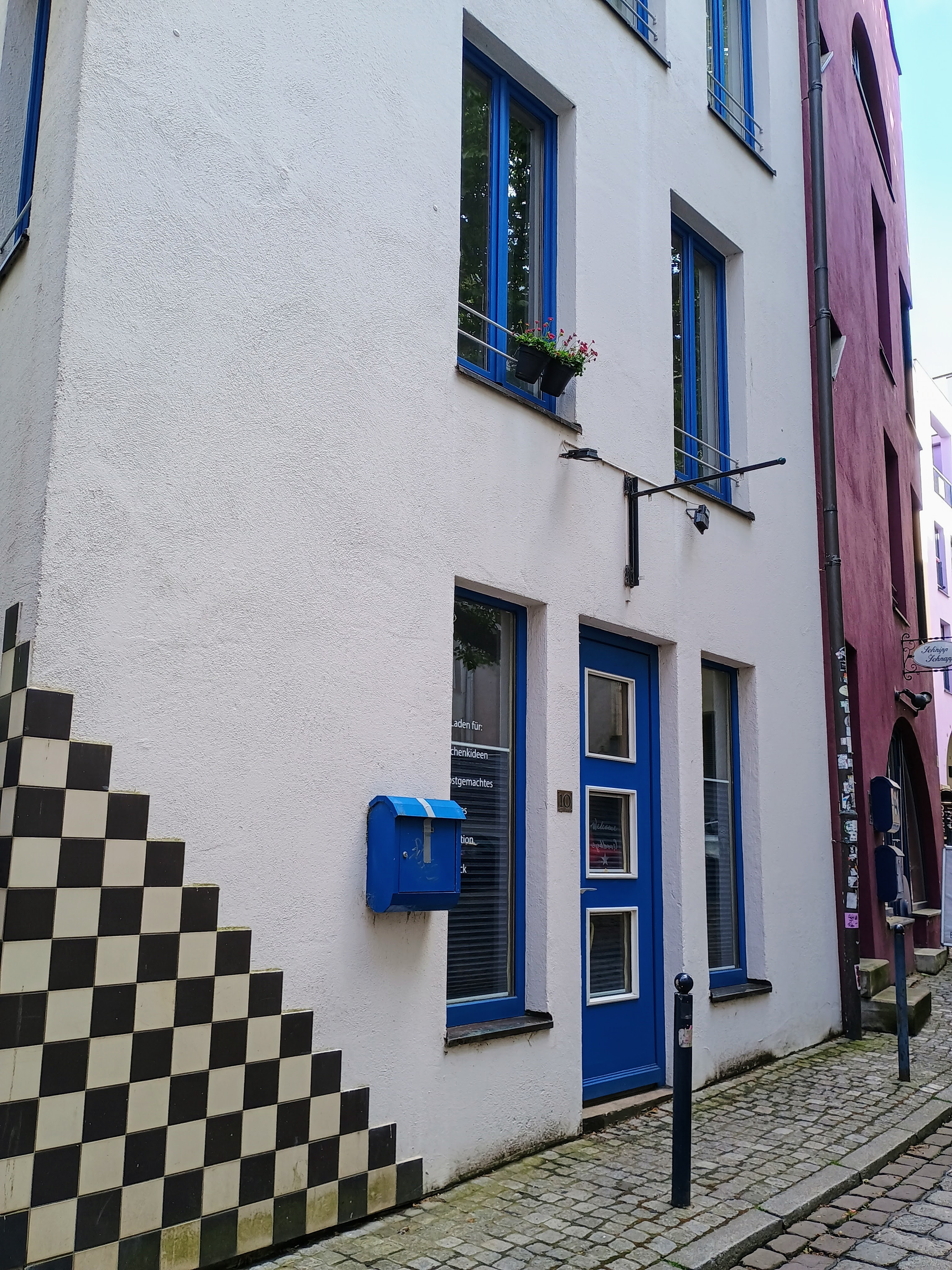
The renovated, more modern, buildings blended in well somehow with the colors and shapes they applied.
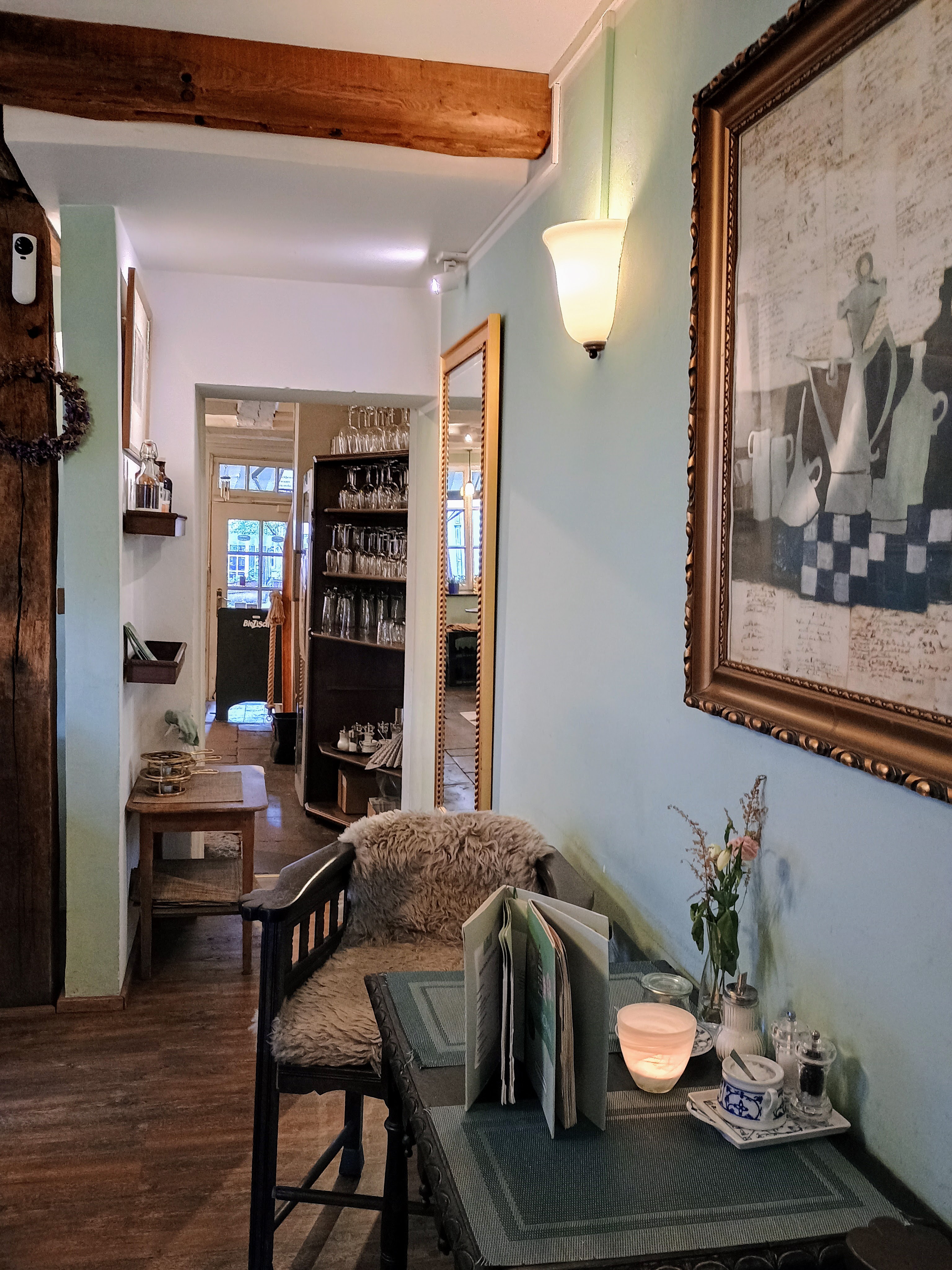
We were hoping to find brunch in the area, and, we did – at a magical little place.
Yes, the real German breakfast feast!

We walked over to the artsy Bottcher Street (#8 on the map) on the way back. People started pouring into Bremen, we could see.

Bremen probably deserved to be seen at least one full day. We could have visited some museums and spent more time in each location, but we were happy that we stopped there.

Lauenburg (Germany): a Day Trip

May 2025

On the third full day in Hamburg, the next generation, Song-i & Thorben, took over as guides and took us to a picturesque old fishing village, Lauenburg, where Thorben’s family has lived for generations.

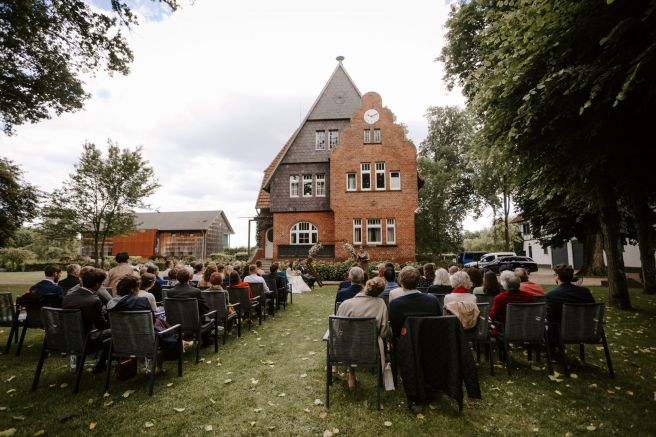
They were married in Lauenburg Castle whose interior is shown in the picture above. We couldn’t attend their wedding the year before, so visiting the site gave us a chance to have a glimpse of the happy event.

It rained in the morning, so we had an early lunch in Hamburg to give the weather a chance to clear up. Song-i said Hamburgers were used to rain and it didn’t bother them. So we said we would pretend to be Hamburgers.

Six of us and the guides piled into two cars and drove east a little under an hour and met at the parking lot of the Castle. The wedding ceremony picture above shows the ground better than any of our pictures.

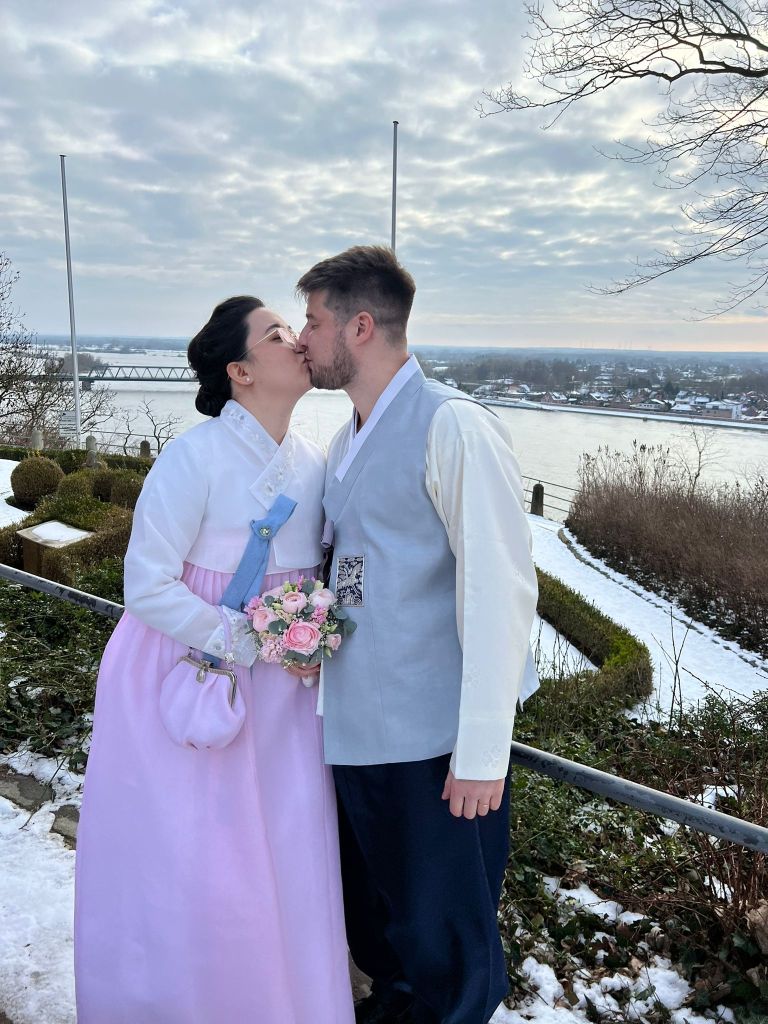
The river view from the Castle serves as the background of the lovely couple in Korean traditional clothing showing off their kissing skills.

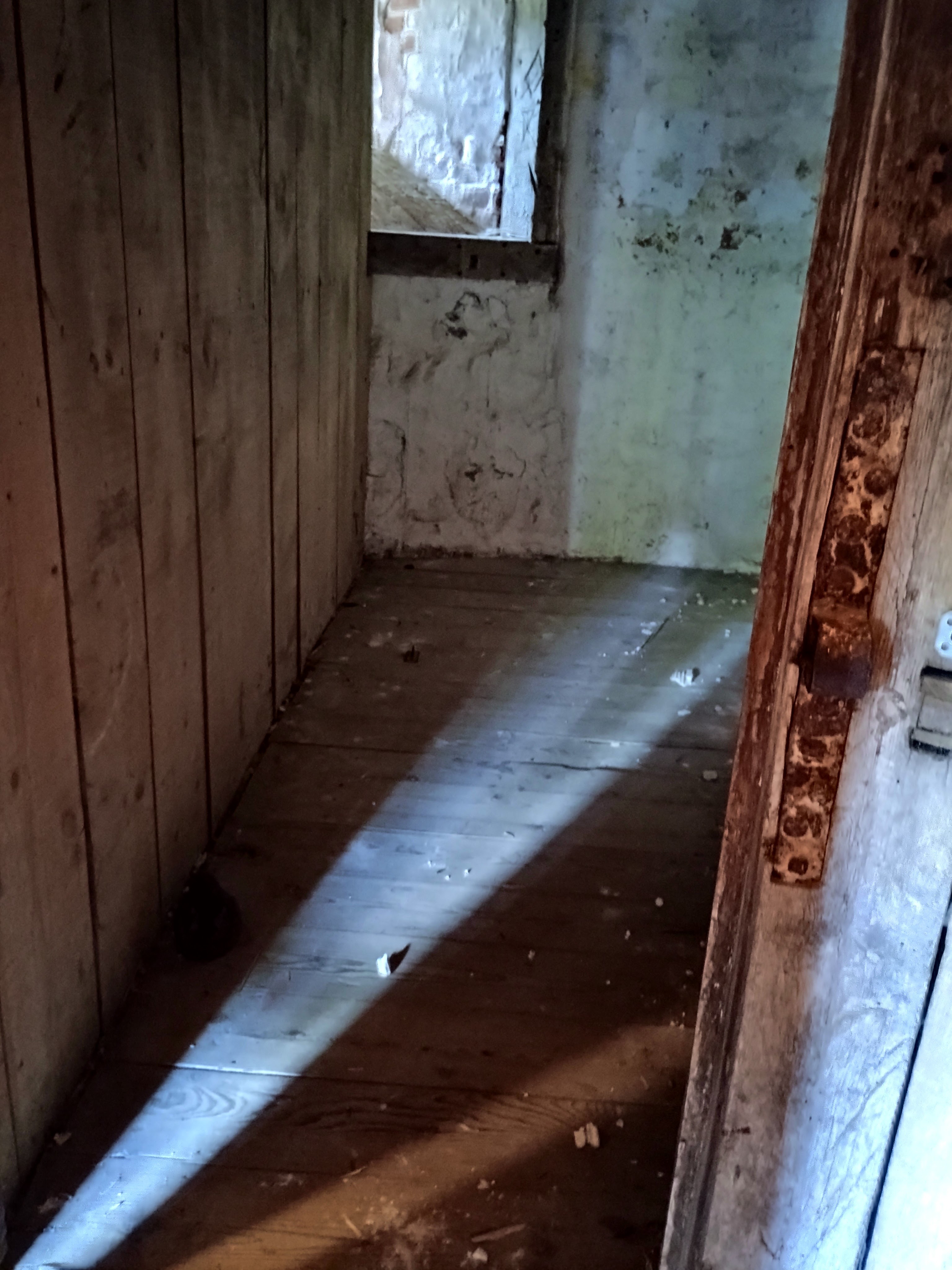
Another prominent feature on the Castle grounds is the watchtower which once served as a prison.

One important reason they chose the Castle as the meeting point was free parking. The real attraction of the town was the old town by the river, and we could walk there from the Castle parking lot. It would have been very difficult to find a place to park in the old town especially on that day.

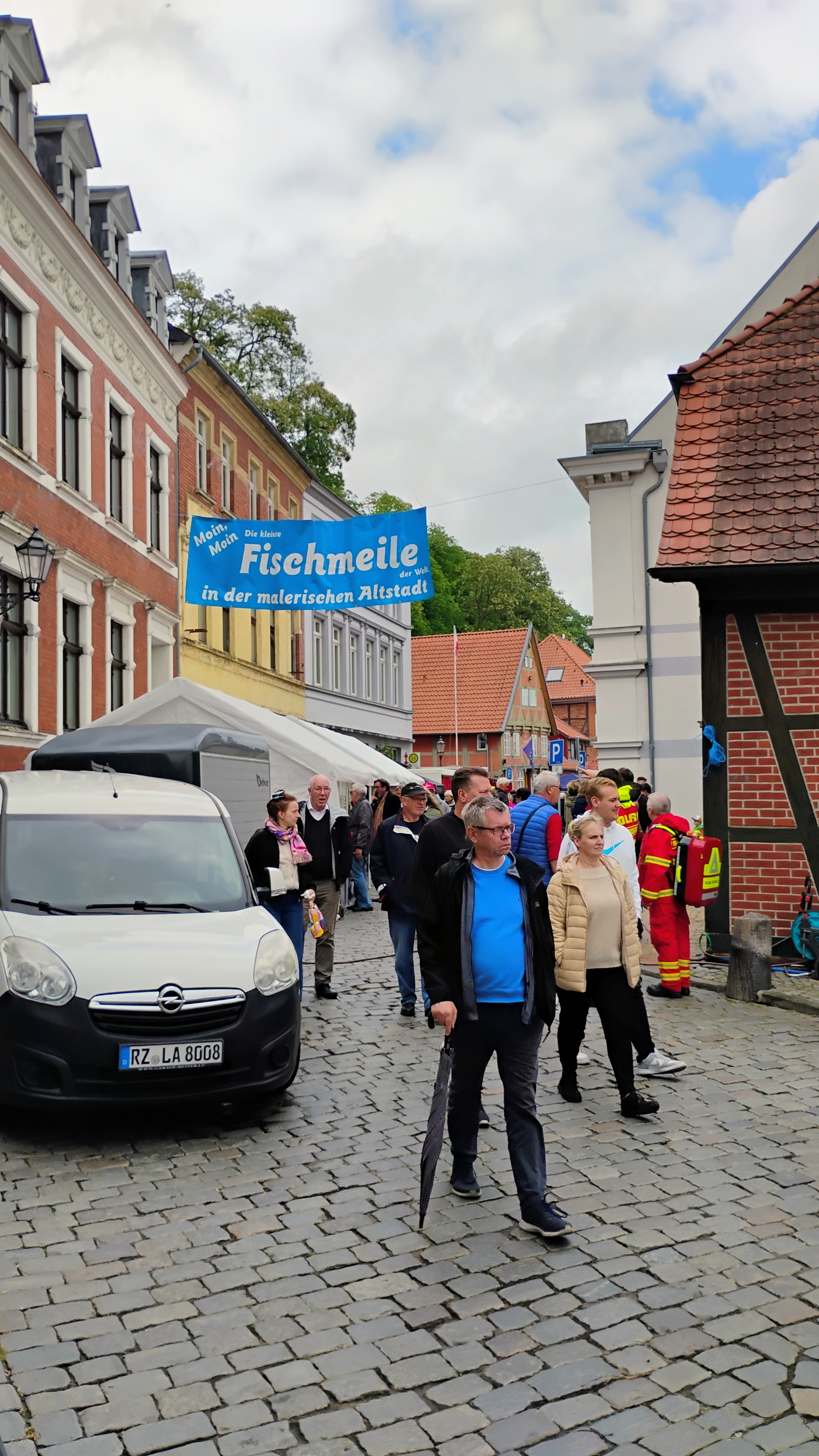
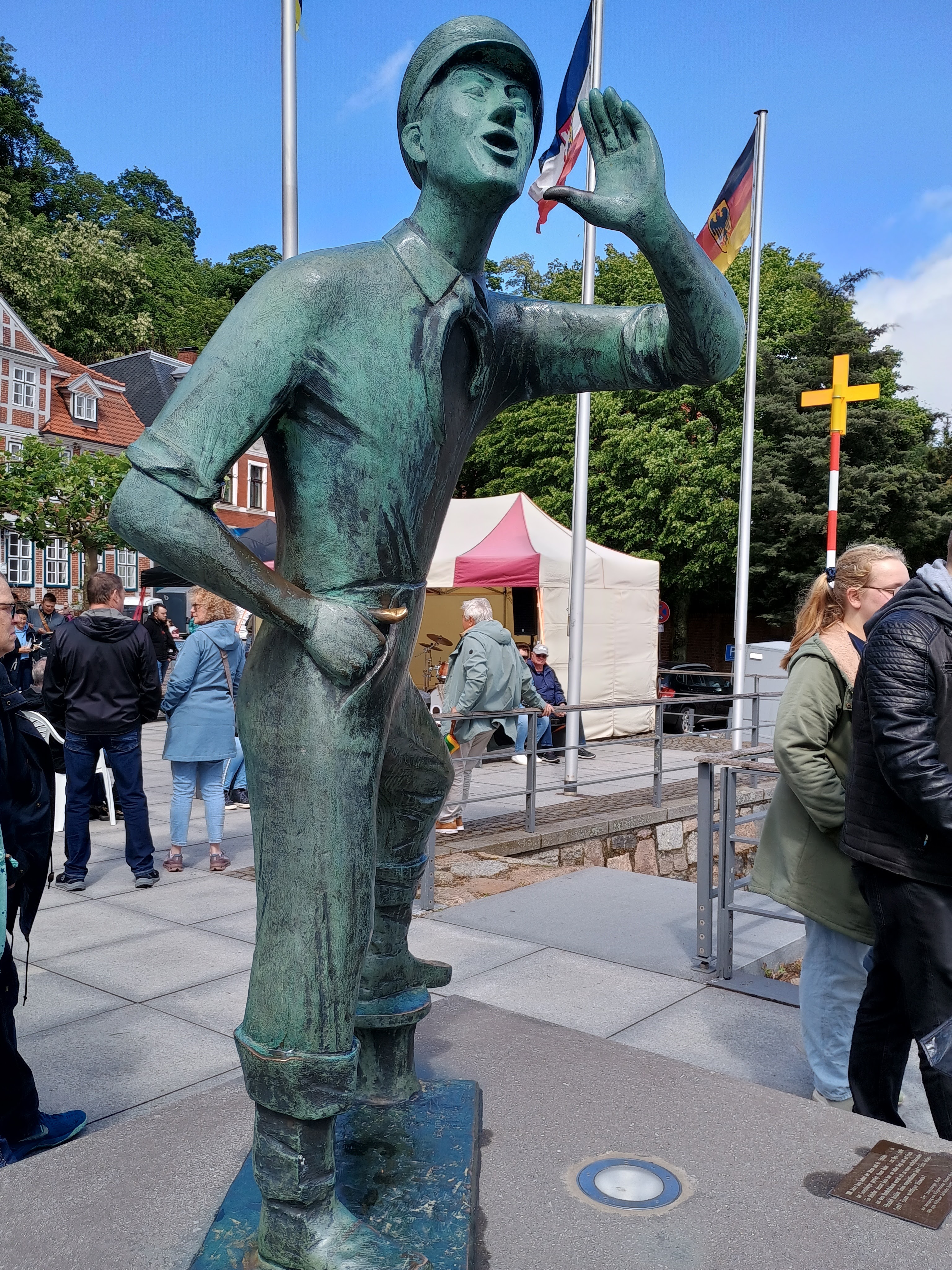
It was their annual Fish Festival day, and there were food stalls and drink carts that attracted quite a few people.

There was a band – maybe the senior musicians from the town of 12,000 – playing and people were having fun, rain or not.

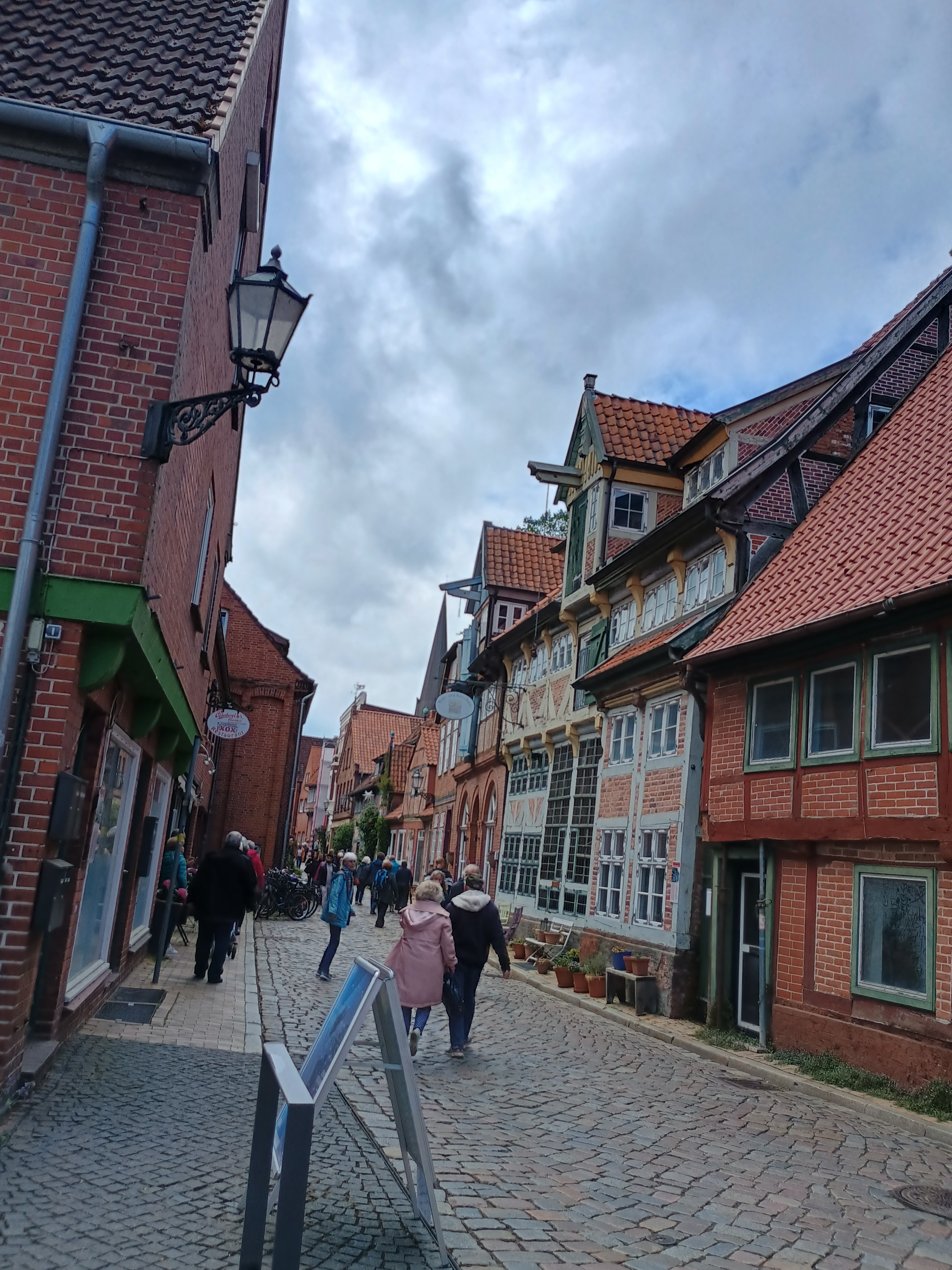
Lauenburg’s old town was the kind of place where you would never get lost because it’s compact.

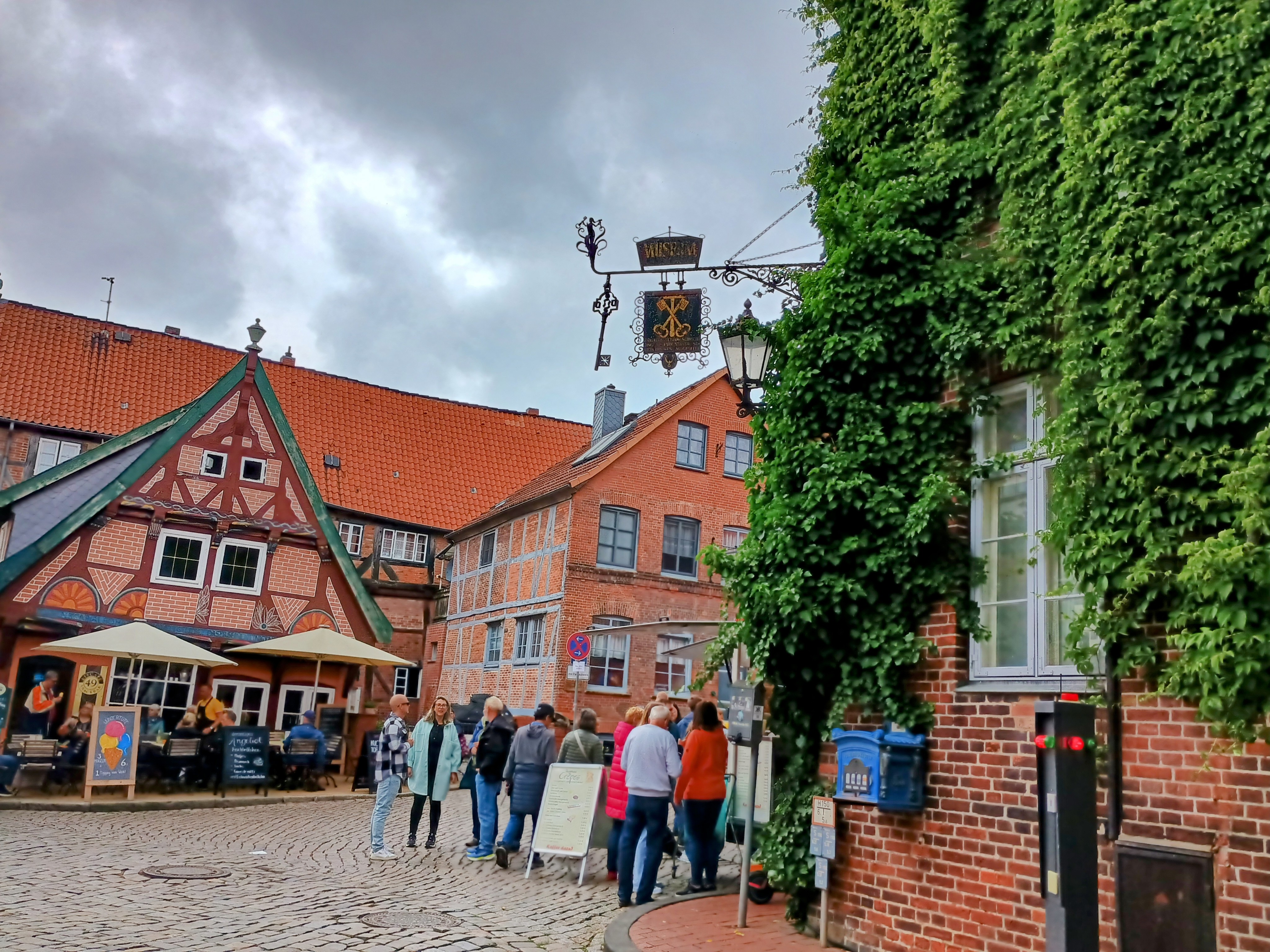
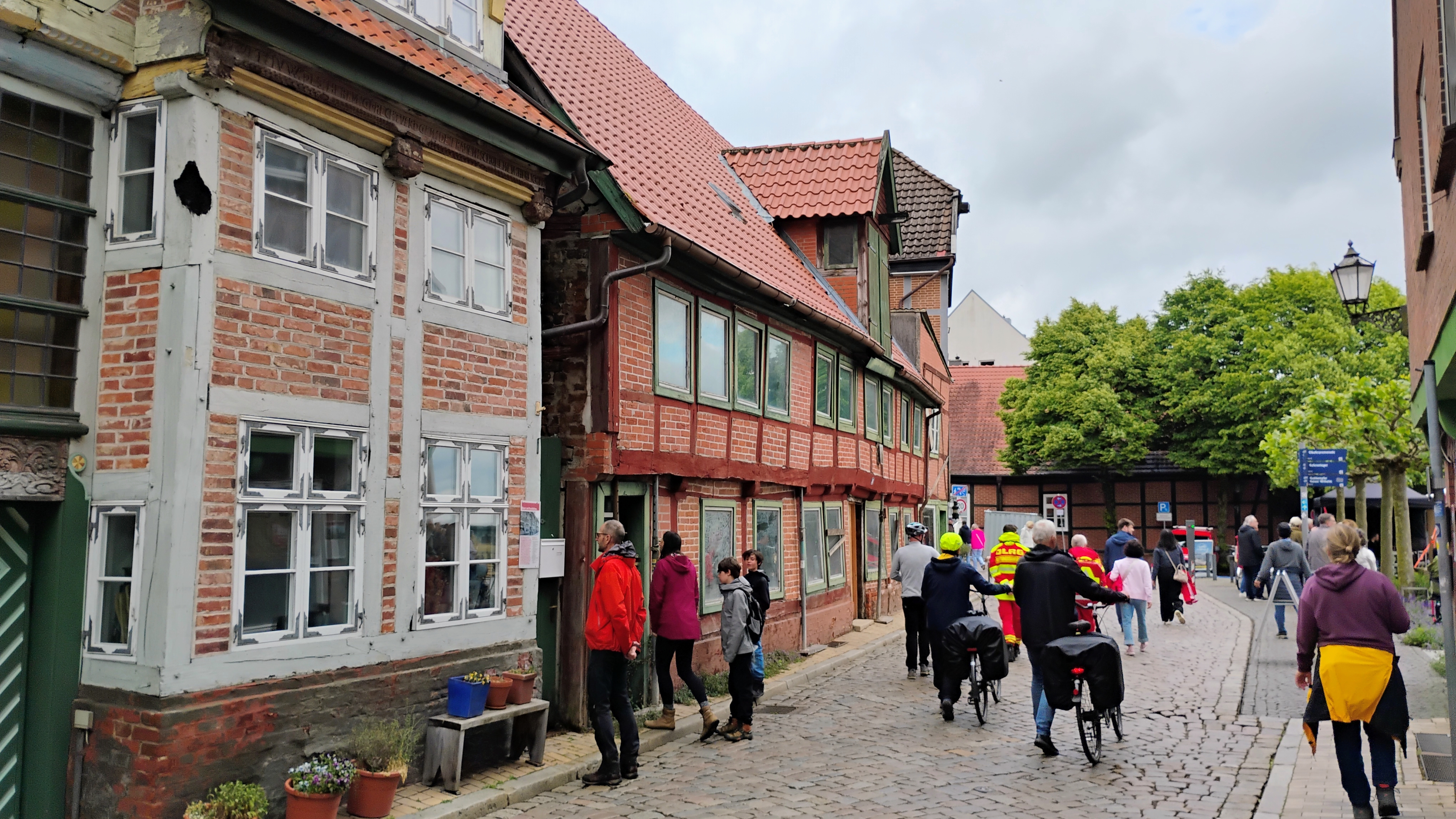
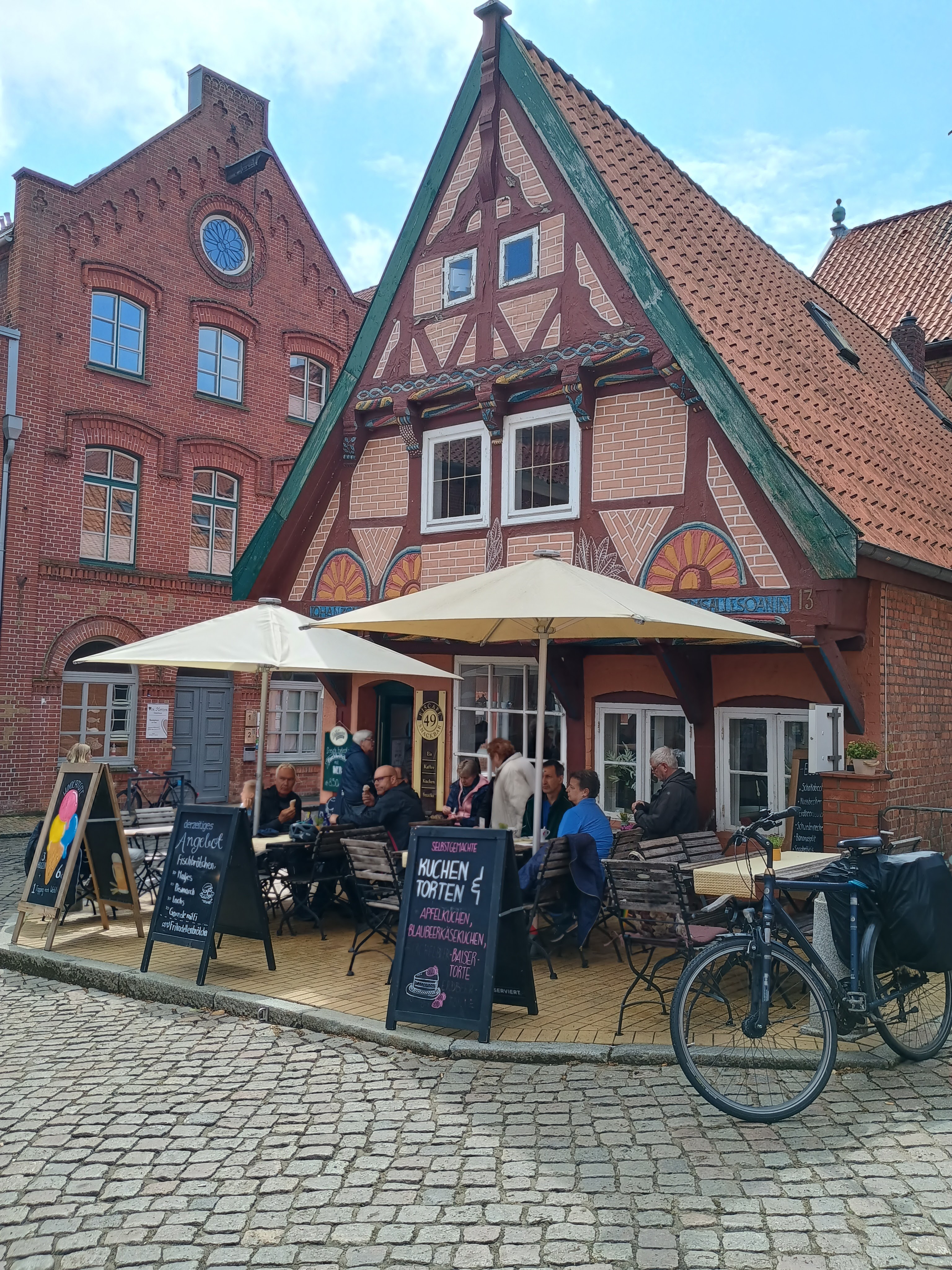
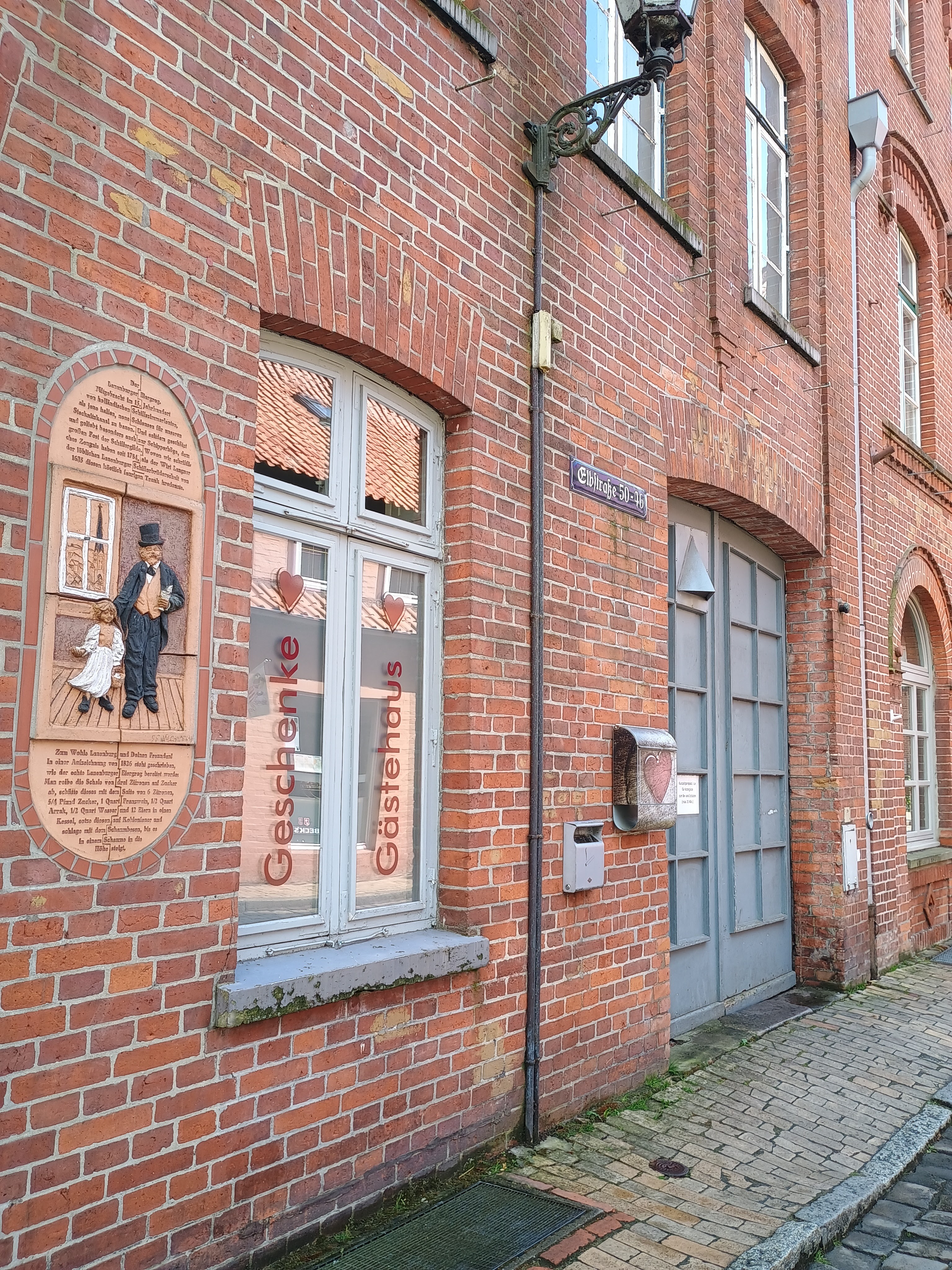
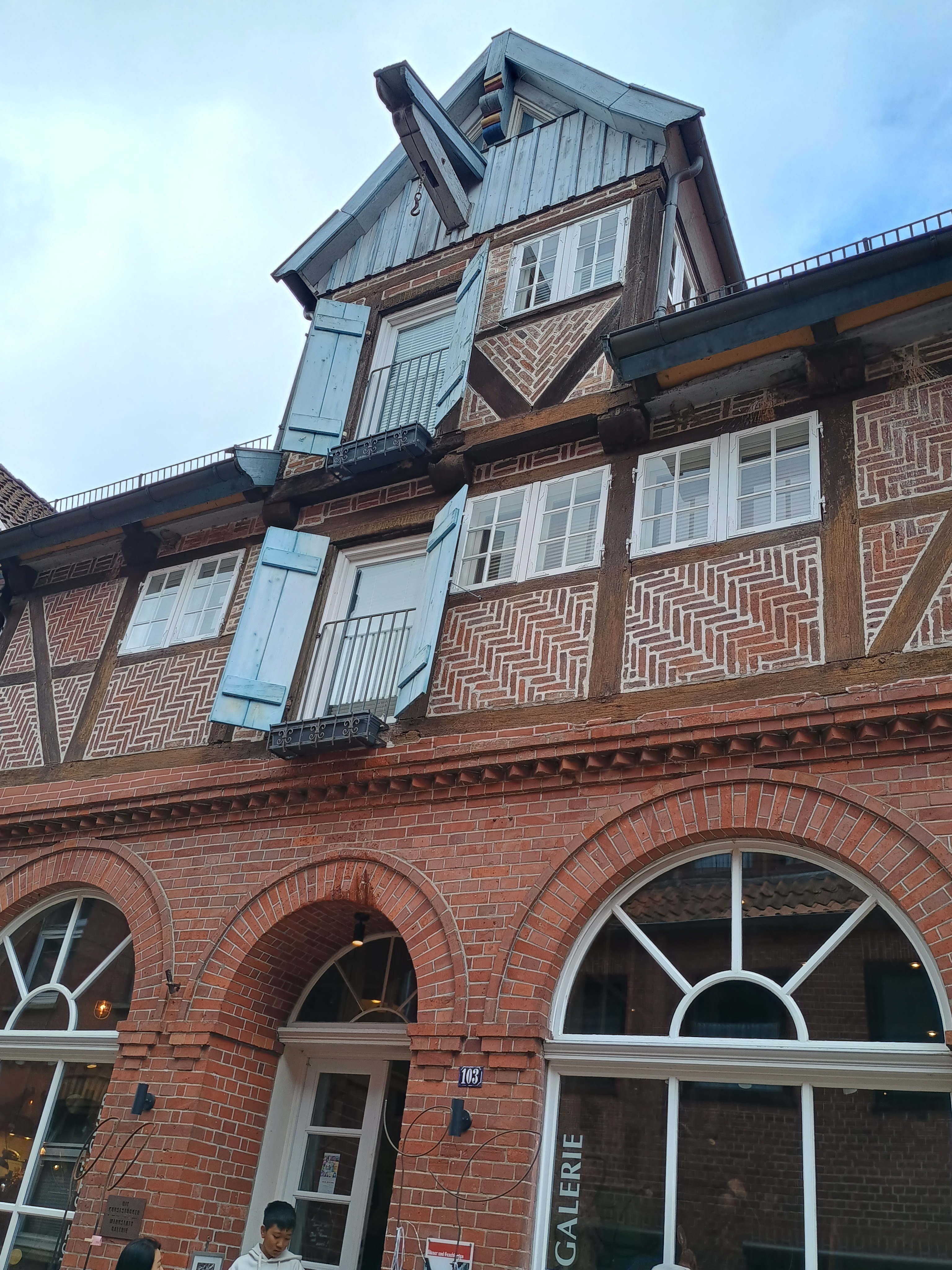
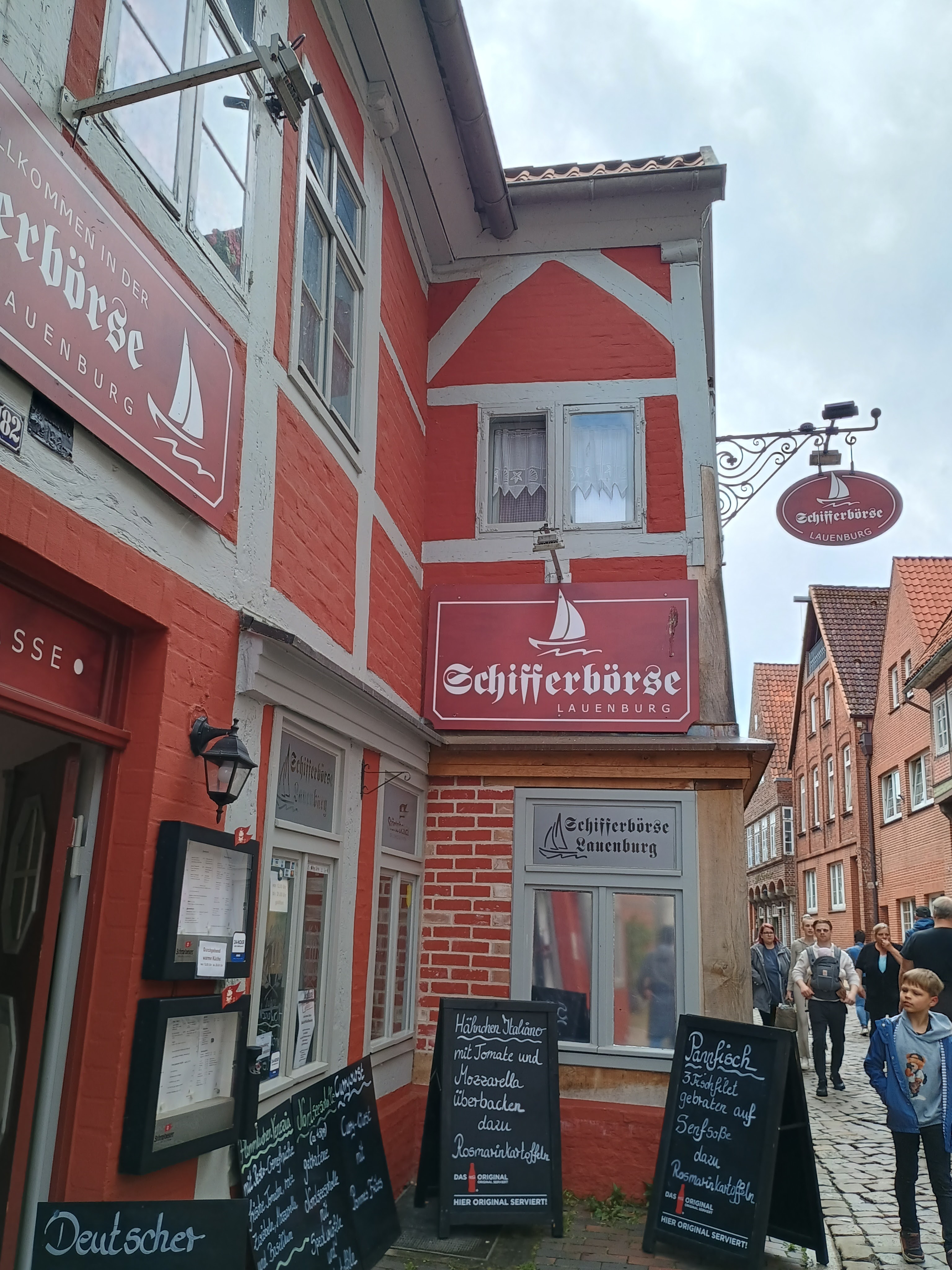
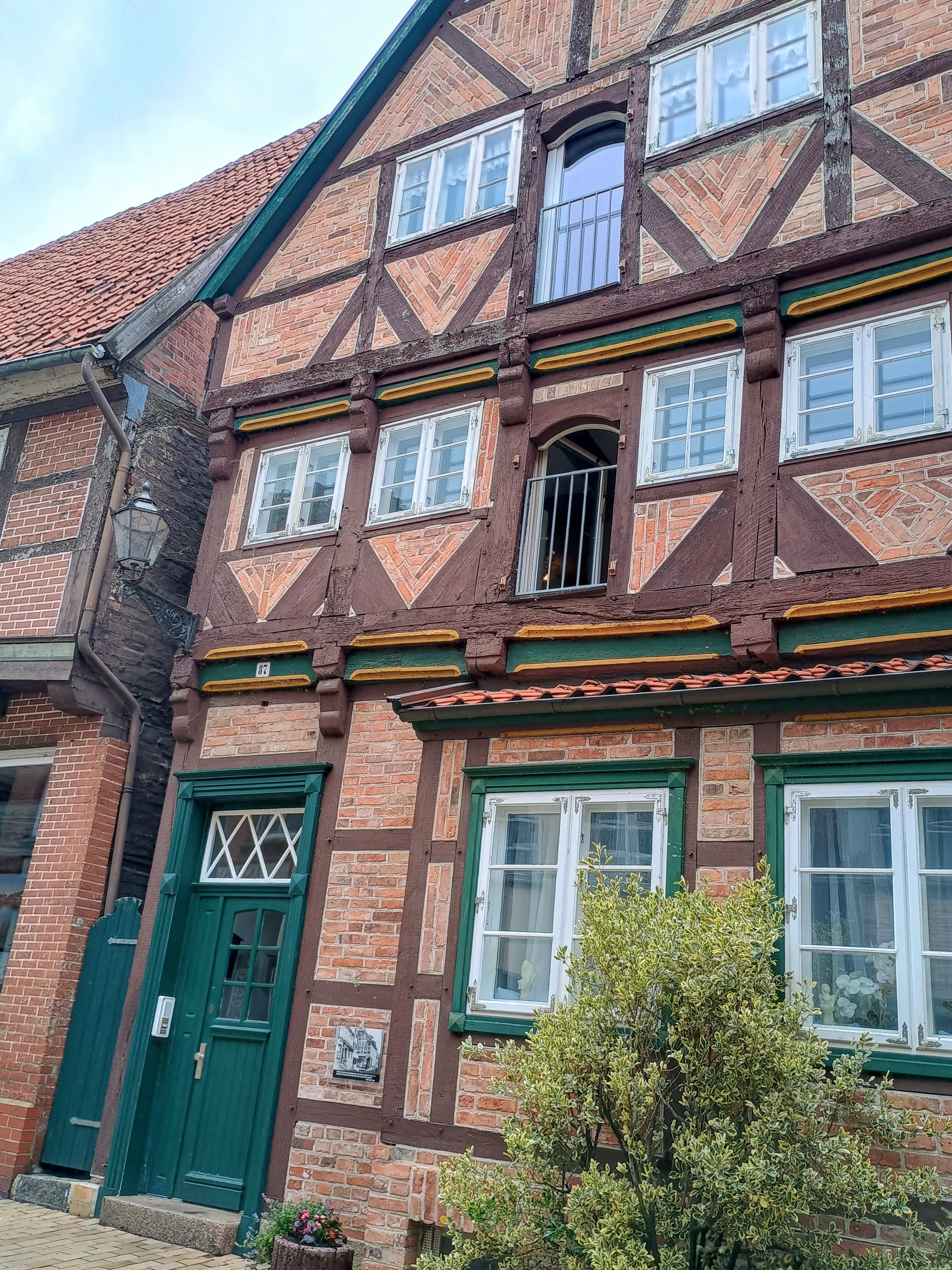
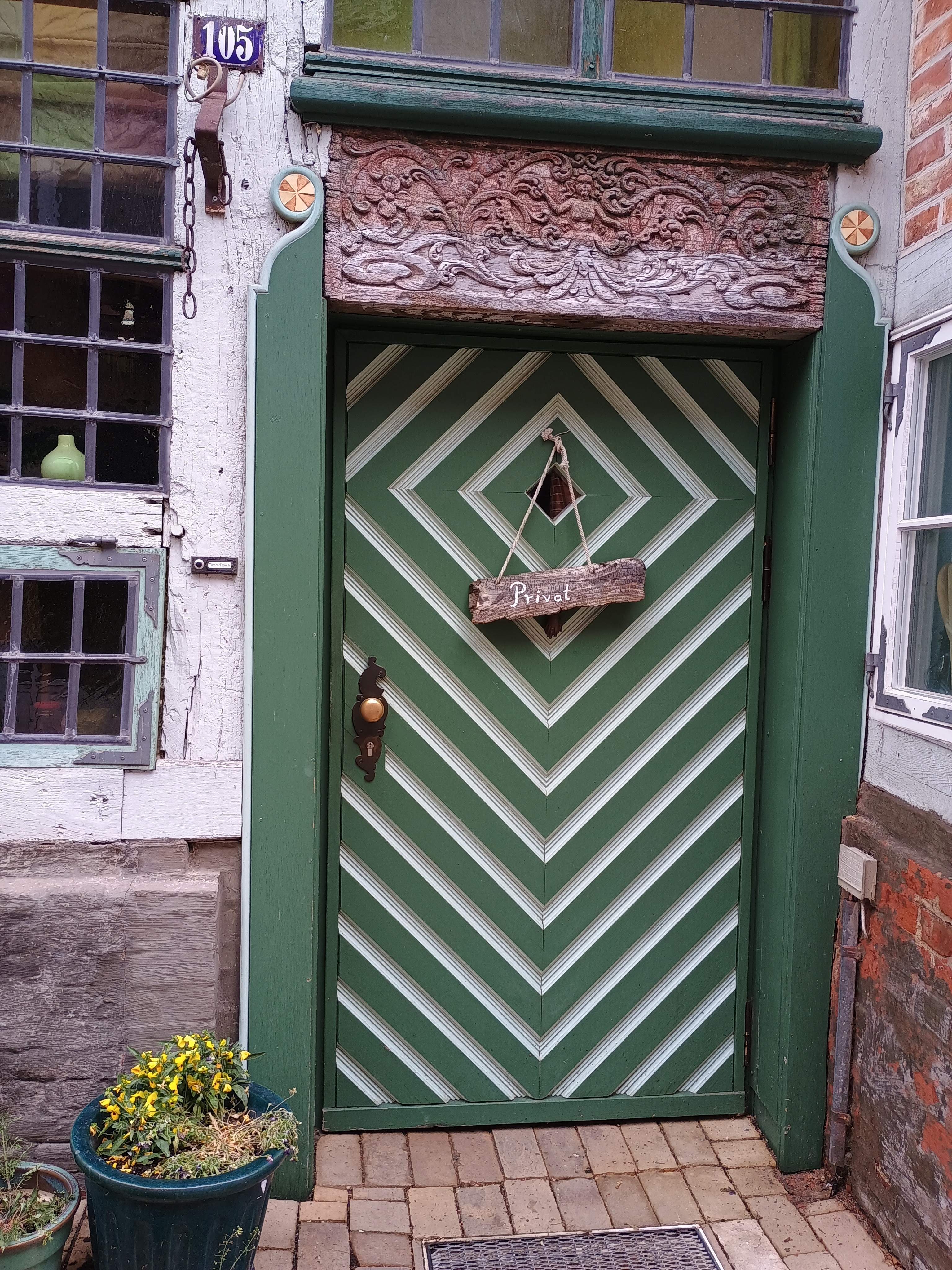
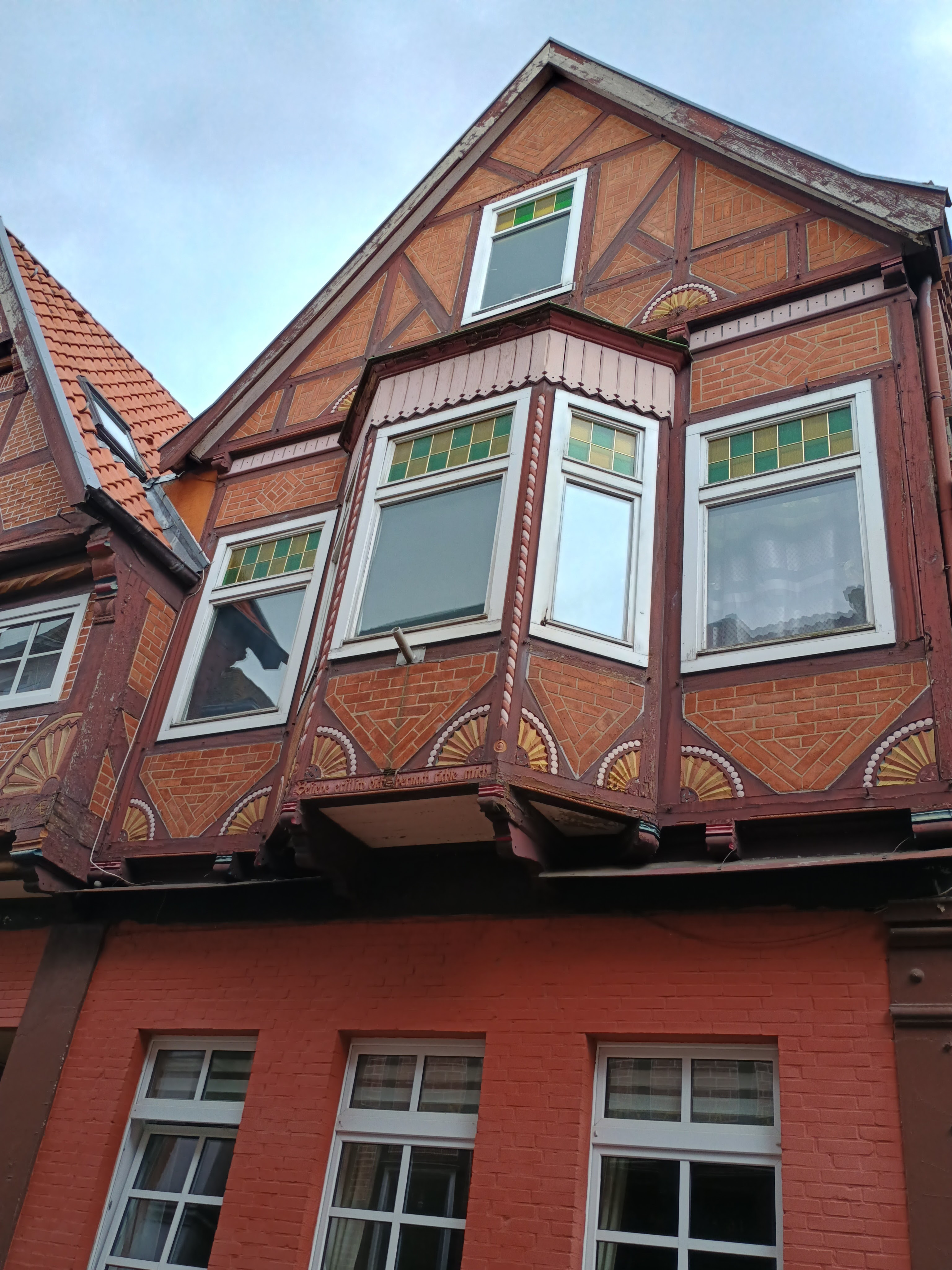
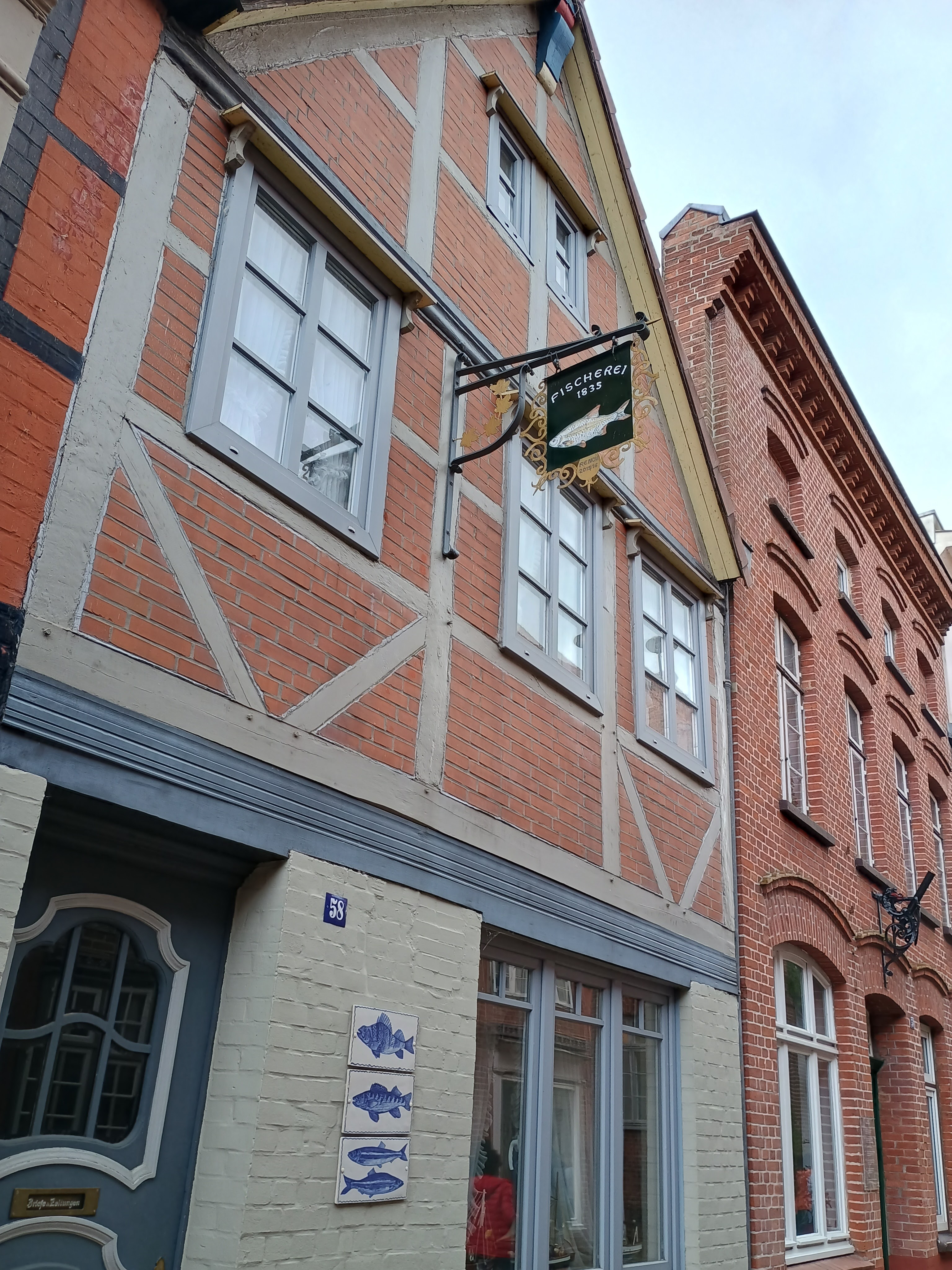
The streets were filled with interesting buildings known as ‘half timbered houses.’

We were sorry that we had eaten before we came here because there were food stalls and restaurants we wanted to try. Thorben’s mom had told Song-i that the Fish Festival was not a big deal & we shouldn’t count on finding good food there. I guess she was worried about disappointing out of town guests & downplayed it a bit too hard.

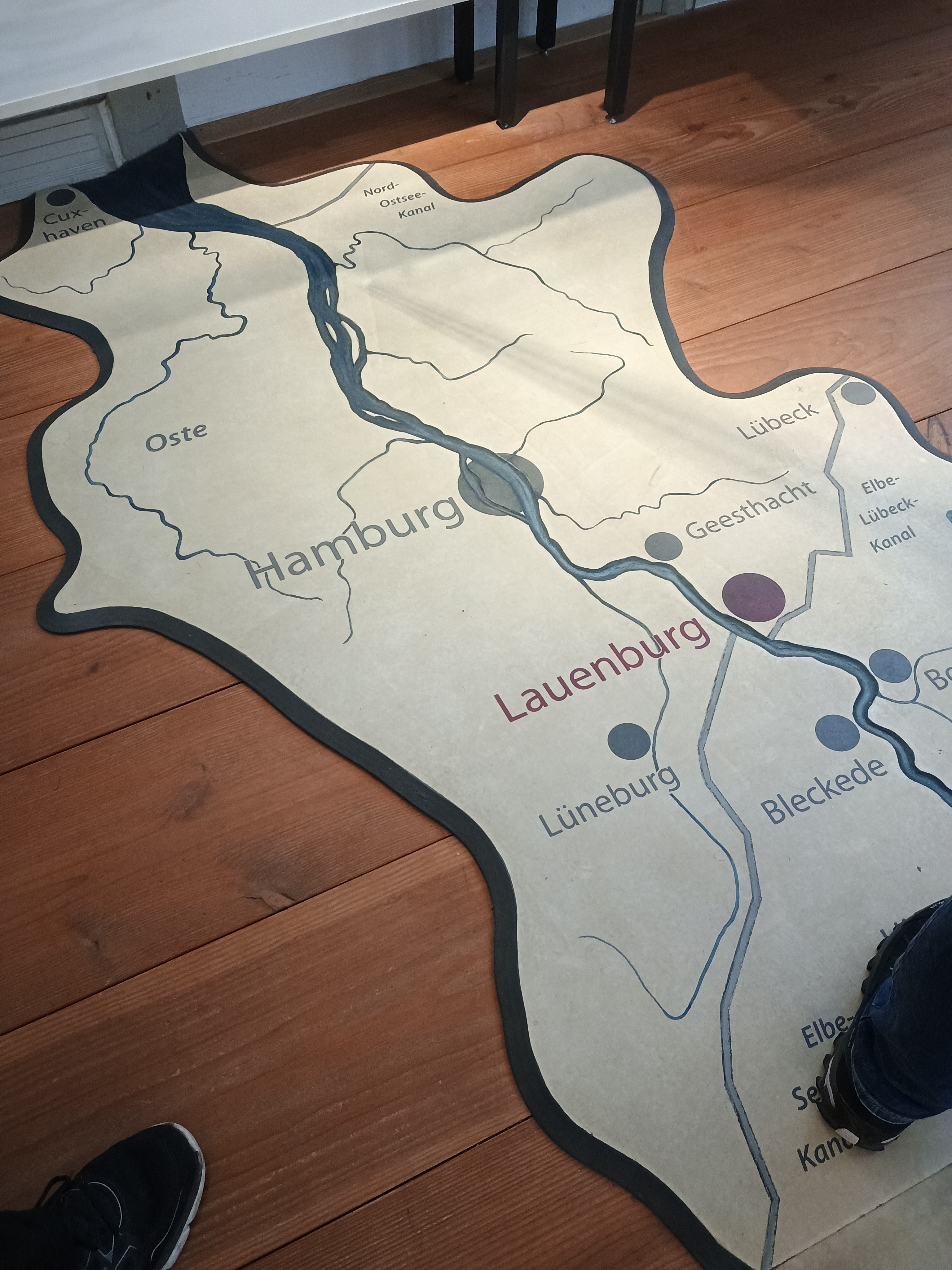
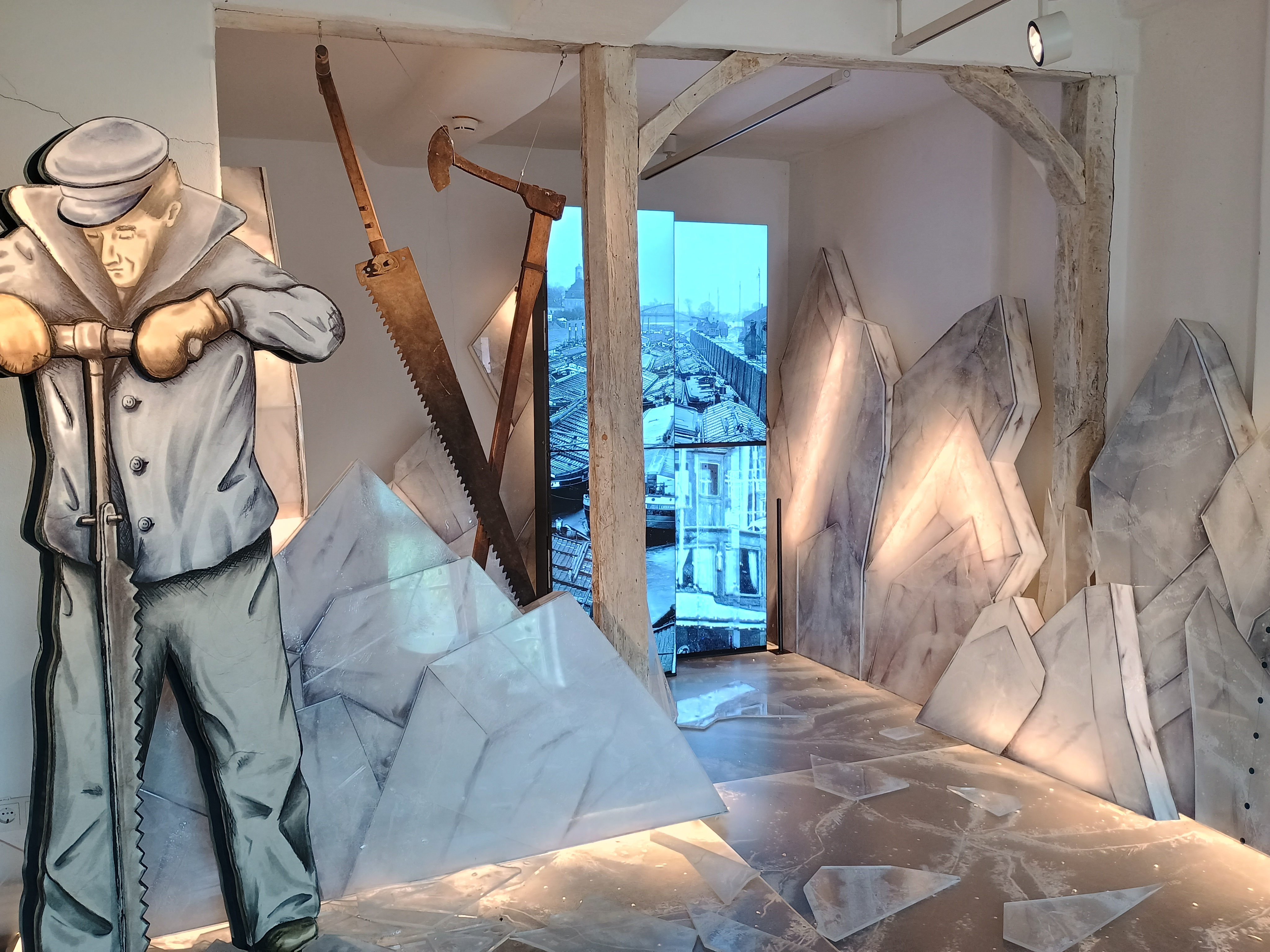
Elbe Shipping Museum was a nice surprise. The Elbe River, one of the major rivers in Europe, starts from the Giant Mountains in Northern Czech Republic & is 1,094 km (680 mi) long.

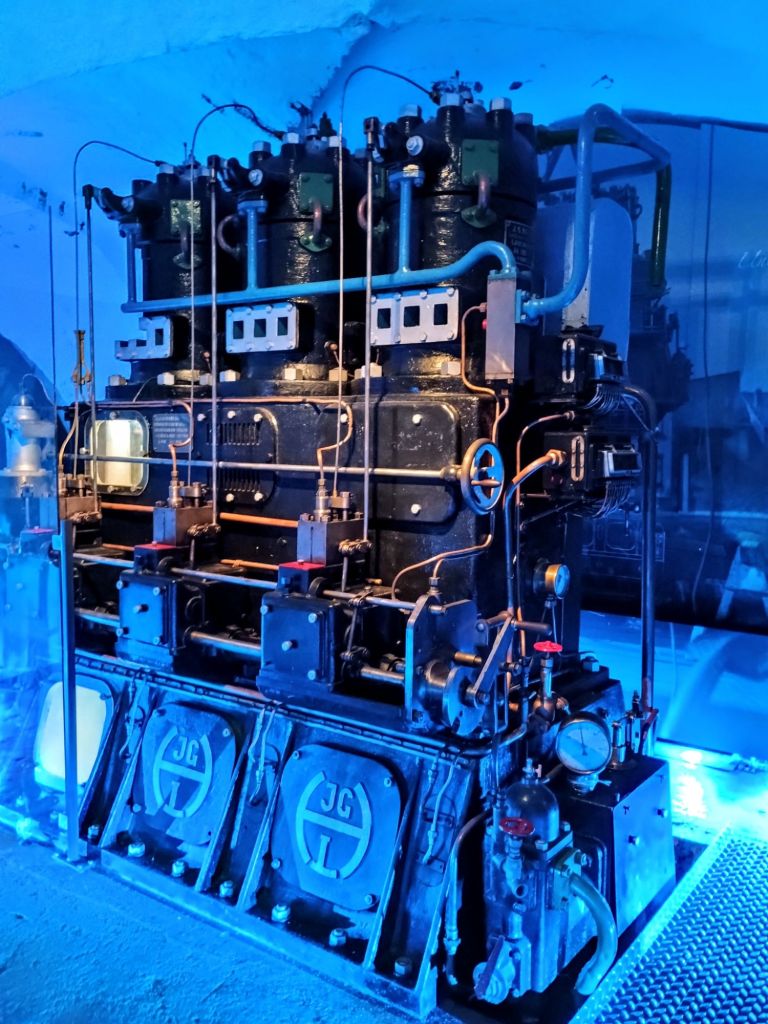
This museum showcases the history of river navigation and the lives of people connected to the Elbe & it was well worth a visit.

Song-i had suggested Luneburg as another great town to visit, and I considered stopping there on the way back. However, we were tired enough after all the walking down and up the hill in Lauenburg. There’s always next time.