Leon(Mexico): a Day Trip

September 2019

img_20190913_191212-1

Leon, with 1.4 million people, is one of the major cities in Mexico. It is more of a business center than a tourist attraction, but we decided to check it out during our one month stay in Guanajuato.

From Guanajuato Central Bus Terminal, ETN and Primera Plus luxury buses($4-5) make the 50 minute trip 8-10 times a day, but cheaper buses($3) go there every 20 minutes or so. Our slower bus made several stops along the way and got us there in 75 minutes.

The bus terminal in Leon is in the city center. We considered taking a cab to the Historic Center, but, the lady at the tourist information booth at the terminal said we cold walk there in 15-20 minutes. After about 10-15 minutes of seeing nothing much, we came to their Arch of Triumph:

img_20190913_115455-1

We could see another famous landmark, Templo Expiatorio Diocesano del Sagrado Corazón de Jesús, through the gate. Finally we are in the Historic Center, we thought.

But there was not much else to look at after that for another 10-15 minutes. It was getting hot and our feet were getting tired. When we finally came to Plaza Fundadores, we just wanted to sit down. In the map below, the bus terminal is about where the orange arrow is. The historic center is in the light brown area on the left.  [full map]

Screenshot 2019-09-15 at 4.57.03 PM

The Historic Center is compact, and there are enough churches and colonial era buildings to to see. We would have enjoyed walking around the area for an hour or two if we weren’t too tired.

When we left the Cathedral, we walked over to the main boulevard(Lopez Matteo) to get a cab(50 pesos) and got to our lunch spot recommended by the owner of the house we were renting in Guanajuato. Along this road, we noticed city bus stops. If we had known earlier(I did try to find information online about the public transportation in Leon but failed) we could have taken the bus to get to the Historic Center while getting ourselves oriented to the city, saved energy, and walked back toward the bus terminal area where the restaurant was located.

img_20190913_141053

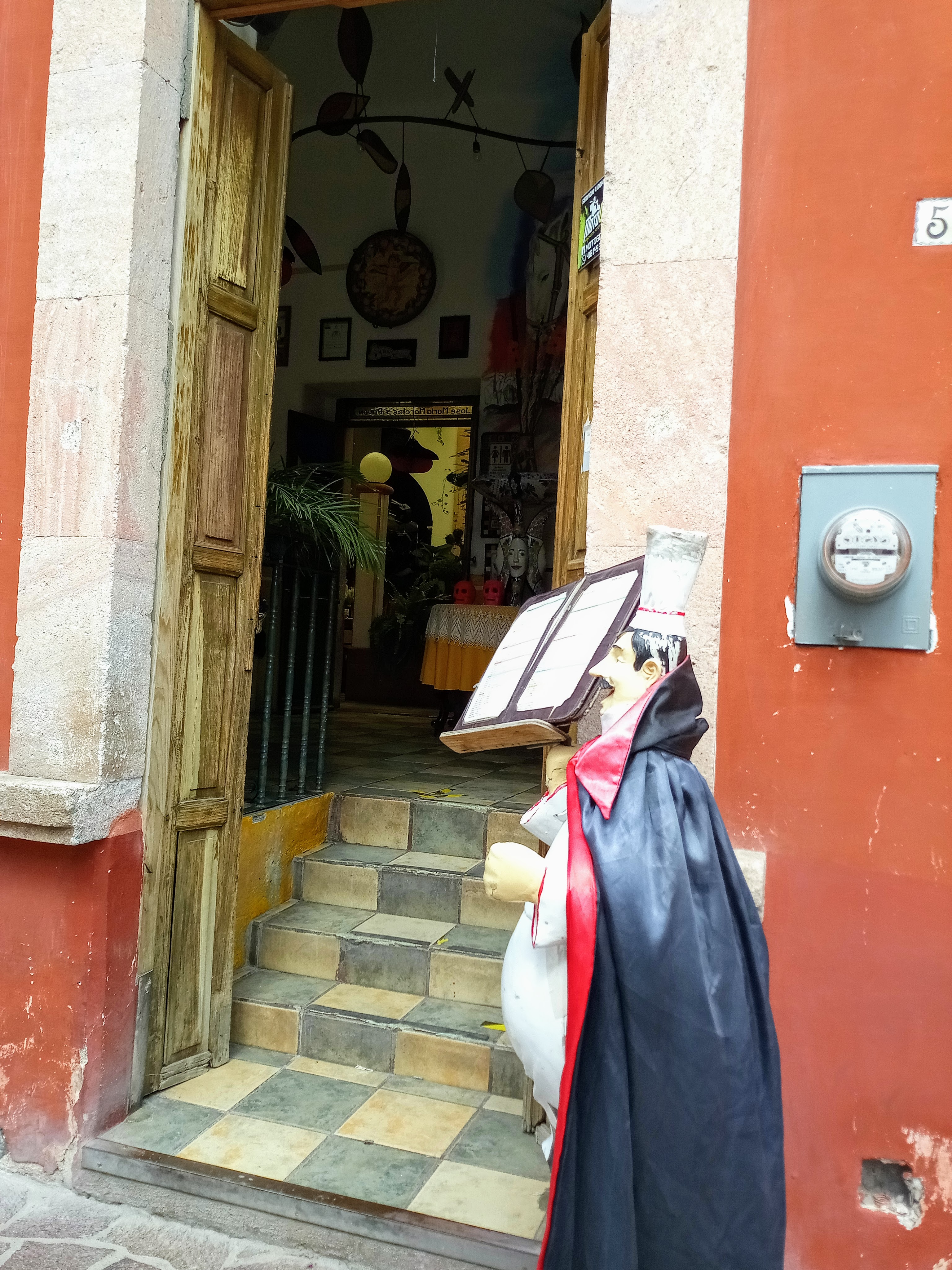
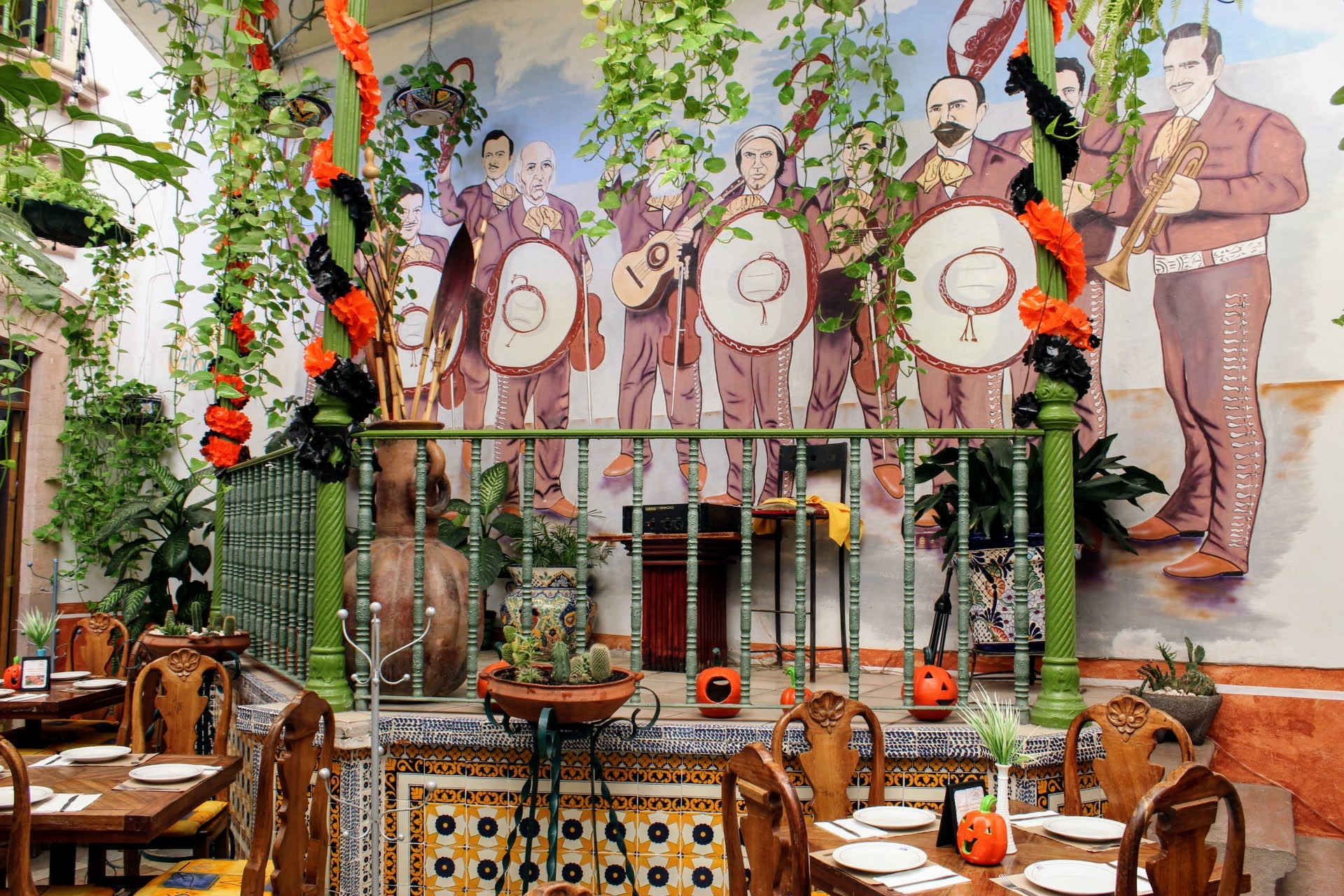
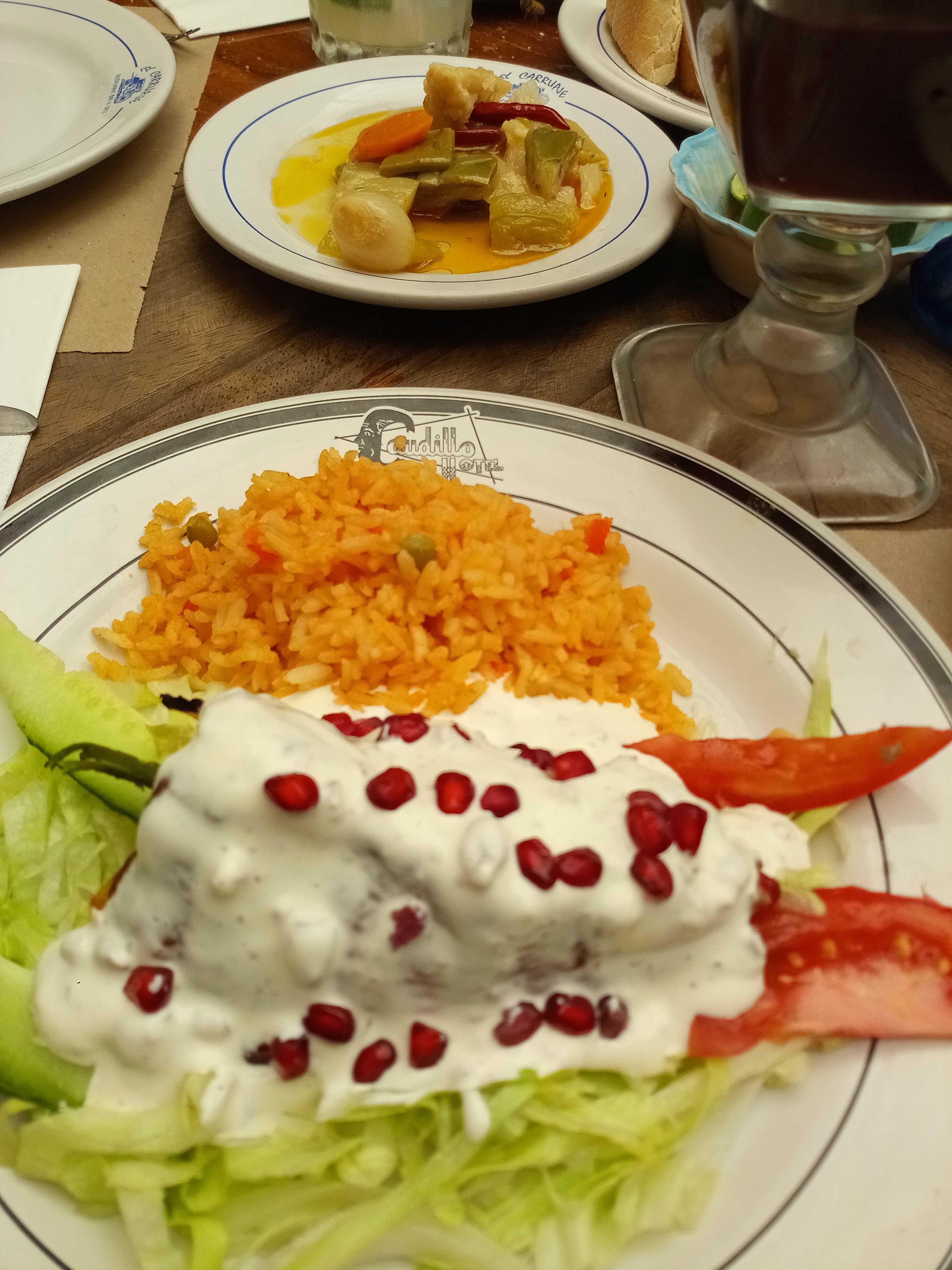
The highlight of this trip was this restaurant. Italian with a local twist, their Caesar salad was one of the best I’ve had anywhere around the world. Clam chowder: excellent. Pat had a crab and shrimp ravioli: to die for. Their drinks were top notch.

img_20190913_134657-1

img_20190913_134702-1

We have to try their dessert, Pat said. We settled on the most expensive item on their dessert menu(105 pesos), strawberries Jubilee, and watched them make it for us table side. Final bill? With a generous tip, the whole lunch was about $40.

img_1111

Another place recommended by our landlady was Guanajuato Art History Museum(free) in Leon Culture Forum, which was within walking distance from the restaurant. This was a nice surprise also. The architecture of the museum was impressive, and their multimedia exhibit was very interesting even though everything was in Spanish. It was clear that city of Leon was not expecting a lot of foreign visitors, though: their tourism office website is only in Spanish.

Leon’s foremost industry is production of leather goods. Right around the bus terminal, there are lots of shops selling leather shoes, boots, purses and so on. We were tempted by $30 cowboy boots, but, when will we ever wear them!

Leon was certainly not a place that we would go out of our way to visit, but there seemed to be enough to see and do for a day or two. If we were nearby, we would go there to check out other restaurants.


Dolores Hidalgo(Mexico): a Day Trip

September 2019

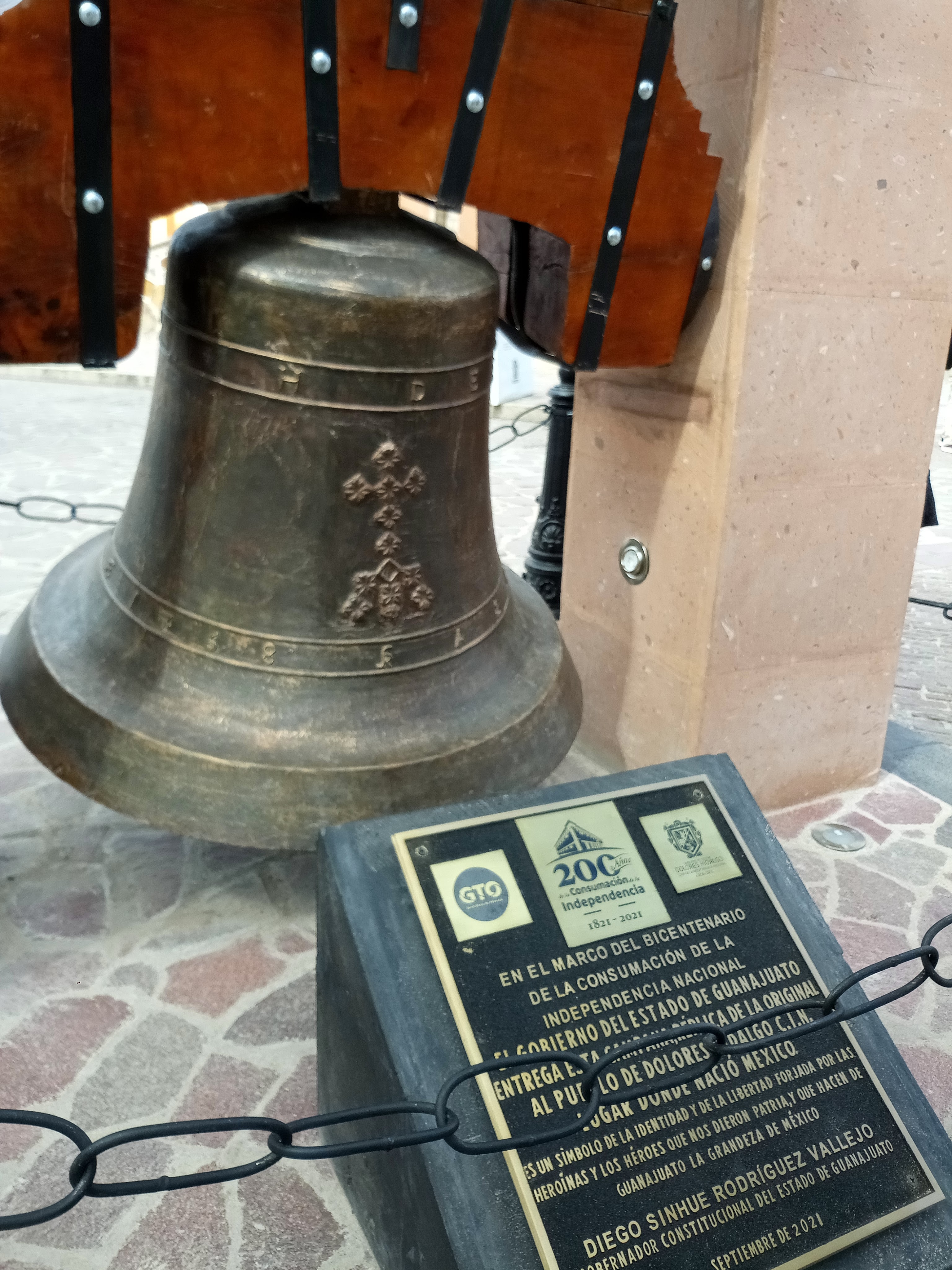
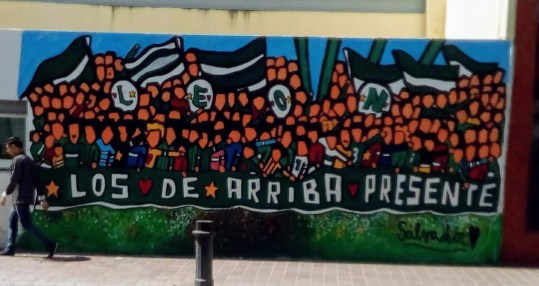
Today we took an Uber from Guanajuato to the small town of Delores Hildago. On September 16, 1810, the local priest, Miguel Hidalgo, of the then town of Delores, stood in front of his church and called for an insurrection against the Spanish. This speech is known as Grito de Dolores(Cry of Dolores). He then traveled around central Mexico raising an army. This was the start of the Mexican revolution. The town is now named Delores Hildago and is known as “The Cradle of National Independence.” September 16 is celebrated as Mexican Independence Day, and, as seen in the photo above,  the town was getting ready. Mexico gained independence from Spain in 1821, but Spain did not officially recognize the independence of Mexico till 1836.

img_20190910_104159

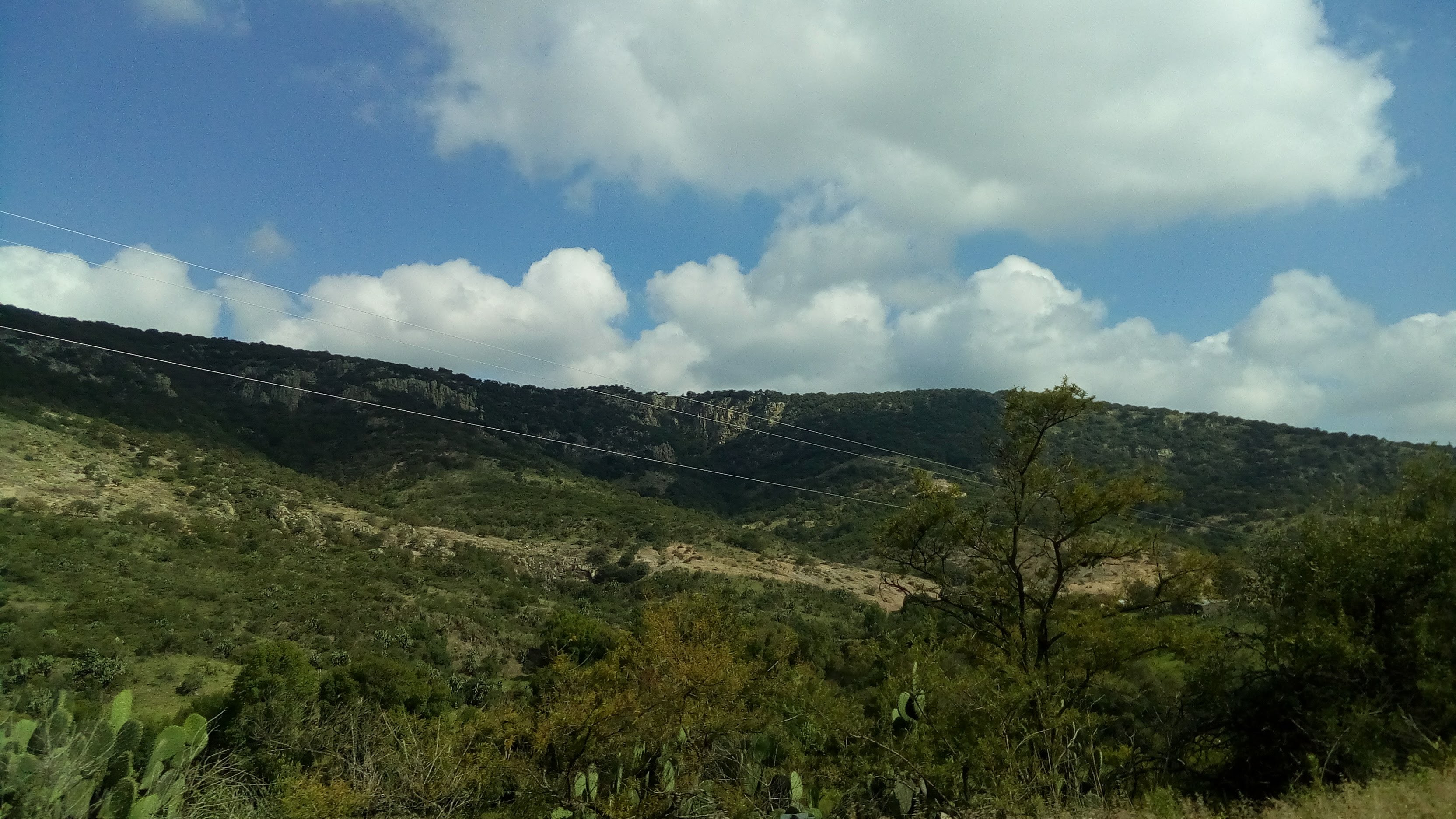
The Uber ride cost around 518 pesos($26) and took about an hour.  We had read about the winding high mountain road, but it wasn’t too bad as far as mountain roads go. The view was quite pleasant and all green.

Most major attractions in  Dolores Hidalgo(population: 148,000) are around the main square: The church where Hidalgo gave his speech, the Independence Museum, and the ice cream vendors. Aside from its association with the nation’s independence, there are 3 things that the city is known for: ceramics, ice cream, and one of the most famous rancheras singer-songwriters of Mexico, Jose Alfredo Jimenez. 

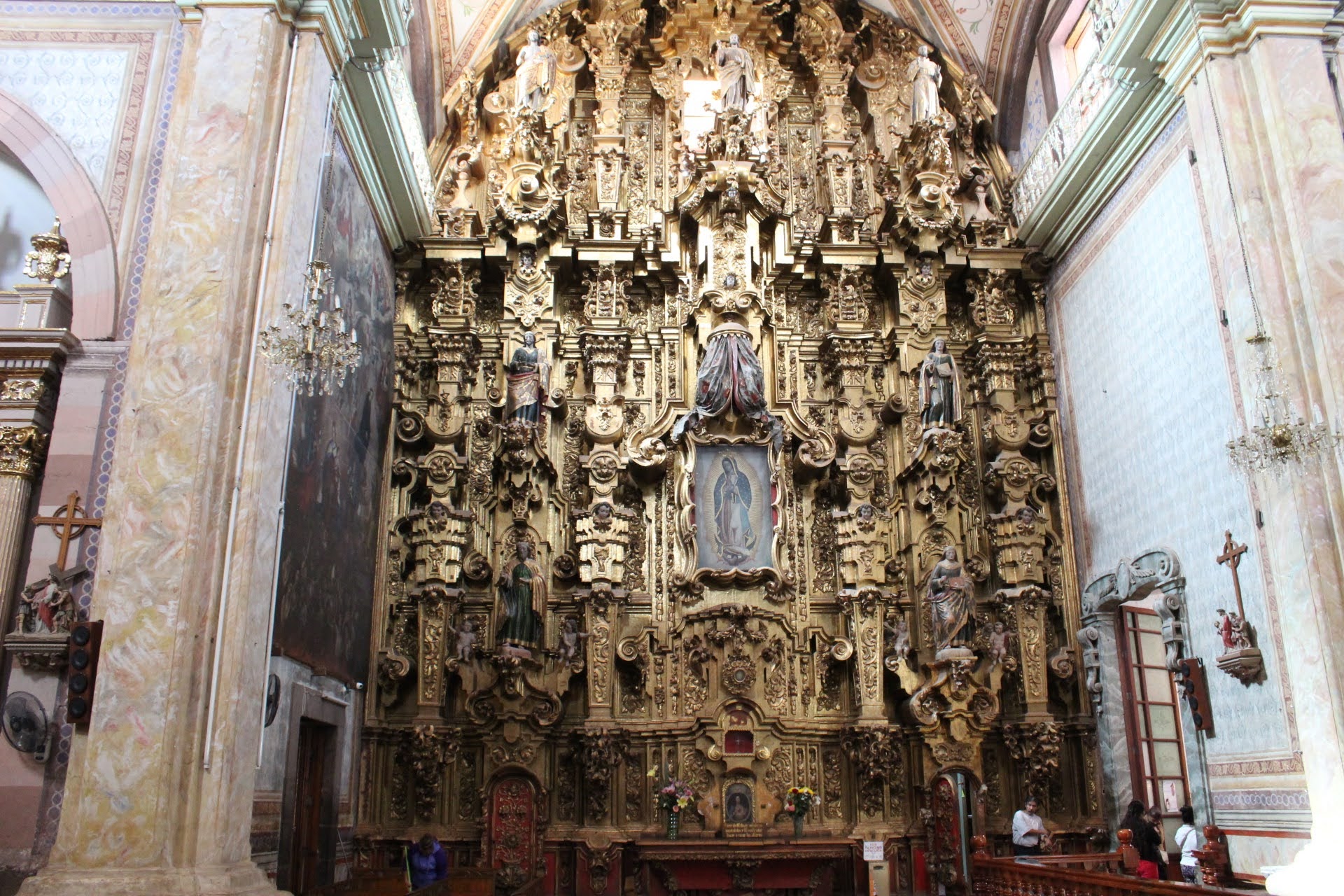
Church of the Grito (full name: Parroquia Nuestra Senora de los Dolores) is in great shape, and the interior is quite ornate. When he arrived here in 1803, Father Hidalgo tried to help the poor people in the region by teaching them grow grapes and olives, but it was illegal to grow these locally because this meant lower import needs for these items from Spain. It is not too hard to understand why so many people(almost 100,000) were willing to join the uprising considering the condition of life that they were leading in a colonized territory.

The Museum of Independence tells the story of the uprising and eventual independence. It is not a sophisticated/high-tech presentation, but, it does the job. All the museums in town cost 20-30 pesos($1-1.50) to enter, and the people at the receptions seemed to be happy to have us. This museum is practically next door to the church, and a tourist information office is right next to it. We got a map of the town from there.

We also went into the Bicentennial Museum on the same block, but there was not much there. We did not go into the residence of Hidalgo’s descendants or of himself that are on Hidalgo Street southwest of the square.

Image result for dolores hidalgo mapa turistico

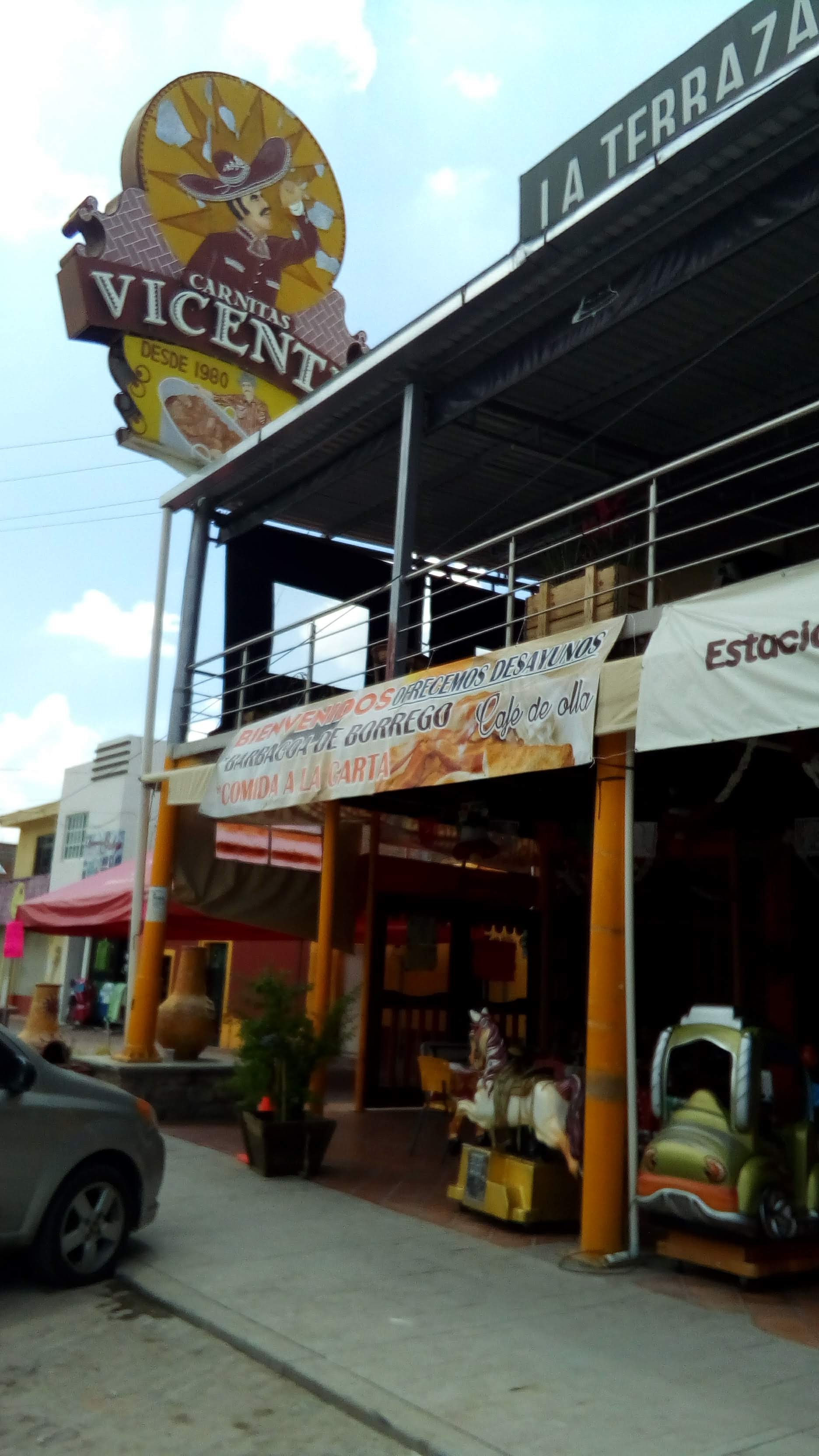
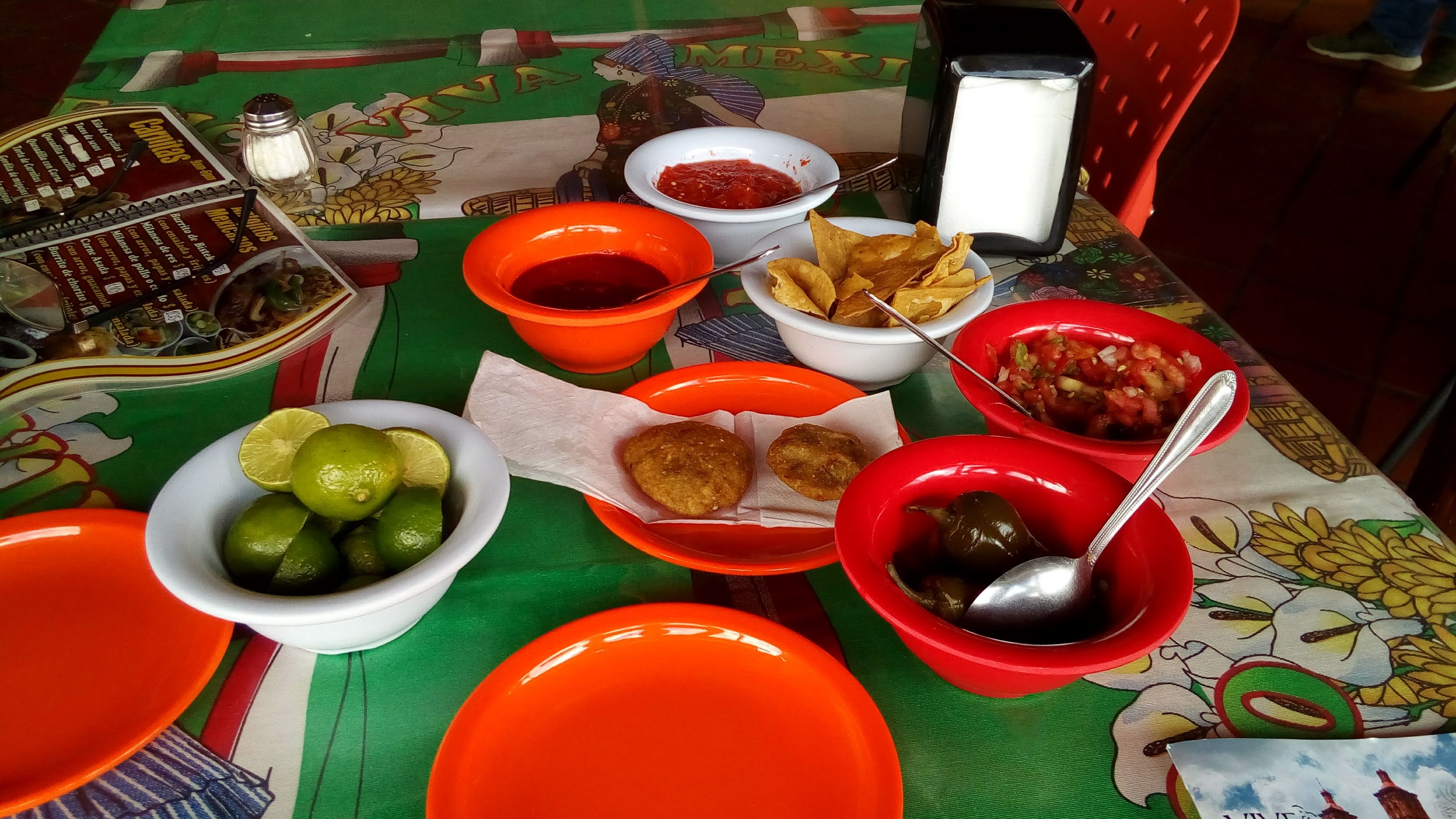
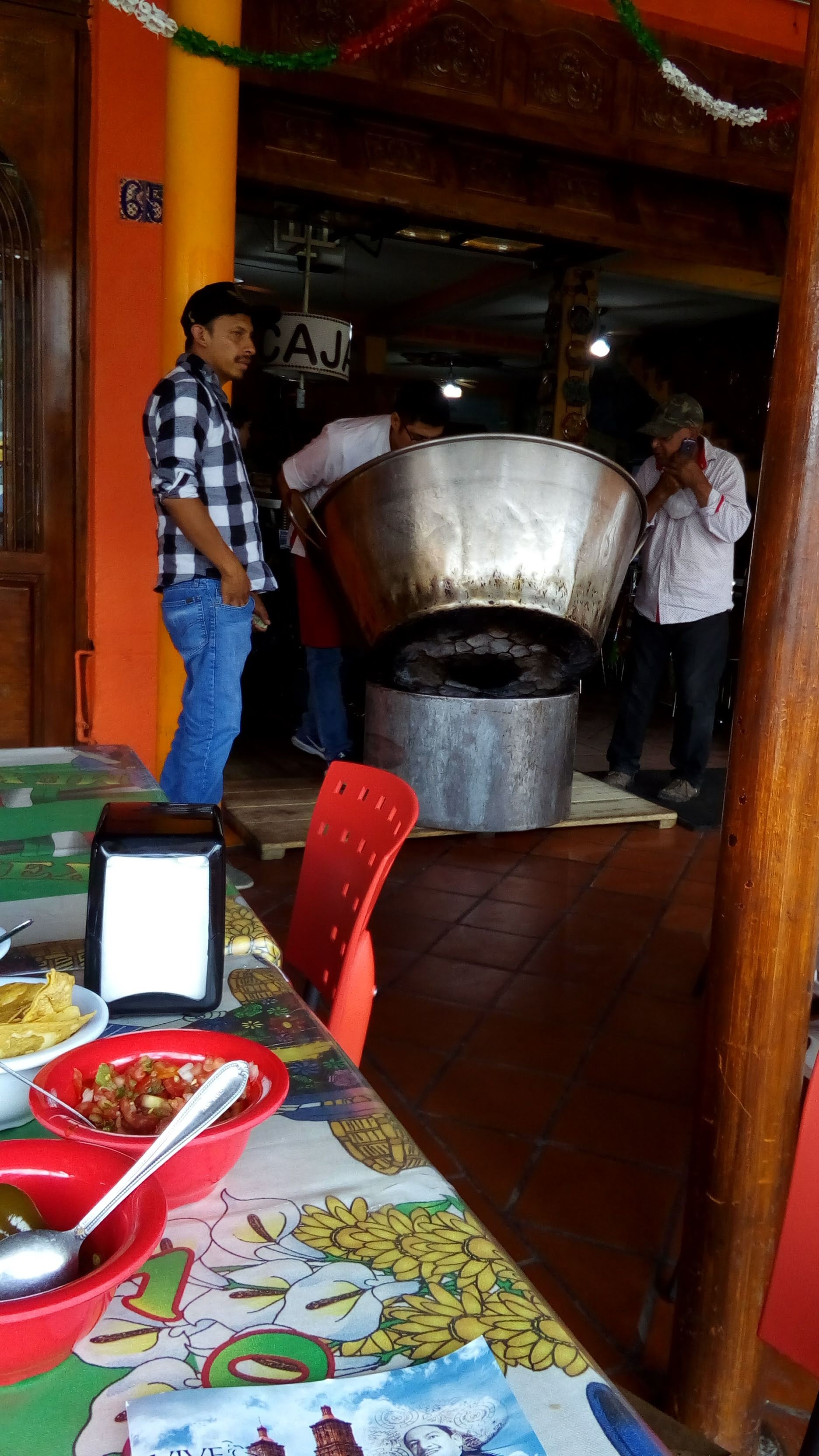
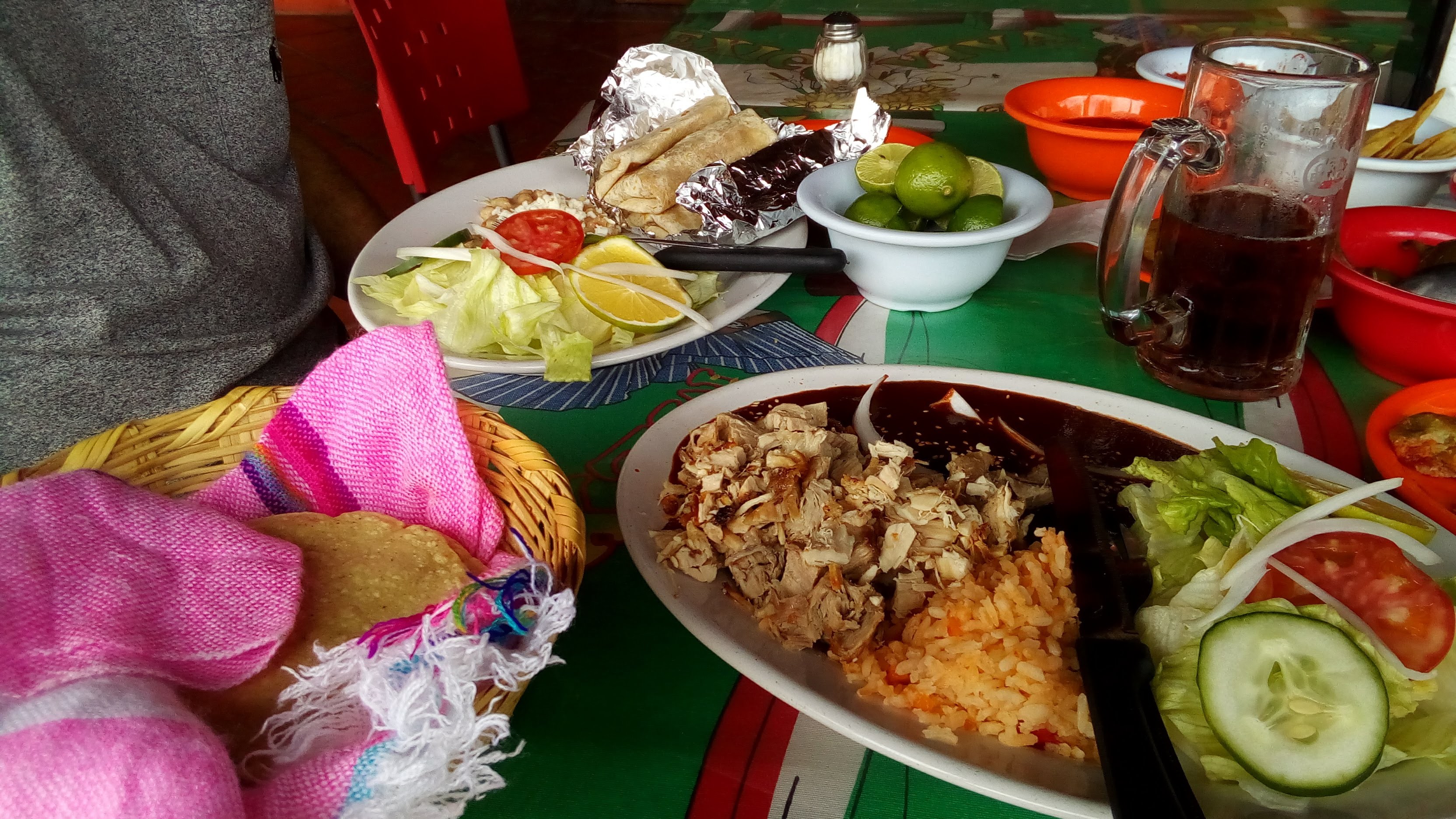
We walked northeast for 10-15 minutes from the square & arrived at a huge carnitas restaurant called Vicente. Their meat was very tender and tasty & salsas were great. You can get 1 kg of carnitas for 390 pesos($20). We chose to stay with more manageable but still big portioned items on the menu.

As I mentioned earlier, the town is known for high quality ice cream featuring weird flavors. We skipped the shrimp and octopus ice cream, but I did try the mole(not my favorite). Caramel was Pat’s favorite.

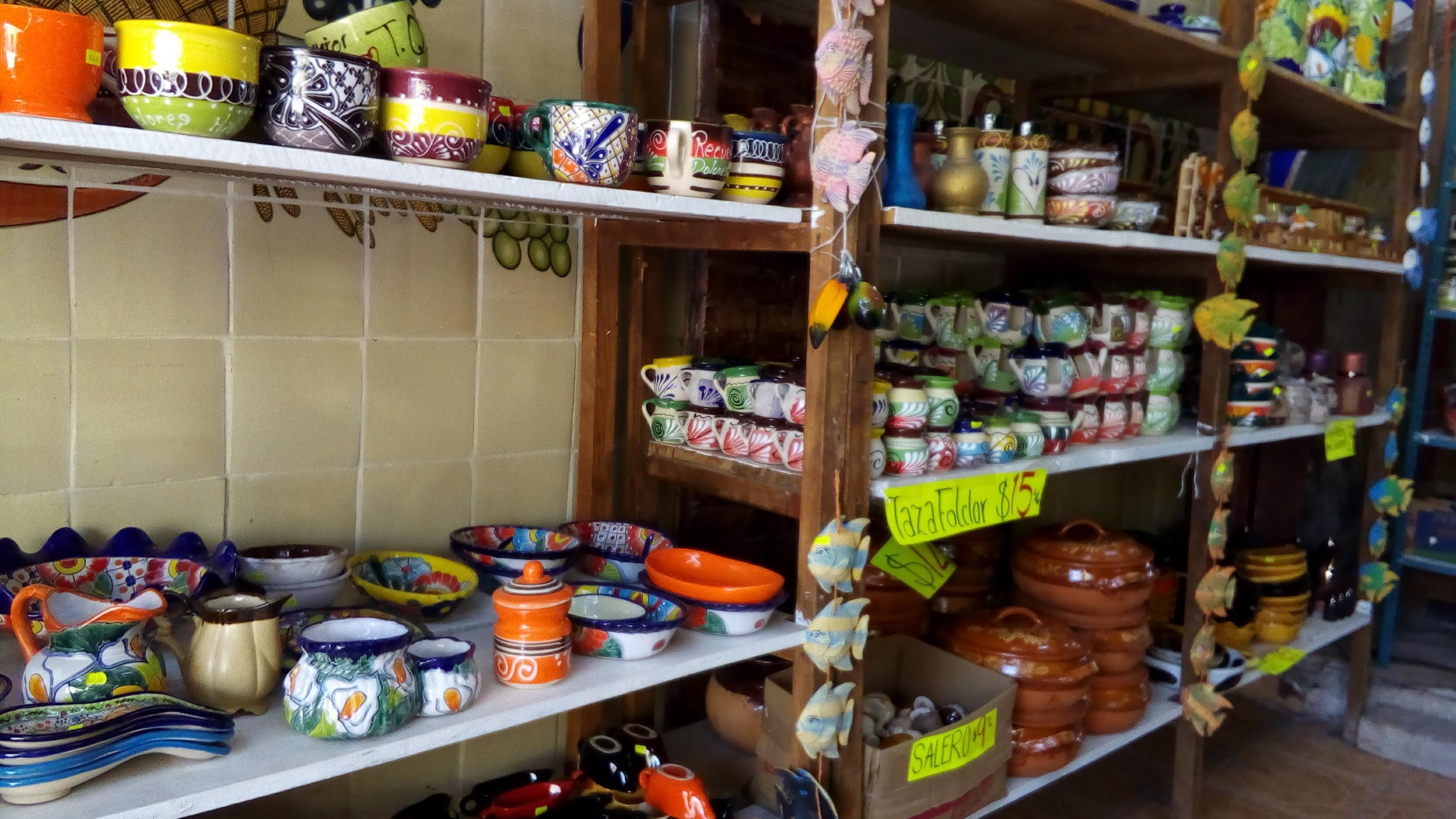
Ceramic shops were scattered around town, and prices were so low that we wished we could buy more than we could carry. We did not find prices cheaper here than Guanajuato for clothing and other items.

img_20190910_135125

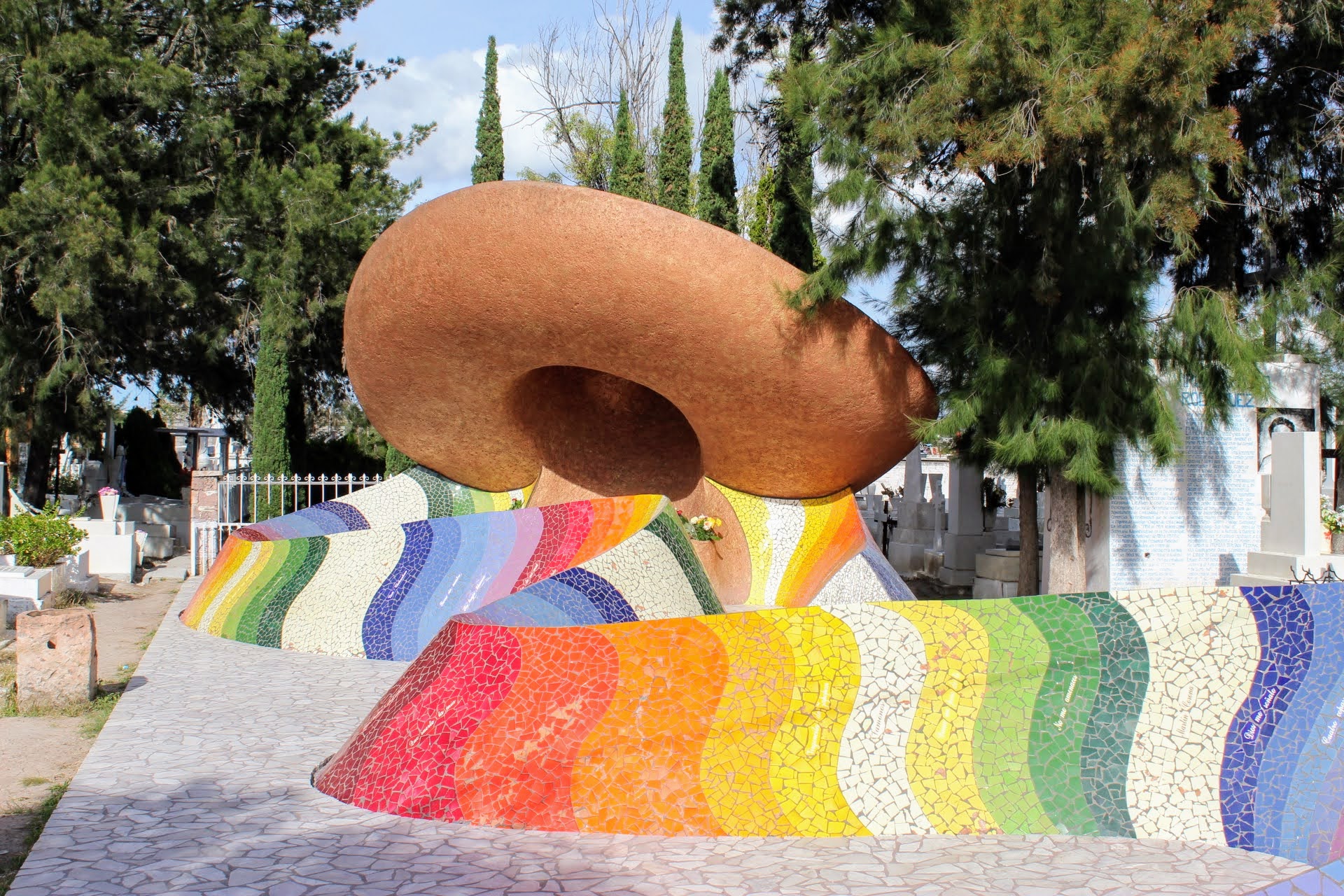
The house museum and the mausoleum of their famous native son, José Alfredo Jiménez, were other major attractions. We did not go, though. (note: the location of his house museum on the map above is a few blocks off)

img_20190910_140045

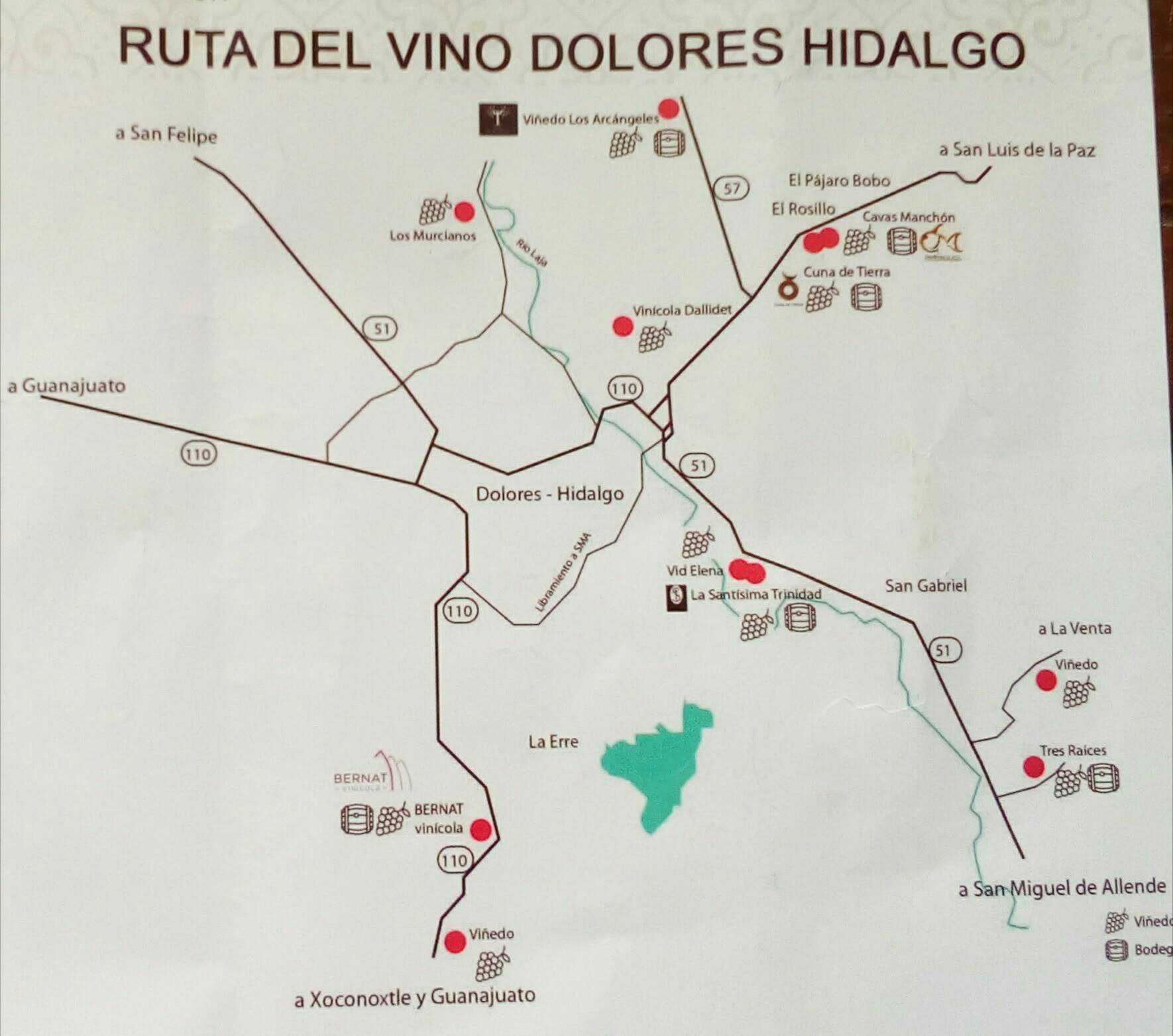
Another thing this region is well known for is wine production. There are many vineyards right outside of town, and tours were offered.

img_20190912_101411

Coming back, Uber was not available in Dolores Hidalgo. The central bus station is just a 5 minute walk south on Hidalgo Street. Flecha Amarilla bus(82 pesos, $4) made stops along the way, but the 1.5 hour ride was comfortable enough. We managed to get off before the bus entered the historic center of Guanajuato, and it was about a 20-25 minute walk to reach the center. I imagine one can catch a bus from a station(called Dos Rios, I’ve read) in this area to go to Dolores Hidalgo. You can get to this area by turning north along the big road running next to the Regional Museum of Guanajuato Alhóndiga de Granaditas.

Dolores Hidalgo was good to visit to learn more about the history of Mexico. It is basically a sleepy town where not a whole lot happens.

[October 2021 Update] map

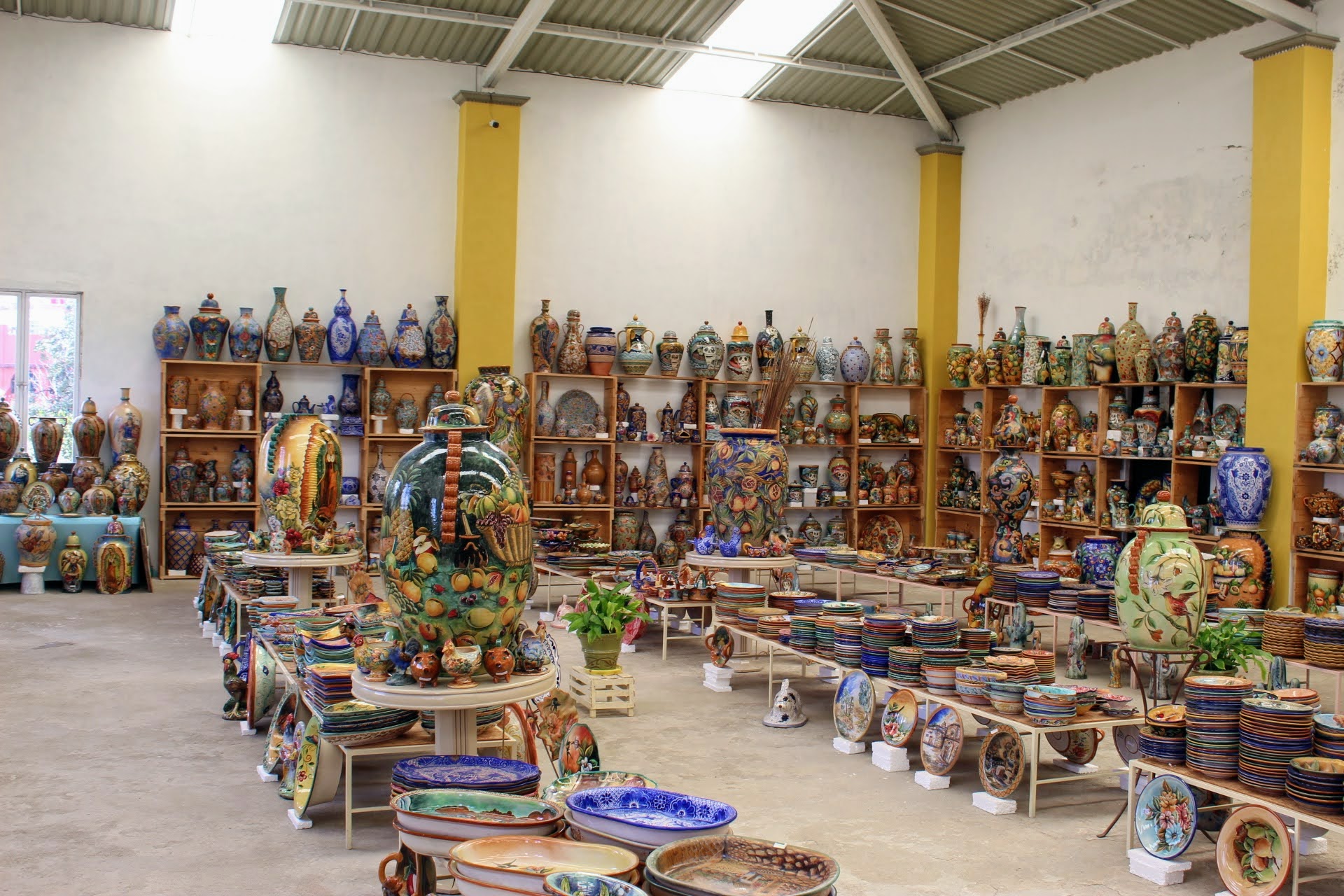
This time we had a driver/guide taking us from Guanajuato to Dolores Hidalgo to Mineral de Pozos. We first stopped at a little village before reaching Dolores Hidalgo called Santa Rosa to the famed Majorcan style ceramic studio. This place is not easy to get to on a public transportation, but, it is definitely worthwhile to stop by to witness the beautiful craftsmanship at Mayolica Santa Rosa.

There were so many exquisite pieces of ceramic in the showrooms. Their prices were quite reasonable for the quality, and we wanted to buy a whole dinner set! Well, the shipping cost would have been more than the product cost, thus, the math didn’t work out.

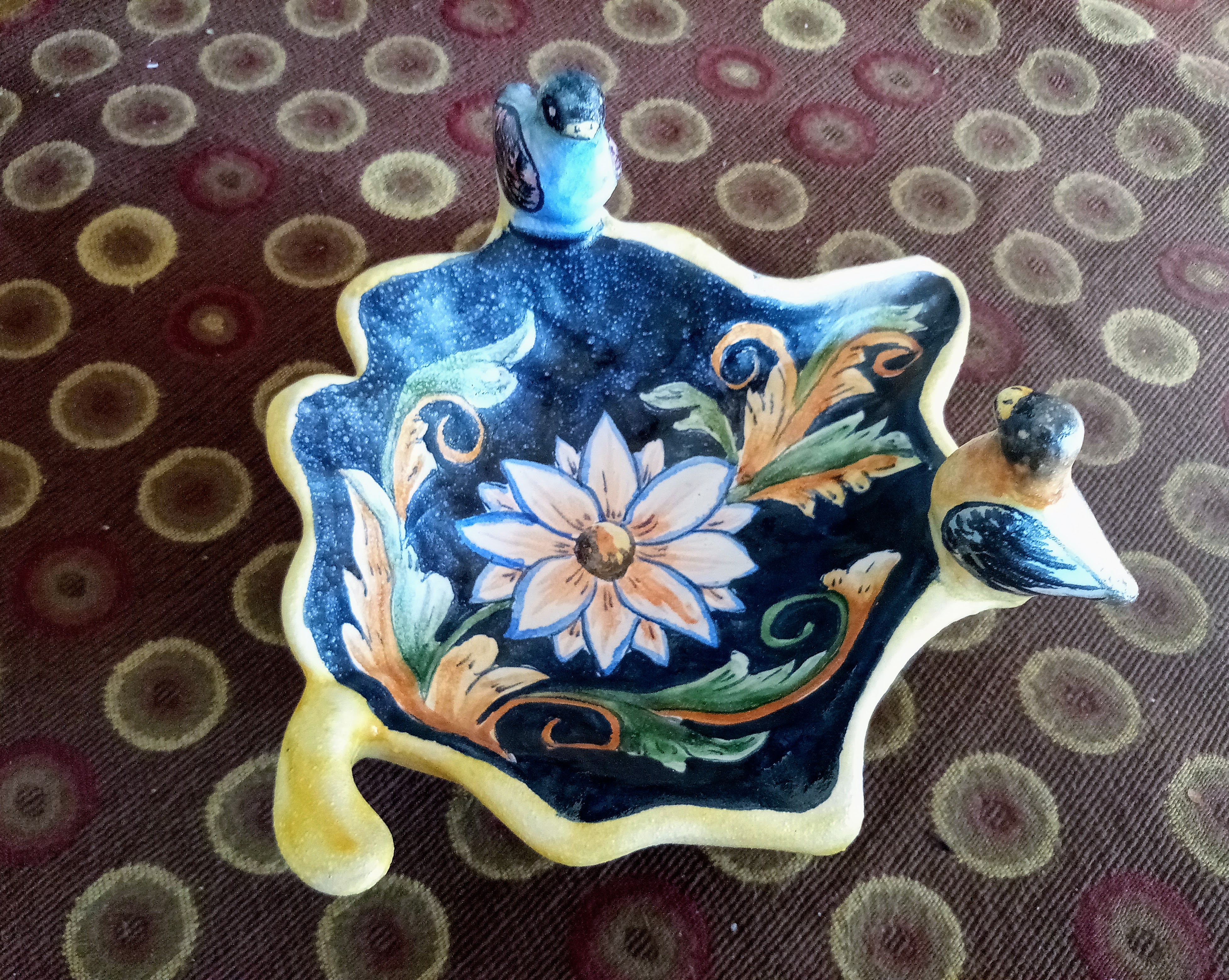
We snapped up a fun candy bowl for $12.

Our guide Osvaldo took us to a nice restaurant just a few steps from the main square for lunch. Great decor, food, service and not expensive at all. This is why it’s good to have a local person guiding us!

Then we did the Church and the main square and the ice cream etc. Museums were not open due to the pandemic.

This time we did go to the grave site of the singer Jimenez which was not in the city center.

Batu Cave(Malaysia): a Day Trip

August 2019  [by Bill]


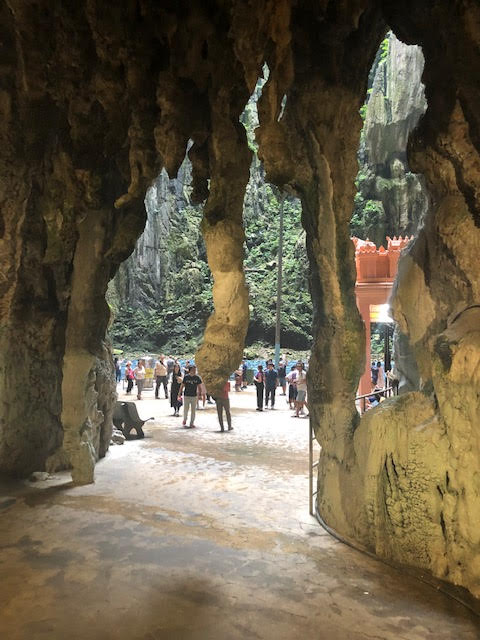
Today I visited the world famous Batu Caves, located just outside of Kuala Lumpur. I reached the caves via a 45-minute bus ride. There were fewer than ten people on the bus. The cost was about USD$10 round trip.( Other ways to get there.)

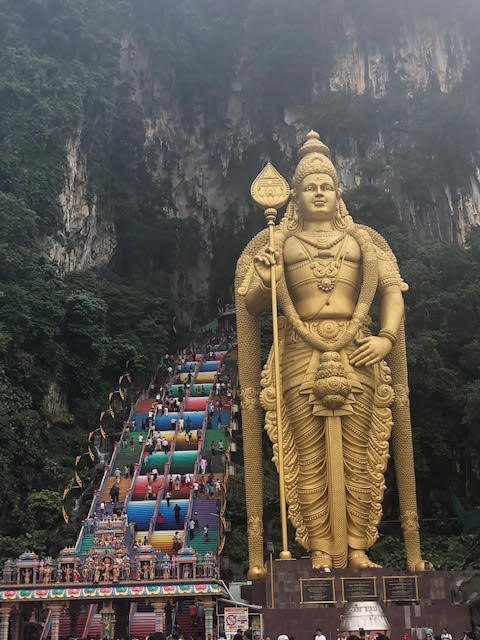
When you get to the Batu Cave area, the first thing you see is the towering 140 foot Buddha statue, 100% covered in gold leaf. Directly behind the statue to the left is a stairway consisting of 242 brightly colored, very steep, steps.

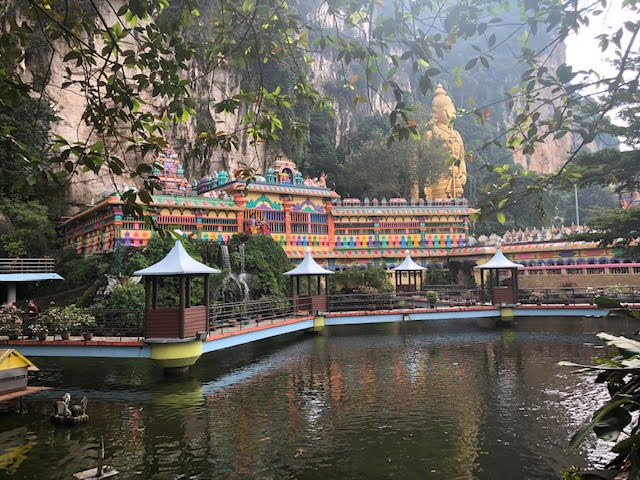
As you approach the stairs, there’s a picturesque view of a small lake. There’s also a Buddhist temple which you can visit (no shoes allowed). The mountain mainly consists of limestone, a soft and very porous rock.

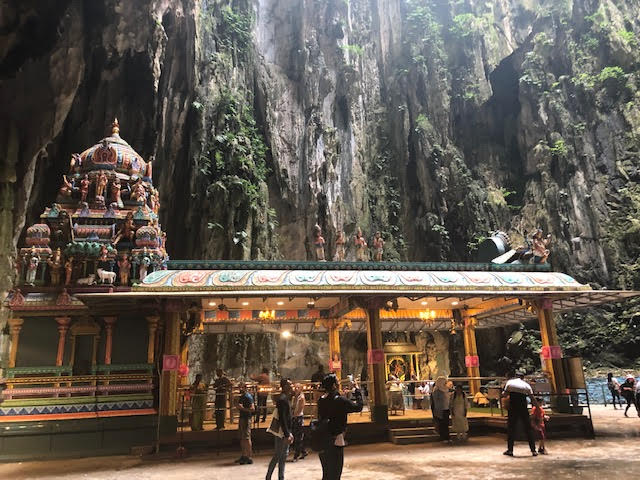
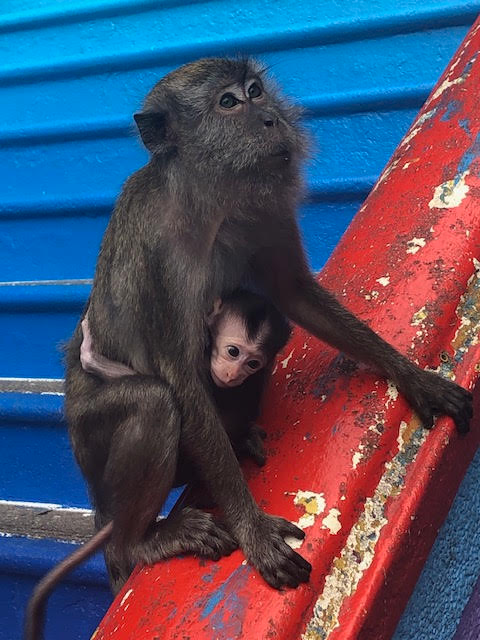
With the heat and humidity, the stairs took their toll on me. I now know how NBA players feel when sweat is dripping non stop from their faces. At the top there is a huge main cave, as well as a few outlet areas, with Buddhist shrines built into them. On the way up (and down), lots of smallish monkeys are scampering pretty much everywhere.

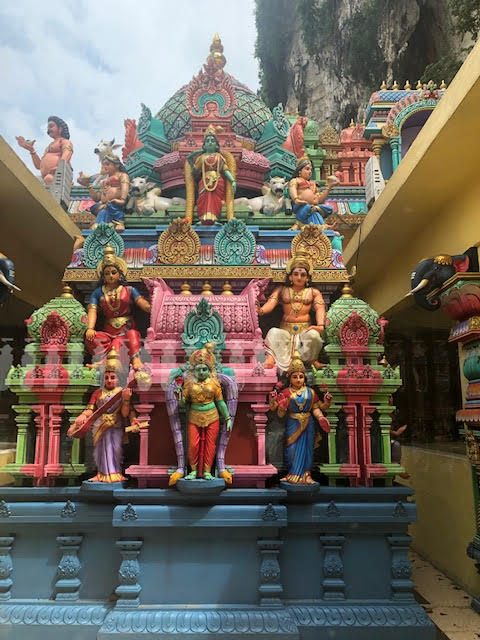
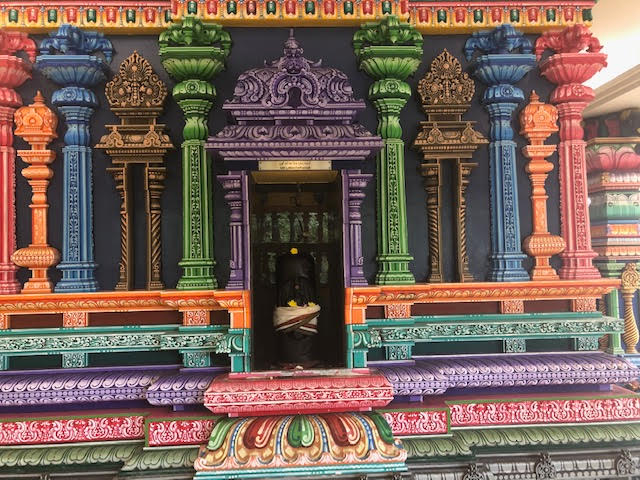
Everything is painted in very bright colors.

By the time I got back to the bottom of the stairs, every person was a sweaty mess, but also exclaiming about how spectacular this place is. The photos do not do it justice. 4 bottles of water later, I still feel thirsty.

There is no actual cost to visit the Batu Caves complex. I’m glad I visited on a Tuesday, as the crowds were large, but I’m told on the weekends there’s so many people, there is a line to walk up the steps.

The weather this morning was 80 degrees at 7:00 AM. It almost felt cool compared to the mid 90’s, and the off the charts humidity later in the day . By 10:00 AM, it was back to the mid 90’s, with the never ending humidity.

The traffic congestion in Kuala Lumpur is truly epic, in all of the wrong ways. Motorcycles are zipping in, around and through the streets, including on the sidewalks. Way too many cars, tour buses, city buses, as well as large numbers of tourists and locals on every street corner. Crossing the street is a life threatening event every time.

I’ve determined that in order to maintain some type of counter balance to the oppressive heat and humidity in Kuala Lumpur, I will try to do activities in the morning or late afternoon, and spend the rest of each day in an AC place, or taking a dip in the pool at the apartment where I’m staying at.