May 2025
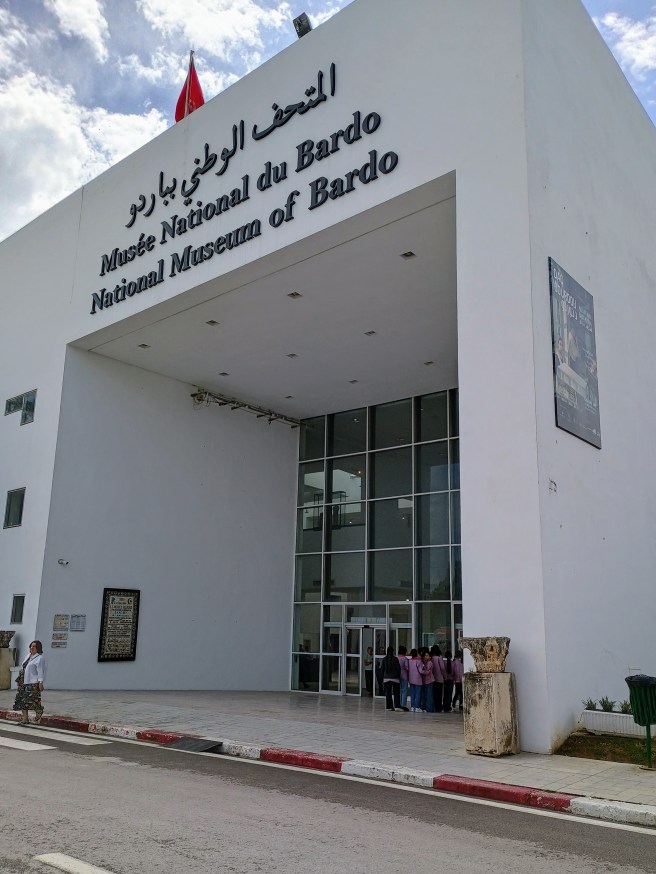
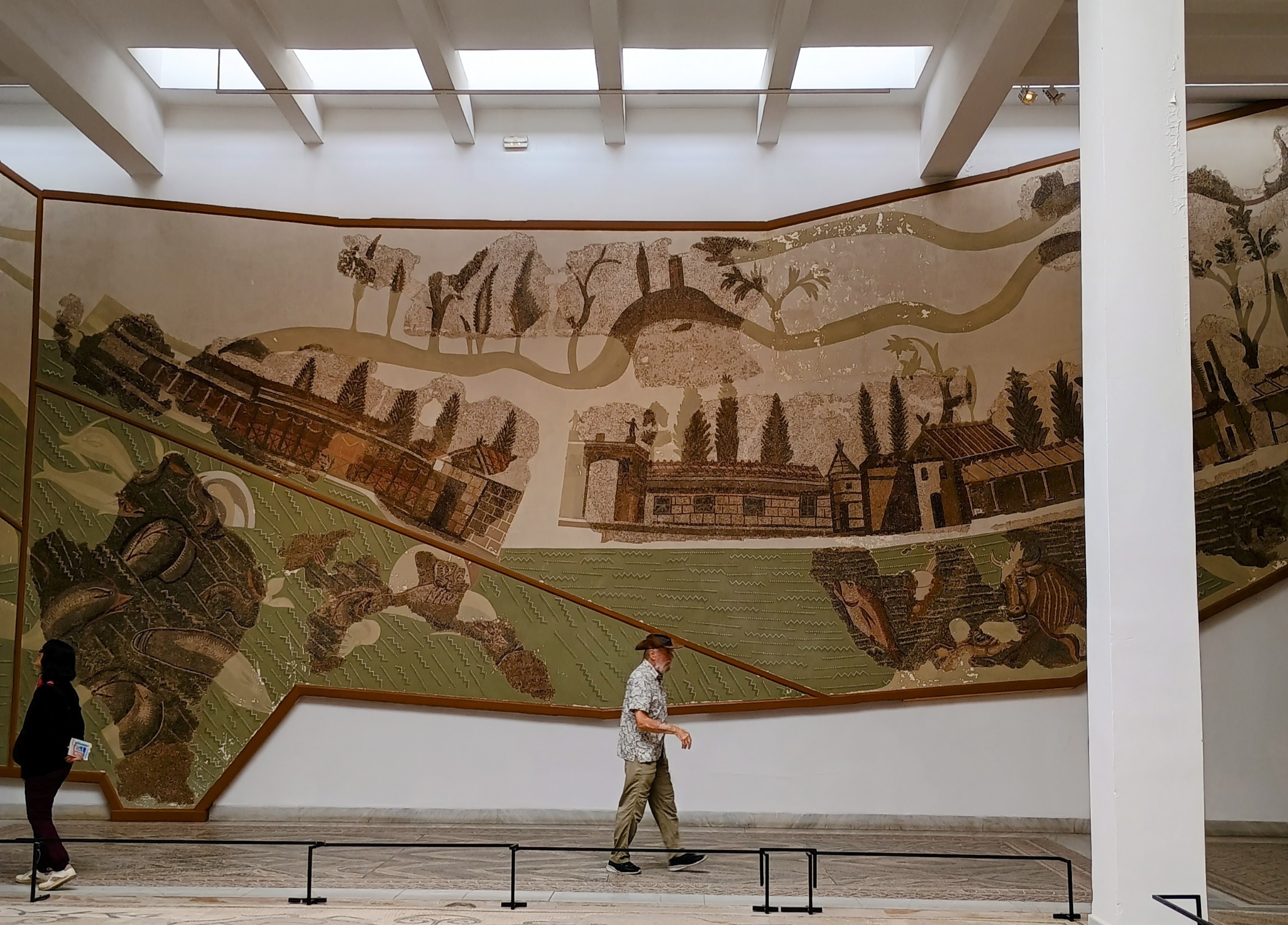
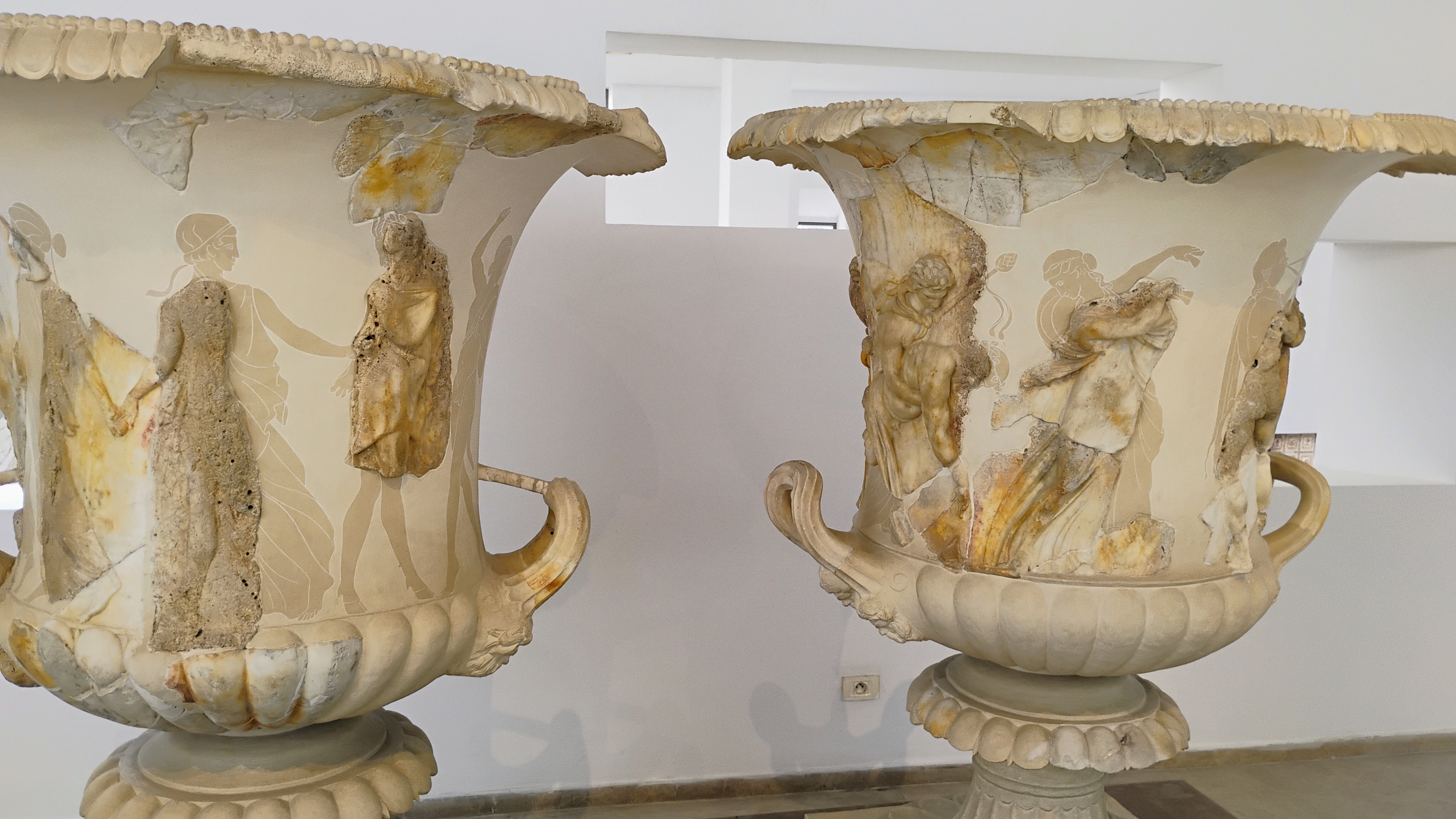
One museum everyone visits in Tunisia is the Bardo National Museum in northern Tunis. We started our last day in Tunisia there.
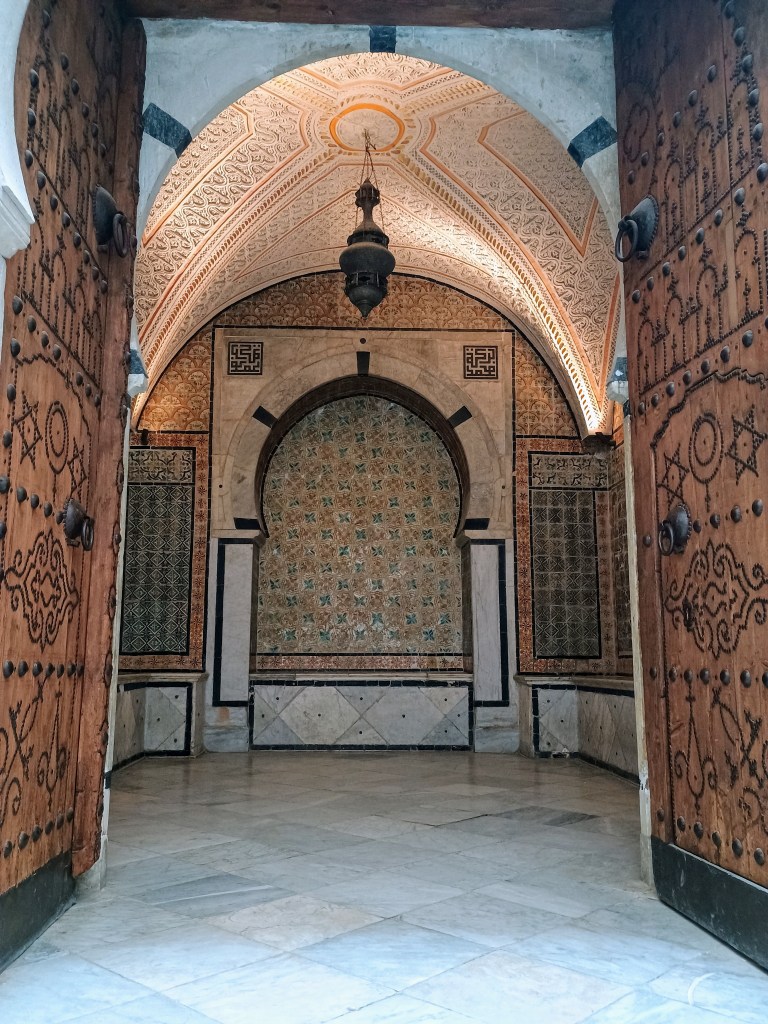
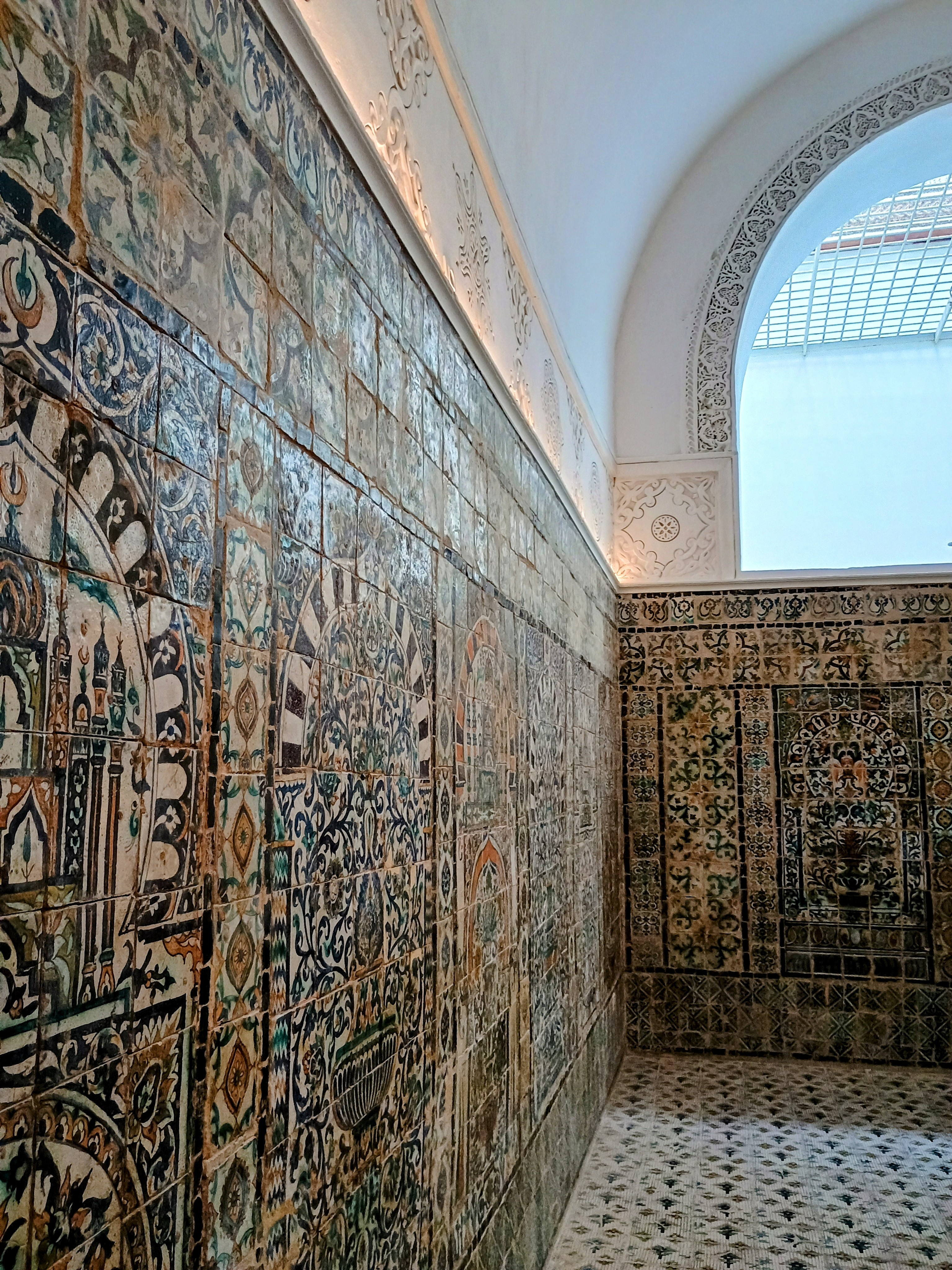
This museum is known for its collection of Roman mosaics which were gathered from various archeological sites including Carthage, El Jem and others. Yes, it was definitely impressive!

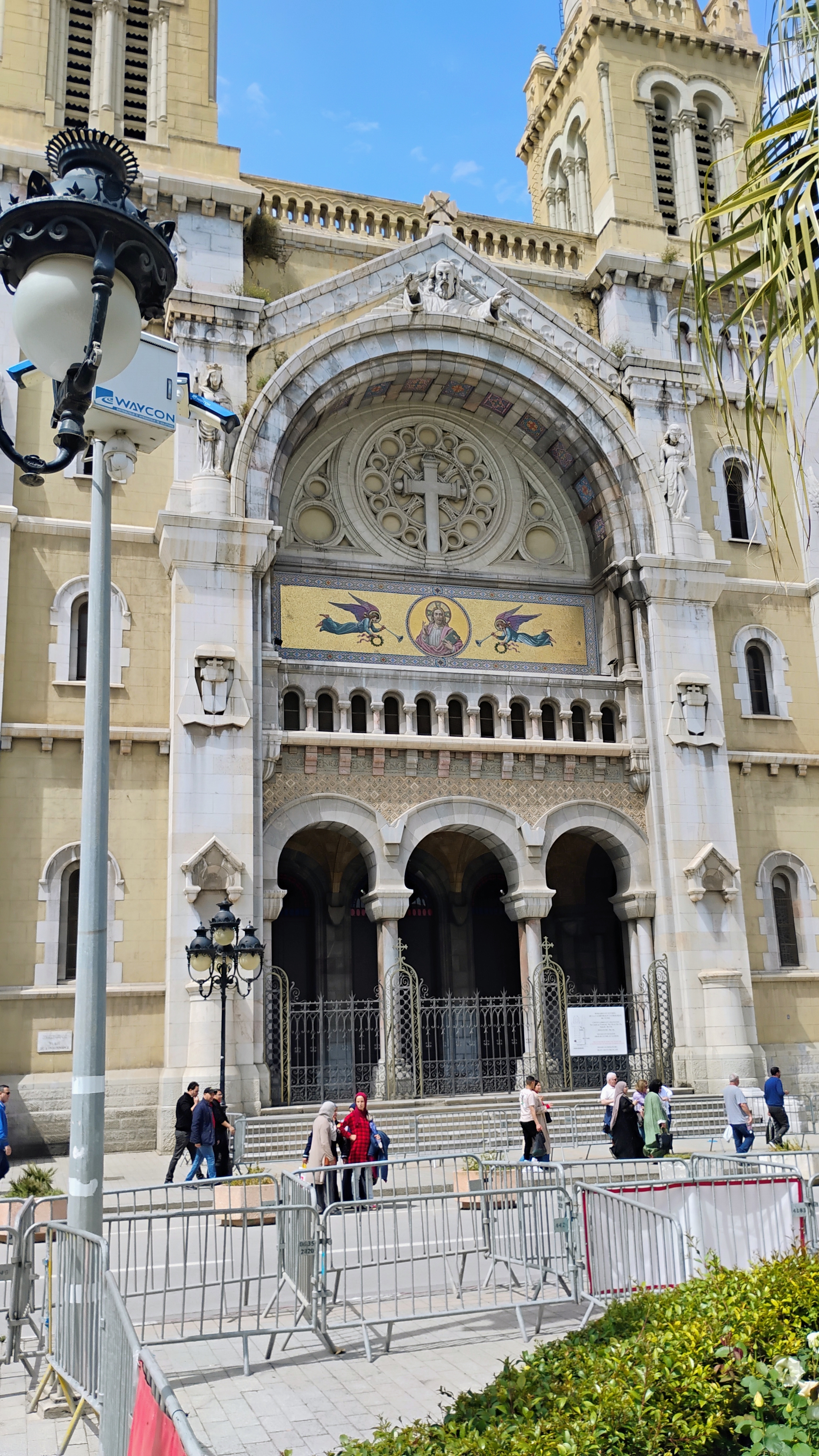
We signed up for a walking tour of the medina of Tunis. Our meeting place was in front of the I Love Tunis sign which is in front of the cathedral shown here.
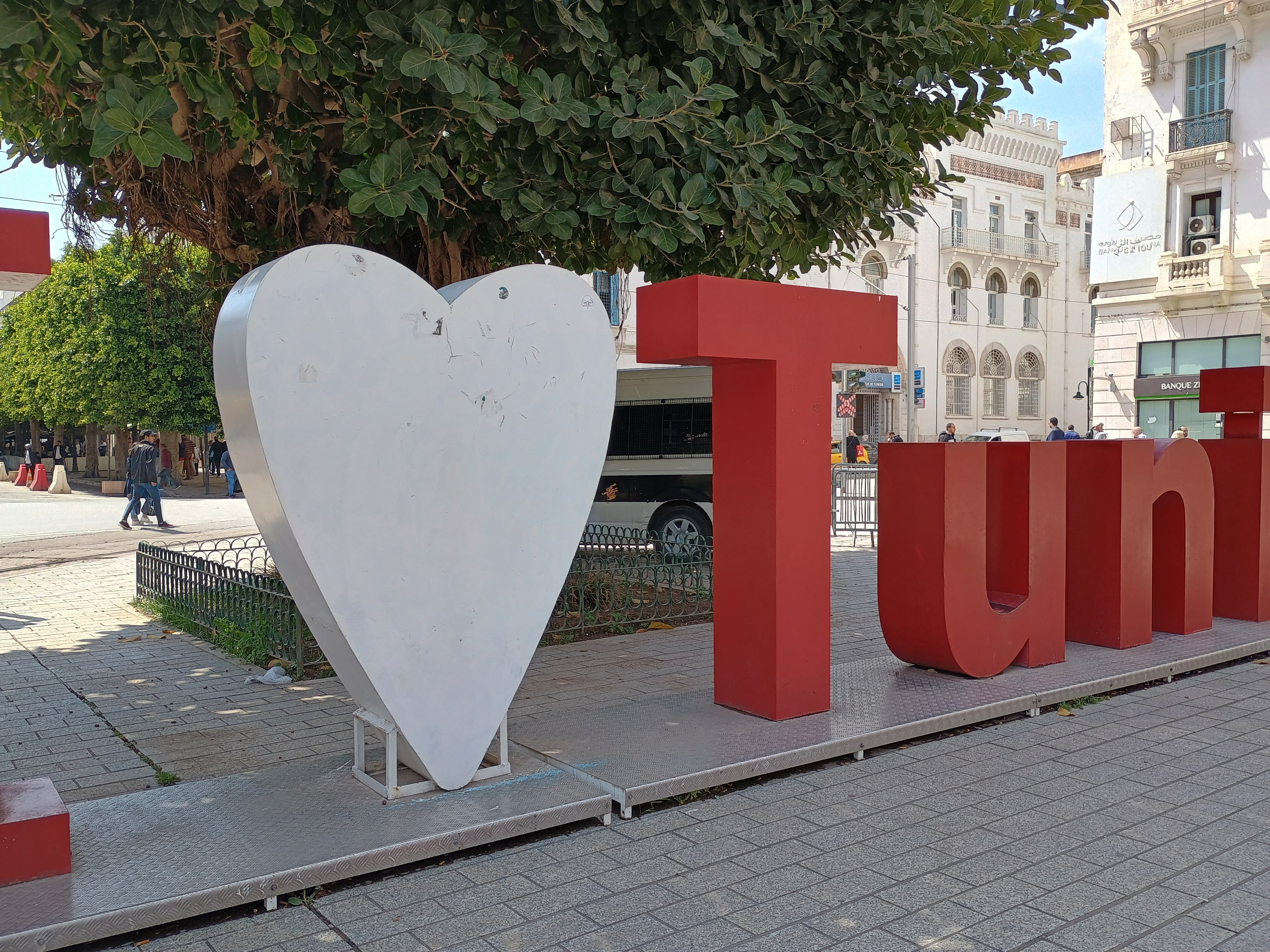
A medina is an old Arab quarter in northern Africa towns. The one in Tunis is not as extensive as the ones in the major cities in Morocco, but, still, there’s enough stuff there to have a glimpse into the local life that’s been going on for 1,300 years.
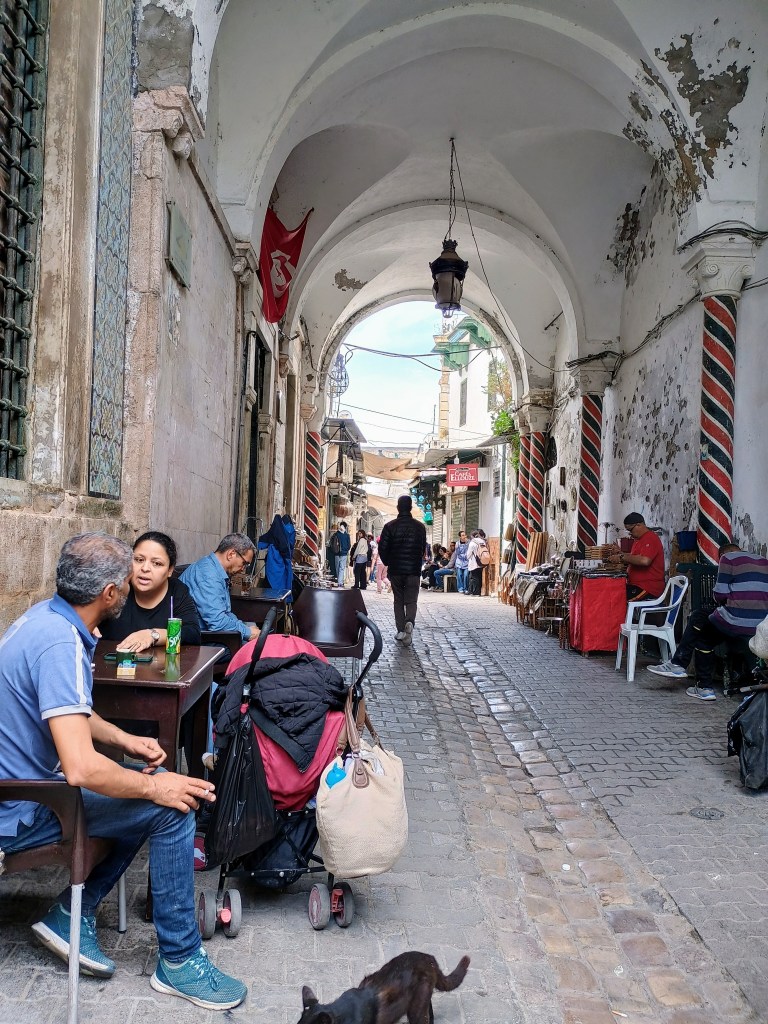
Street cafes, barber shops, stray cats, meandering alley ways…
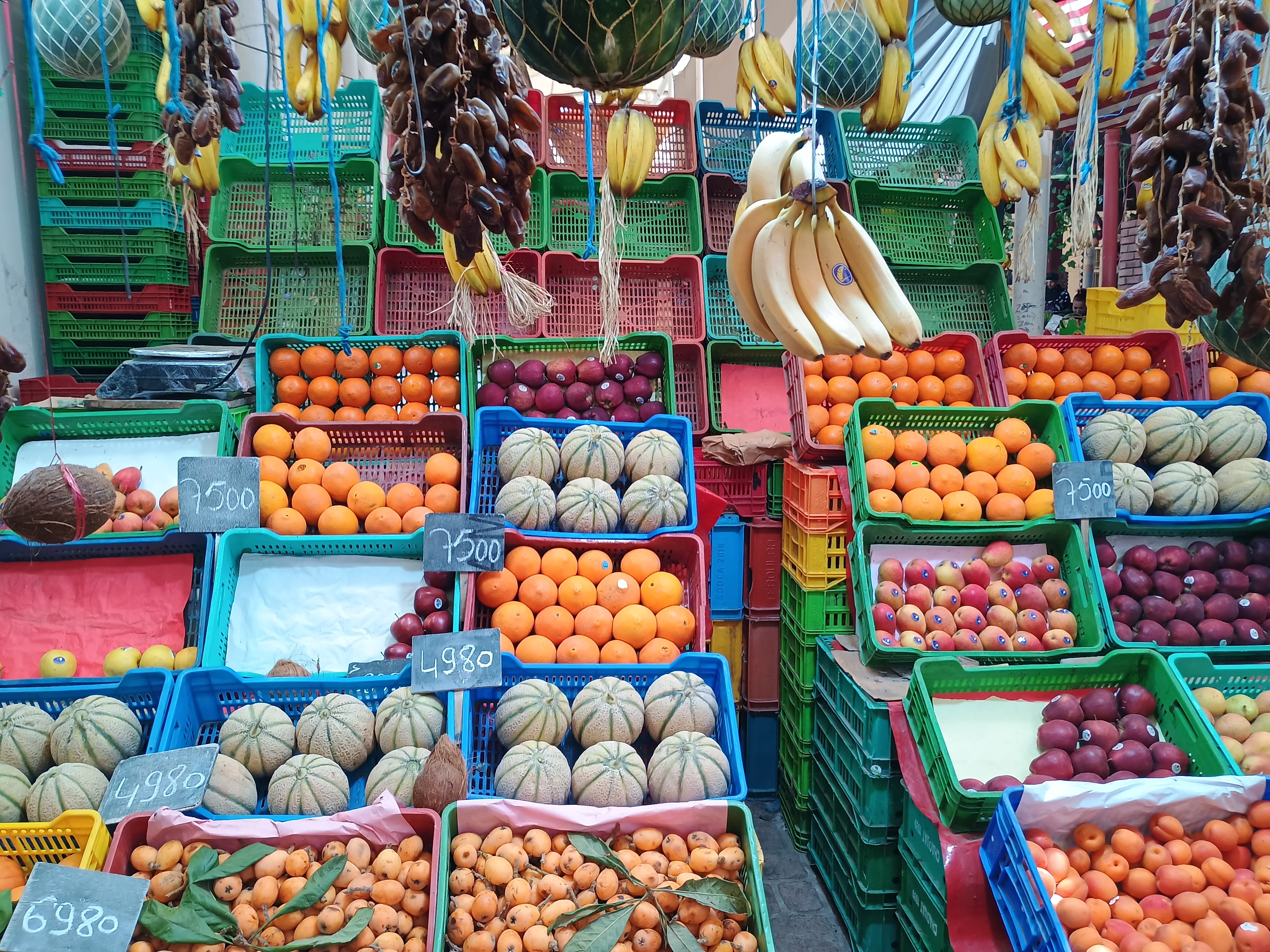
Fruit stands, clothing shops, textile stores…
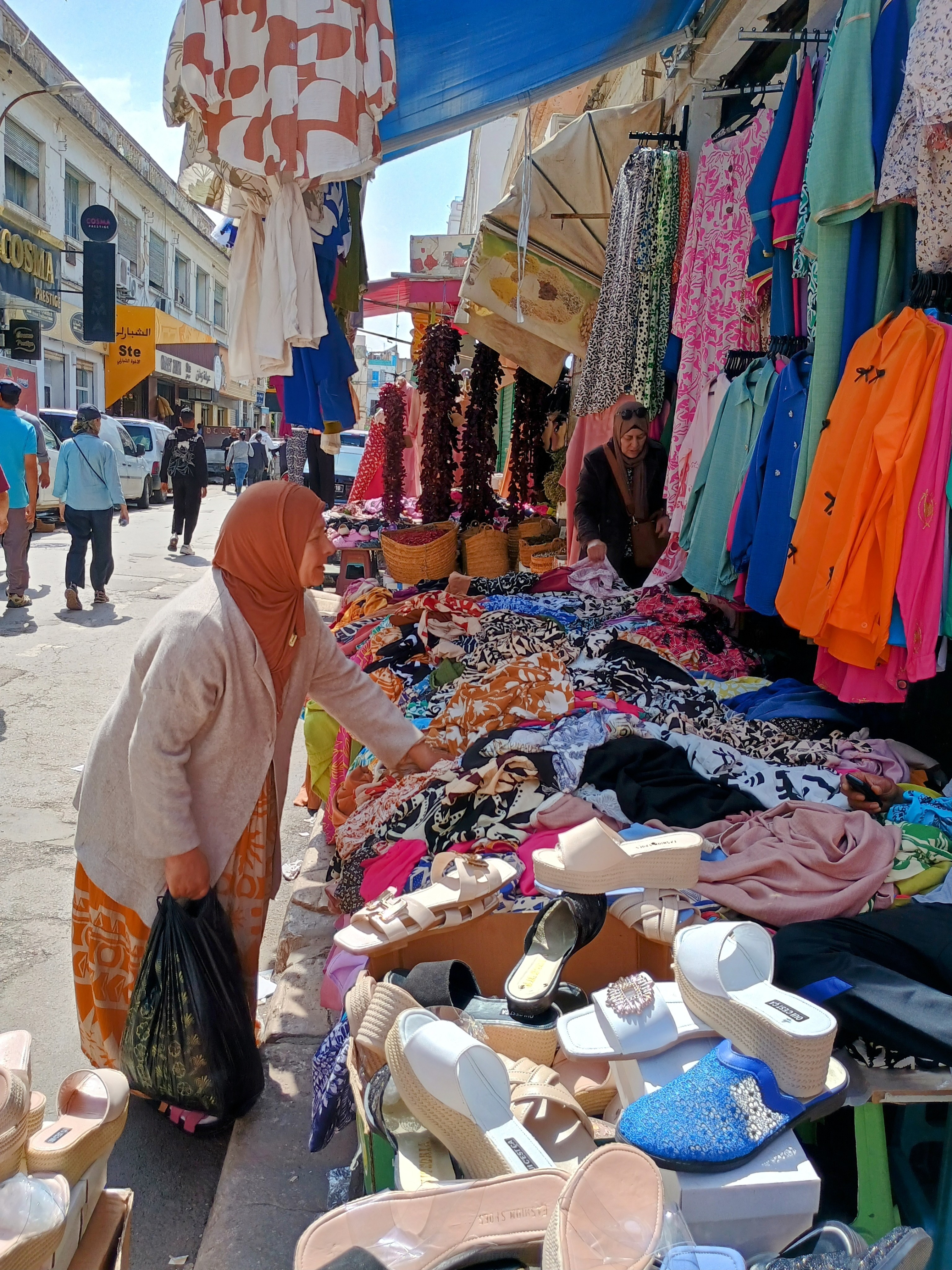
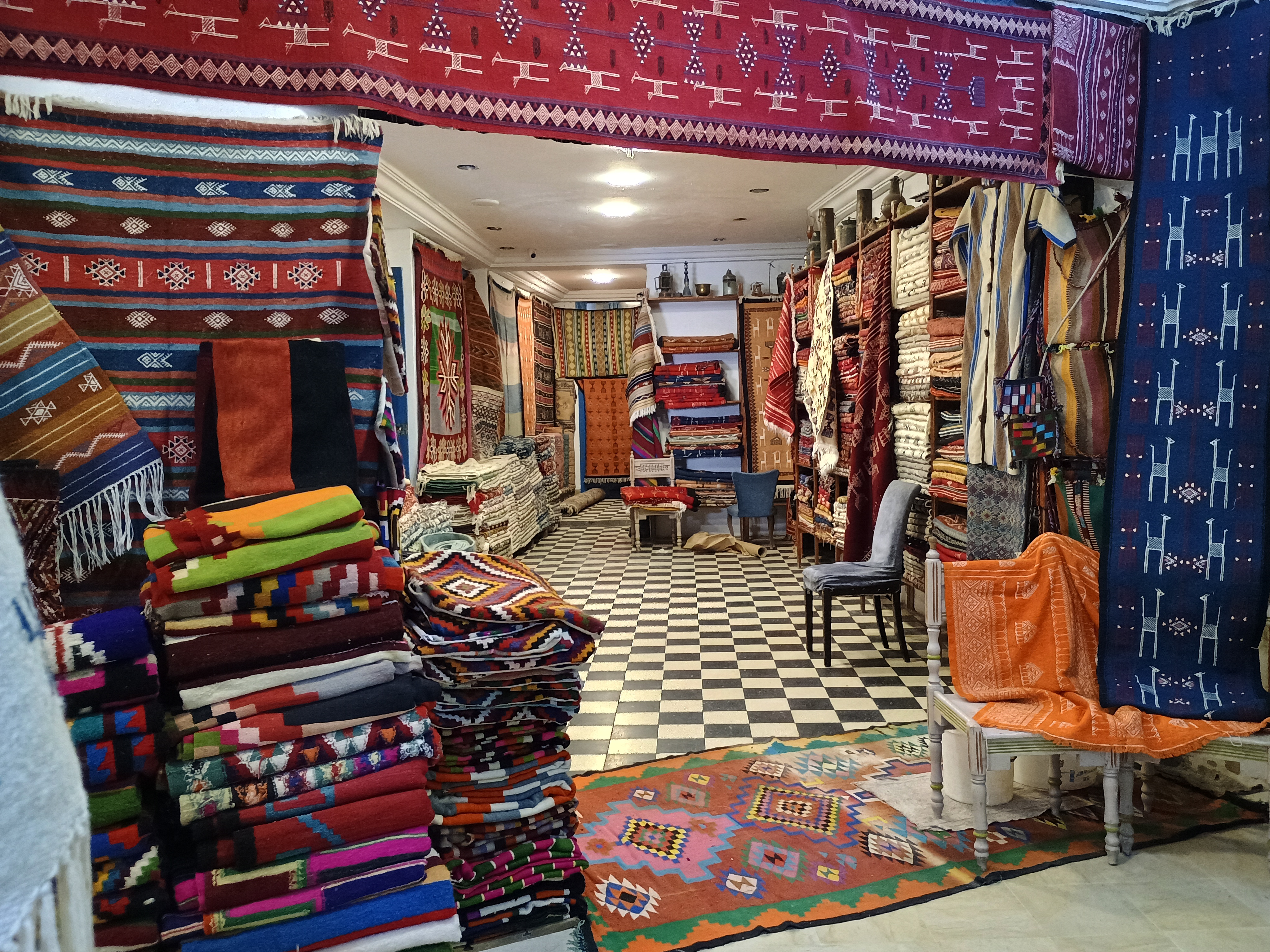
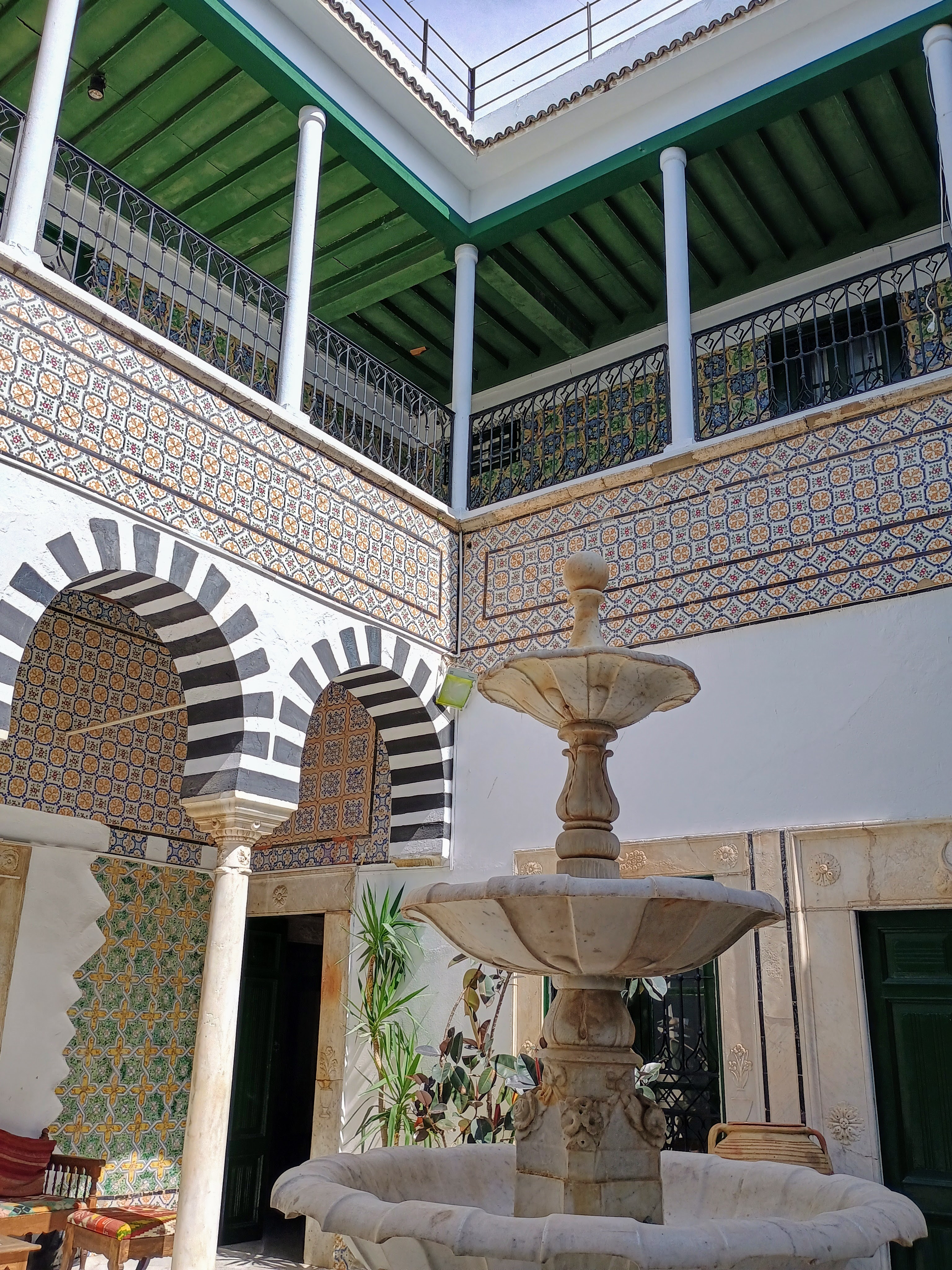
Old schools, mosques of all sizes…
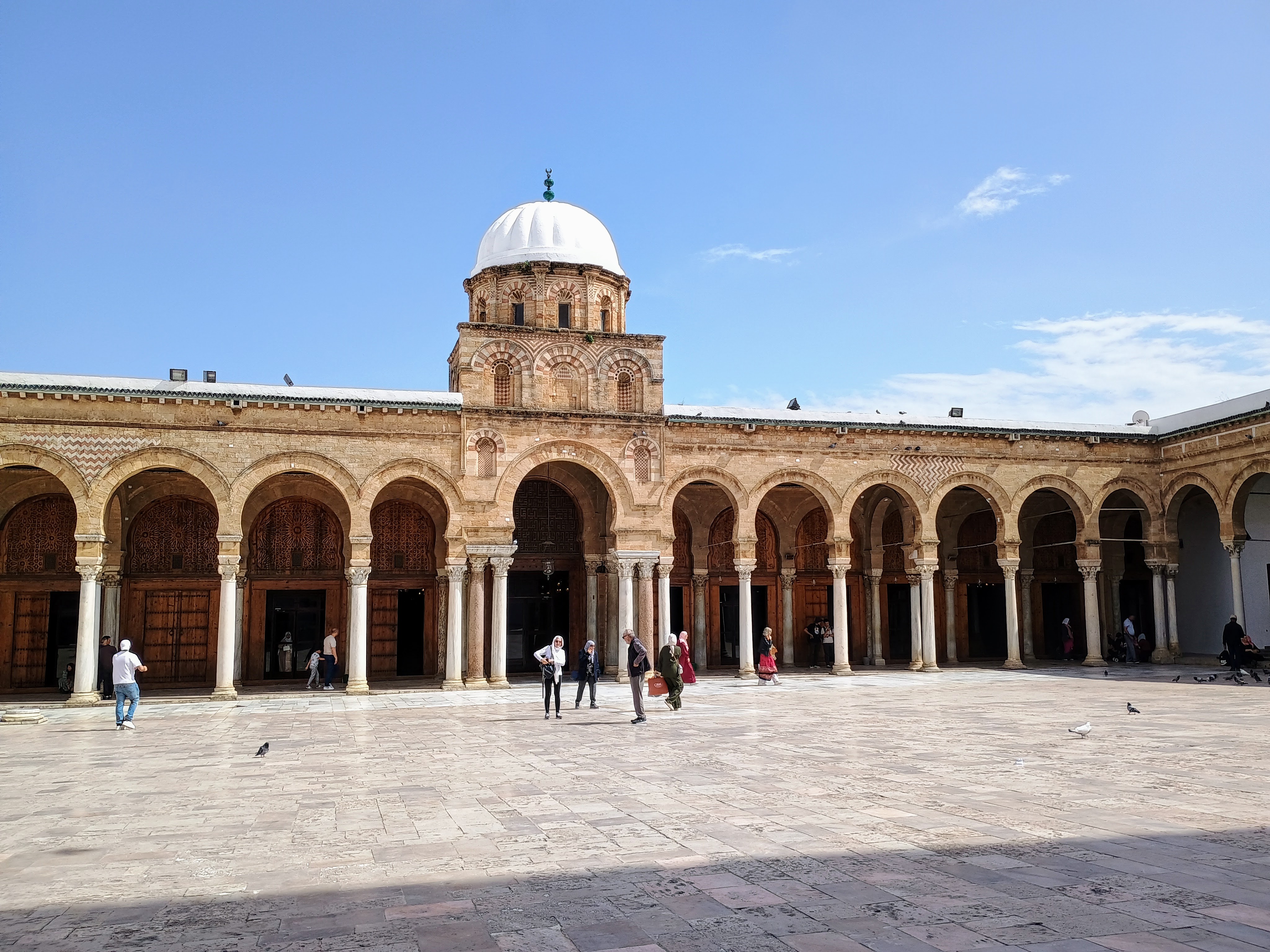
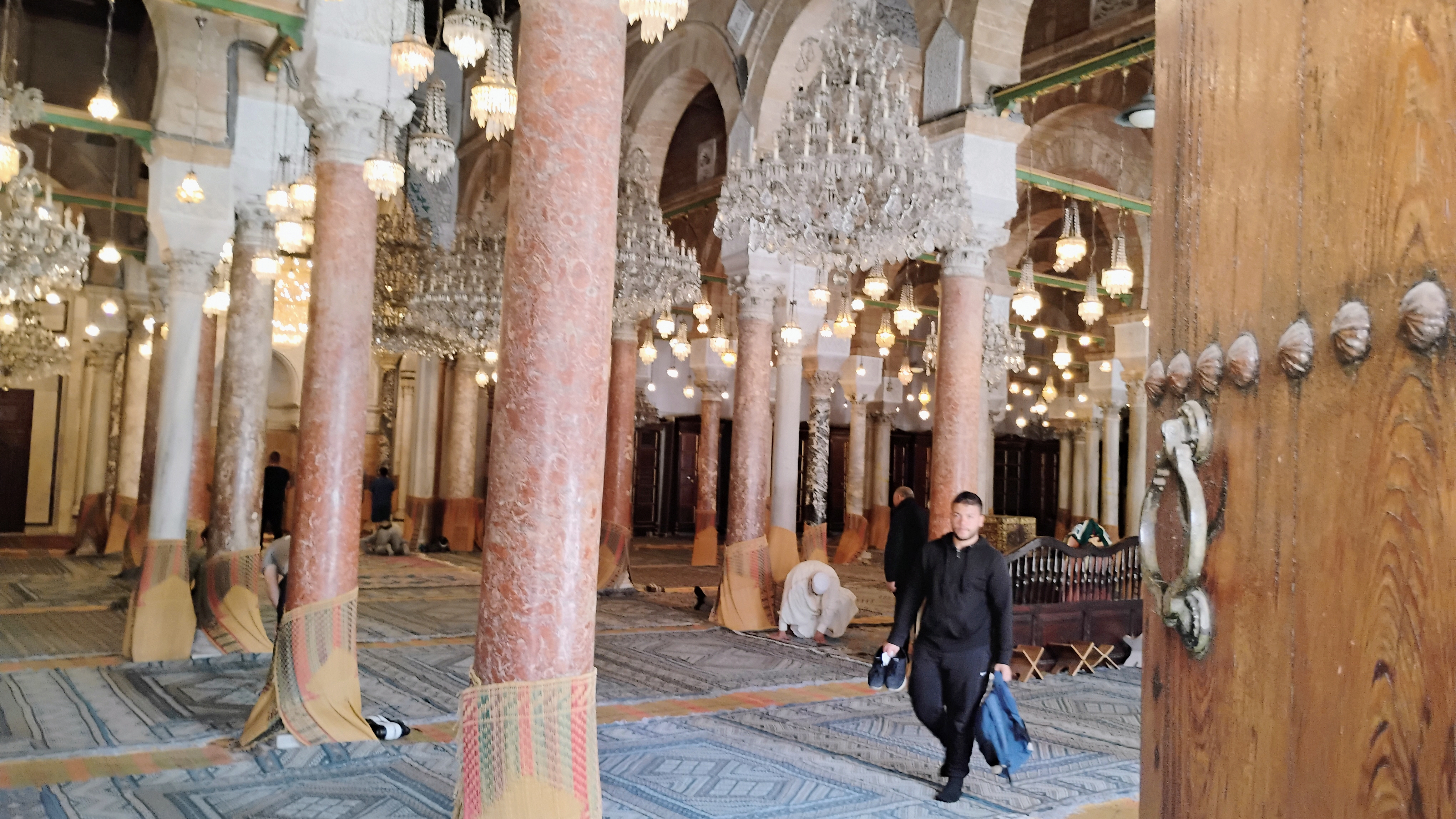
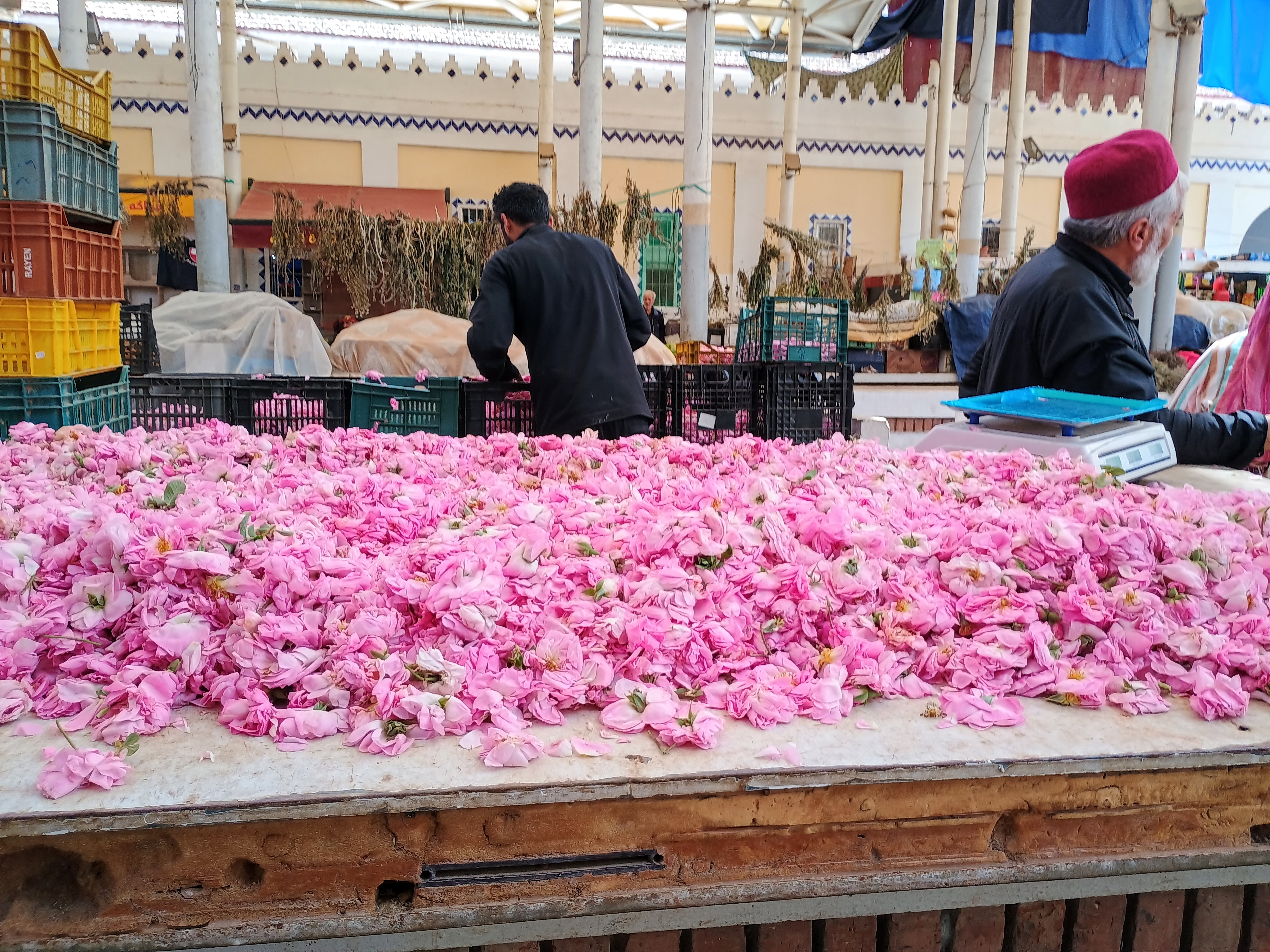
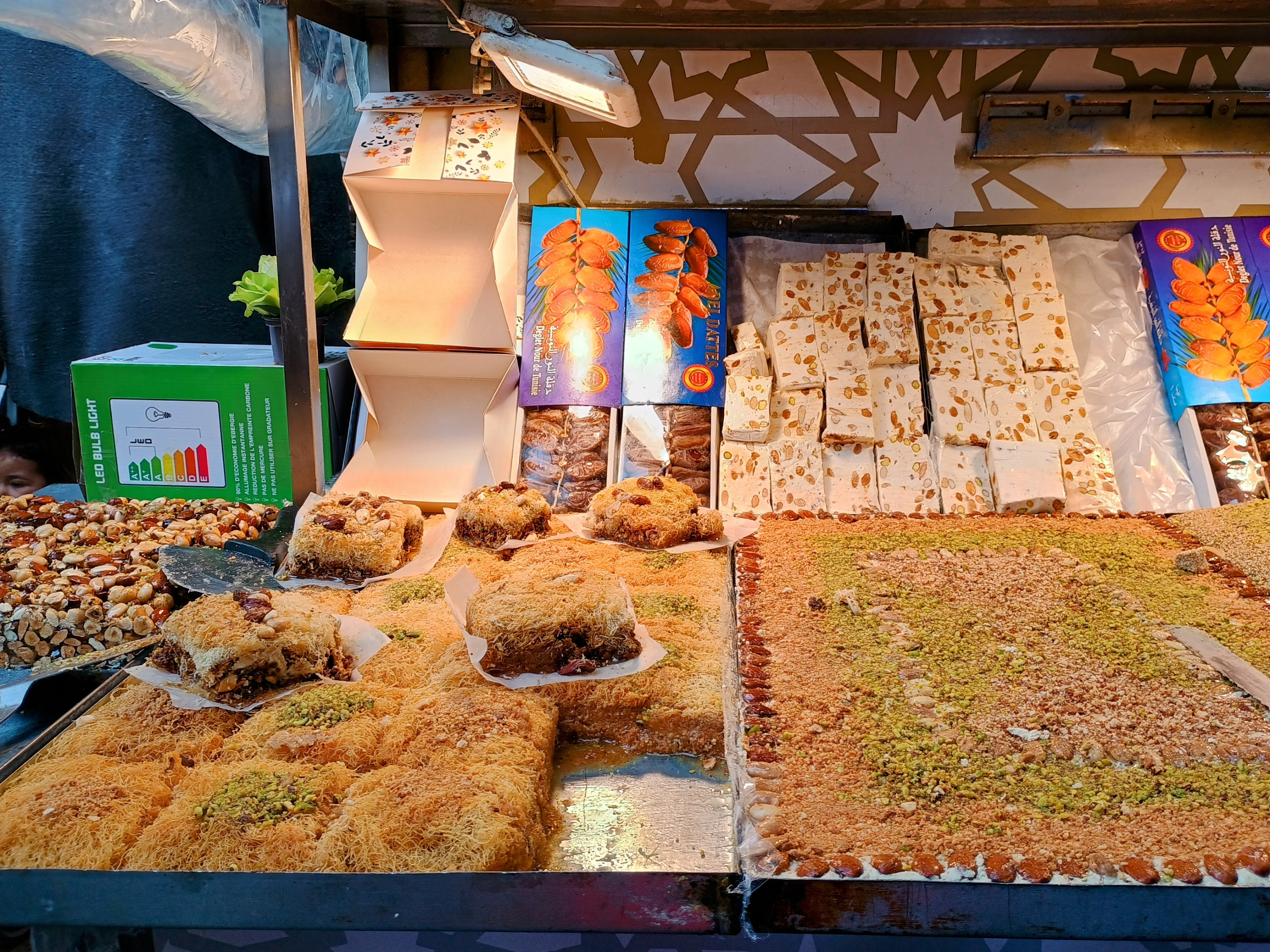
Tunis is not a small city. Almost 7 million people live there after all. But it doesn’t have many skyscrapers or shiny shopping malls. In a way, that sets it apart from most other big urban centers around the globe where big name chain stores and restaurants dot the streets. Does that mean it’s filled with old world charm? Not quite. It’s a lively city still waiting to be discovered. The wrecking balls will follow soon enough, I imagine.
One surprise as we were leaving Tunisia was at the Tunis Airport. It’s a modest airport with not a whole lot going on. There was one counter service cafe in the gate area of the terminal we were in to satisfy the food/drink needs of all the passengers, and we ordered 4 muffins and 4 coffee/tea. US$60! The most overpriced and least satisfying food we had had in a long while!
Interestingly, the shops and restaurants accepted cash in 5 different currencies, but not in Tunisian dinar.
Tunisia itinerary link
 Small Wide World