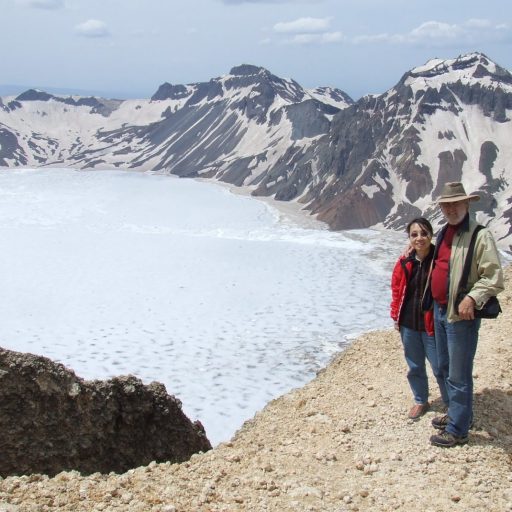
October 2021
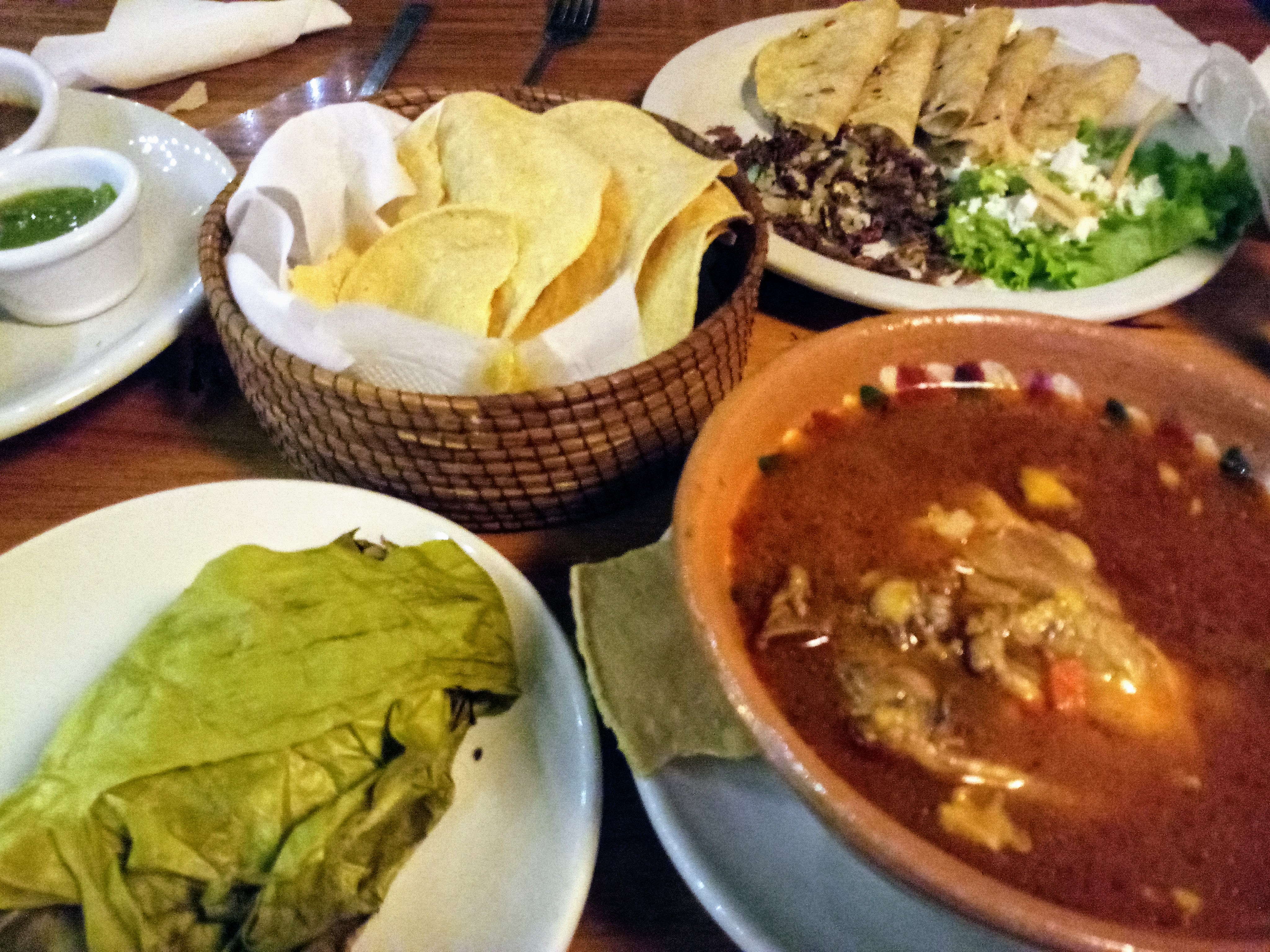
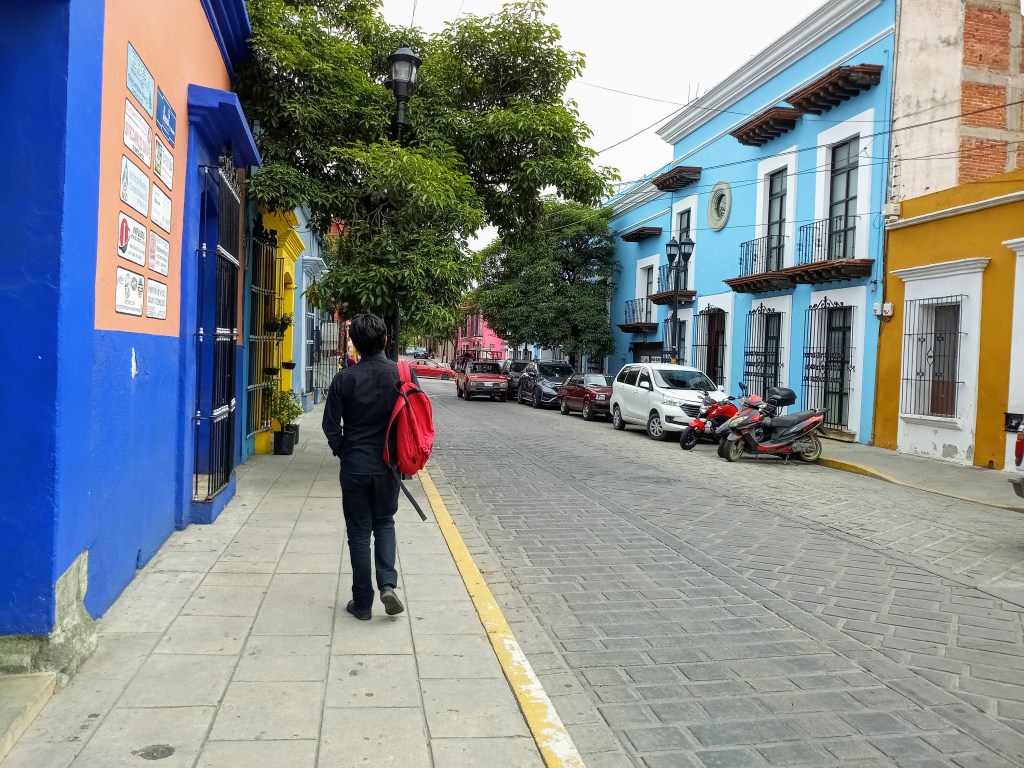


The first thing people mention about Oaxaca is food. Then they say it is the most colorful city in Mexico. We wholeheartedly agree with the food part. We never had a bad meal there, and, it was not easy to spend $20 per person on a full course dinner with drinks even at a fancier restaurants. Colorful? Yes. The most colorful? Well, Guanajuato would top it any day in our mind.

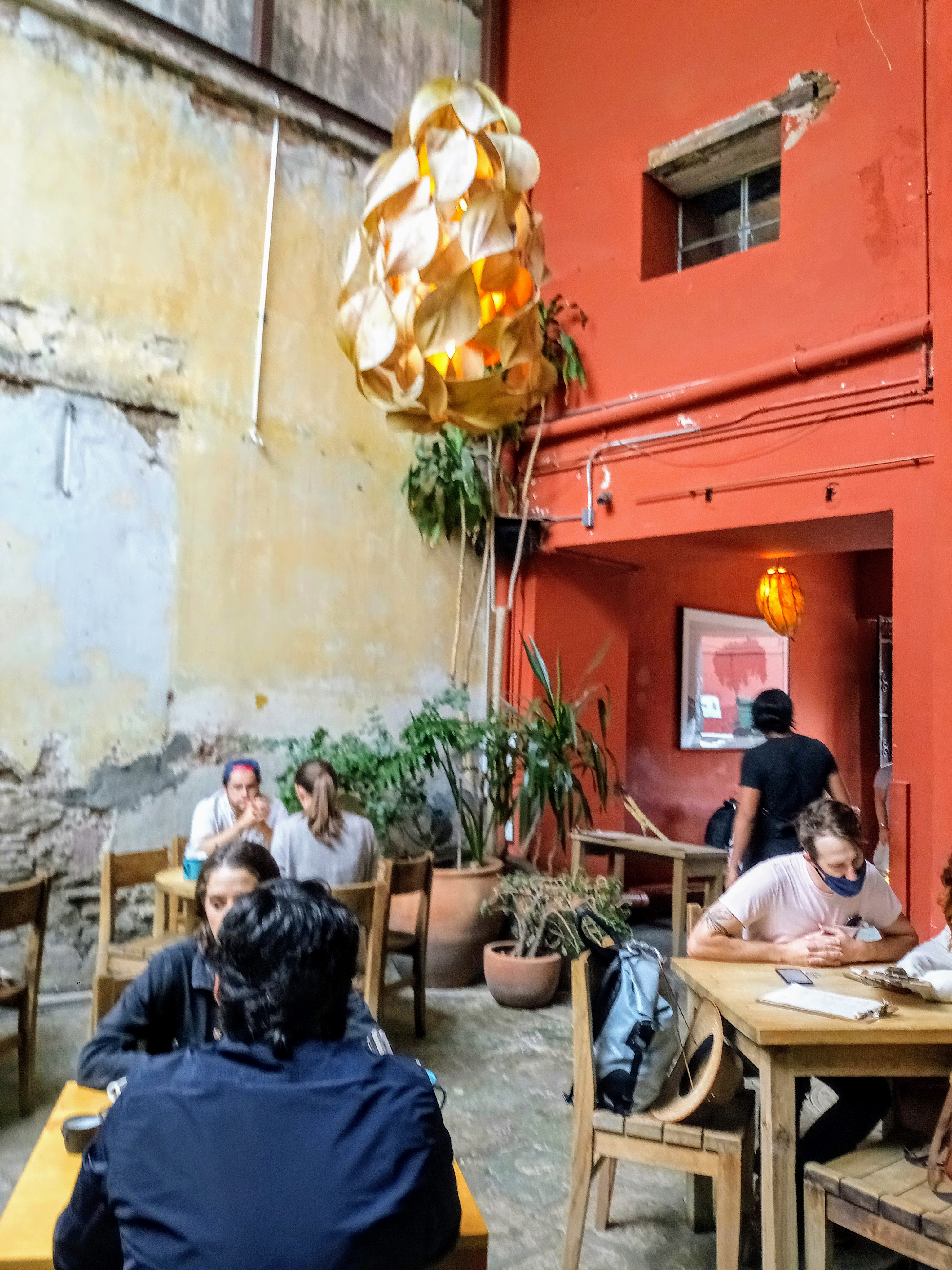

So I will try to record what we ate as faithfully as possible. The first breakfast was at a cafe called Boulenc, a few blocks down the road from where we were staying. Artsy ambience and food presentation? Check! High quality ingredients? Check! Tasty? Of course!
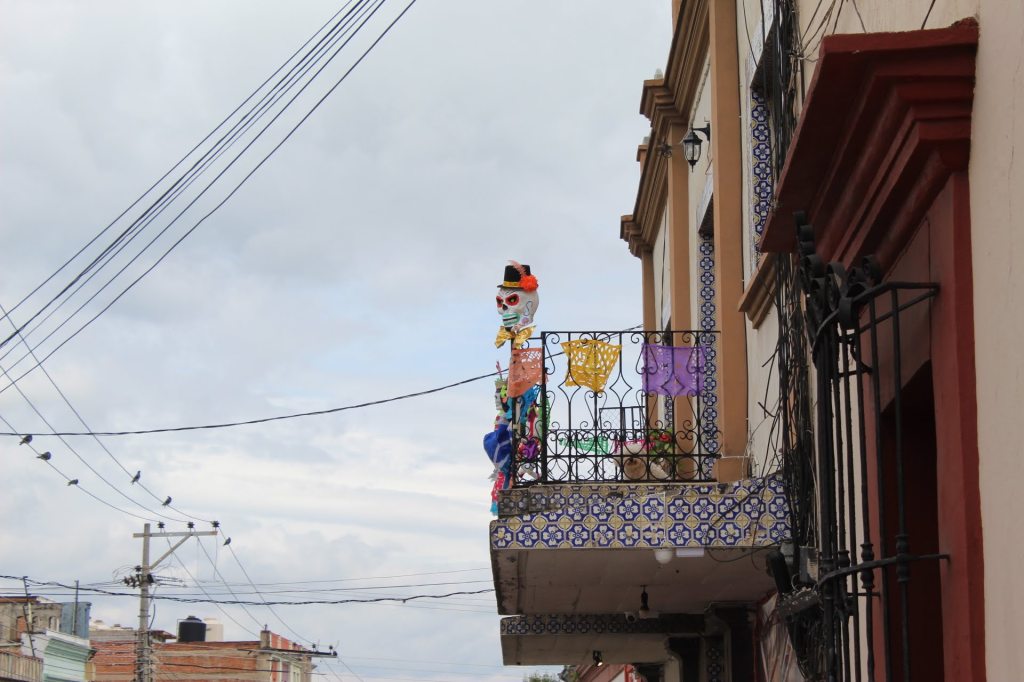

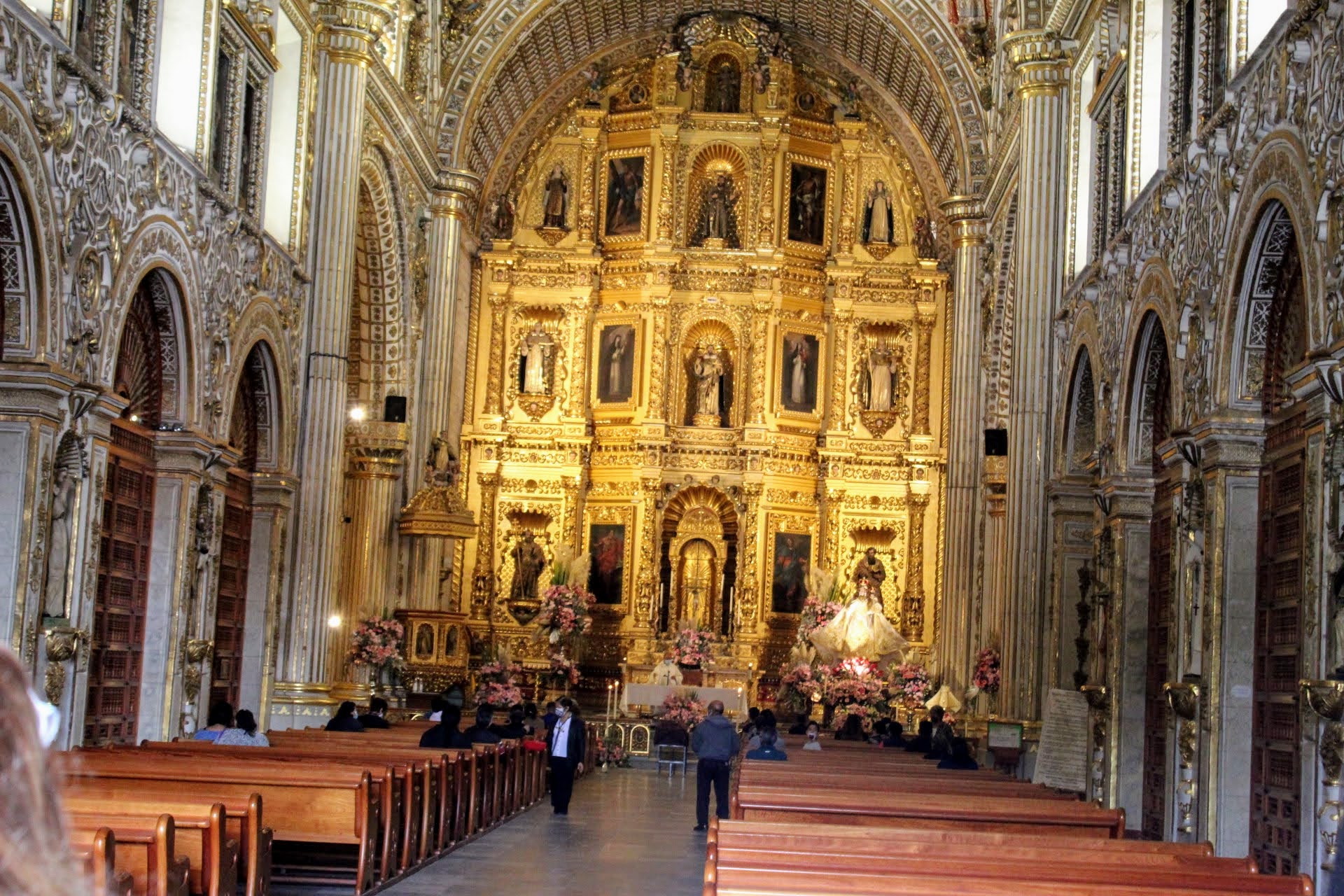


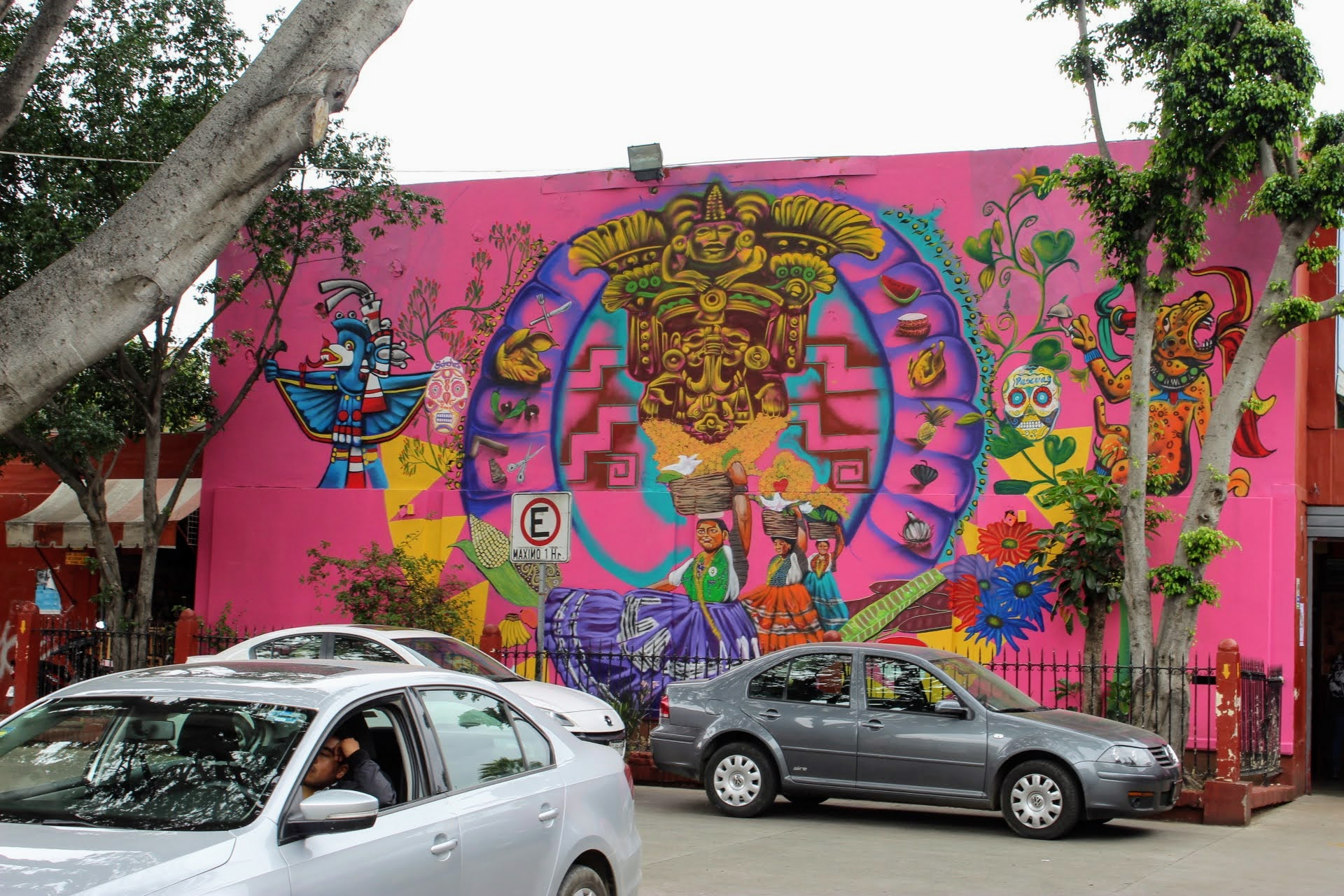
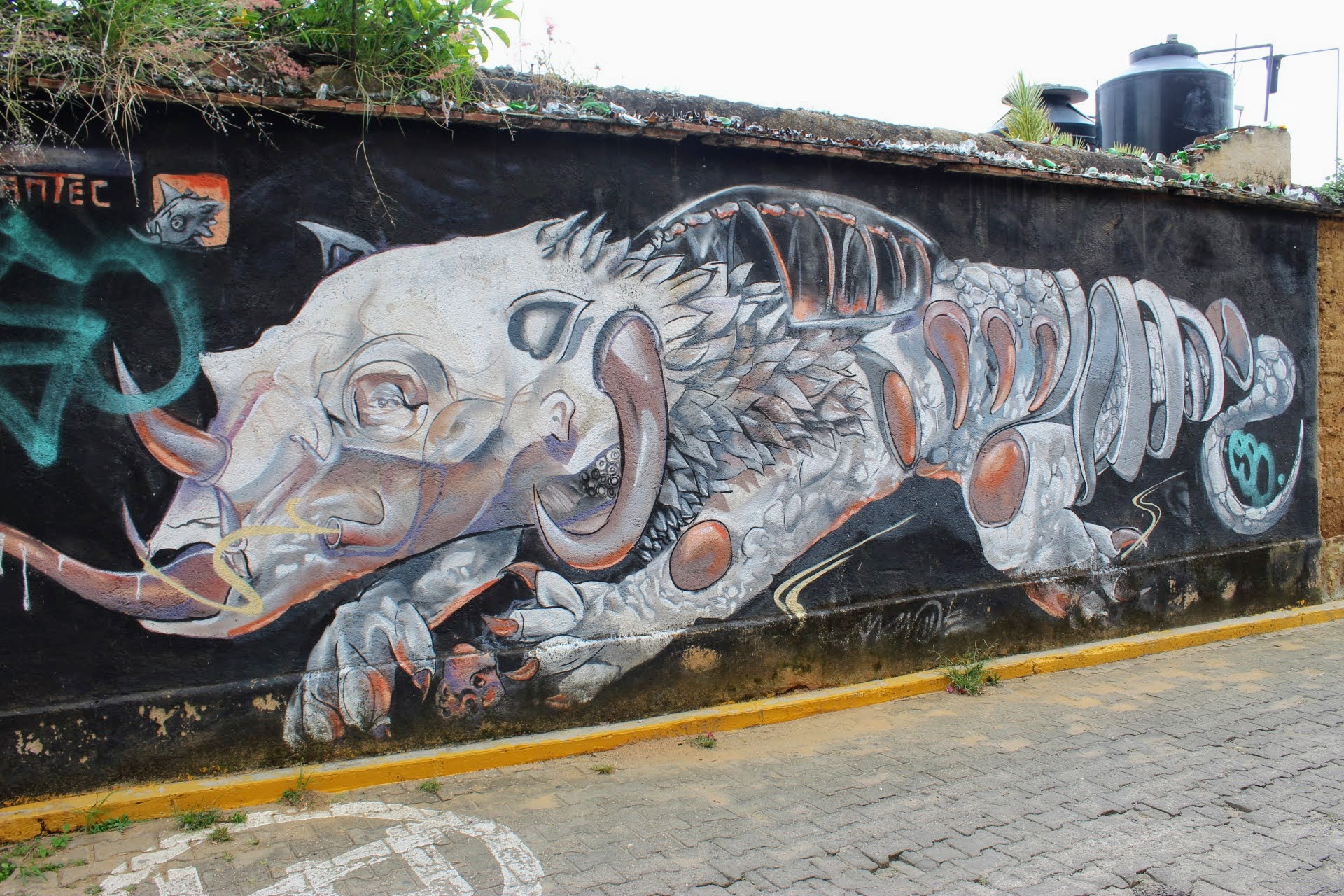

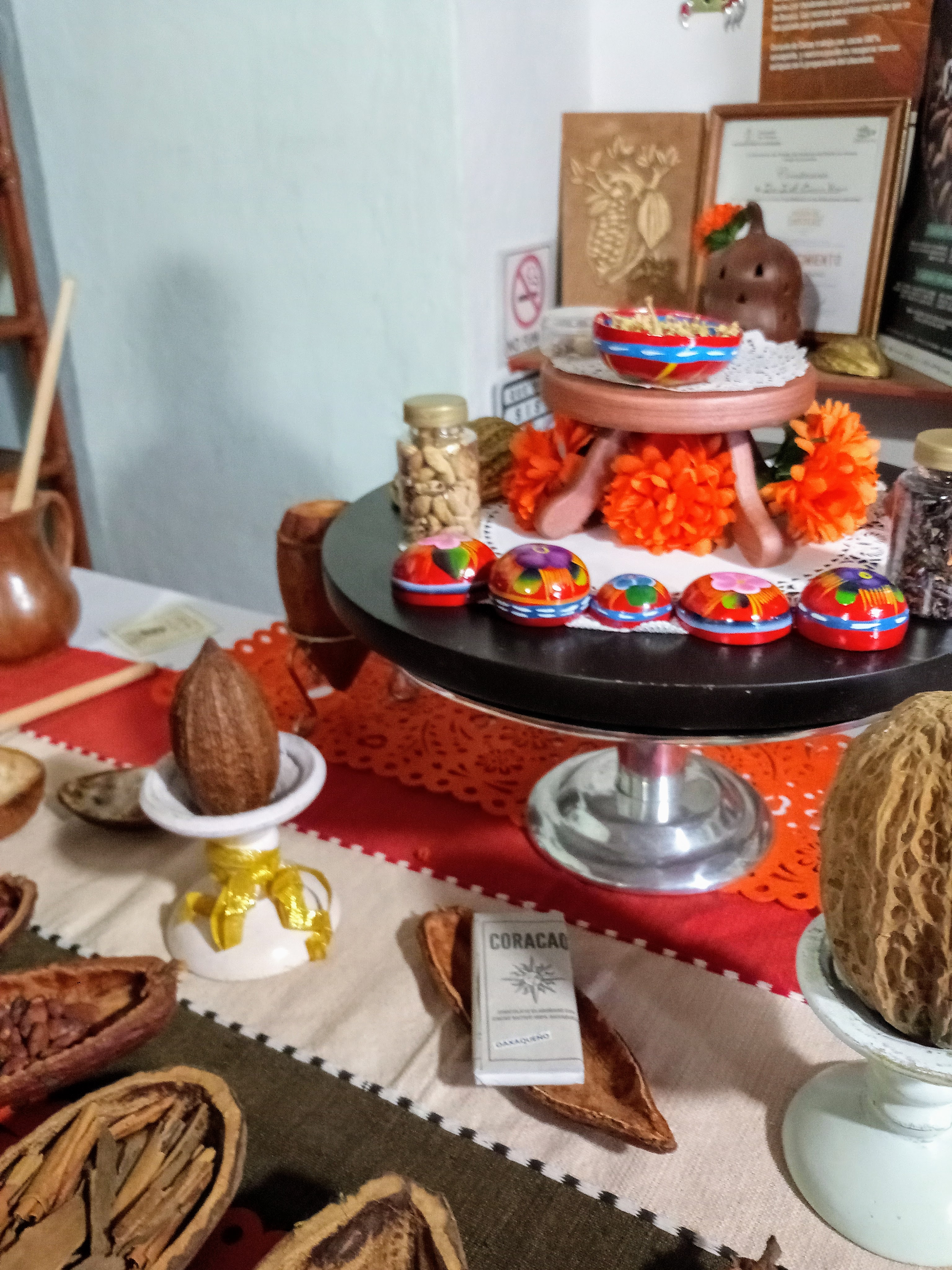
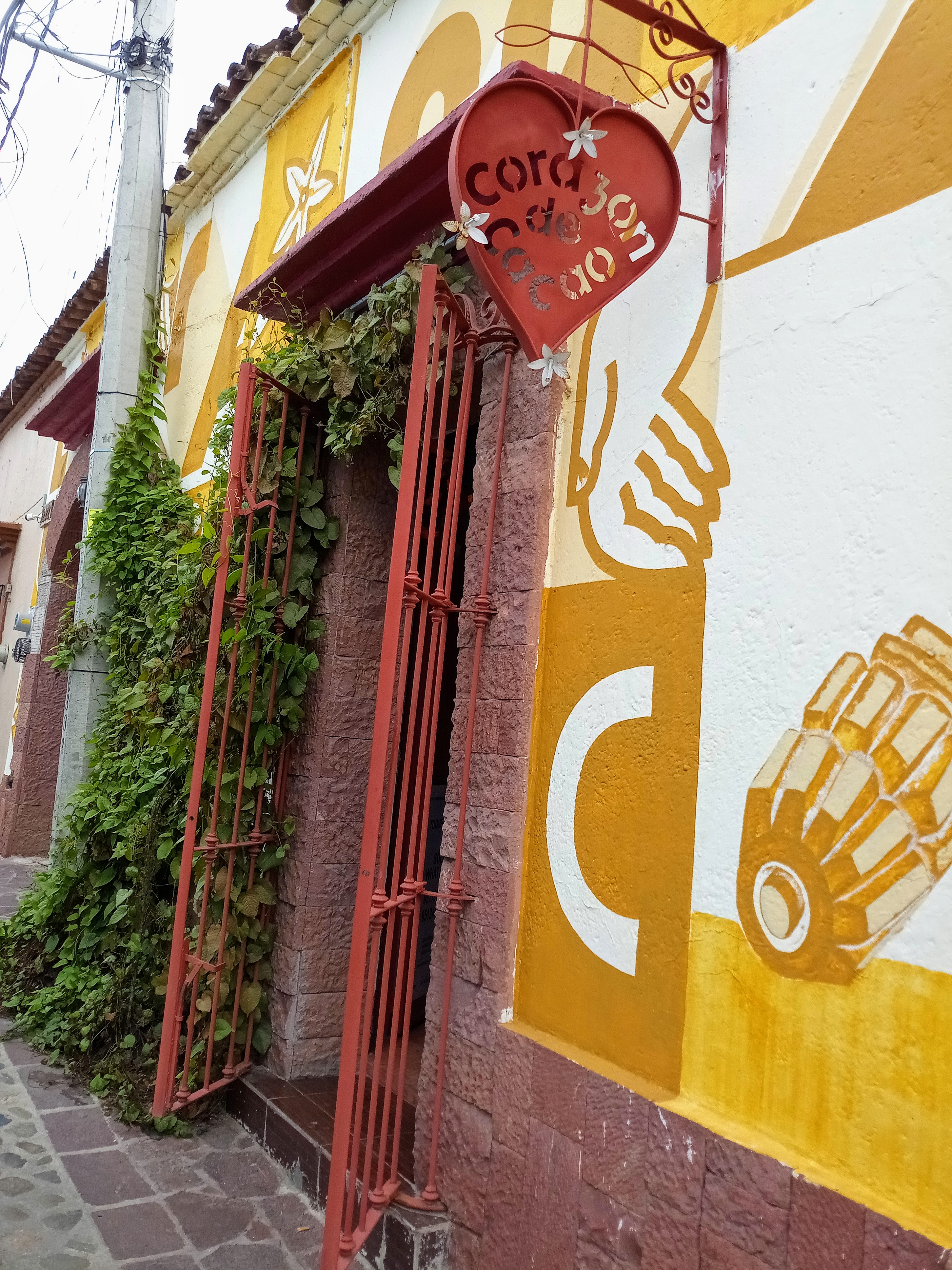

We got tired after all that walking for 2.5+ hours, thus, we just walked into a restaurant on the main square and ate forgetting to take photos. So much for the faithful recording. It rained in the afternoon, and this gave us a good excuse to hang low & rest.

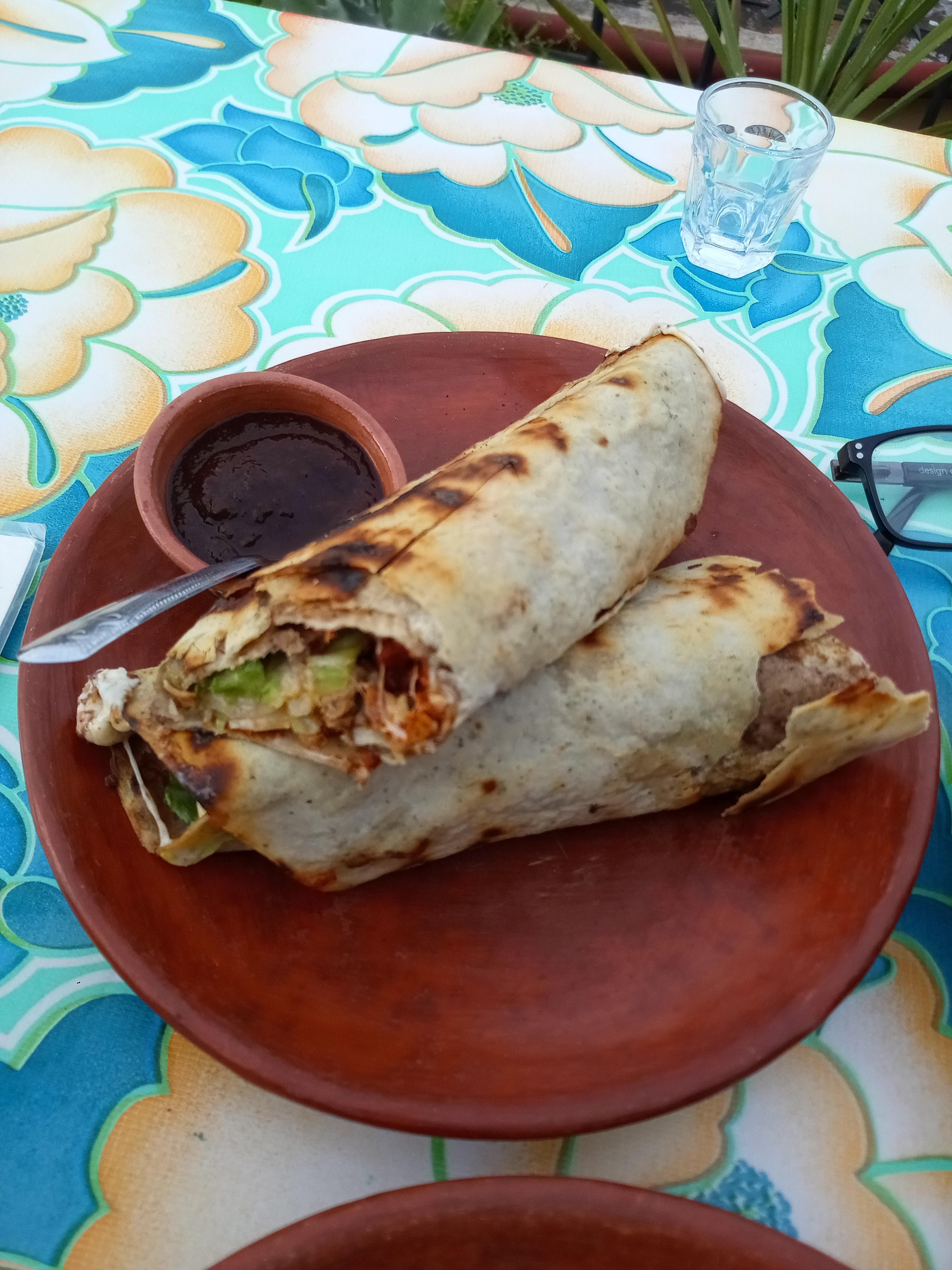


Dinner was at a rooftop restaurant (in a nearby hotel): Terraza Istmo. Good food and drinks. It was more of a bar than a restaurant & had limited menu due to the pandemic, but, it worked for us. We got a good view of the city after sundown, too.
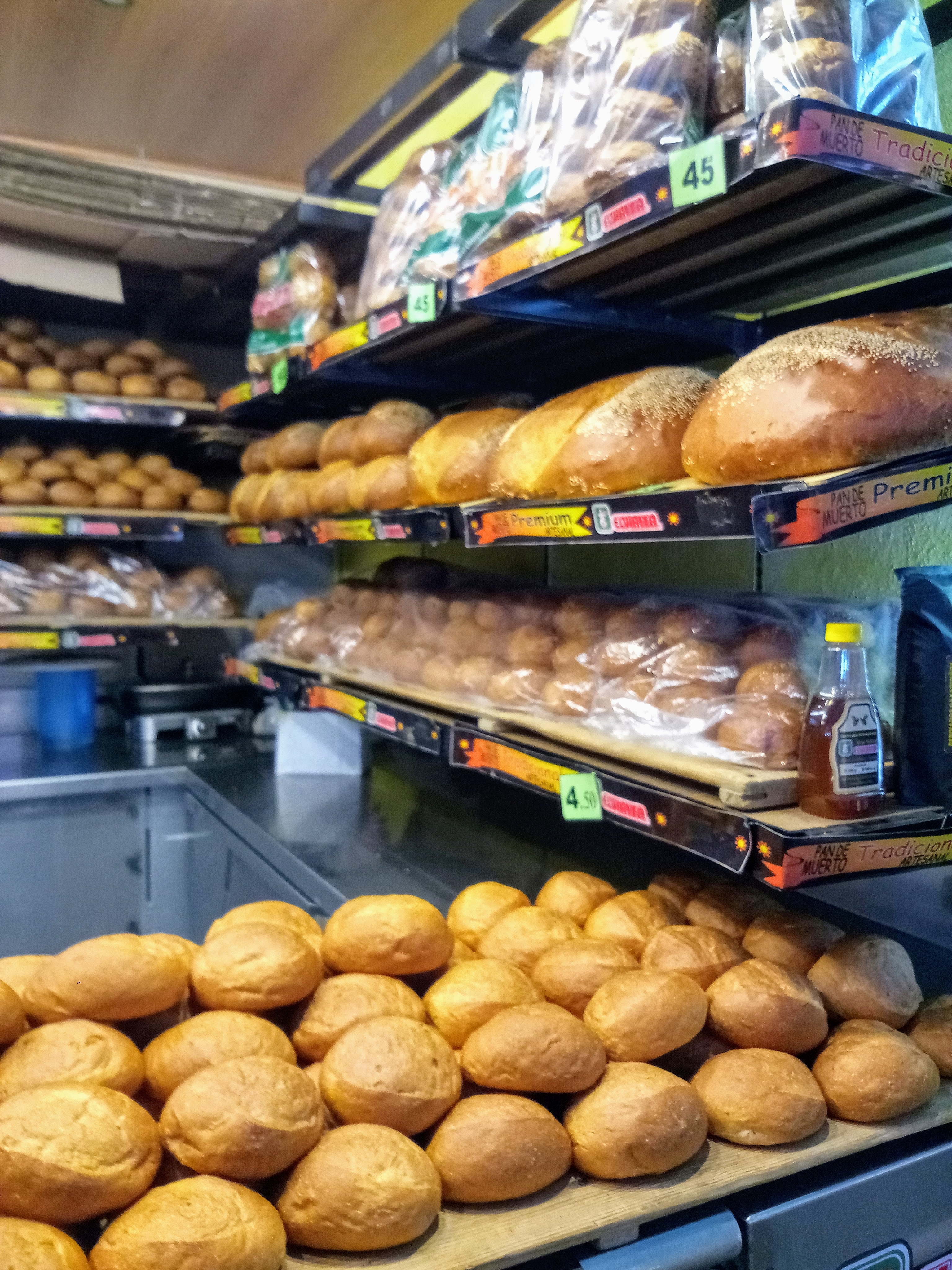


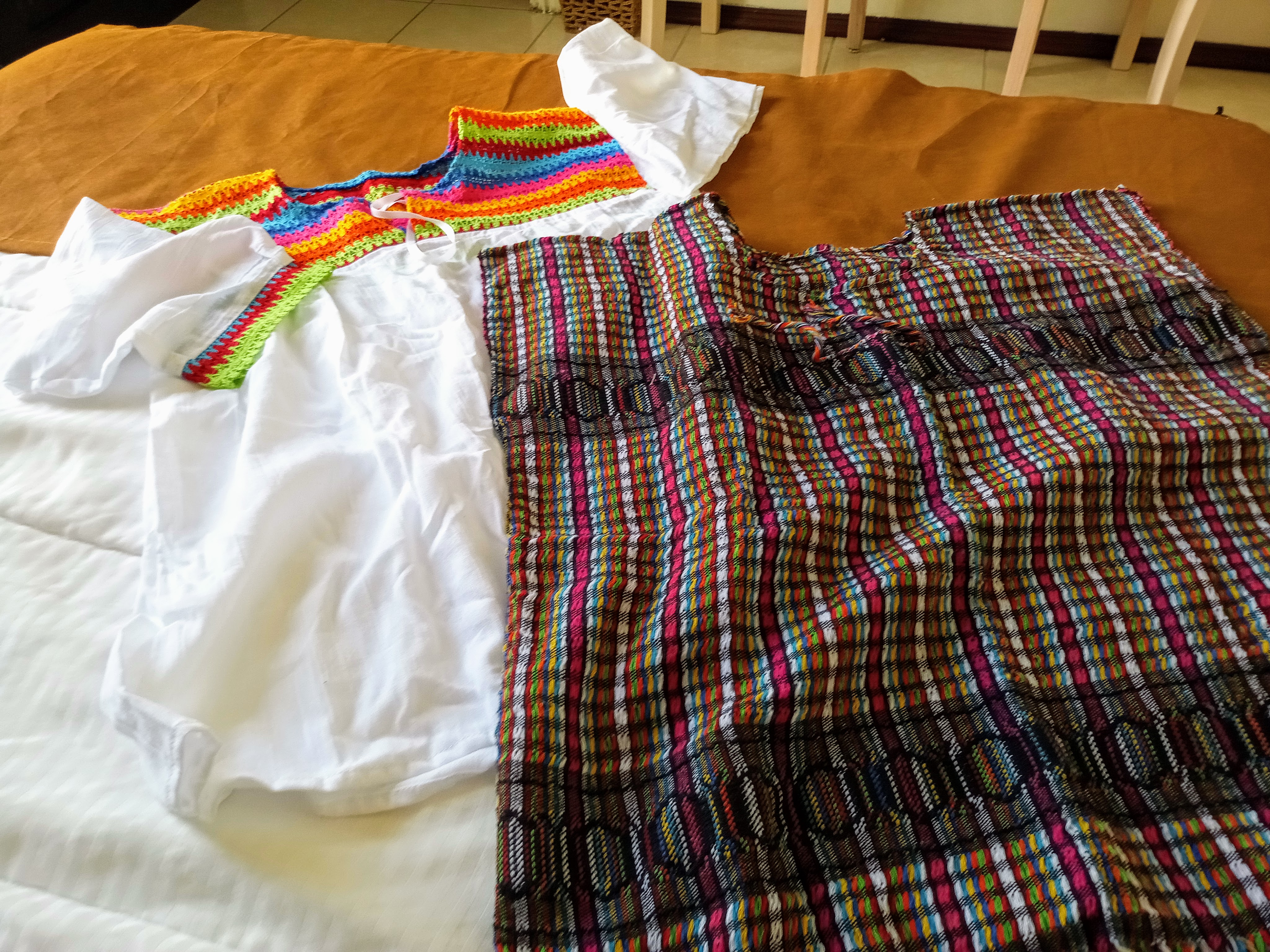
We ate some pastries and coffee/tea at home for breakfast next morning while waiting for the rain to stop. We wanted to explore the city on our own after the guided tour of yesterday checking out the markets and museums.
As you can see on the map below, two main markets, Benito Juarez (#5) and November 20 (#4), are right next to each other. Street food in this area is the best known feature, but, we were not hungry enough to eat. Most places were slow to open any way. The artisan market, a couple of blocks to the west from this area, was not all that special, but we did manage to find some dresses for our grand daughters. I think visiting this area before noon was not a wise decision. Yes, we were able to dodge the crowd, and that was good in the age of Covid-19. But we did not get to have the full market experience with the smell, sound, people etc.
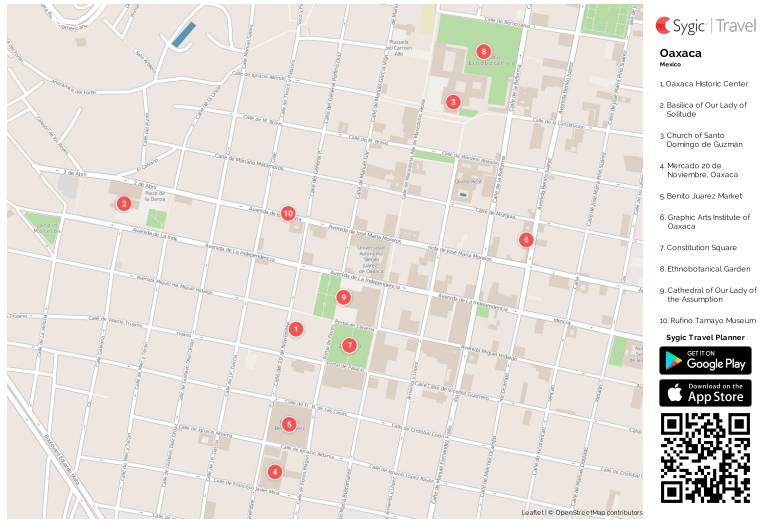
Most of the museums and indoor tourist attractions were not open because of the pandemic which was a disappointment. With rain pouring down off and on, where could one go! Even an outdoor venue like Ethnobotanical Garden(#8) was admitting very small number of visitors just a few times a week with an online reservation.


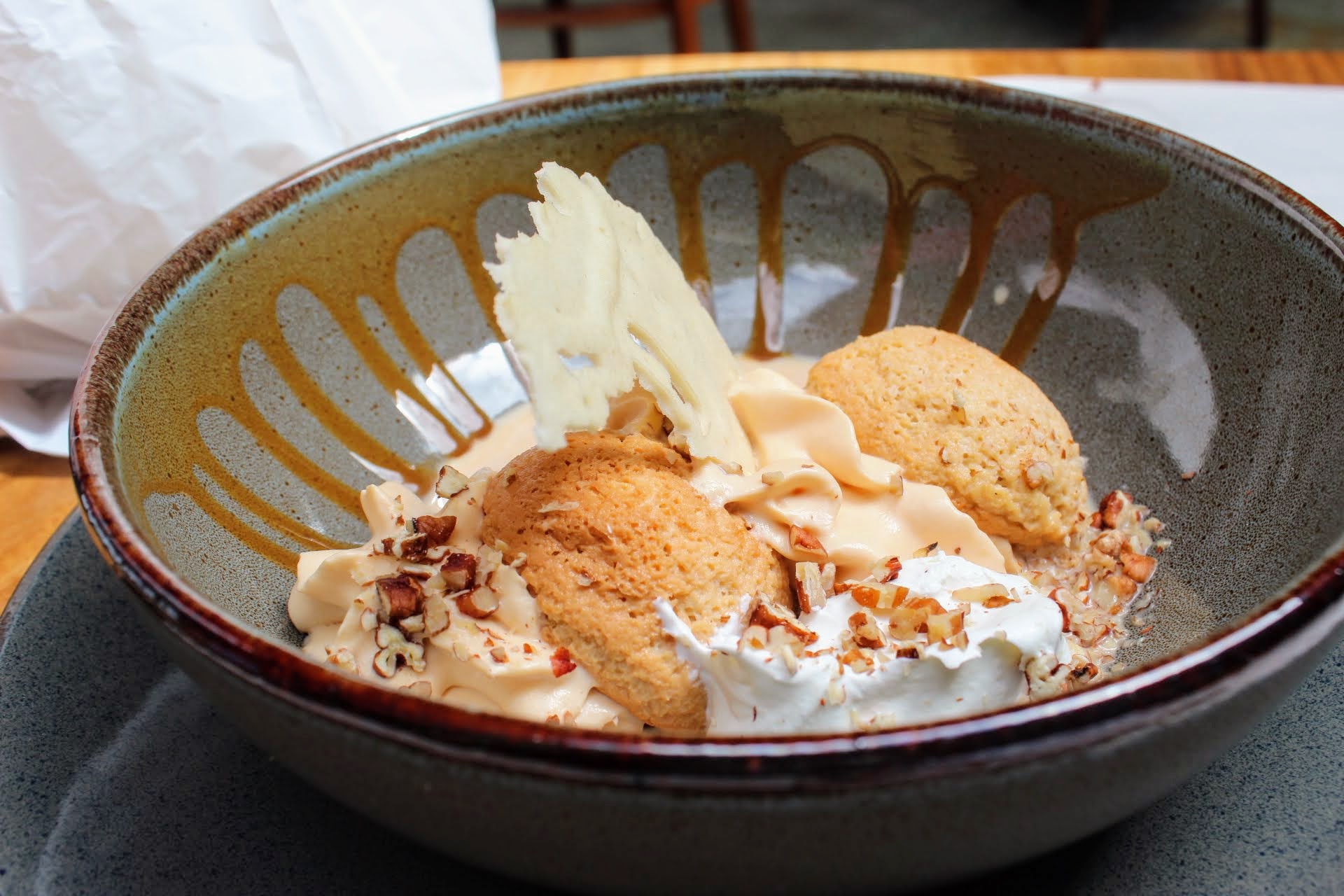

The highlight of the day was the lunch at Catedral Restaurant not far from the cathedral. We enjoyed everything about this place including the final tab (way under $20 per person including drinks and a dessert and a generous tip.)
This afternoon we moved from our rather adequate but basic downtown Airbnb room ($19/night) to a hotel because we thought we could afford a little more comfort. La Casa de Maria, a boutique 6 room hotel, is located a bit south of #6 on the map above and a few blocks east of zocalo. Even though this location was still pretty close to the center, it was quiet around there and the price ($45) was cheap for the quality. Our room was a two room suite and very comfy.

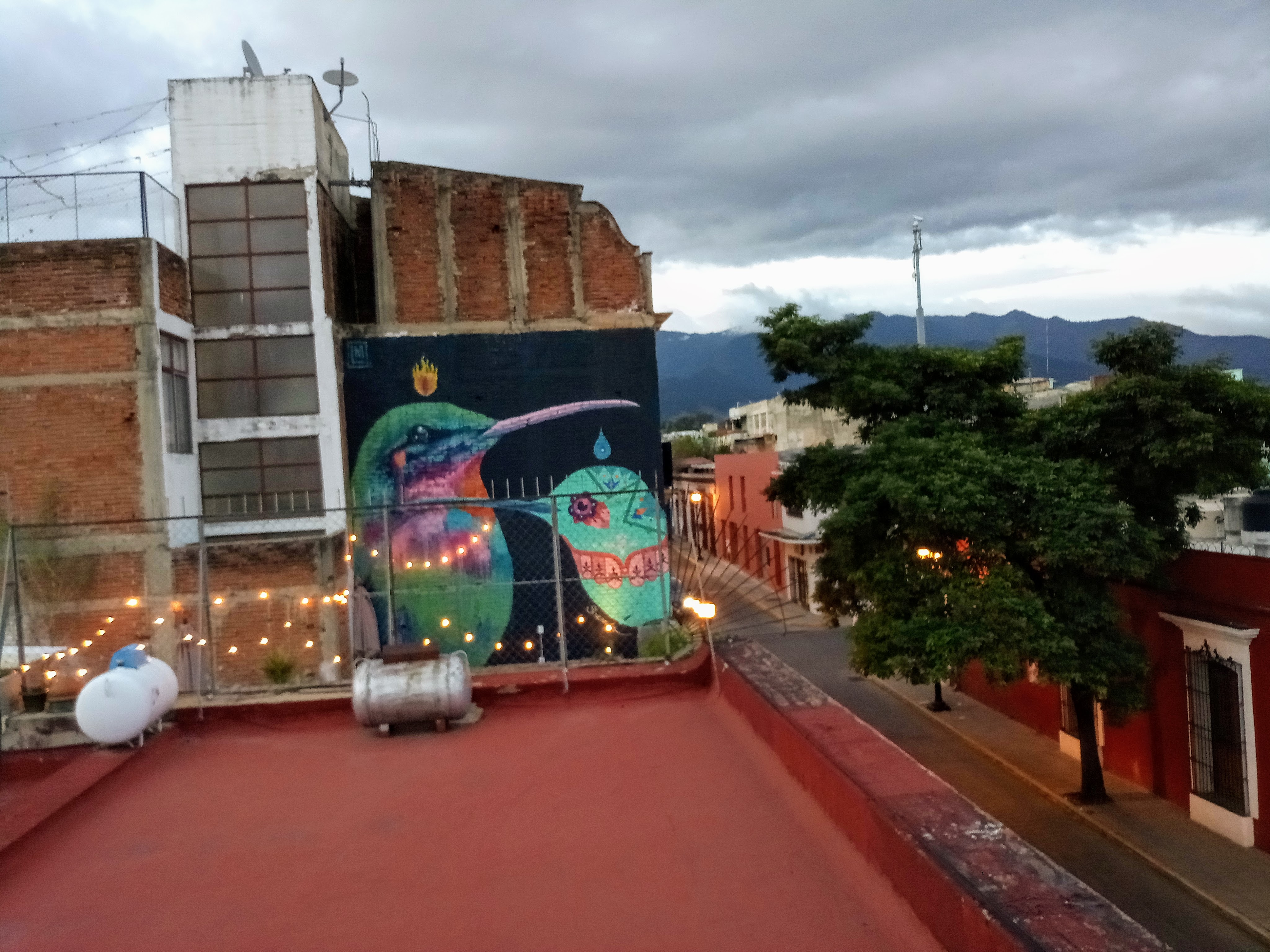
The rooftop at the hotel was a wonderful spot to just hang out and watch the day go by. The rain finally stopped so we were able to sit around the table thoughtfully put there by the hotel and enjoy the left overs from our lunch. On the one hand, we wanted to try more restaurants in town. On the other hand, we did not have room for another full meal.

The main tour routes outside of Oaxaca town seemed to be either going west for 30 minutes to Monte Alban or going east for 90 minutes to Hierve el Agua rock formation combined with Mitla archelogical site. My main interest was Hierve el Agua, but, it was closed due to some kind of dispute between the locals and the government or some such thing. We still chose Mitla because that tour included a mezcal tasting that Pat was interested in. Our Airbnb host had hooked us up with Siente Oaxaca tour company who picked us up from the hotel. There were just 5 of us in the group, and the tour cost $25 per person not including admissions and meals.
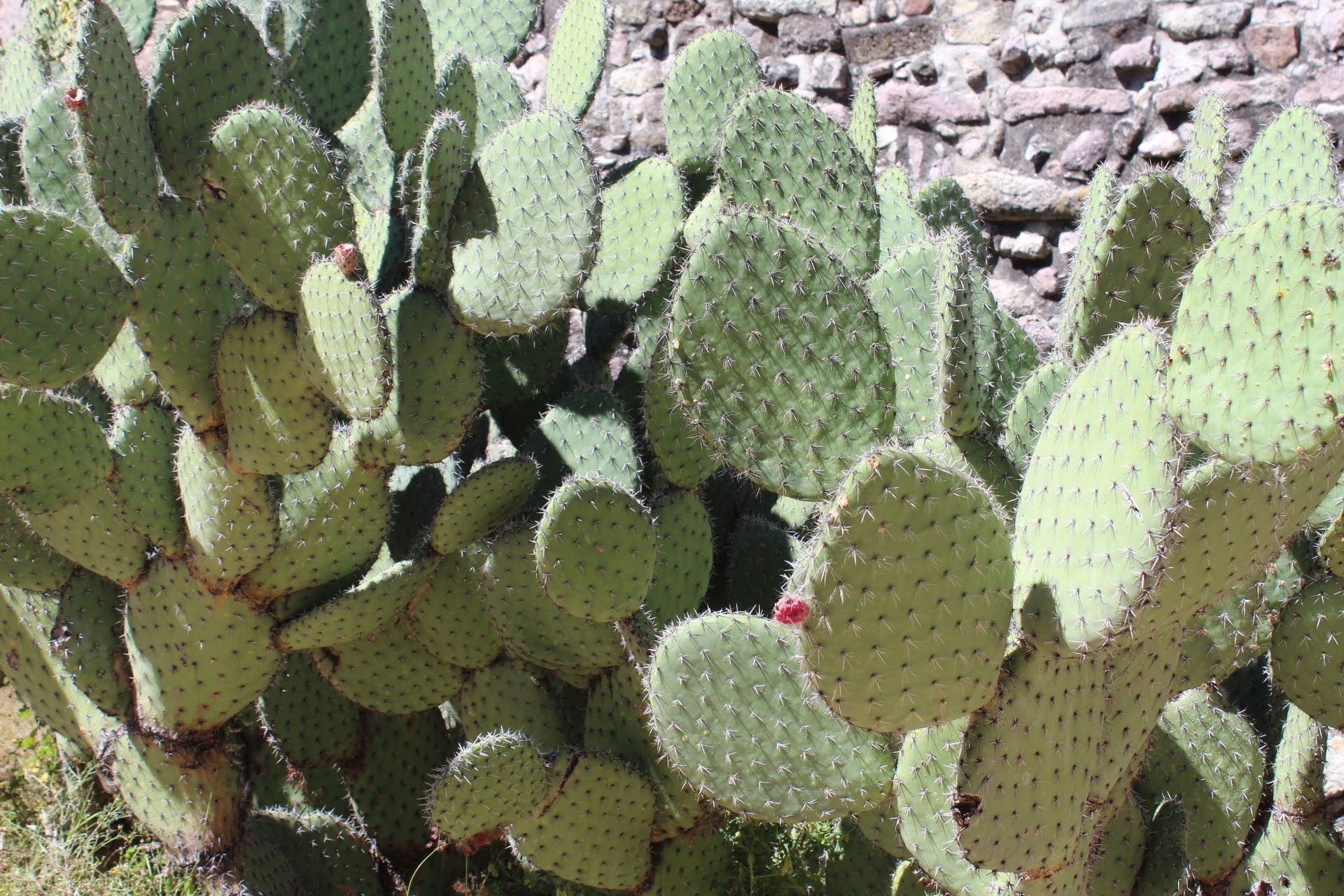
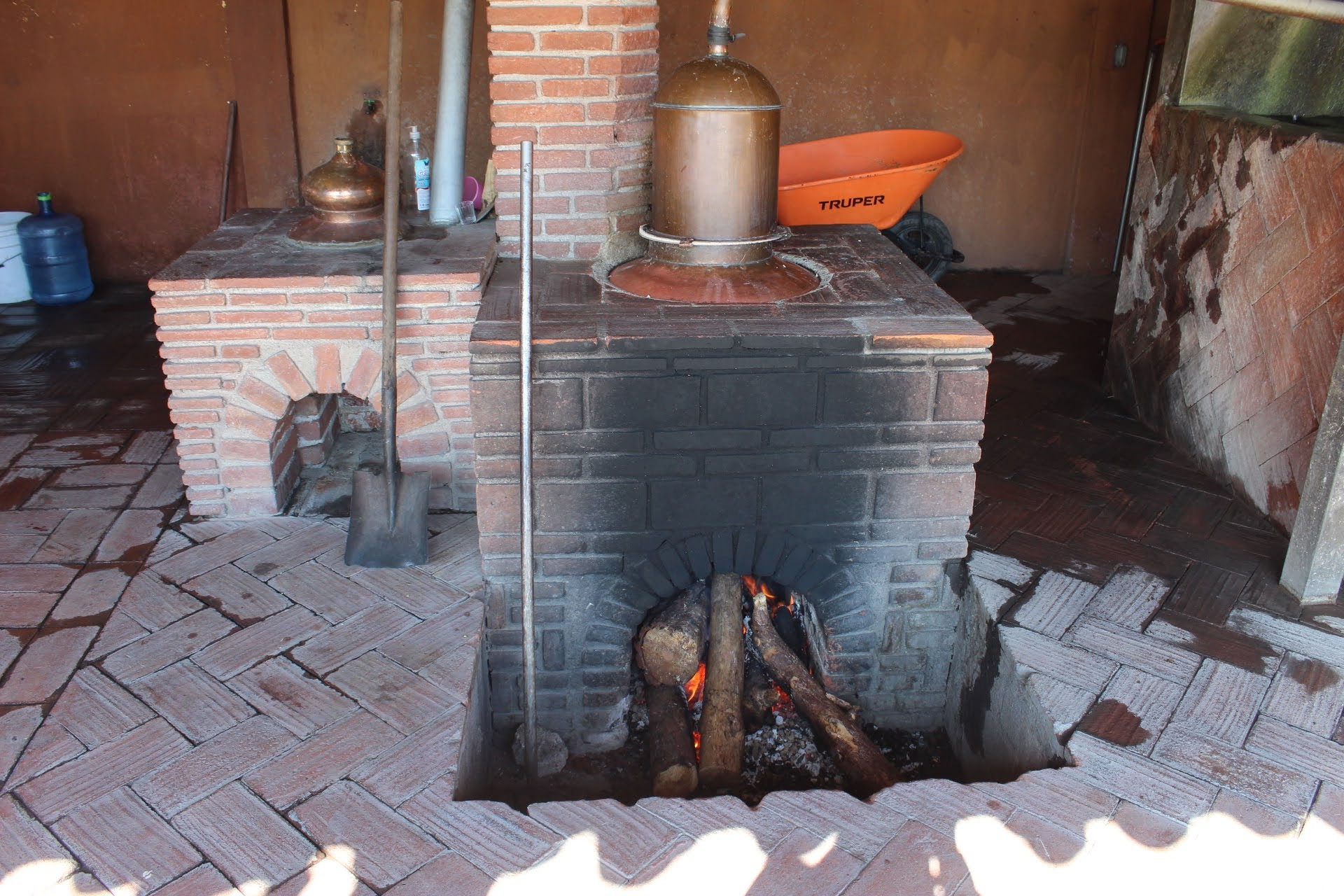

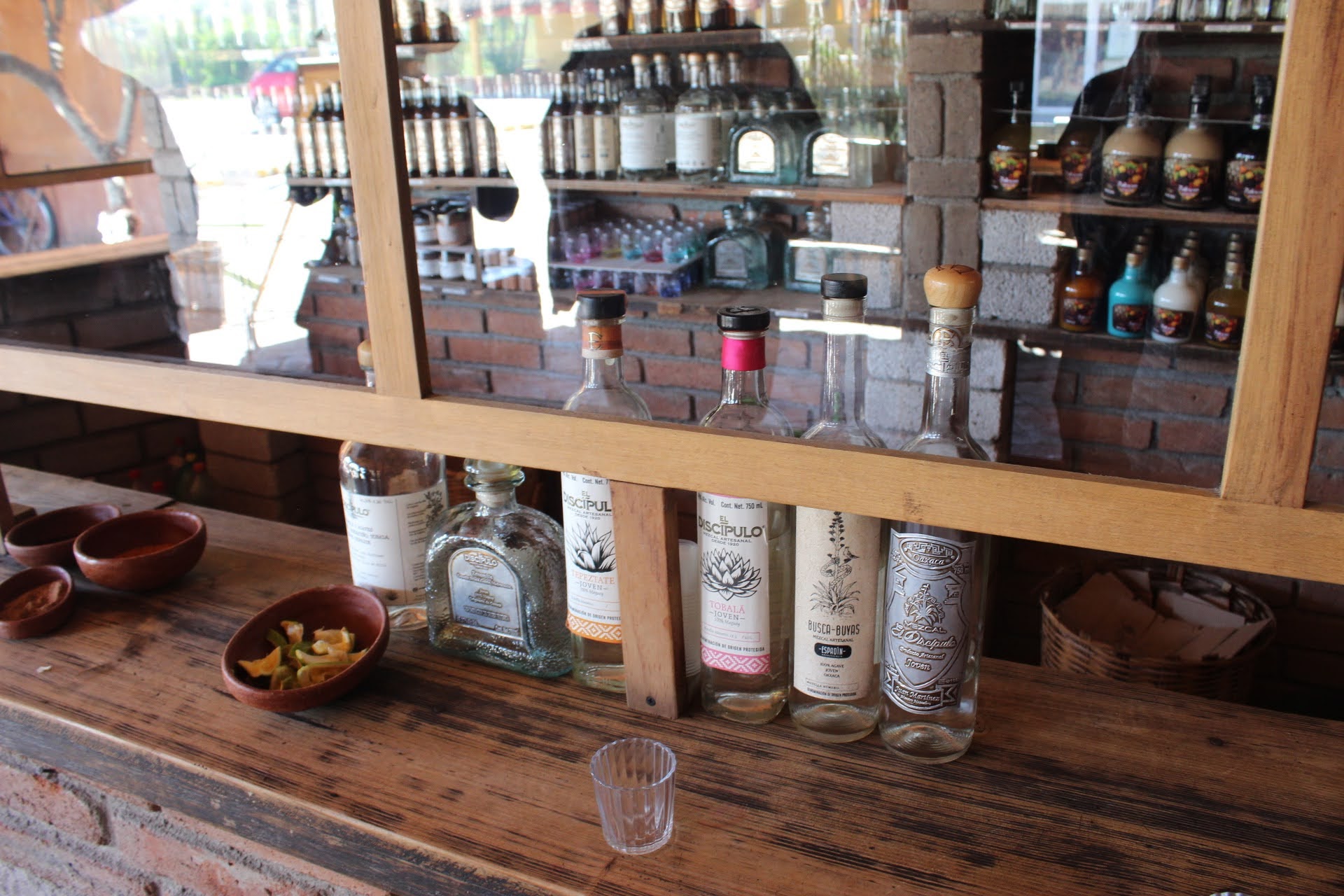
I assumed mezcal was a minority cousin of tequila mainly because tequila seemed to be more readily available in the U.S. But our guide set me straight: tequila is one type of mezcal. Unlike tequila, though, mezcal is not mass produced in a big factory setting, and they are mostly produced in small batches at hundreds of artesanal operations through out Mexico with heavy concentration in state of Oaxaca. This is why tasting gets more interesting, and the price can not be too cheap.


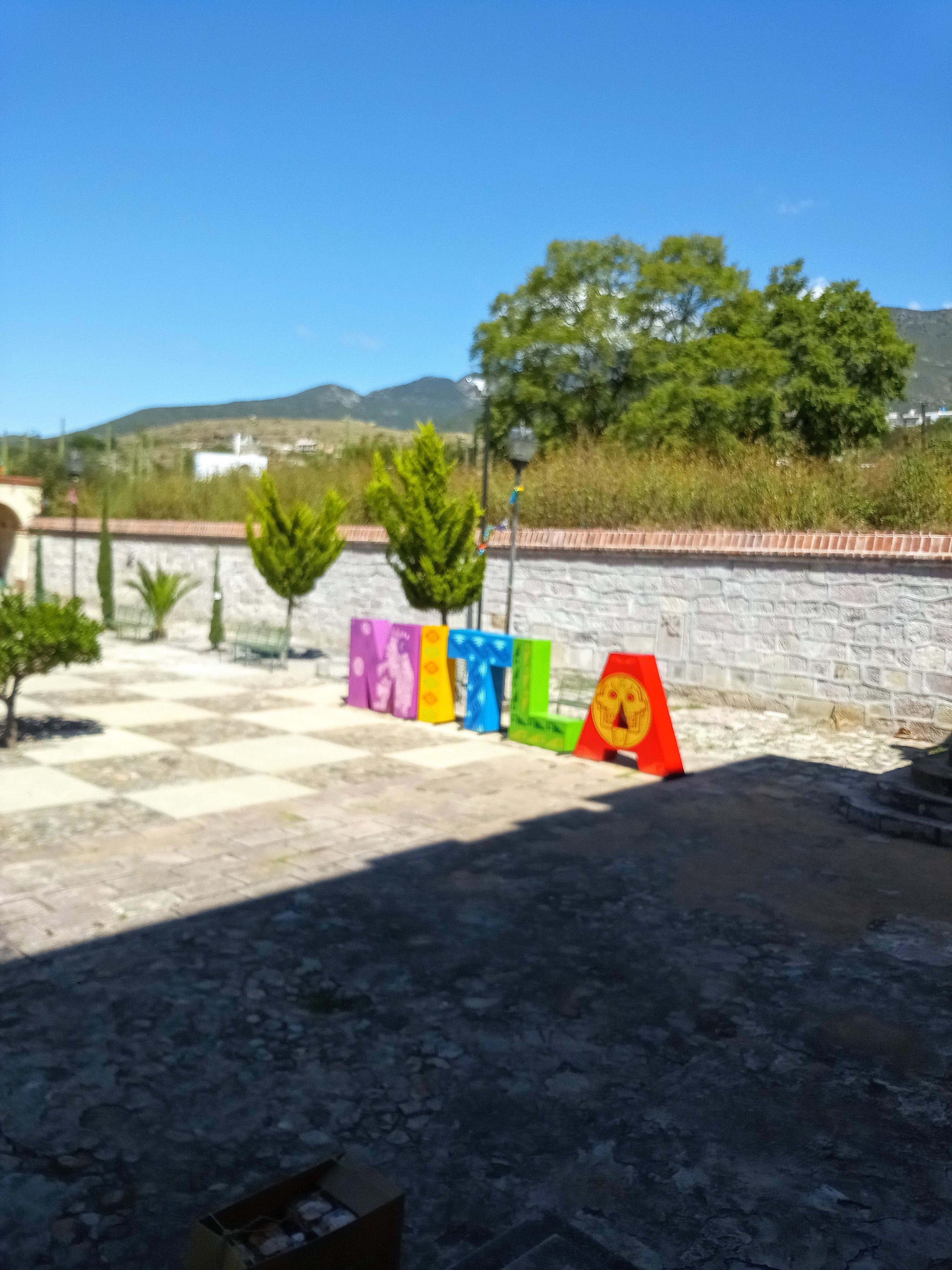
The Mitla archaeological site was established as a sacred burial site by the Zapotec people who have been living in this area from as early as 900 B.C. The village surrounding the site, San Pablo Villa de Mitla, has been inhabited since then to this day. Over 10% of Mexico’s population (128 million) belong to one of 56 officially recognized indigenous groups, and Zapotec is the third largest group with over a half million people. More than half of the population in State of Oaxaca belong to an indigenous group, and these groups engage in arts and crafts that reflect their own cultures.
Spanish colonialists arrived in Mitla in 1521 and built a church on top of a large pre-historic platform, and this San Pablo church has been active since.
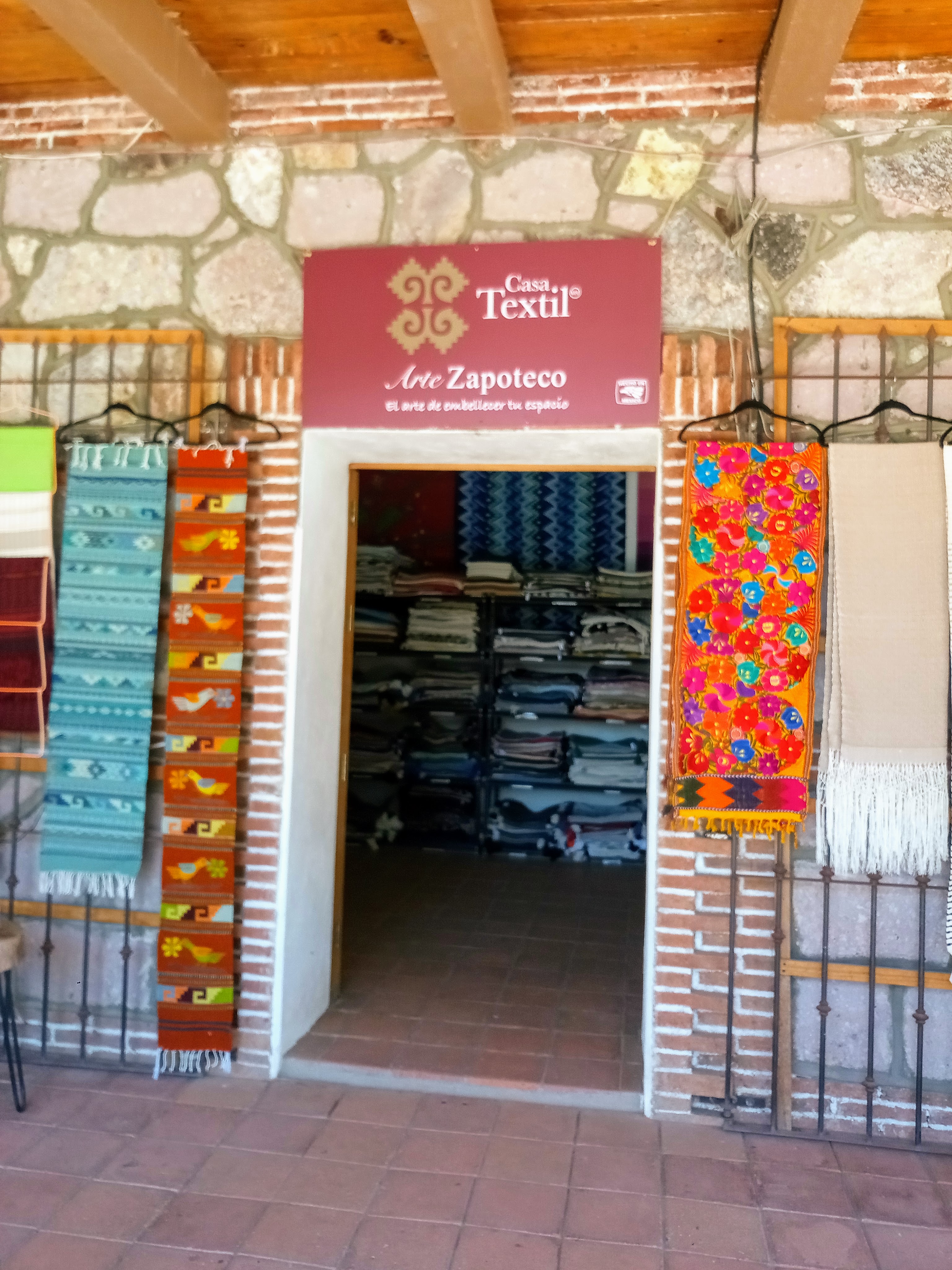

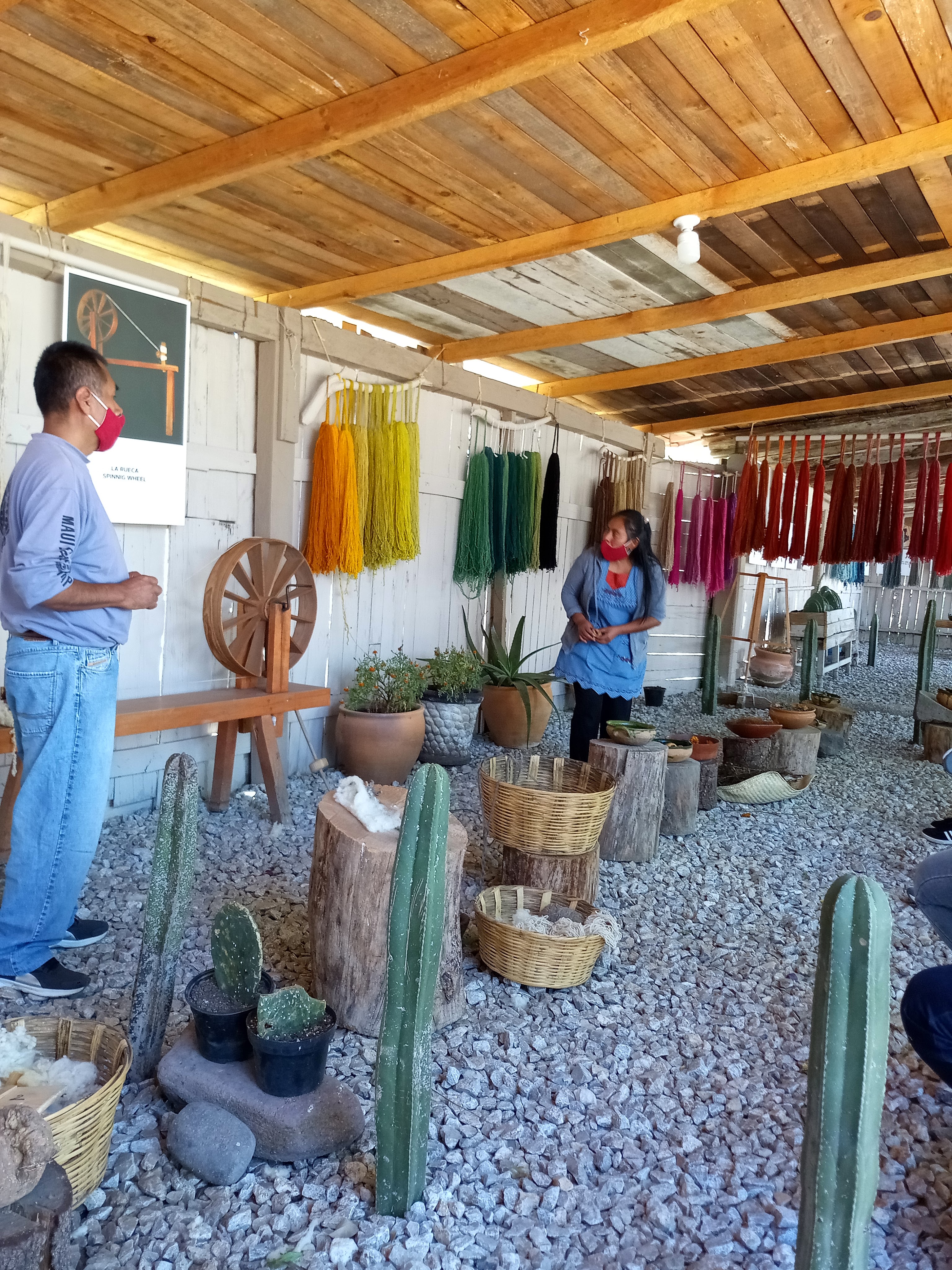

We stopped at a textile workshop that specializes in colorful wool products.


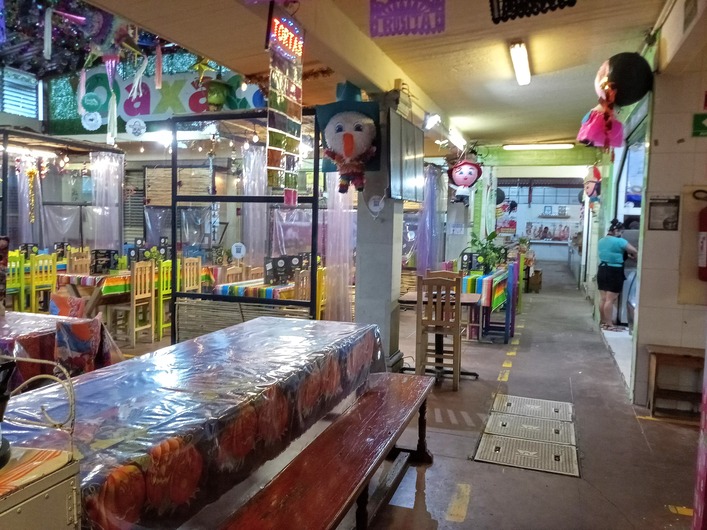
Lunch was at a place clearly set up for tourists. What do you have after your meal? Their very own mezcal tasting.

This 2,000 year old tree in the town of Tule (population: 8,250) is supposed to be the widest (circumference: 164 feet or 54 meters) living tree in the world. Because of the pandemic, though, all the areas in town any tourist may want to get close to were cordoned off.
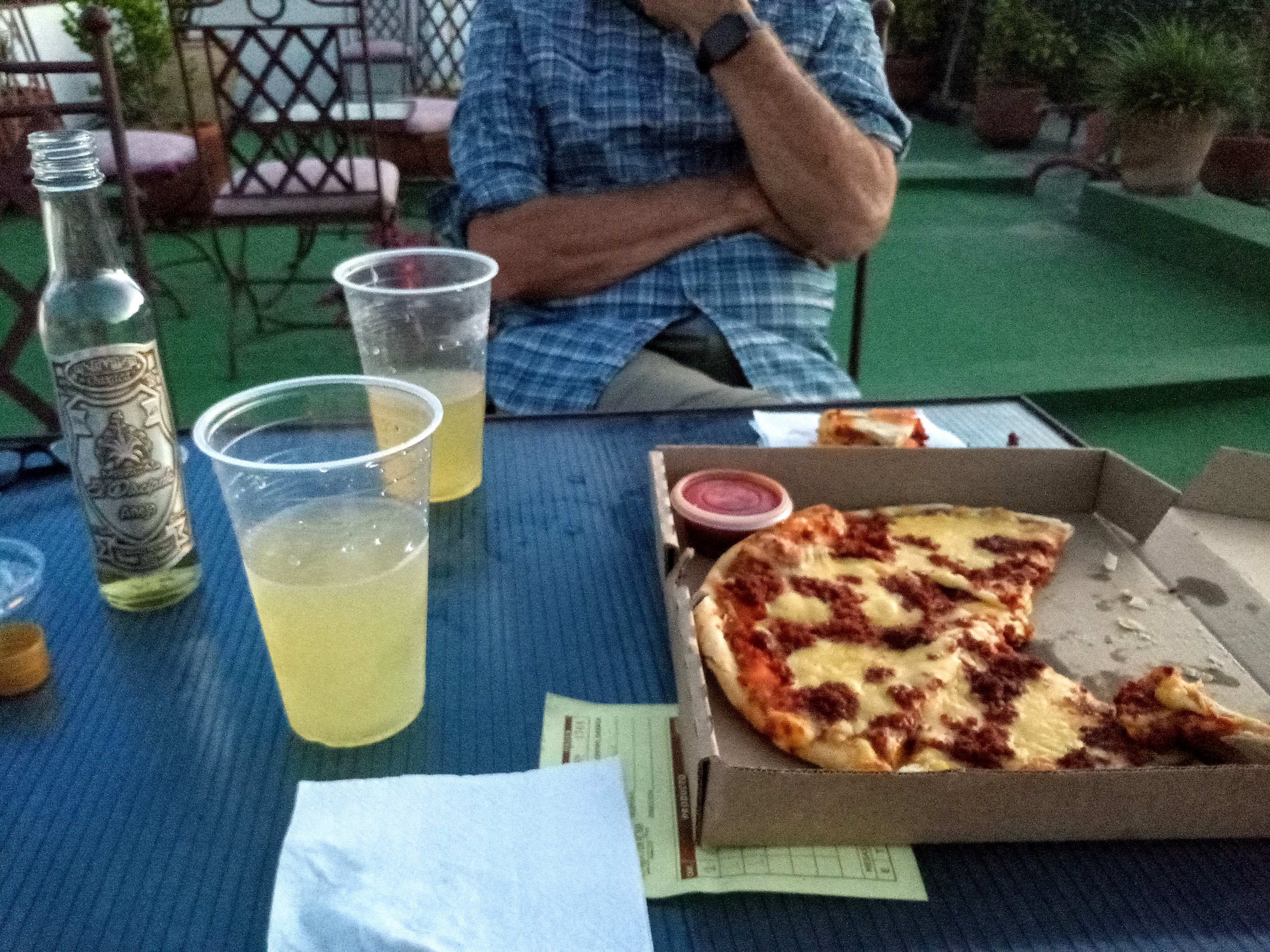
We had a take out pizza for dinner because all the restaurants we wanted to go to were closed on Sundays during the pandemic. Yes, that bottle standing on the table is mezcal. A “rooftop dining” gave us an incomparable view!

We only had two remaining meals before heading out to the airport. Ocote Cafe was one of the restaurants we wanted to try because it had a great reputation & was just a few blocks west of our hotel. The breakfast here did not disappoint us.


With just one meal to go, we had to think hard. Should we cram in one of the splurge places like Los Danzantes or Casa Oaxaca or Criollo? Luckily(?), the answer was simple: none of them were open at noon on a Monday. We just had to go wherever we could get in before our flight out at 2:30 PM.
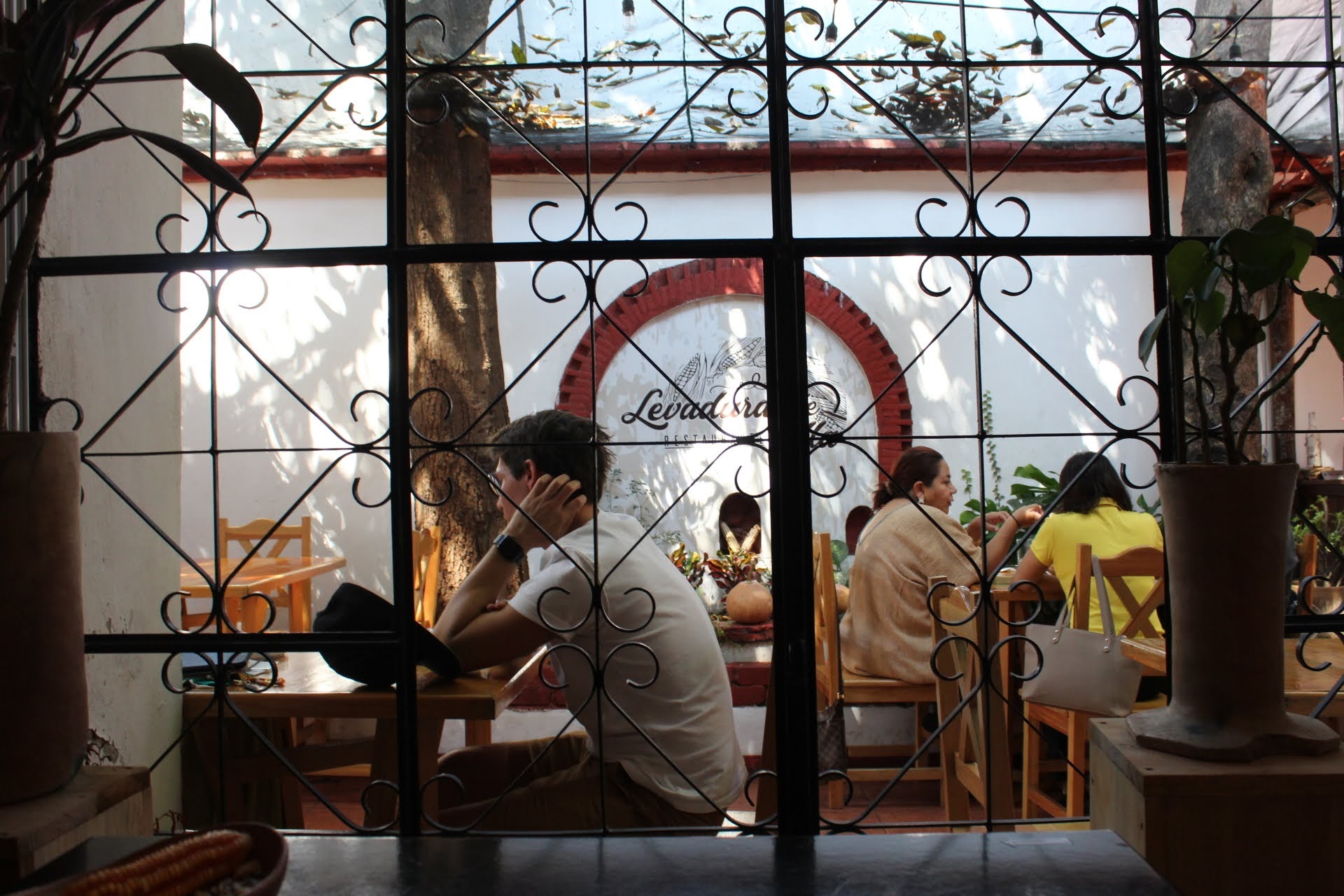

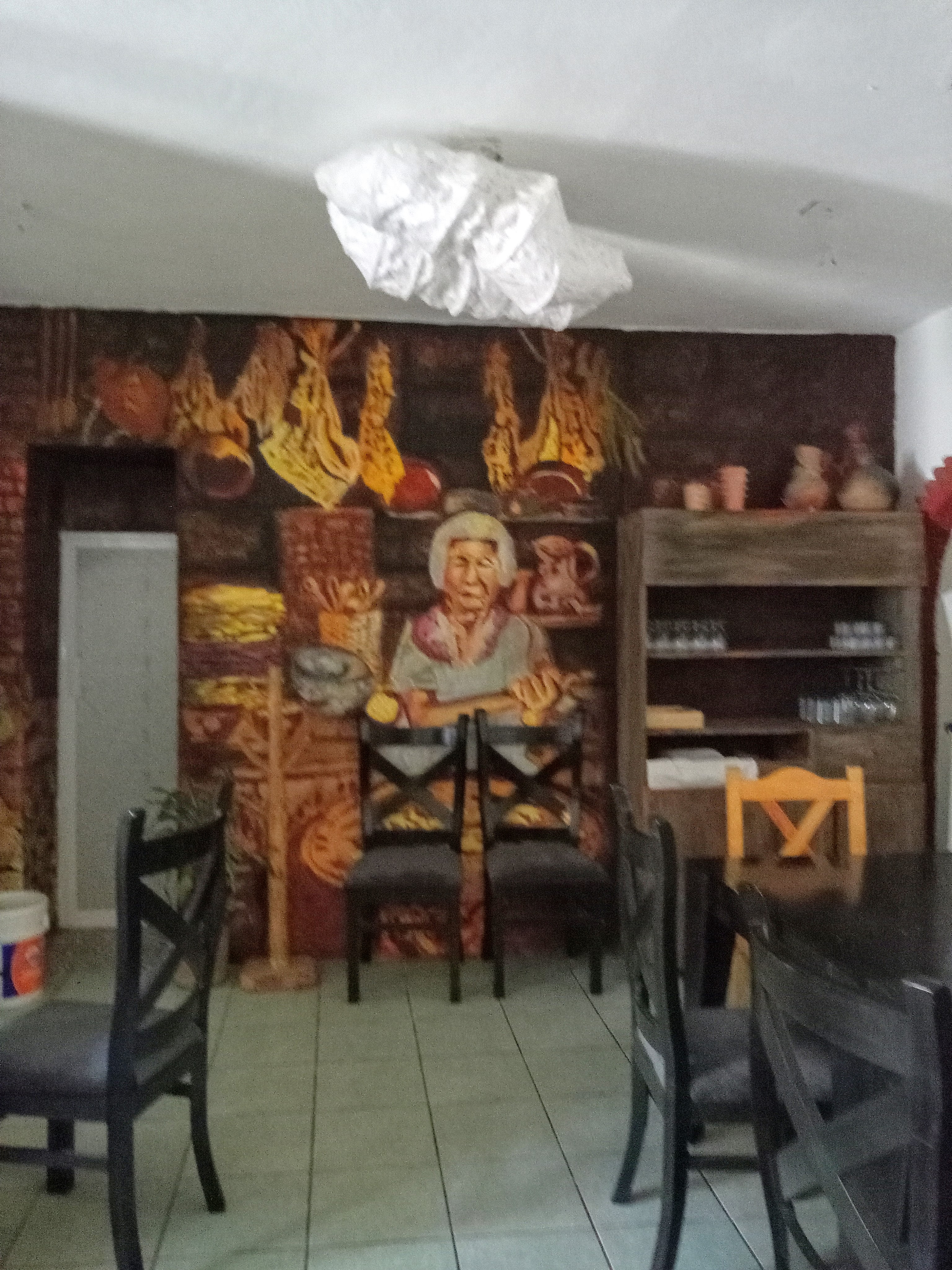
Around the corner from our hotel was La Olla, calling itself a bar, restaurant & gallery. It seemed to be popular among locals, and, yes! Lots of eclectic art works all around. Good food.

And then there are the grasshoppers. We first encountered them on our first night in Oaxaca when, what at first appeared to be a side dish of shredded beef turned out to be fired grasshoppers. It was never necessary to order grasshoppers separately because this crispy Oaxacan creation was crushed and sprinkled liberally over tacos and moles and other dishes at most restaurants. How was it? Not bad. You don’t think much of it till someone reminds you that you are eating grasshoppers. How about mole verde and mole rojo? Same with these sauces – they were used liberally so we did not have to order them just to taste them. We did leave Oaxaca without trying all of these on this list, but, we got the idea. Food rules in Oaxaca. Were 3 days enough to get to know this city? For us it was a yes. But we can see how some people want to spend a week or longer.
 Small Wide World