September 2019
When we first went to San Miguel de Allende (SMA) in 2012, it was still a sleepy cute little town where many expats lived, but, in essence, it still was a Mexican town. A few years later, we found the town still pretty much the same except a little fancier, more hipster with appropriately higher prices.
This time we were spending a month in nearby Guanajuato and we visited SMA (population: 62,000) as a short overnight trip. Previously, we had wished we had more time there. This time, a short trip seemed enough. I guess we felt that it now was more of a hot spot in the U.S. with a big Hispanic population. (But it is cheaper, so more desirable, than the U.S.)
Don’t get me wrong. All the charming churches and streets are there and well preserved. Spanish is the main language spoken. Over 75% of the population in the city proper are Mexicans. So what changed? As attested by the fact that SMA has been named the best city in the world or #1 city to retire to by some fancy travel magazines in the U.S., tourism dominates this city. Even though 60% of the tourists are from within Mexico, 40% are not. Plus there’s the expat community. In my opinion, when the majority of locals depend on money spent by foreigners, it ultimately changes the dynamic. The taste, want, and need of foreigners dictate whats provided in town at the expense of authenticity of local culture.
Did I chase you away? Hope not. SMA is a nice town. If you have not been there, you should go. We’d suggest spending at least a night there.
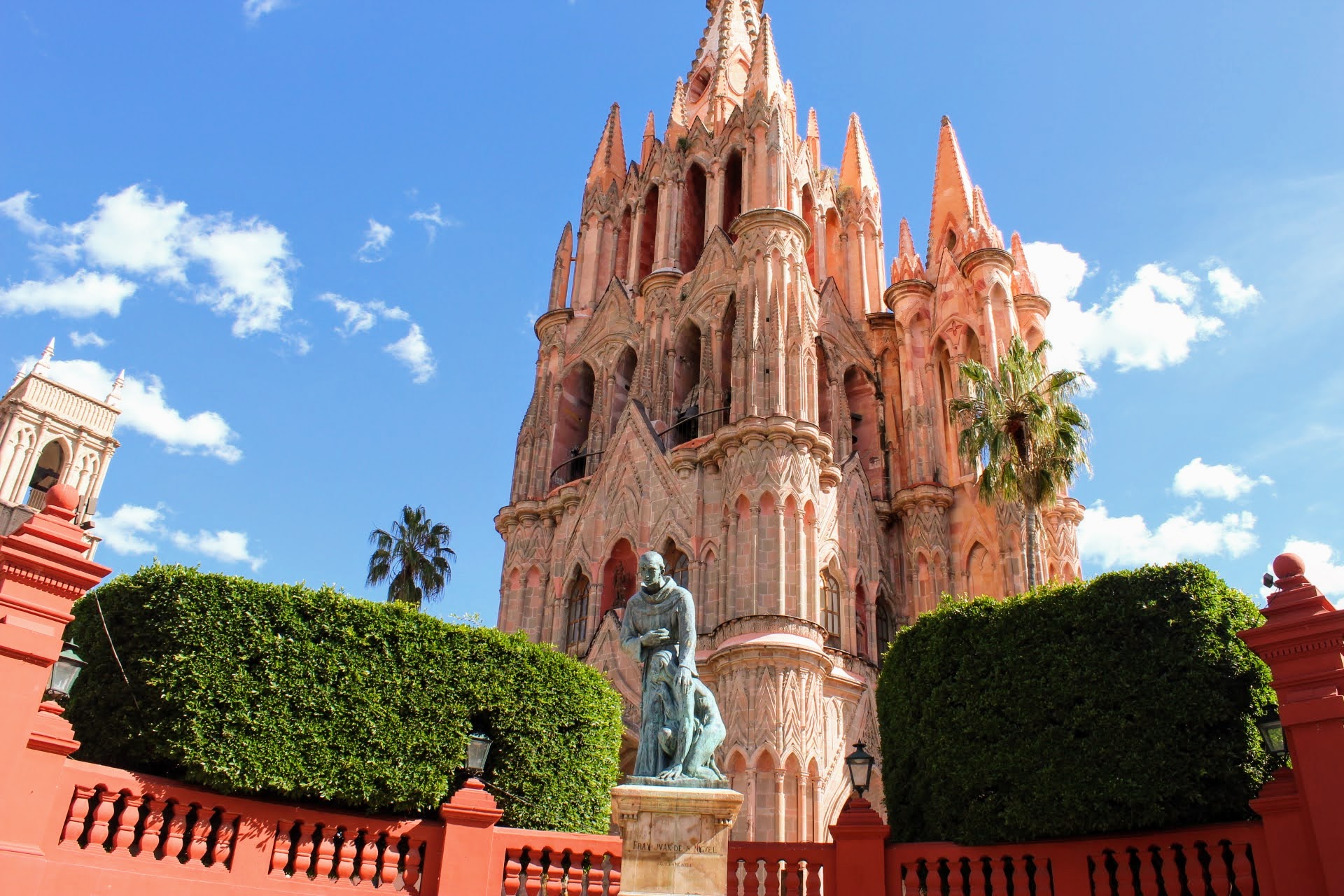
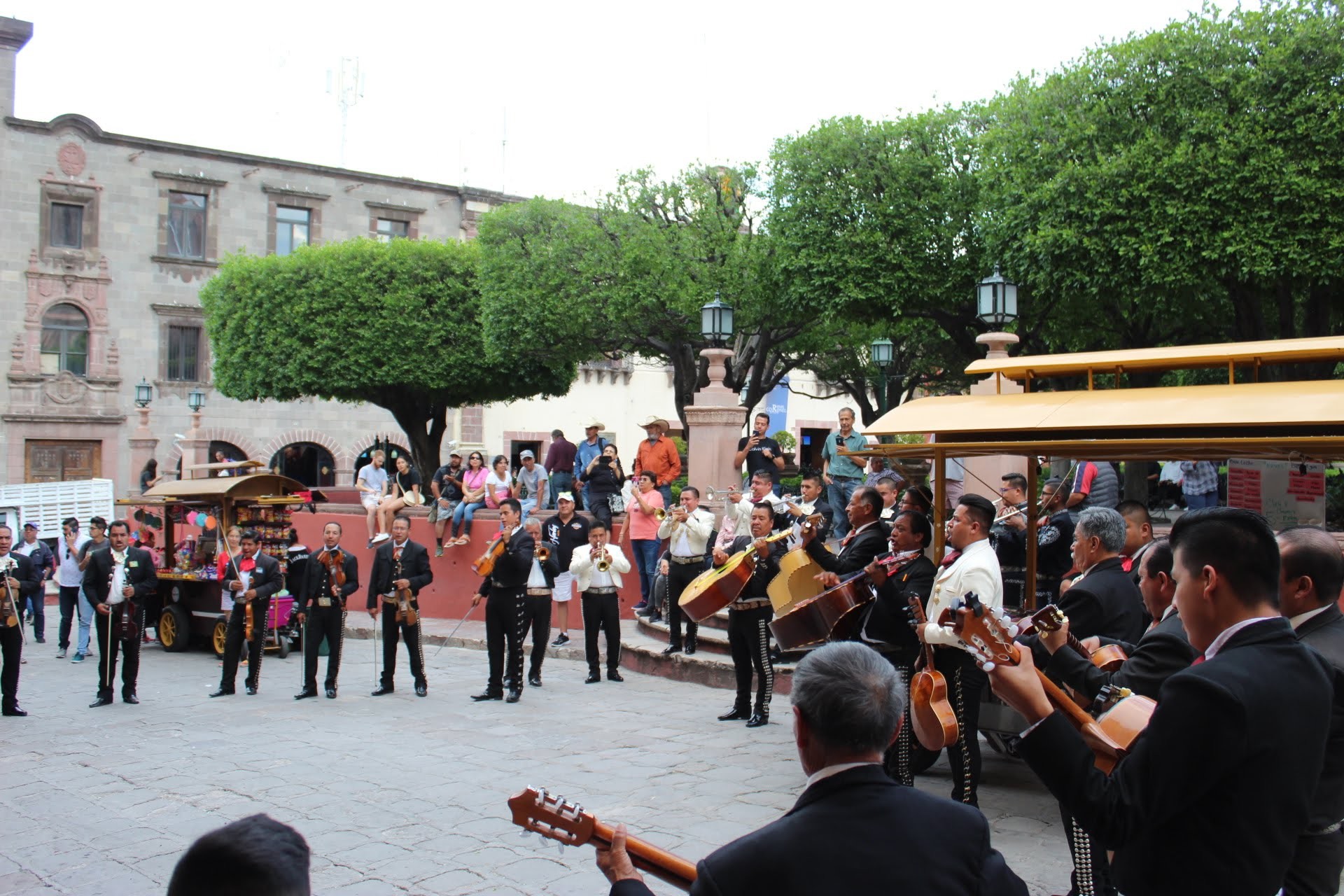
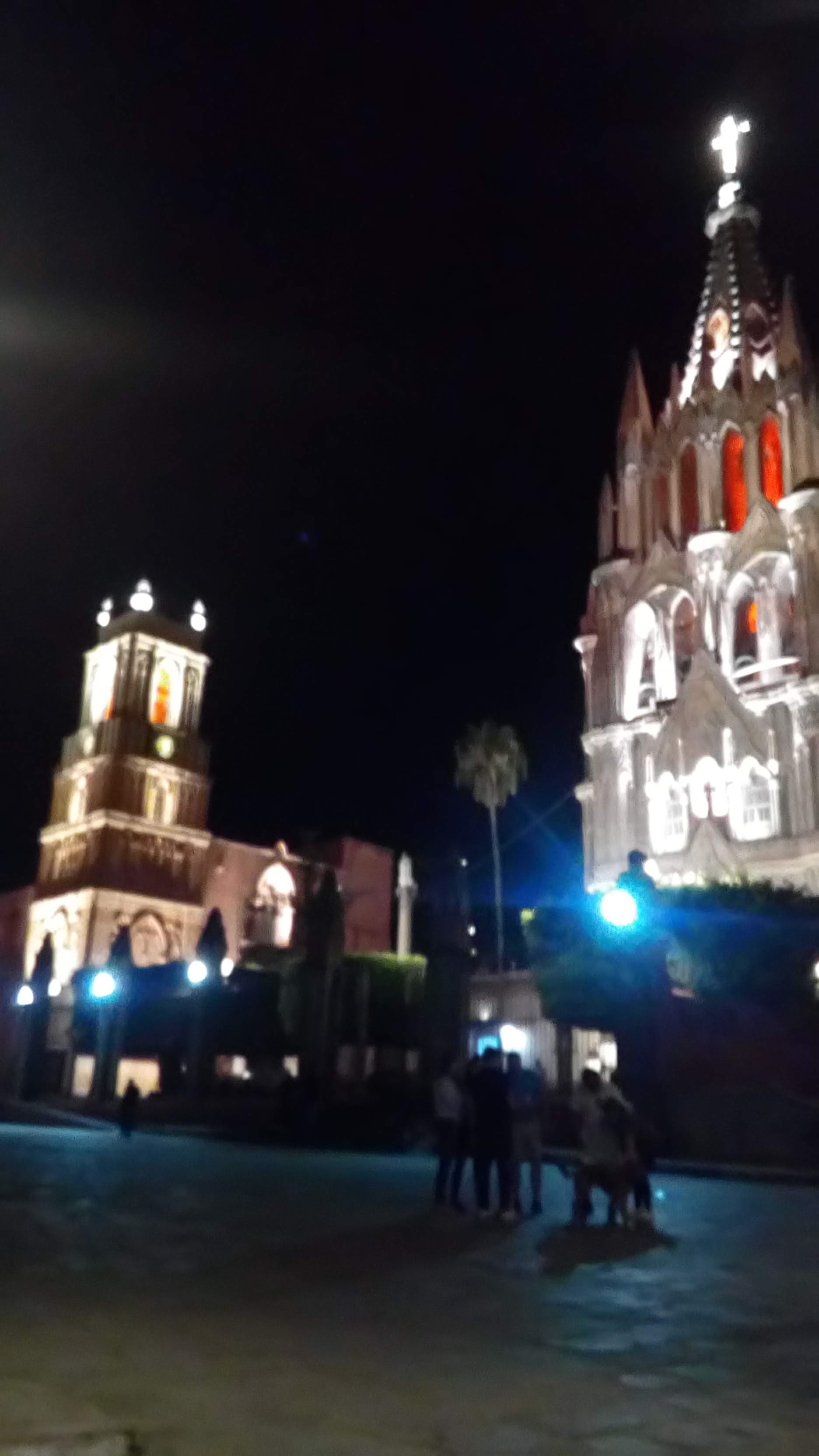
Day 1: Start from the one structure that is in every photo taken from SMA: La Parroquia de San Miguel Arcángel, or simply referred to as, “the Church.” That’s the one smack in the middle in the map above and the cover photo for this blog page. Across from there is El Jardin shown on the map as a green square. This is THE Center of town. People hang out, kids run around, others sing and/or dance.
The grey building on the left side of the church is the birth place of Ignacio Allende, a hero of the Mexican independence movement, now a museum. It is a good place to learn a bit about the history of the nation. You can guess where Allende part of the name San Miguel de Allende comes from.
In addition to these sites, we recommend you just walk around and discover the town on your own. As you can see on the map, the historic core is not very big. Each block is longer than it looks on the map. Still, from the eastern end to the western end on the map would take 20-25 minutes on foot. Keep in mind that it is a hilly town, and going south from the church is downhill. This means you will have to climb up to come back.

Here’s a map with a little more detail and more places you can visit. Main attractions are churches, colonial buildings, and arts institutions.
SMA’s connection to the international community started in 1938 when an American painter and a Peruvian artist started an art school called Bella Artes. Later they helped establishing another art school, Allende Institute. Thus, SMA has attracted international artists and art students.

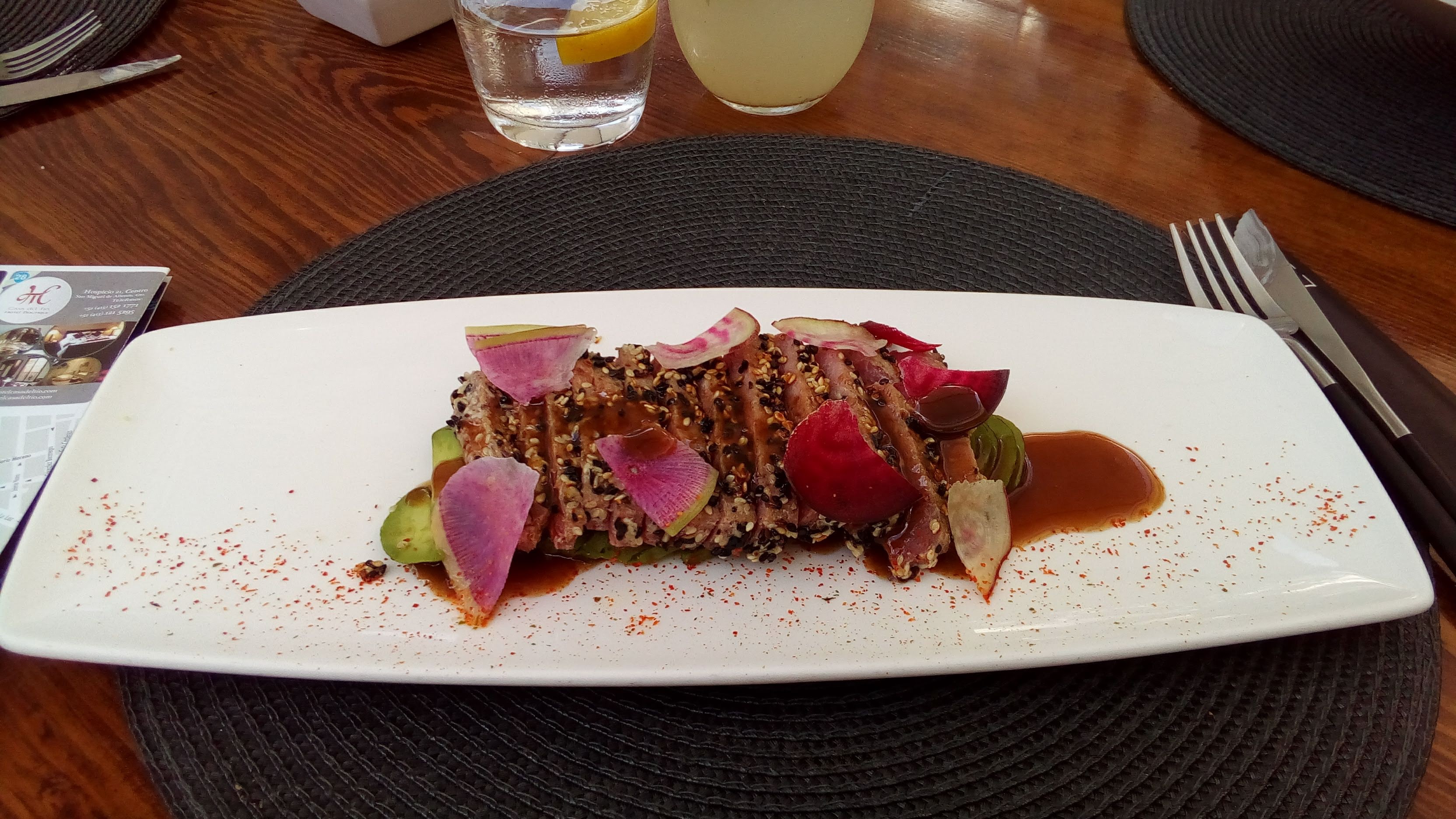
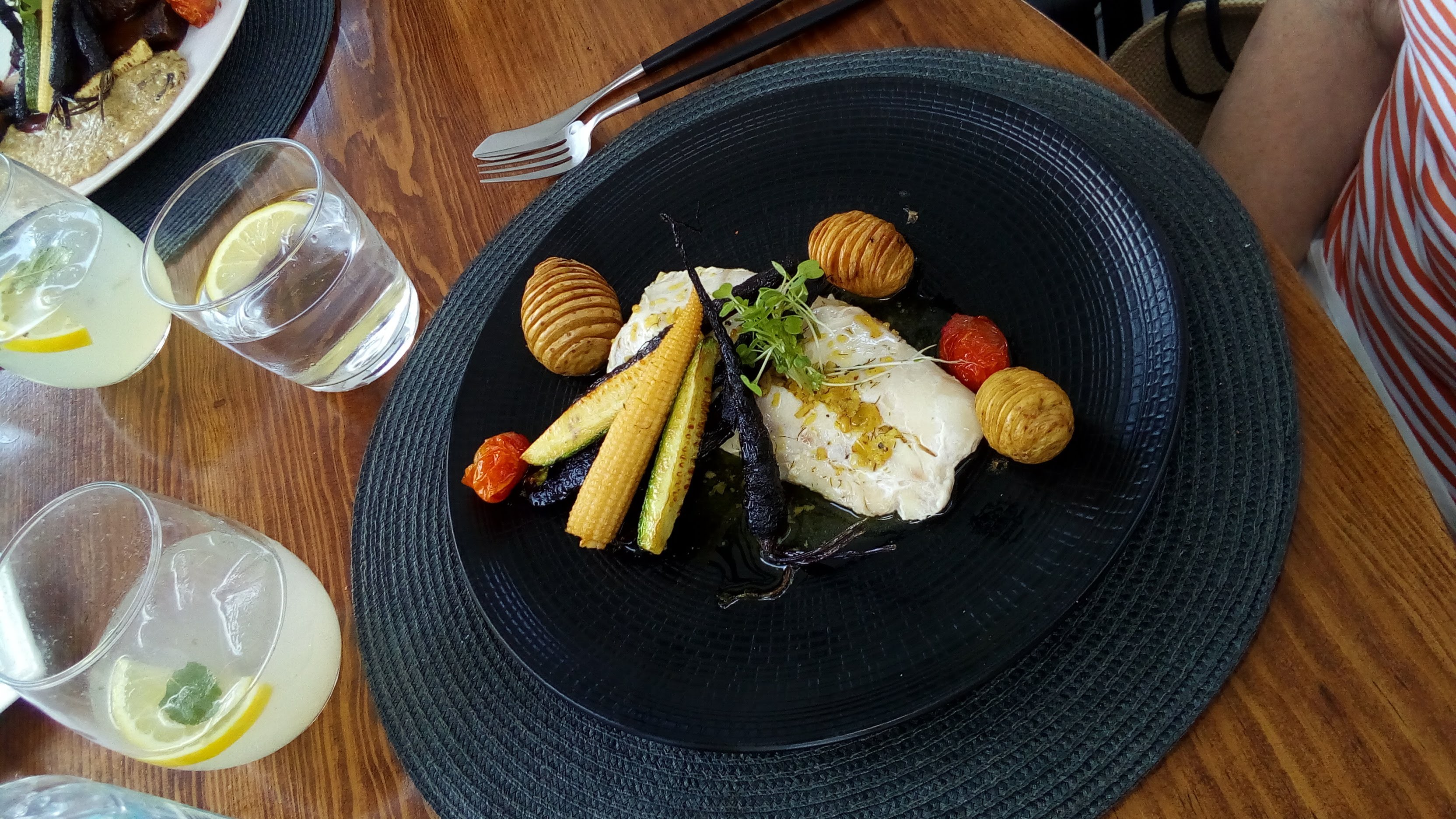
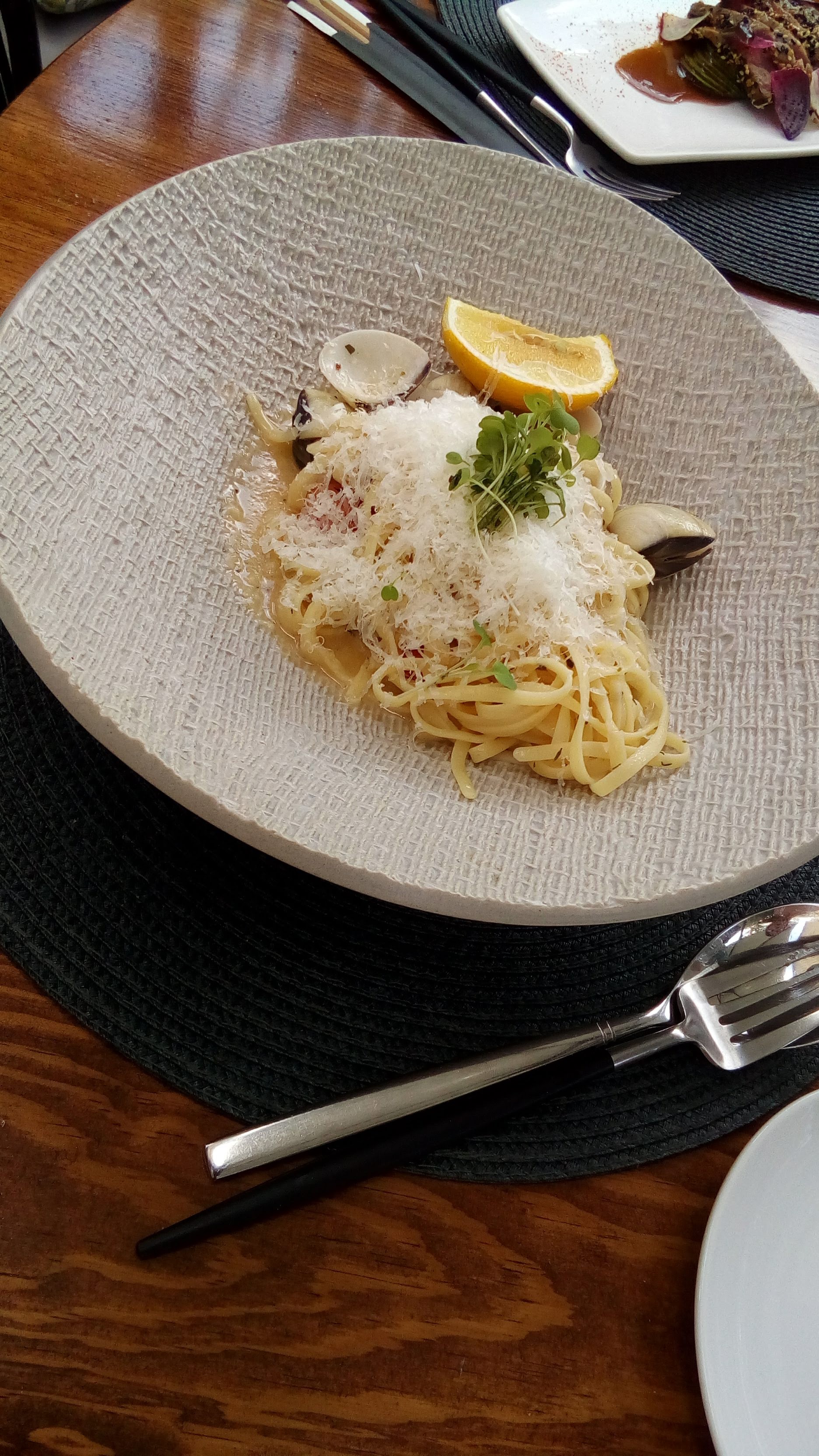

After visiting the church, we had lunch at Atrio. It is a few steps from the church, and offers a nice view of the church from the restaurant. Very artsy in decoration and food presentation. Food was excellent, too. 5 of us shared a salad, each had a main course, then we shared 2 desserts. About $20 per person with margaritas and bottled water.


Dinner was at Mama Mia, a local institution since 1973. As the name indicates, it is mainly an Italian restaurant, but it has some Mexican dishes as well. About $15 per person with a margarita each. A jazzy band was playing some nice music.
Our Airbnb host suggested La Sirena Gorda for sea food, but we never got to try it.


One snack time we enjoyed St. Augustine on San Francisco Street after visiting the churches around there. They have other things, but Churros and hot chocolate were what we were there for.
Day 2: We waited for the artisan market to wake up, and we did get some gift items there. In general, things cost about 15-20% more in SMA than Guanajuato, but there certainly was more variety in goods and services.
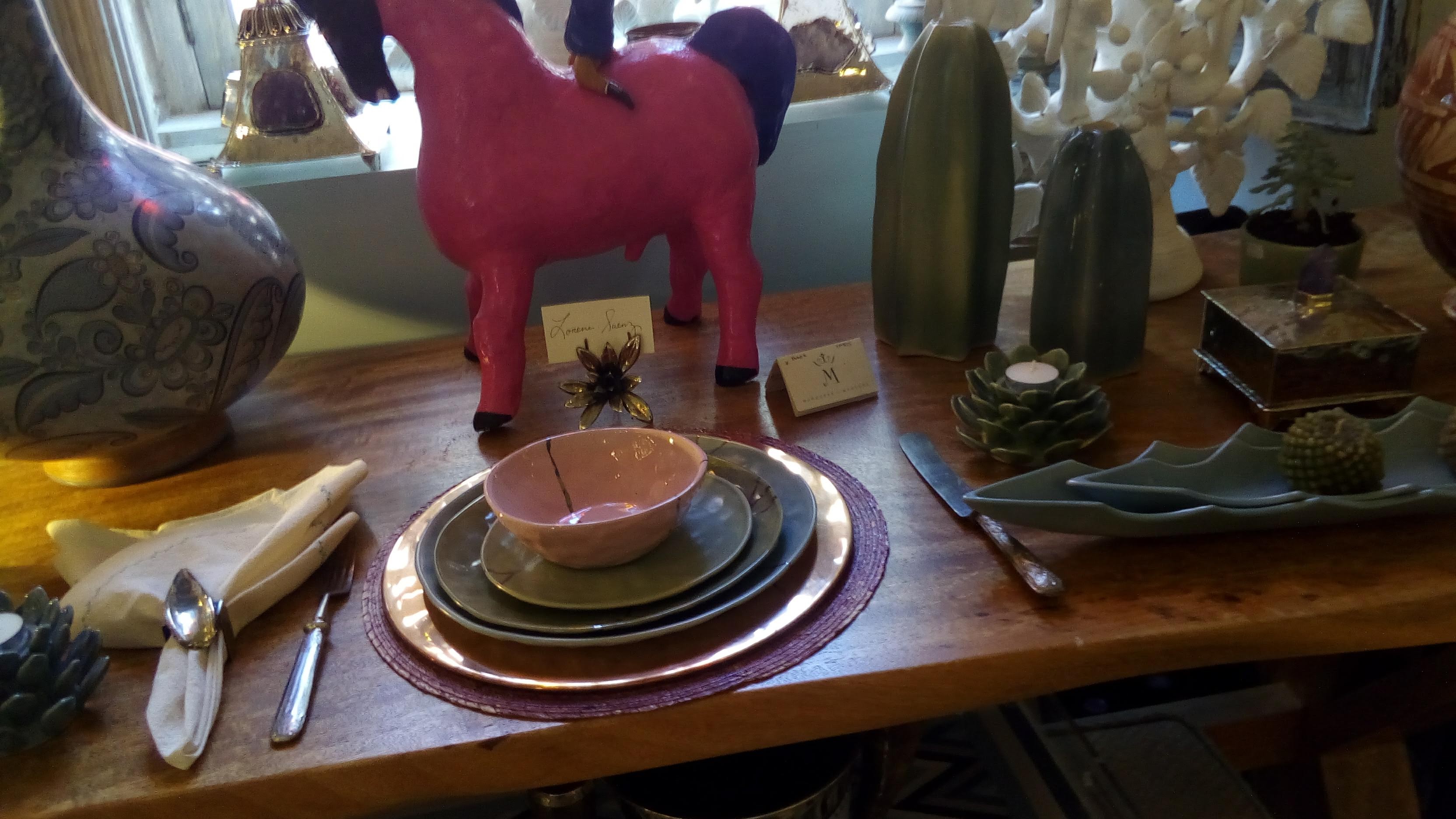

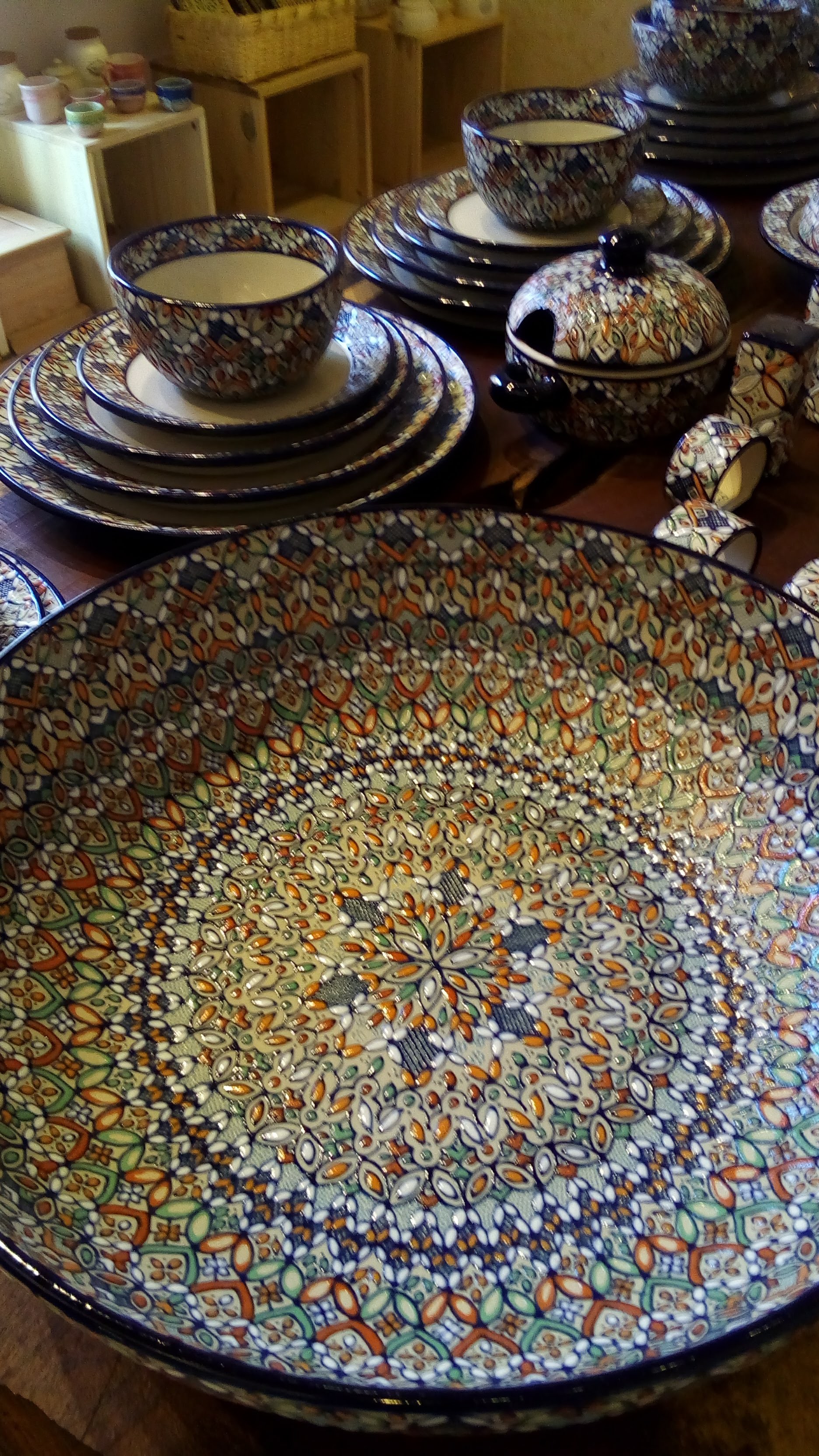

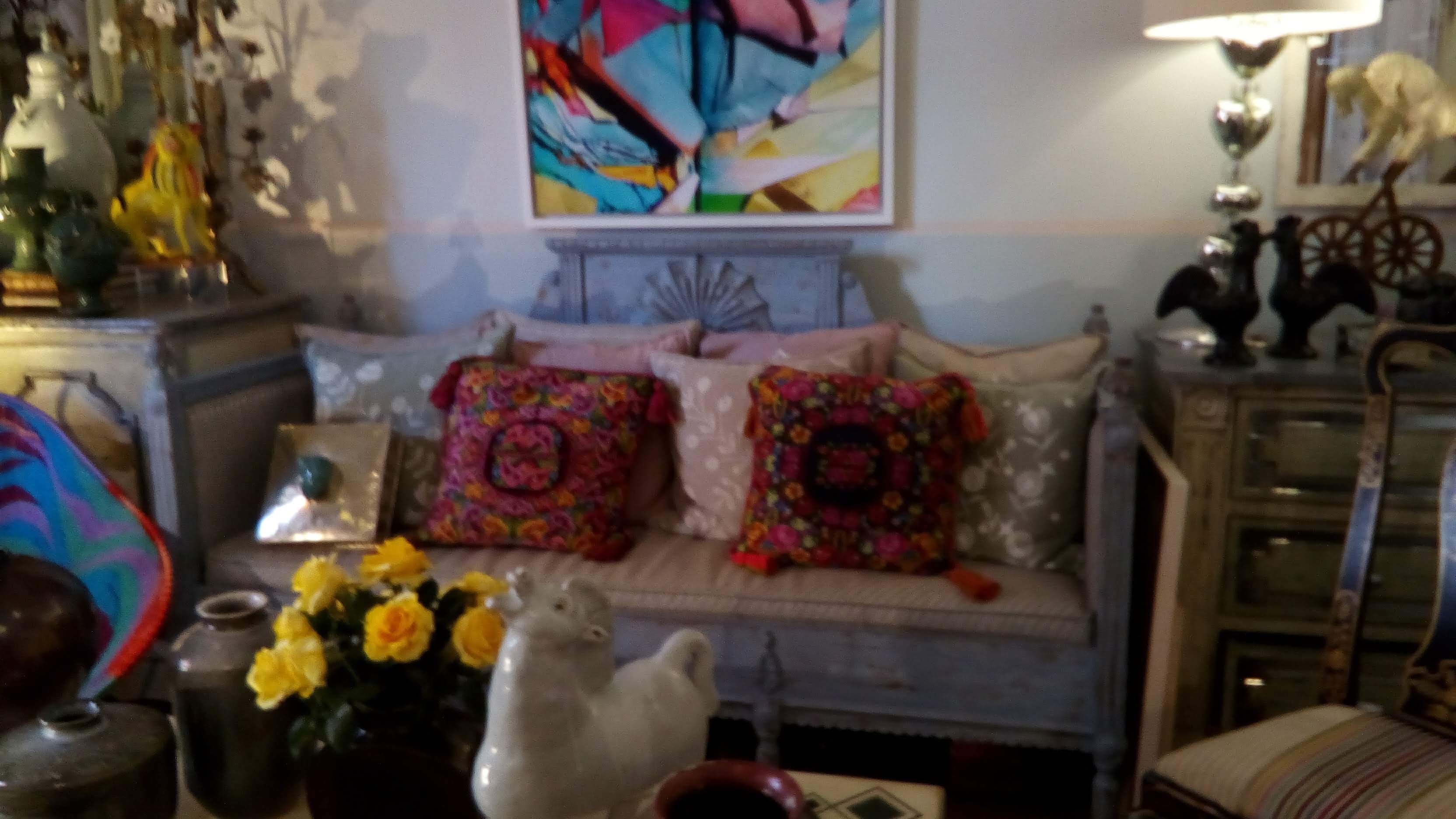
Some stores in SMA are really fancy and have very stylish things, and price tags which can match the ones in the U.S. at times. A converted old textile mill, Fabrica la Aurora, is a place to visit if you want artsy stuff. We had been there last time we were in SMA, but not this time.
We went to a fancy hot springs “beach” and had lunch and spent a few hours before heading back to Guanajuato. However, if you have not been to the church in Atotonilco, that is what you should do before doing anything else. You will find yourself totally unprepared to see what’s in front of your eyes when you arrive in that town in the middle of no where. Together with SMA, it is a UNESCO World Heritage site. You can get a cab from SMA & the 12 minute drive will cost around 160-200 pesos.
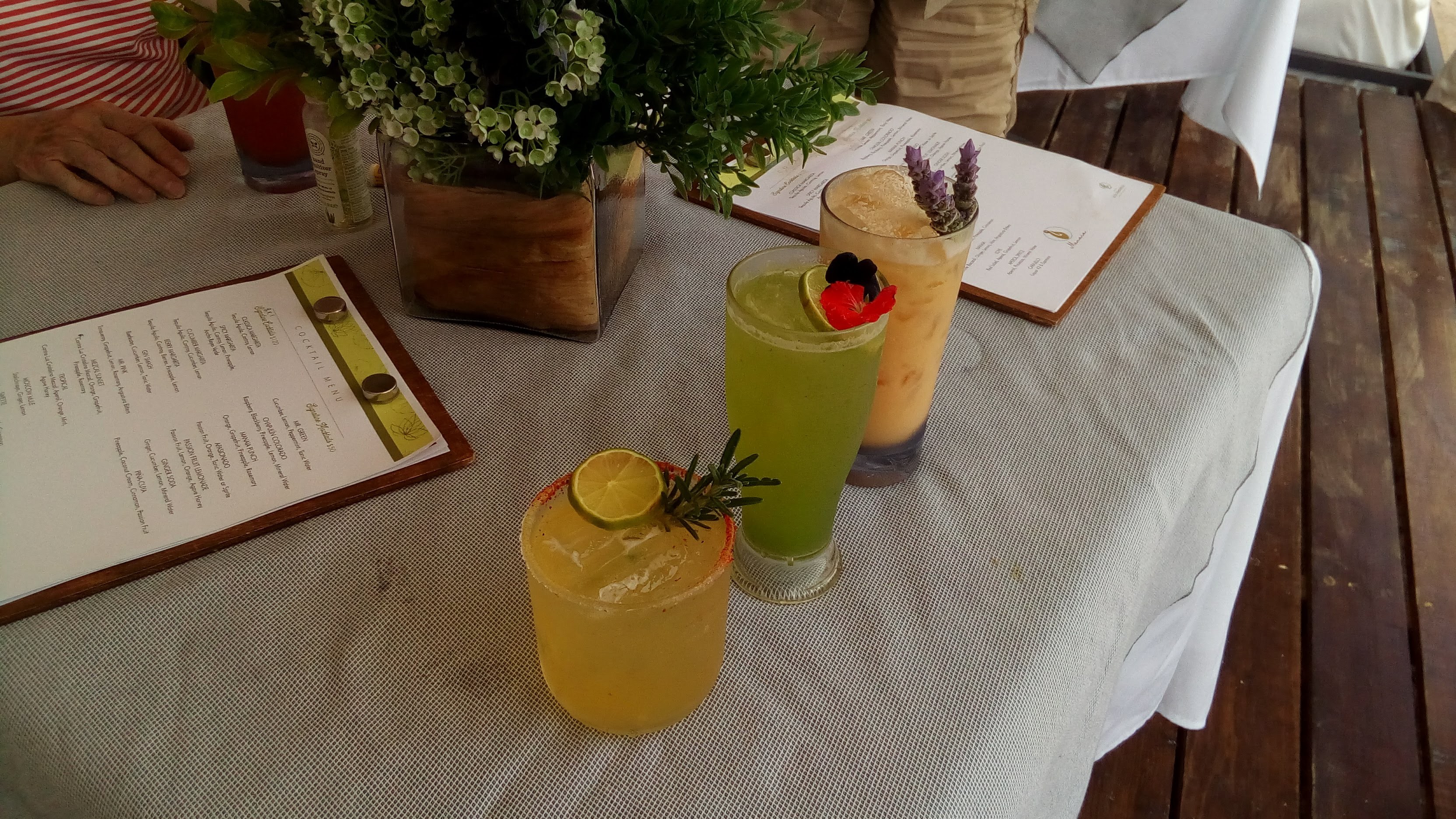
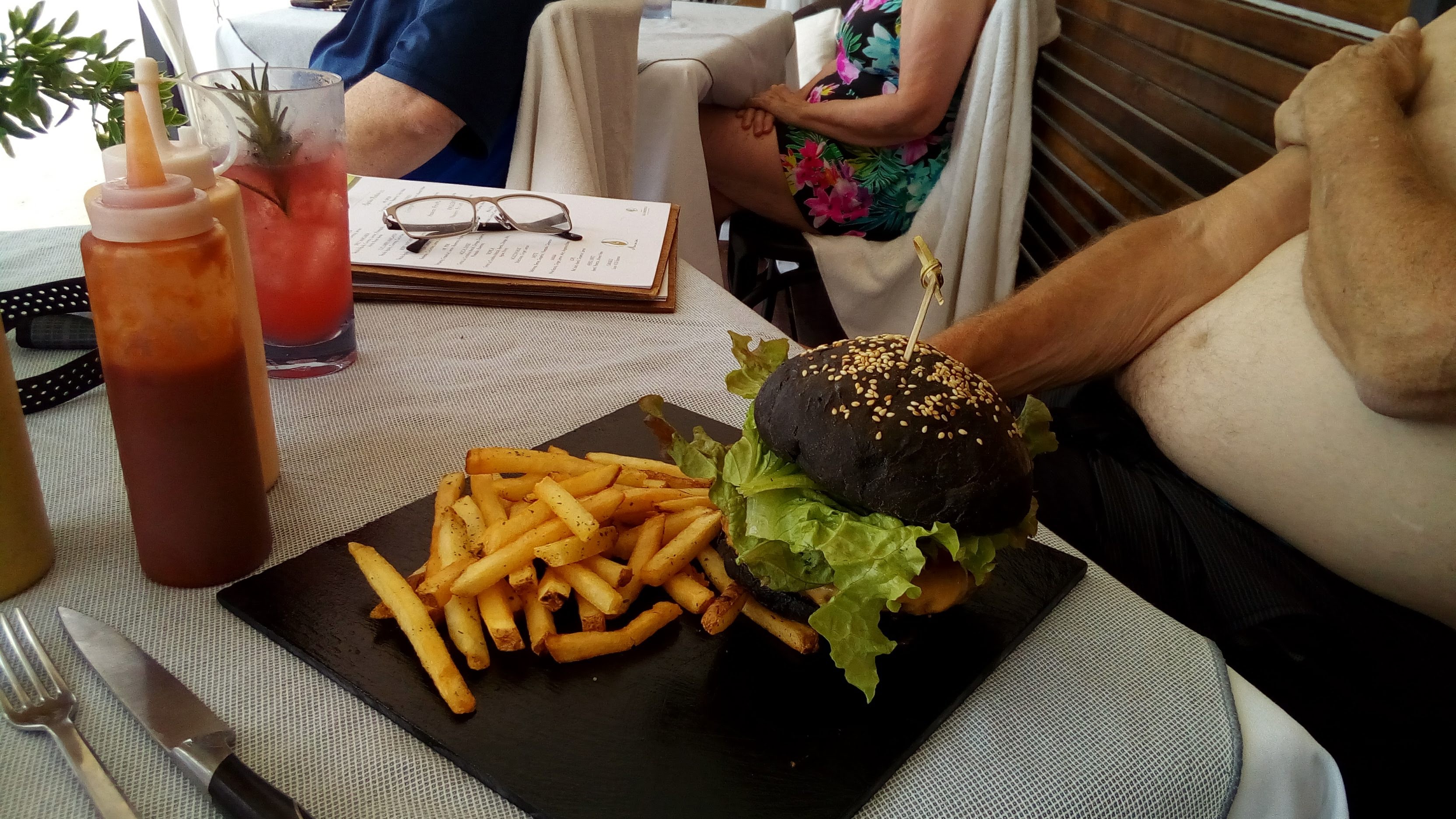
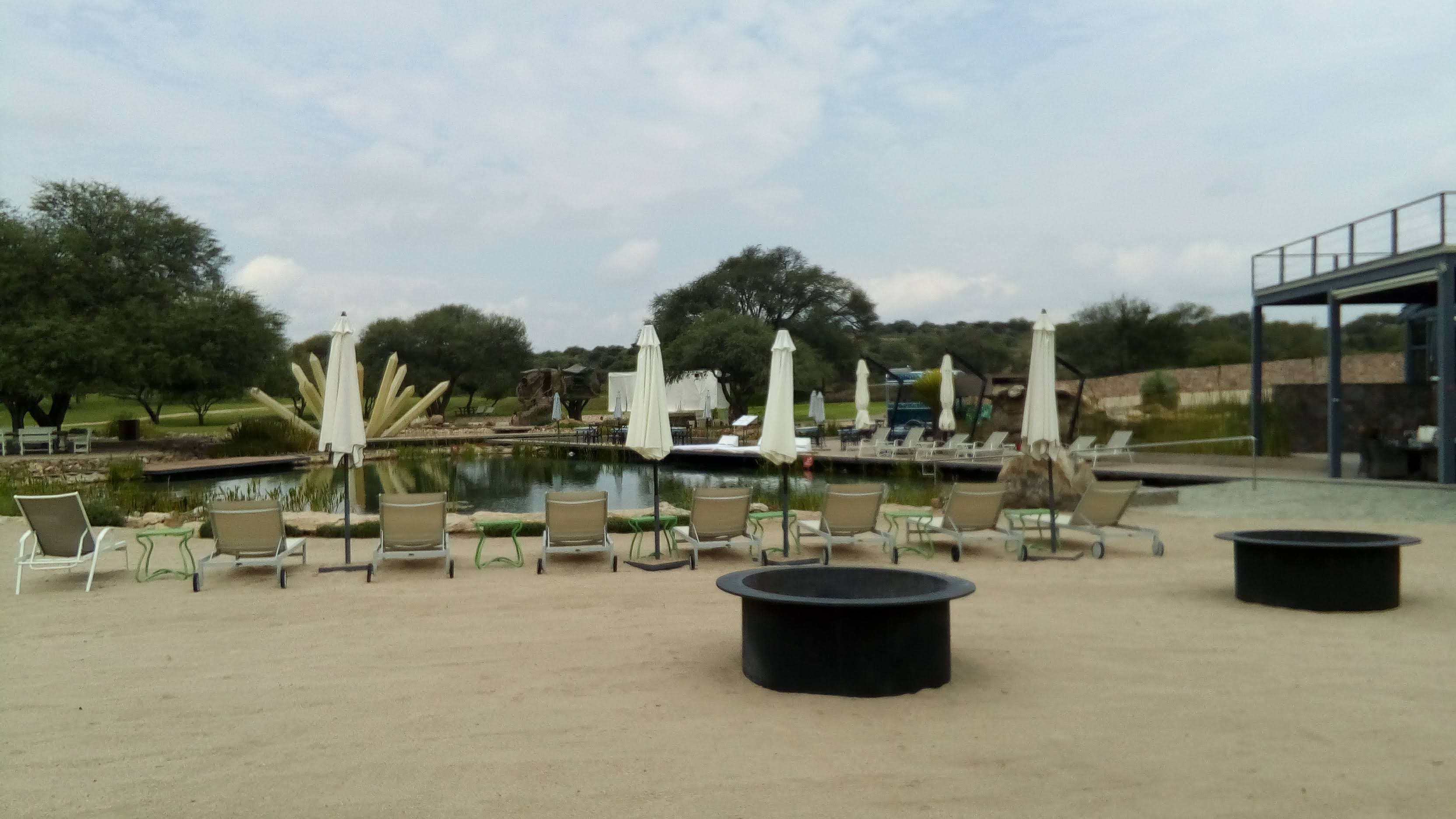
We love soaking in hot springs. The SMA area has a few of them, and we have been to one called La Gruta near Atotonilco before. The water was nice and warm, but the facilities were old and you had to bring your own towels. So I started looking for a more modern place and found Los Senderos Spa which boasts 25 acres of landscaped parks and lagoons. The spa is fed by natural underground thermal springs. You pay 600 pesos per person (not cheap for Mexico, but this means not as many people) for the day pass, and you get 400 peso credit to use on food and cabana rentals. Food and drinks were quite good, towels were thick and soft, and the hot spring lagoons and the jacuzzi were fun. When we settled the account at the end of the day, we owed only 50 pesos among 5 of us!
Where to stay: We stayed at an Airbnb 3 bedroom unit ($92/night) 10 minutes away from the Church. Some fancy hotels are around Park Juarez, south of town. But I think within 5-10 minute walk radius from the church uptown is more convenient.
Getting in: We took the bus from Guanajuato. 1.5 hour ride on a luxury bus costs $8-10. Direct flights from the major airports in the U.S. go to Leon-Guanajuato Airport(BJX), which is 1.5 – 2 hours away from SMA. There is no bus service between this airport and SMA. Taxi would cost about $150. It is possible to get a cab to Guanajuato’s Central Bus Station, 30 minutes away and $27, then get on one of the luxury buses – ETN or Primera Plus. It will be a 70-90 minute ride and cost $8-10.
Flying into Queretaro or Mexico City will be other options. Queretaro doesn’t have many direct flights from/to the U.S. Mexico City is a viable option since many cheap flights are available for that airport from other countries. ETN or Primera Plus bus will get you to SMA in 4 to 6 hours. Here’s thorough directions.
Getting around: walk or get a cab. Cabs cost 60-70 pesos from the Central Bus Station to the city center. Within the city center, it will be 40-60 pesos($2-3).
 Small Wide World
One thought on “San Miguel de Allende(Mexico): 1N/2D”
Comments are closed.