September 2019
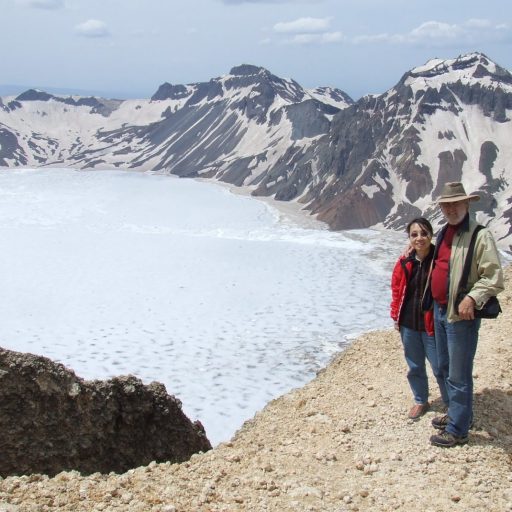
Today we took an Uber from Guanajuato to the small town of Delores Hildago. On September 16, 1810, the local priest, Miguel Hidalgo, of the then town of Delores, stood in front of his church and called for an insurrection against the Spanish. This speech is known as Grito de Dolores(Cry of Dolores). He then traveled around central Mexico raising an army. This was the start of the Mexican revolution. The town is now named Delores Hildago and is known as “The Cradle of National Independence.” September 16 is celebrated as Mexican Independence Day, and, as seen in the photo above, the town was getting ready. Mexico gained independence from Spain in 1821, but Spain did not officially recognize the independence of Mexico till 1836.
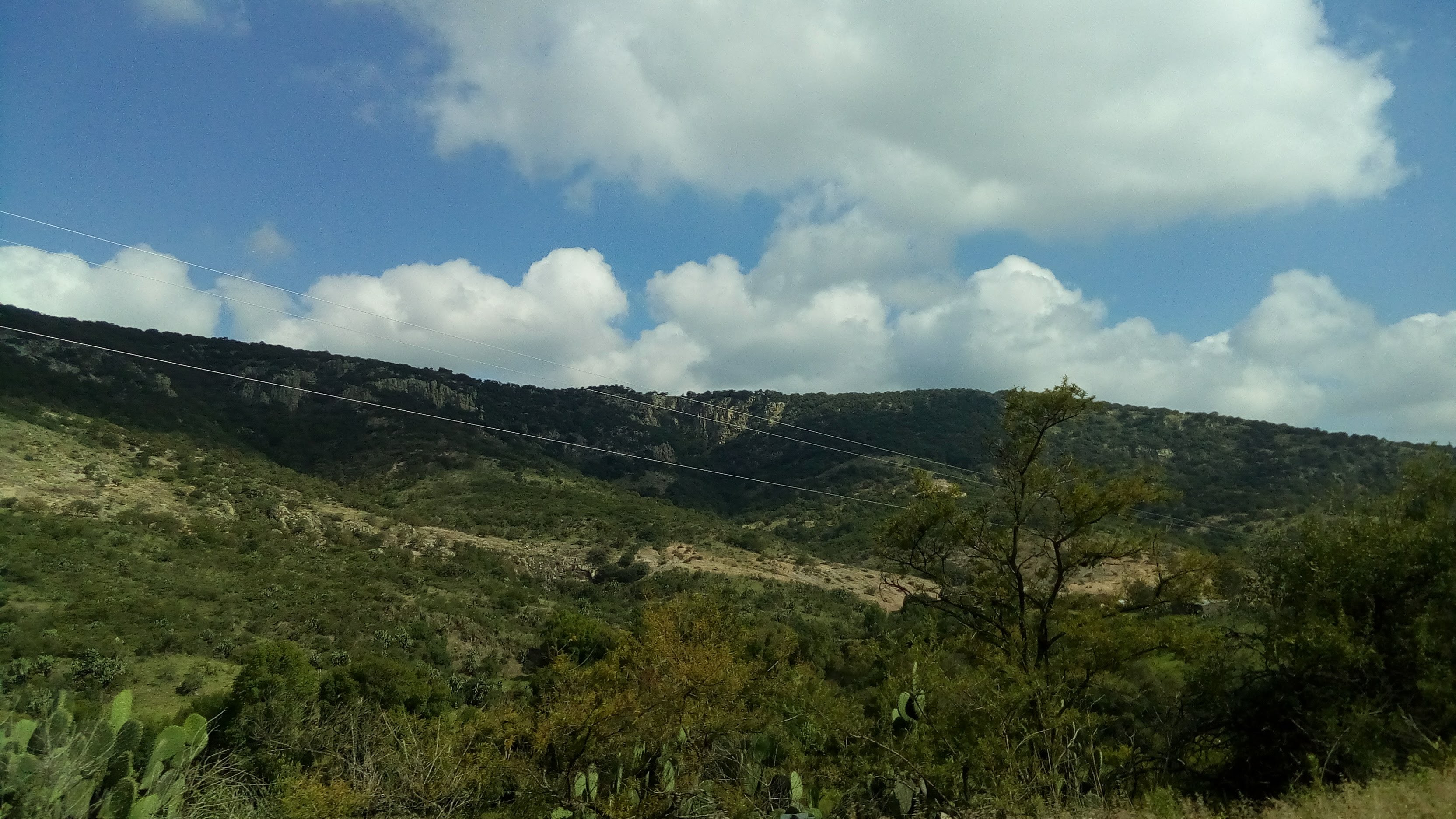
The Uber ride cost around 518 pesos($26) and took about an hour. We had read about the winding high mountain road, but it wasn’t too bad as far as mountain roads go. The view was quite pleasant and all green.
Most major attractions in Dolores Hidalgo(population: 148,000) are around the main square: The church where Hidalgo gave his speech, the Independence Museum, and the ice cream vendors. Aside from its association with the nation’s independence, there are 3 things that the city is known for: ceramics, ice cream, and one of the most famous rancheras singer-songwriters of Mexico, Jose Alfredo Jimenez.

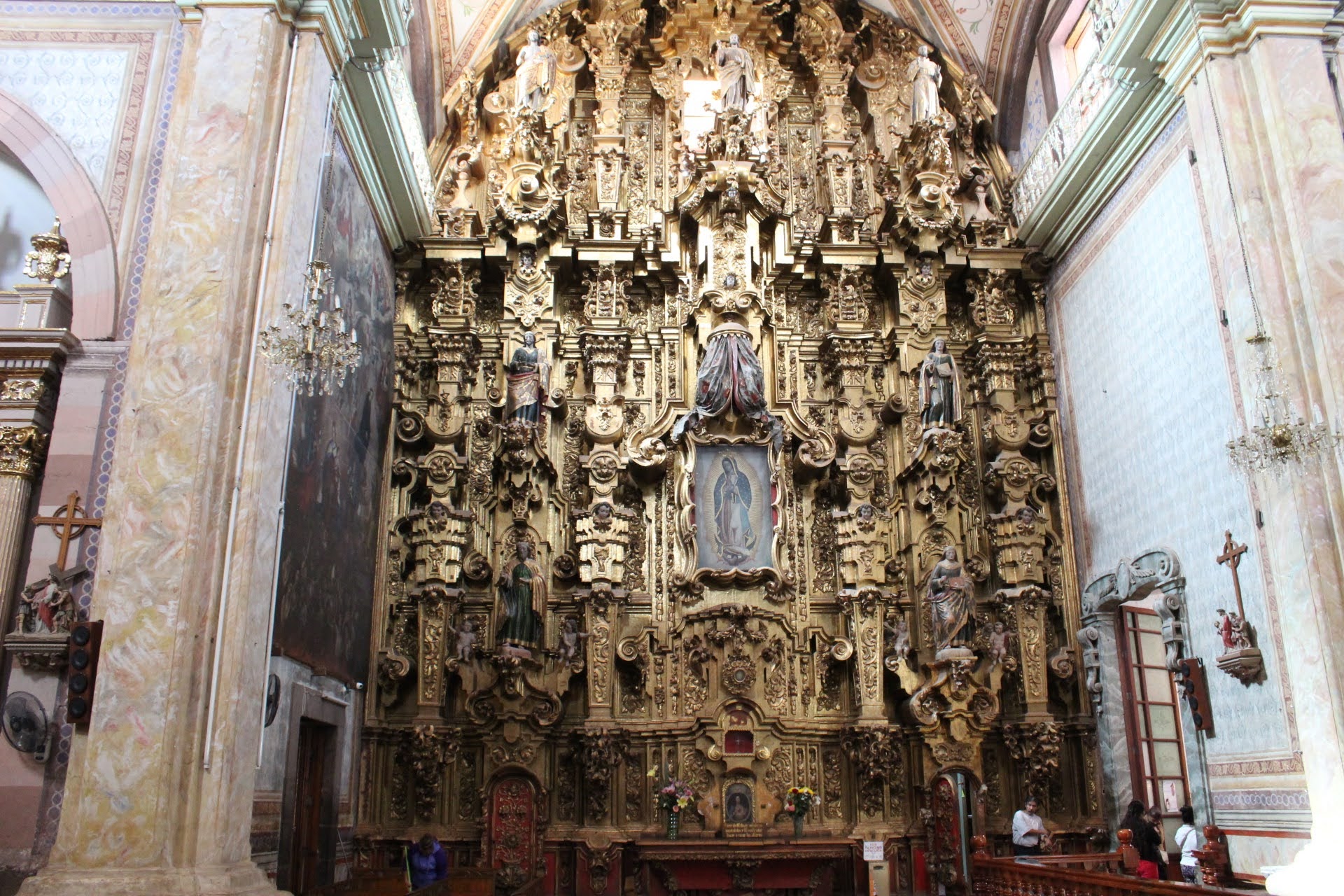
Church of the Grito (full name: Parroquia Nuestra Senora de los Dolores) is in great shape, and the interior is quite ornate. When he arrived here in 1803, Father Hidalgo tried to help the poor people in the region by teaching them grow grapes and olives, but it was illegal to grow these locally because this meant lower import needs for these items from Spain. It is not too hard to understand why so many people(almost 100,000) were willing to join the uprising considering the condition of life that they were leading in a colonized territory.
The Museum of Independence tells the story of the uprising and eventual independence. It is not a sophisticated/high-tech presentation, but, it does the job. All the museums in town cost 20-30 pesos($1-1.50) to enter, and the people at the receptions seemed to be happy to have us. This museum is practically next door to the church, and a tourist information office is right next to it. We got a map of the town from there.
We also went into the Bicentennial Museum on the same block, but there was not much there. We did not go into the residence of Hidalgo’s descendants or of himself that are on Hidalgo Street southwest of the square.

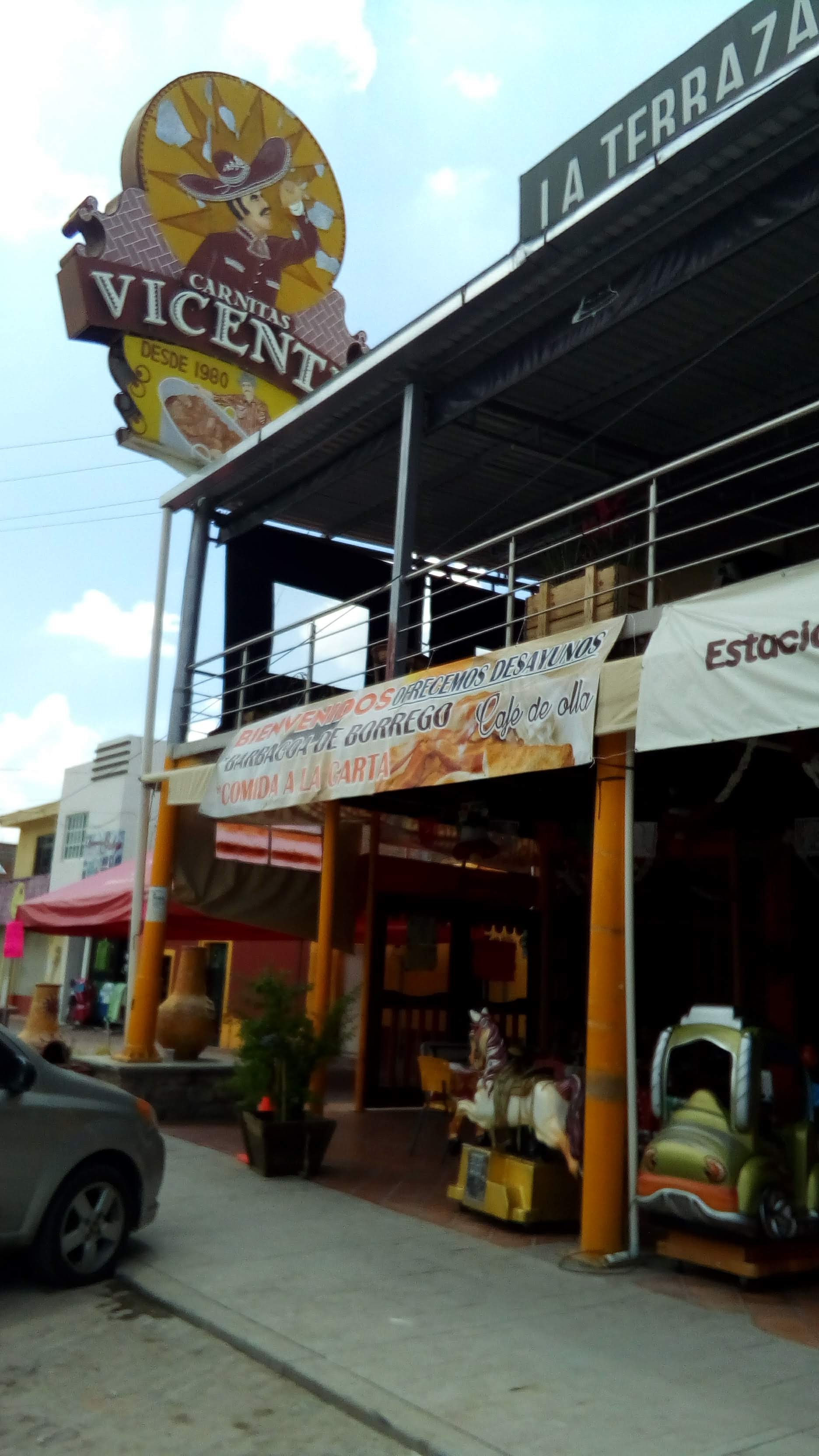
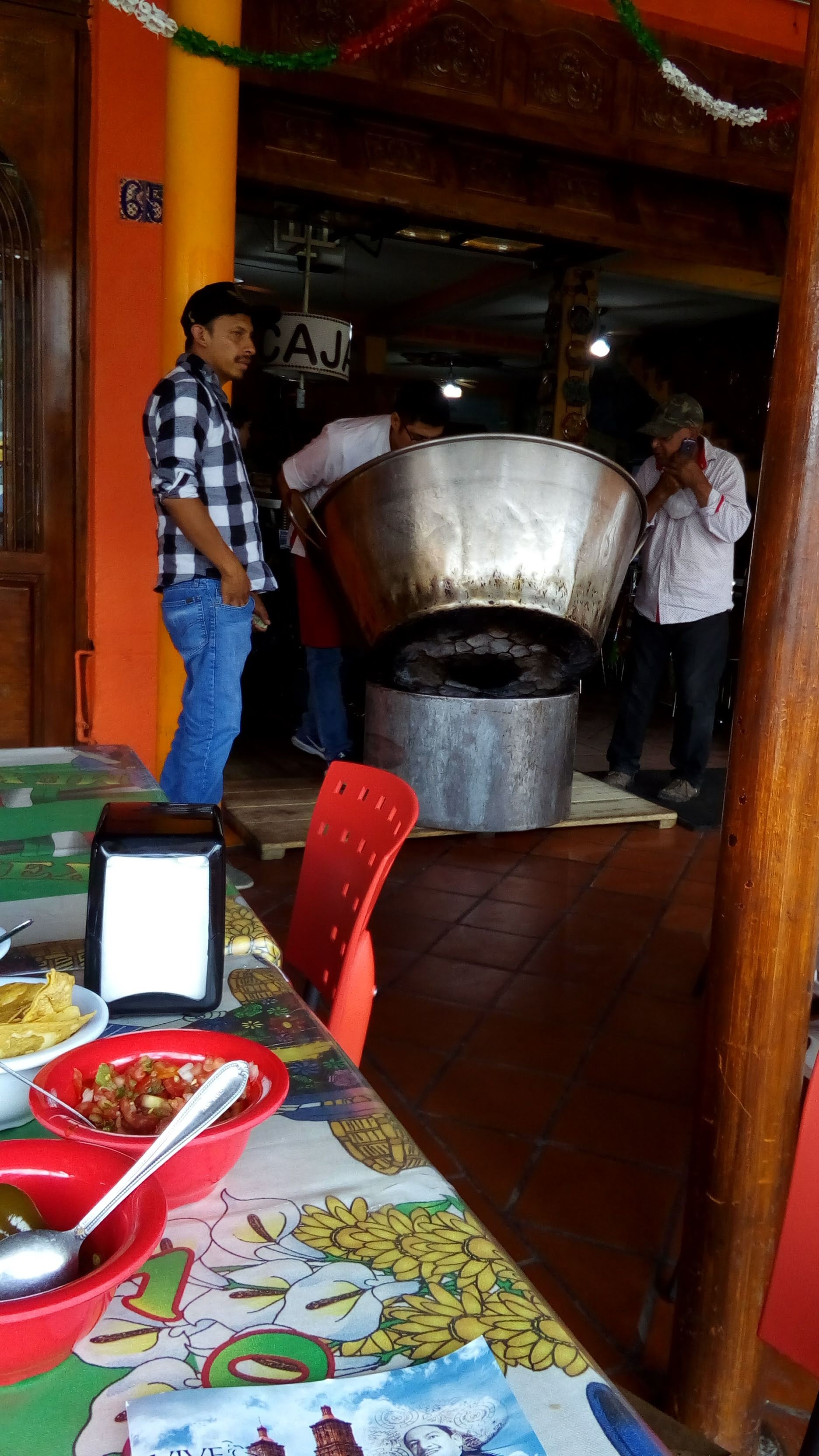
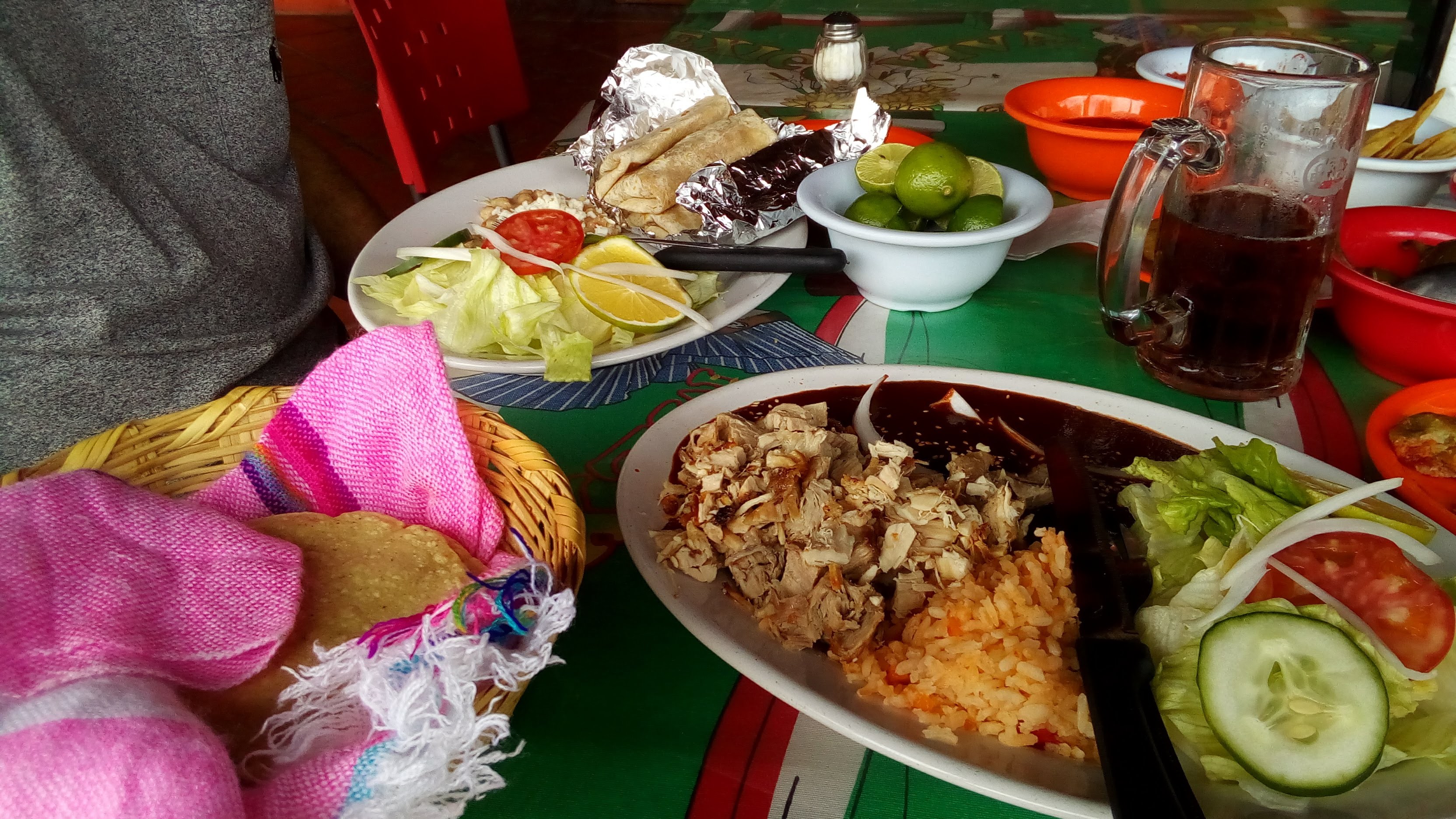
We walked northeast for 10-15 minutes from the square & arrived at a huge carnitas restaurant called Vicente. Their meat was very tender and tasty & salsas were great. You can get 1 kg of carnitas for 390 pesos($20). We chose to stay with more manageable but still big portioned items on the menu.
As I mentioned earlier, the town is known for high quality ice cream featuring weird flavors. We skipped the shrimp and octopus ice cream, but I did try the mole(not my favorite). Caramel was Pat’s favorite.

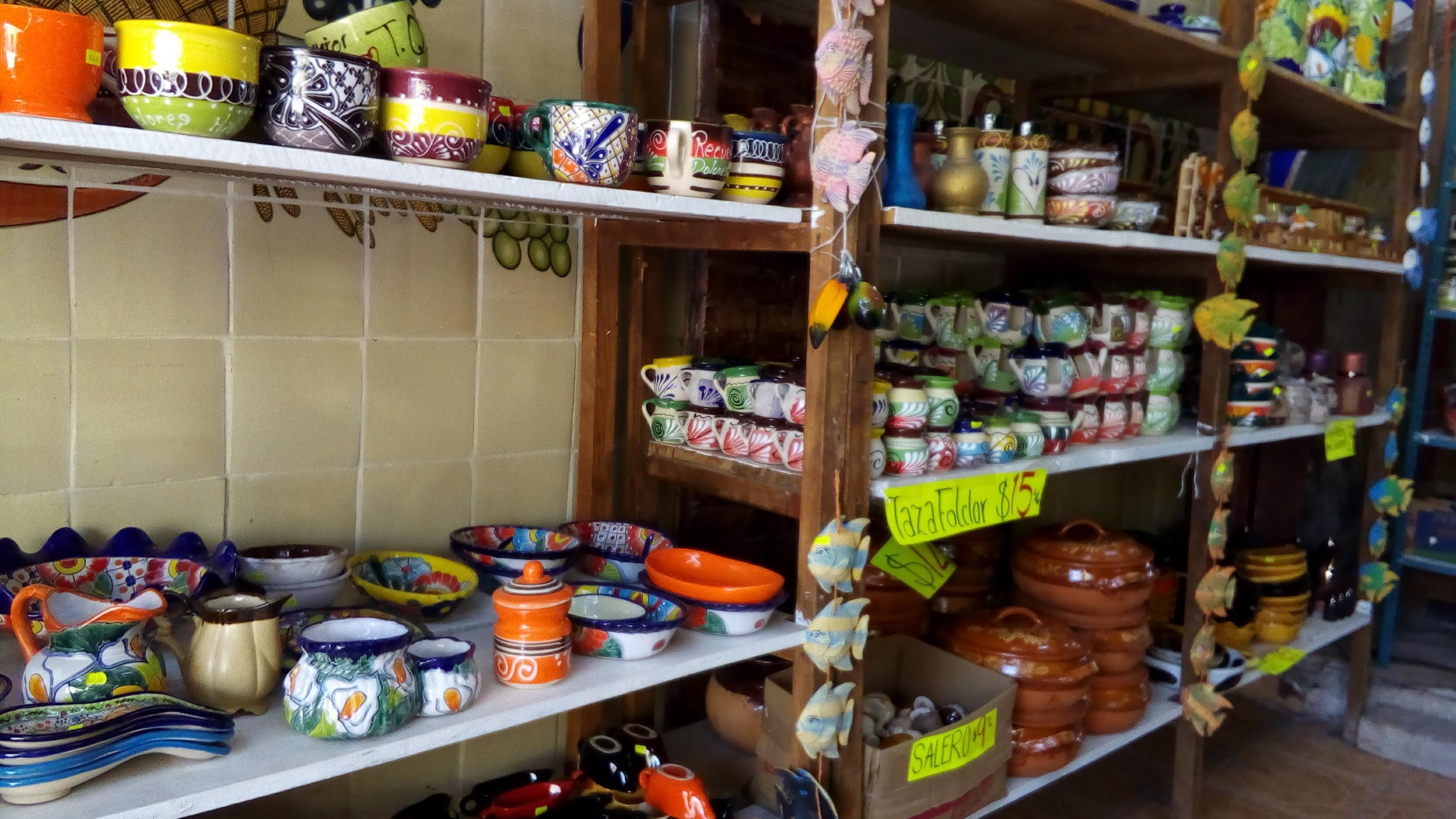
Ceramic shops were scattered around town, and prices were so low that we wished we could buy more than we could carry. We did not find prices cheaper here than Guanajuato for clothing and other items.
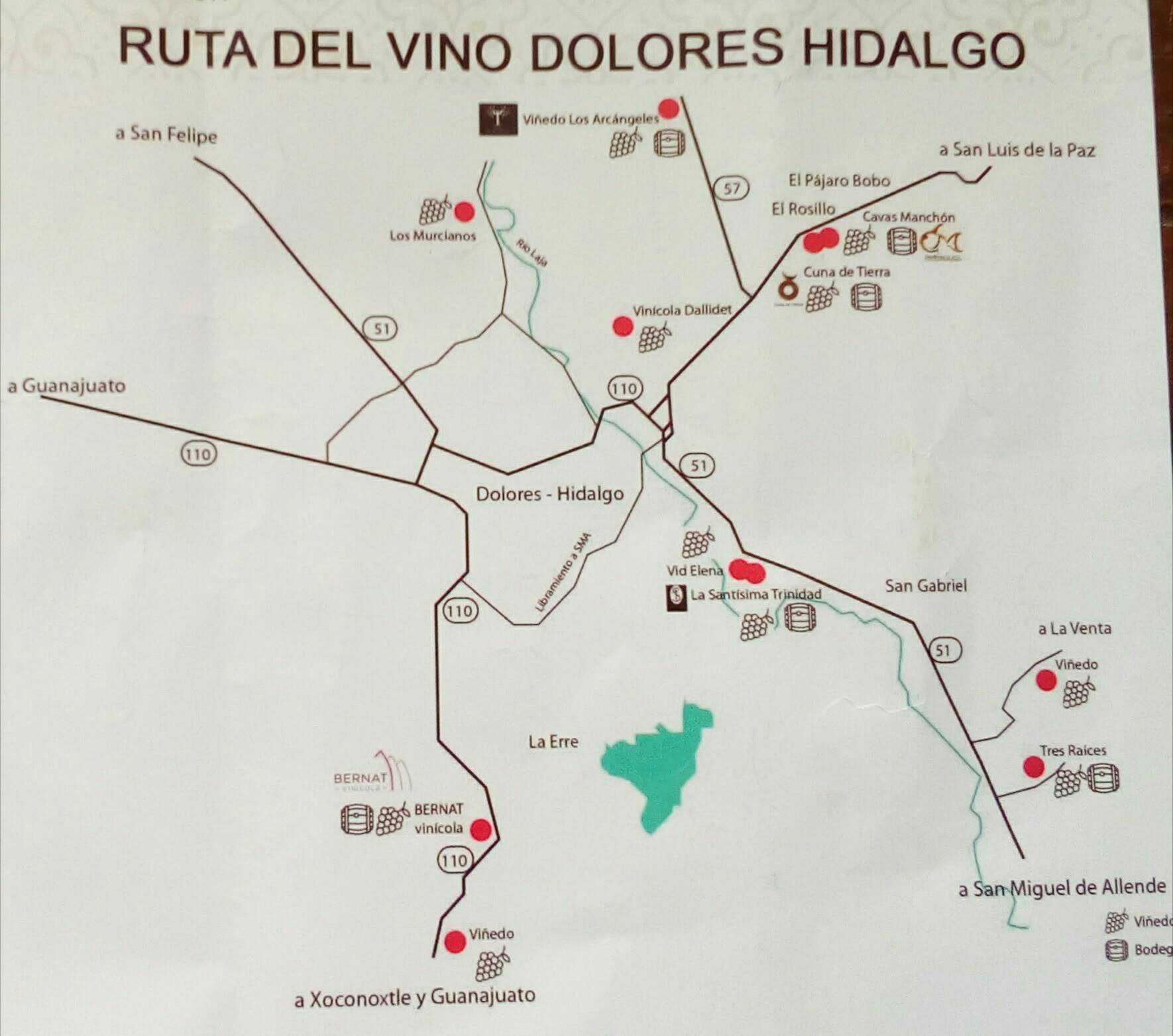
The house museum and the mausoleum of their famous native son, José Alfredo Jiménez, were other major attractions. We did not go, though. (note: the location of his house museum on the map above is a few blocks off)

Another thing this region is well known for is wine production. There are many vineyards right outside of town, and tours were offered.
Coming back, Uber was not available in Dolores Hidalgo. The central bus station is just a 5 minute walk south on Hidalgo Street. Flecha Amarilla bus(82 pesos, $4) made stops along the way, but the 1.5 hour ride was comfortable enough. We managed to get off before the bus entered the historic center of Guanajuato, and it was about a 20-25 minute walk to reach the center. I imagine one can catch a bus from a station(called Dos Rios, I’ve read) in this area to go to Dolores Hidalgo. You can get to this area by turning north along the big road running next to the Regional Museum of Guanajuato Alhóndiga de Granaditas.
Dolores Hidalgo was good to visit to learn more about the history of Mexico. It is basically a sleepy town where not a whole lot happens.
[October 2021 Update] map
This time we had a driver/guide taking us from Guanajuato to Dolores Hidalgo to Mineral de Pozos. We first stopped at a little village before reaching Dolores Hidalgo called Santa Rosa to the famed Majorcan style ceramic studio. This place is not easy to get to on a public transportation, but, it is definitely worthwhile to stop by to witness the beautiful craftsmanship at Mayolica Santa Rosa.
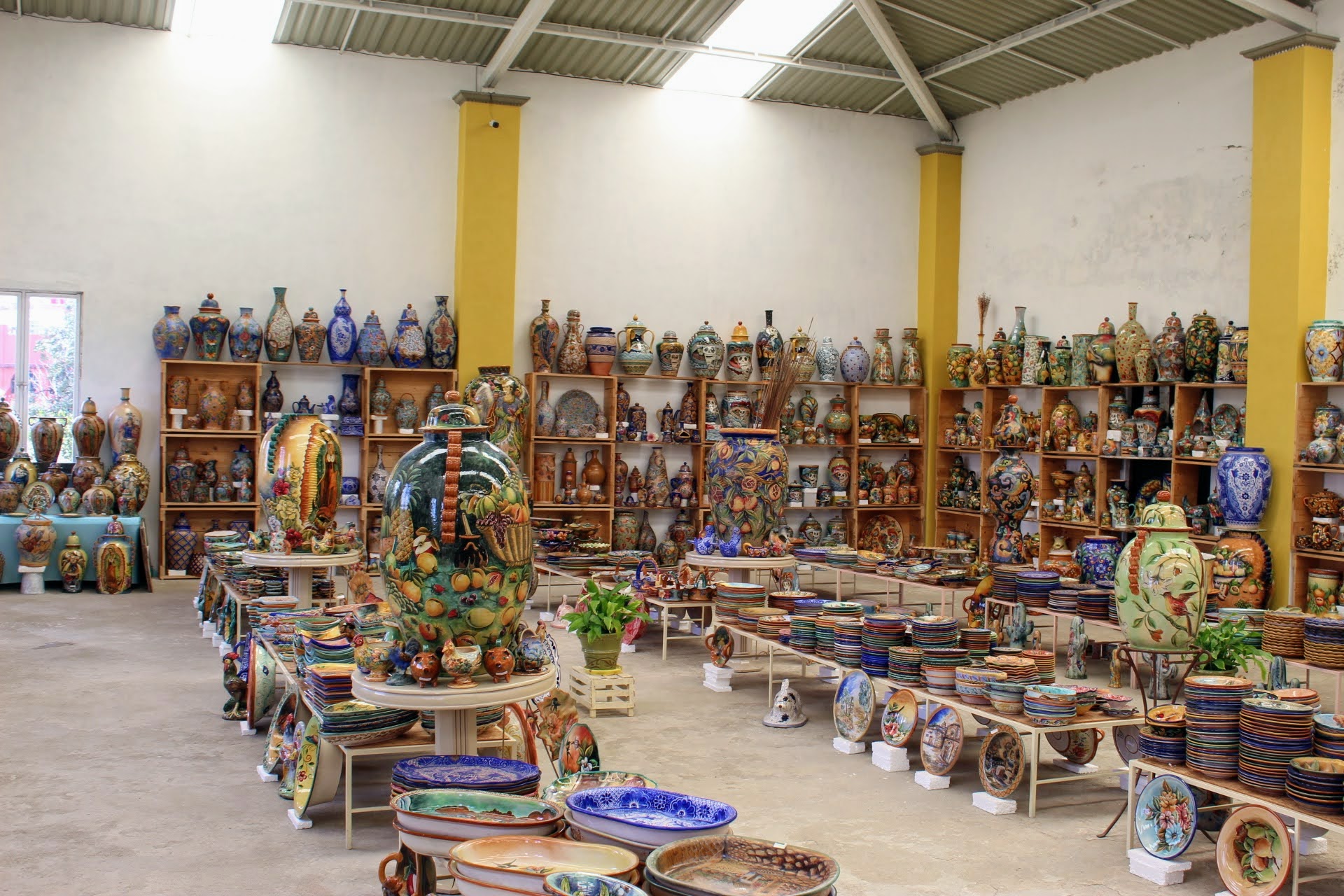
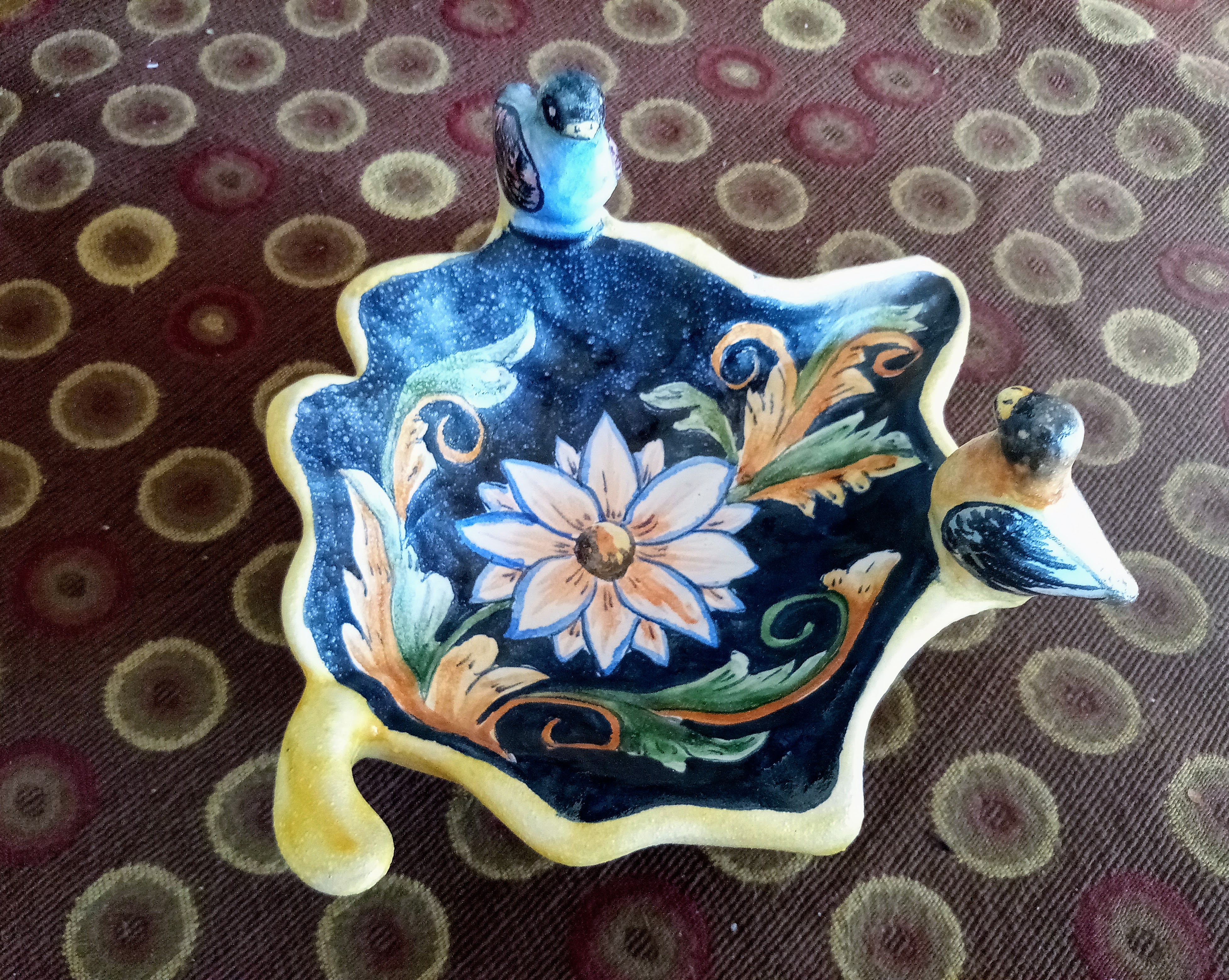
There were so many exquisite pieces of ceramic in the showrooms. Their prices were quite reasonable for the quality, and we wanted to buy a whole dinner set! Well, the shipping cost would have been more than the product cost, thus, the math didn’t work out.
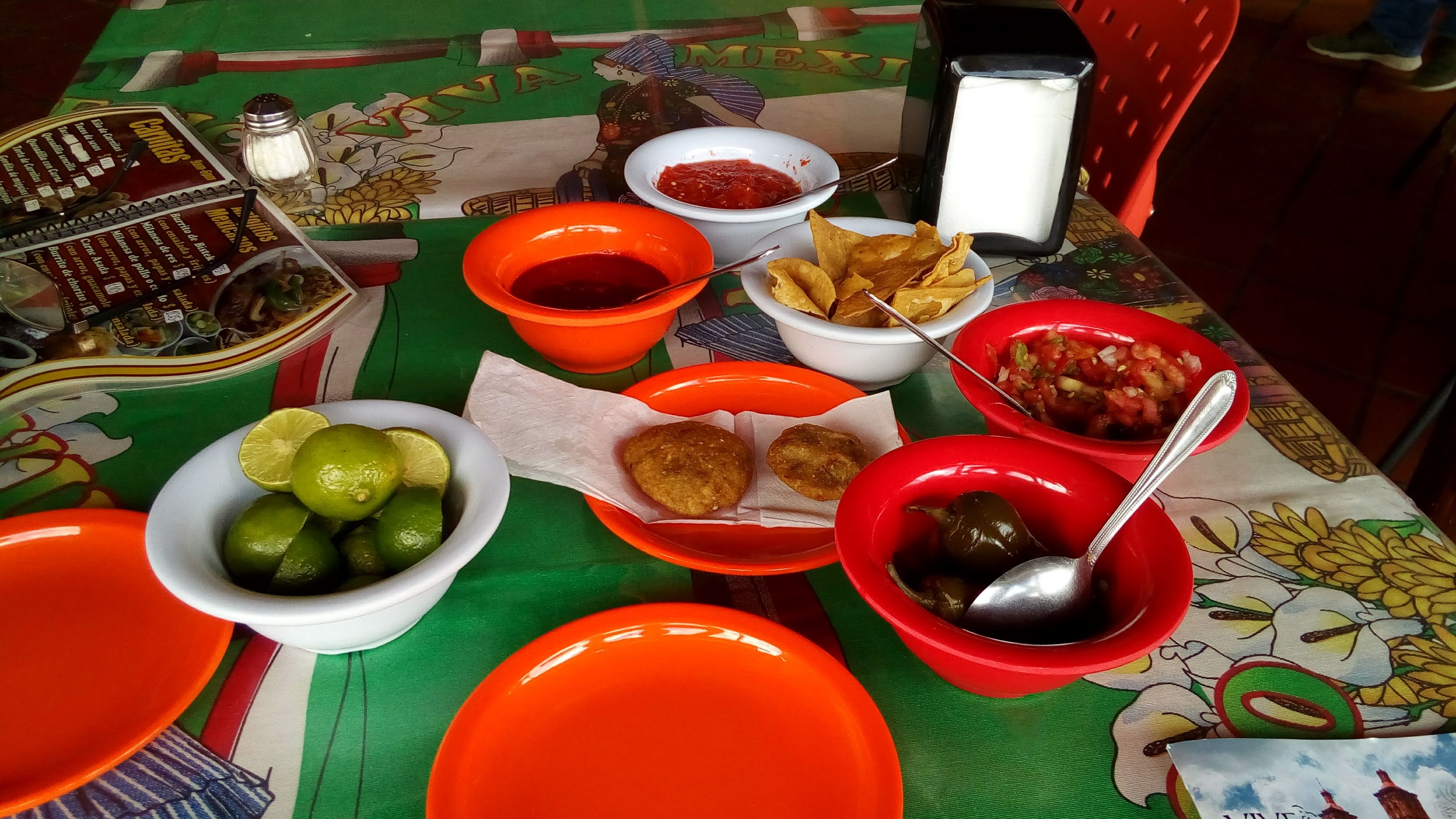
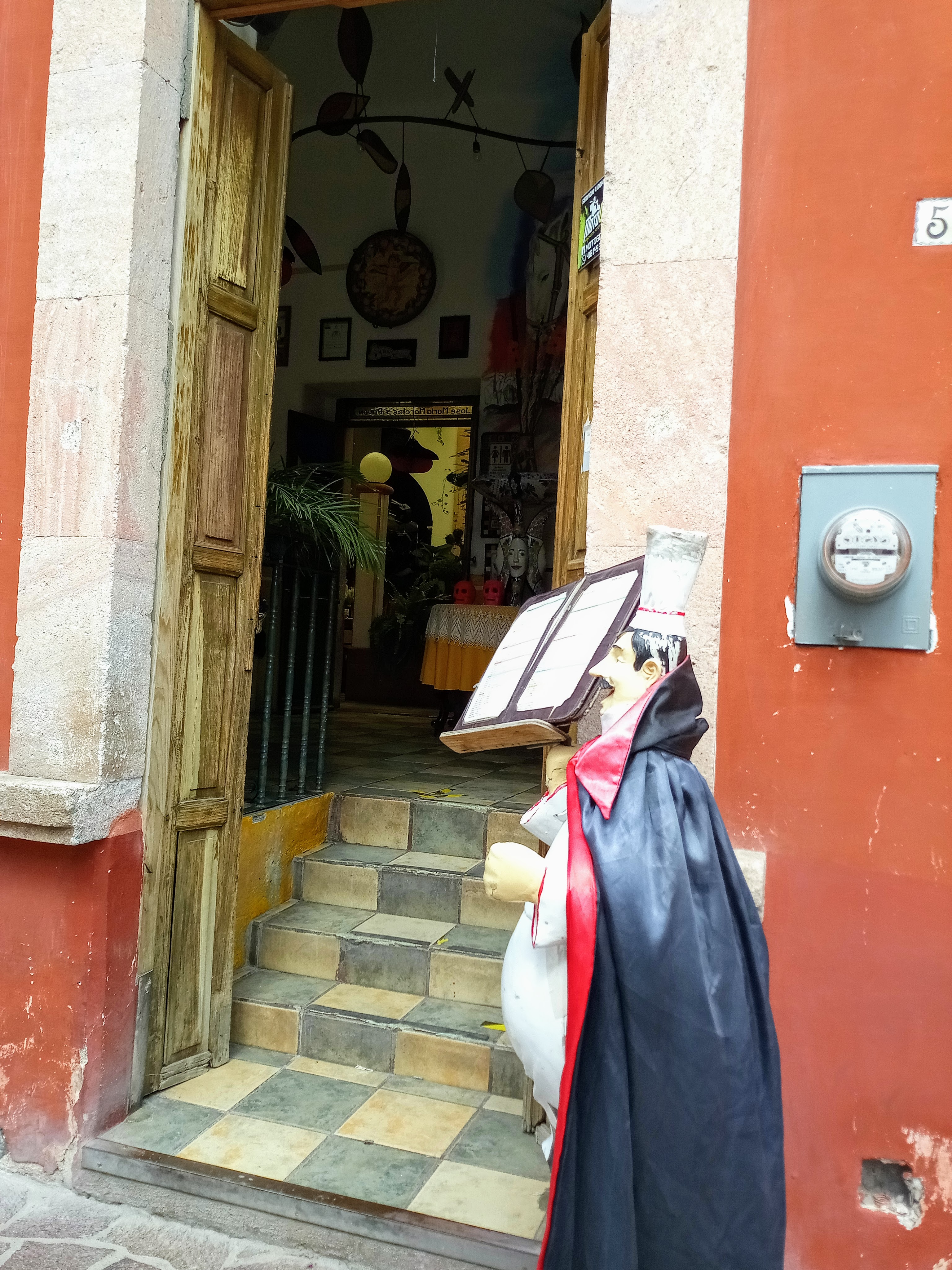
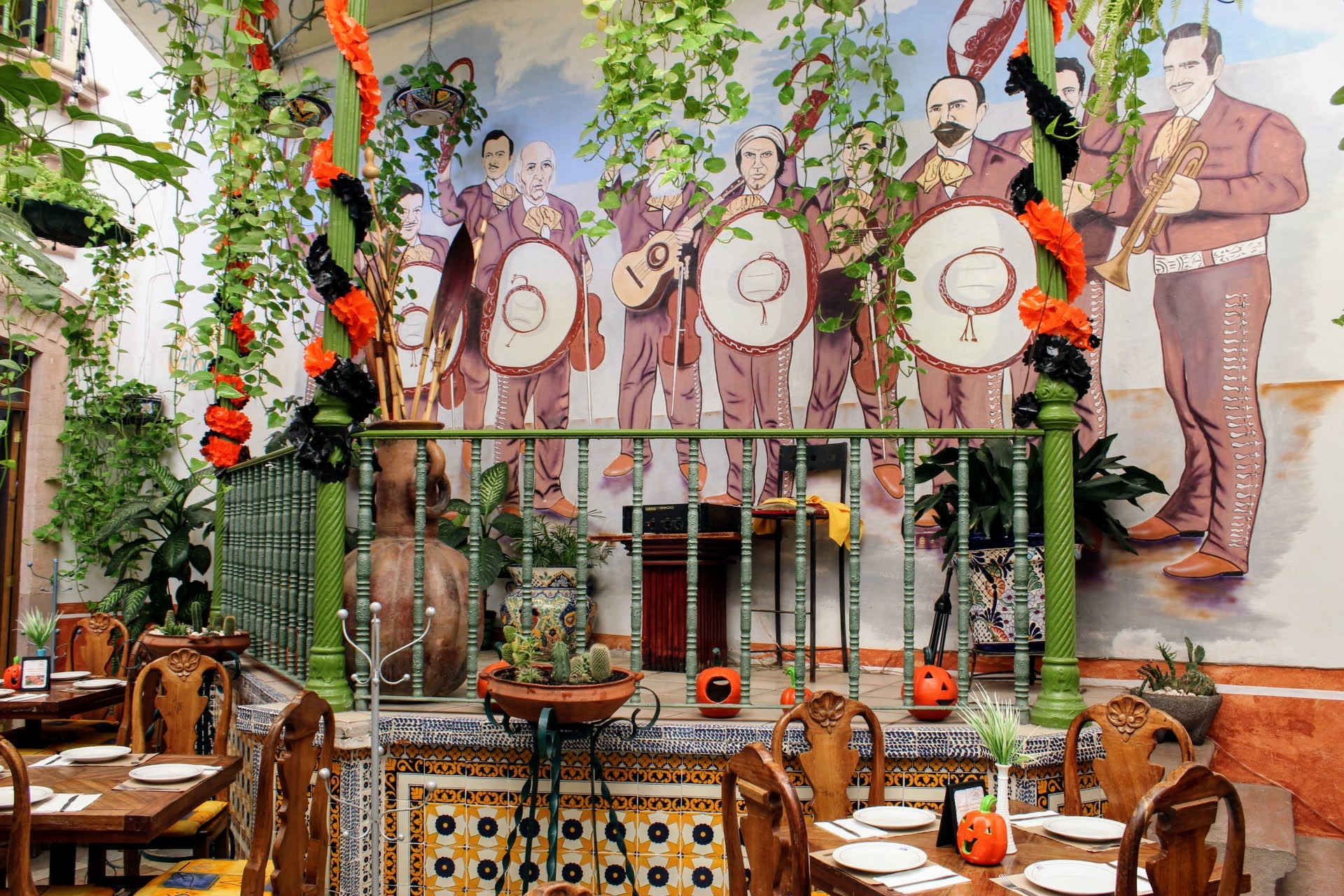
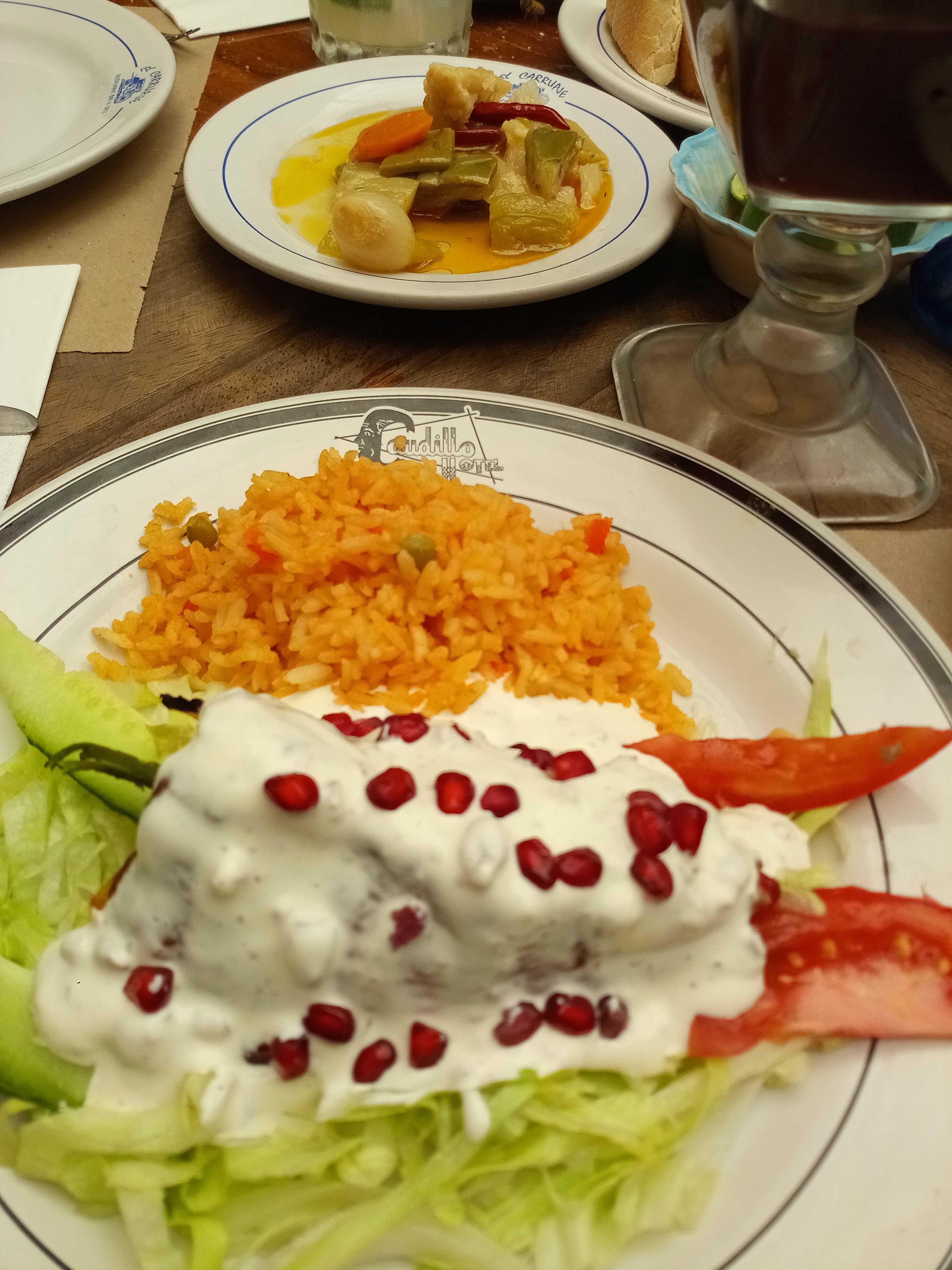
Our guide Osvaldo took us to a nice restaurant just a few steps from the main square for lunch. Great decor, food, service and not expensive at all. This is why it’s good to have a local person guiding us!

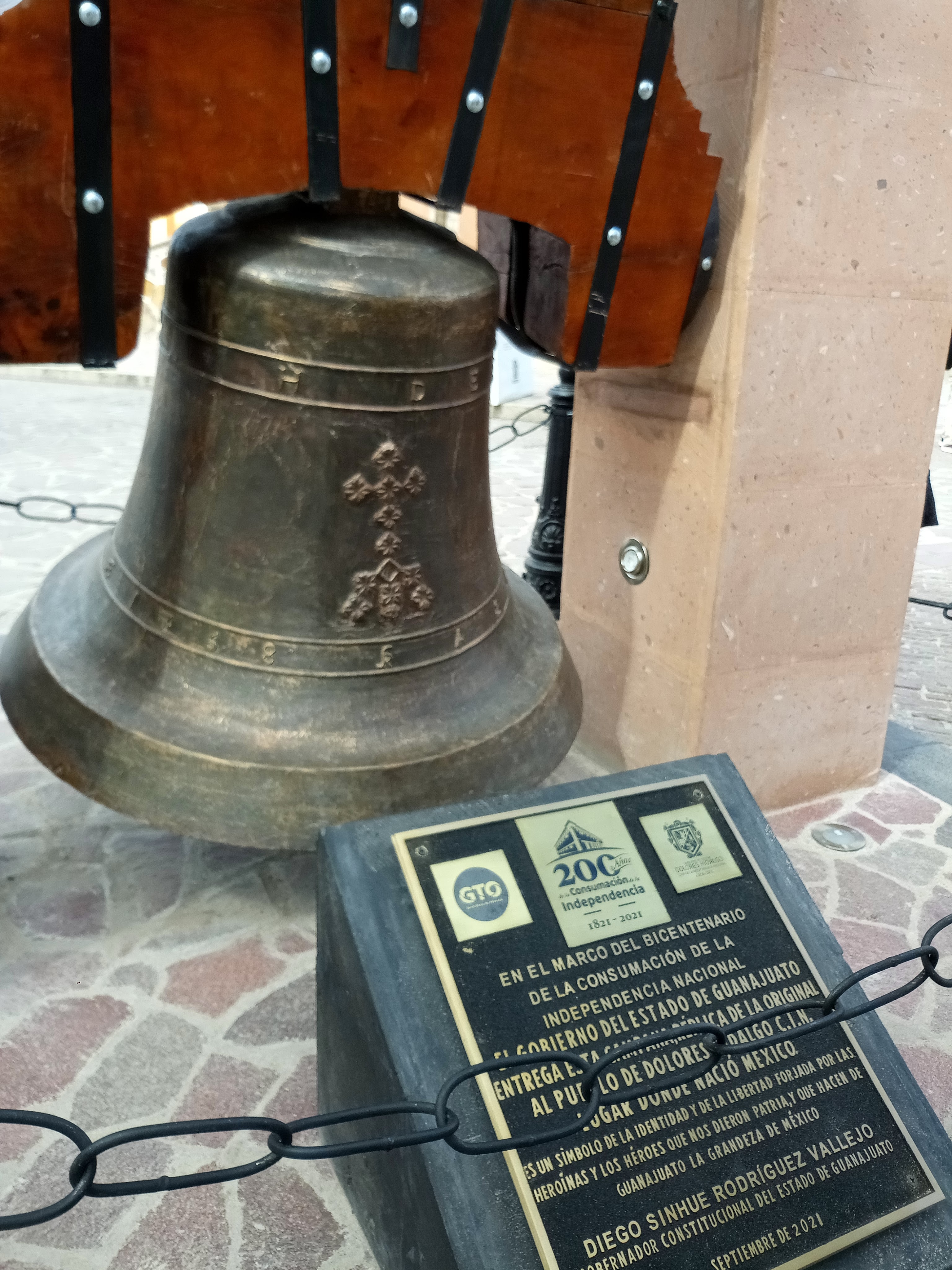
Then we did the Church and the main square and the ice cream etc. Museums were not open due to the pandemic.



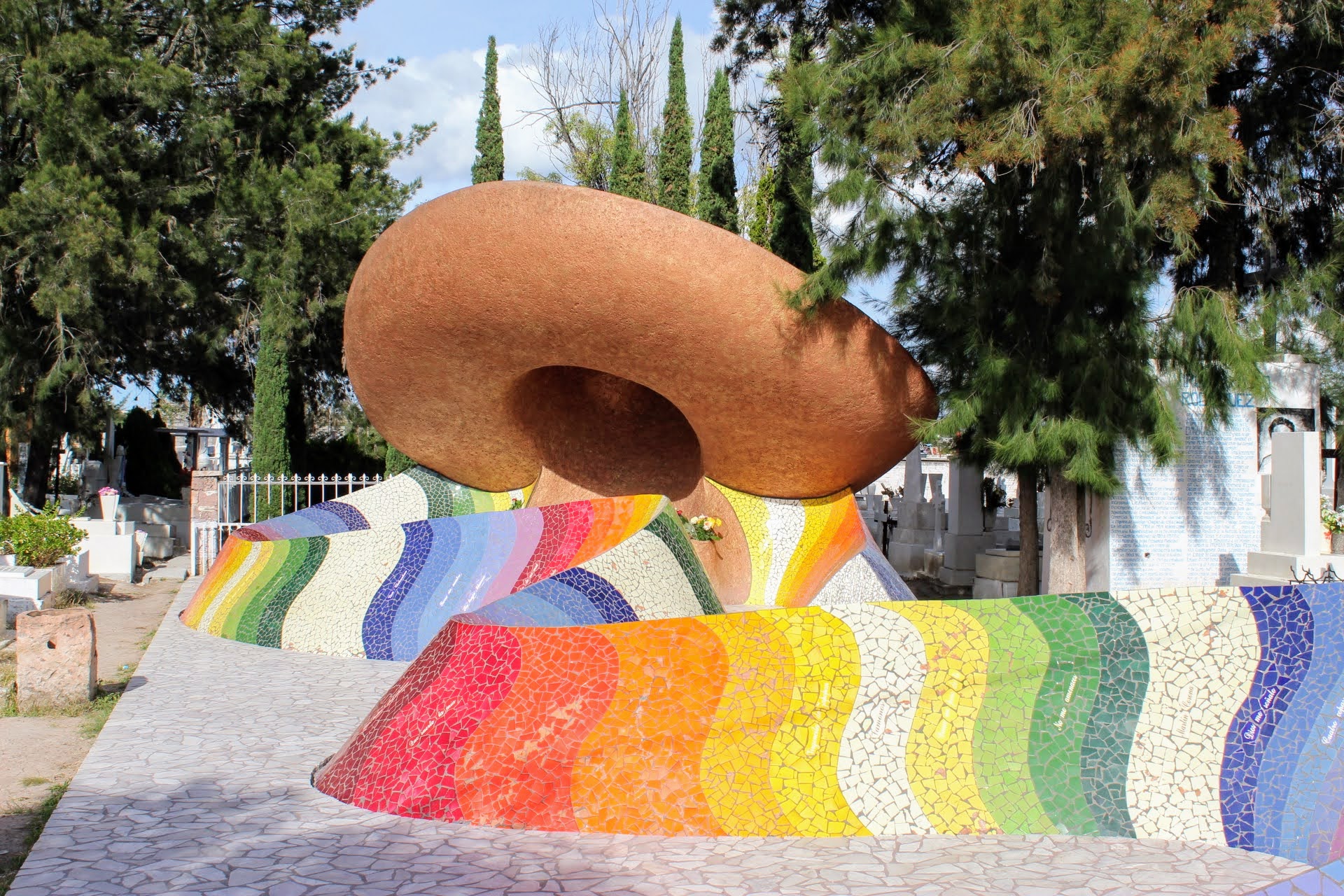
This time we did go to the grave site of the singer Jimenez which was not in the city center.


 Small Wide World
2 thoughts on “Dolores Hidalgo(Mexico): a Day Trip”
Comments are closed.